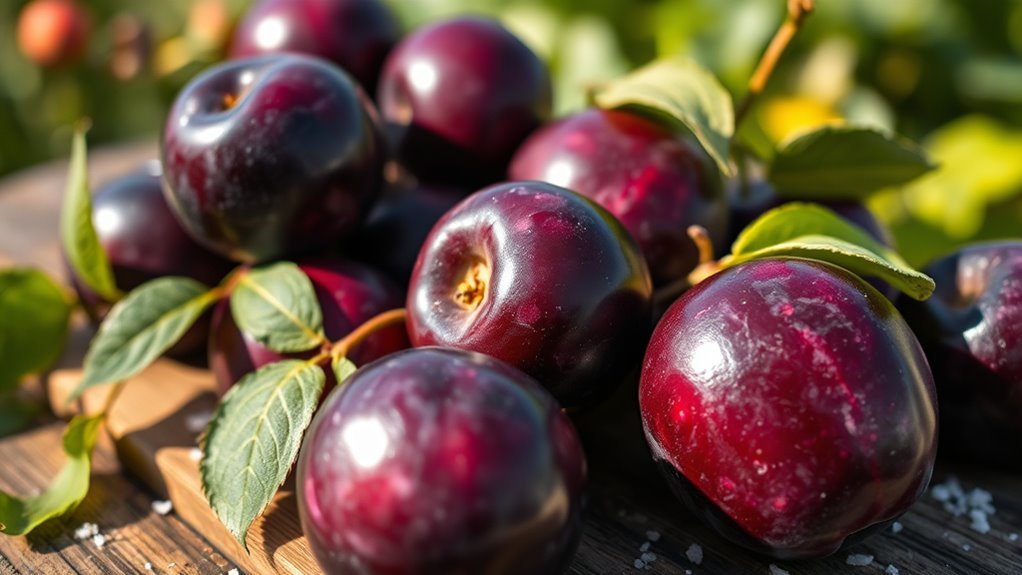

Yes, plums can fit into a ketogenic diet, but moderation is essential. A medium plum has about 7 grams of carbs, making it a moderate option. While they’re rich in vitamins, fiber, and antioxidants, their carb content is higher than some keto-friendly fruits like berries. To enjoy plums without exceeding your daily carb limits, be mindful of portion sizes. If you’re curious about more ways to incorporate plums into your diet, there’s plenty more to explore.
Nutritional Profile of Plums
When you’re considering incorporating plums into your diet, it’s important to look at their nutritional profile. Plums come in various plum varieties, each with unique flavors and nutrients. Generally, they’re low in calories and rich in vitamins, particularly vitamin C and K, which can contribute to a healthy immune system and bone health. Seasonal availability varies, with most plums peaking in summer, making it easier to enjoy them fresh. The fiber content in plums supports digestive health, adding to their appeal. By including these fruits in your meals, you can enjoy their delicious taste while benefiting from their nutritional advantages. Just remember to choose ripe varieties to maximize both flavor and nutrition.
Carbohydrate Content in Plums
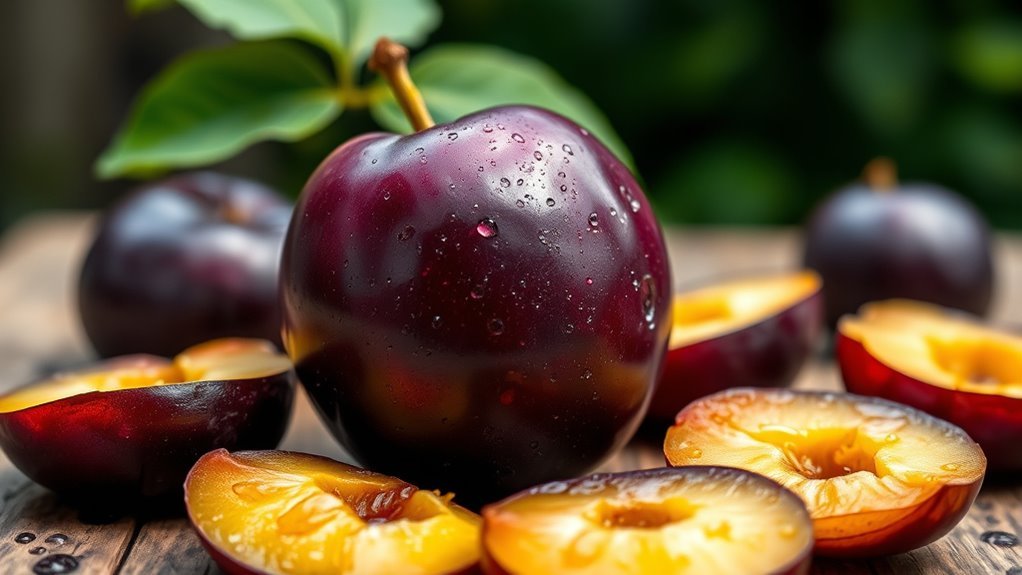
Although plums are often enjoyed for their sweet flavor, their carbohydrate content is a key factor for those following a ketogenic diet. Different plum varieties can vary in their carbohydrate levels, influencing how they fit into your daily macros. On average, a medium-sized plum contains about 7 grams of carbohydrates, making it essential to evaluate how they align with your carb sources.
| Plum Variety | Carbohydrates (g) | Notes |
|---|---|---|
| European Plum | 7.5 | Common in many dishes |
| Japanese Plum | 8 | Sweeter, higher sugar |
| Black Plum | 7 | Rich flavor, moderate carb |
Being mindful of these differences helps you make informed choices while enjoying plums within your dietary preferences.
The Impact of Plums on Ketosis
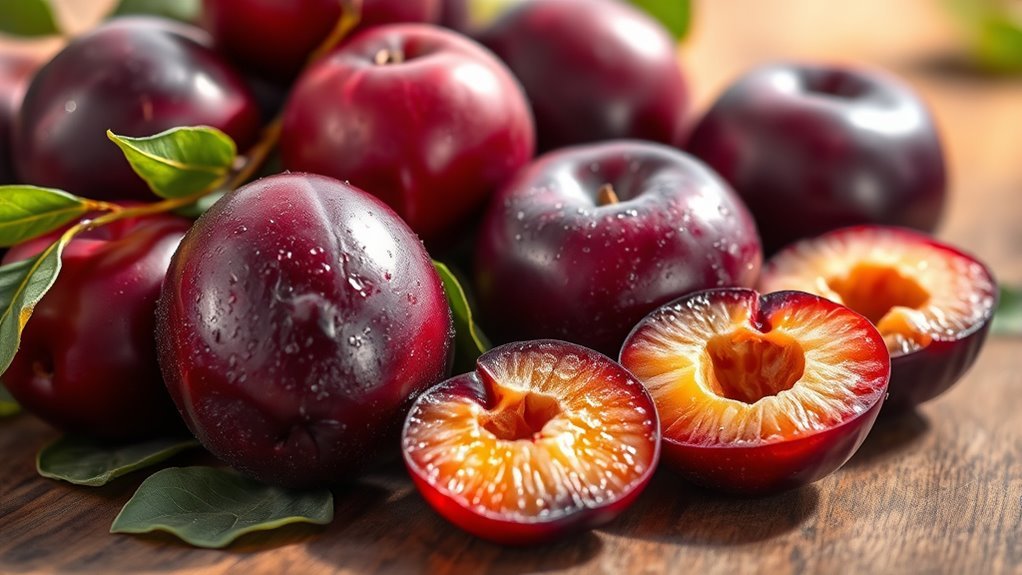
When considering plums in your keto diet, it’s important to look at their nutritional profile. You’ll want to calculate the net carbs, as this will help you understand how they might affect your state of ketosis. By examining these factors, you can make an informed decision about including plums in your meal plan.
Nutritional Profile Overview
Understanding the nutritional profile of plums is essential for anyone considering a ketogenic diet. Plums, with their various types like European and Japanese, offer a mix of vitamins and minerals. They’re rich in vitamin C, vitamin K, and antioxidants, which can support overall health. However, keep in mind that their seasonal availability impacts freshness and taste. Fresh plums are typically at their peak during summer, making them a delightful yet potentially higher-carb option during that time. If you’re focused on maintaining ketosis, knowing the nutritional content of the plum varieties you choose is critical. While they can be enjoyed in moderation, be mindful of how they fit into your daily carb allowance for a successful ketogenic lifestyle.
Net Carbs Calculation
To determine how plums fit into a ketogenic diet, it is important to calculate their net carb content. Plums contain about 7.5 grams of carbohydrates per 100 grams, with roughly 1 gram of fiber. This gives you a net carbs breakdown of around 6.5 grams, making them a moderate option in the category of keto friendly fruits. While plums can satisfy your sweet tooth, you’ll want to be mindful of portion sizes to stay within your daily carb limit. Incorporating small amounts of plums can provide nutritional benefits without jeopardizing your ketosis. Ultimately, enjoying these fruits in moderation can allow you to experience their flavors while maintaining the freedom of your ketogenic lifestyle.
Comparing Plums to Other Fruits
When you compare plums to other fruits, you’ll notice differences in their nutritional profiles and glycemic indices. For instance, while plums are relatively low in carbs, fruits like bananas and grapes tend to have higher sugar content. Understanding these factors can help you make more informed choices that align with your dietary goals.
Nutritional Profile Comparison
While plums are often celebrated for their sweet flavor and juicy texture, their nutritional profile reveals a fascinating comparison to other fruits. When considering different plum varieties, you’ll find that their seasonal availability can impact their nutritional value. Here’s how plums stack up against other fruits:
- Calories: Plums are relatively low in calories compared to bananas and grapes.
- Fiber: They offer a decent fiber content, which is beneficial for digestion.
- Vitamins: Plums are rich in vitamins C and K, similar to oranges and kiwi.
- Antioxidants: Like berries, plums are packed with antioxidants, aiding in overall health.
Incorporating plums into your diet can provide both flavor and nutrition, making them a delightful choice among fruits.
Glycemic Index Insights
How do plums measure up on the glycemic index compared to other fruits? Plums have a moderate glycemic index (GI) of around 24, making them a good option for those mindful of their glycemic response. This lower GI indicates that plums can help maintain stable blood sugar levels and potentially support insulin sensitivity. In contrast, fruits like watermelon and pineapple have higher GIs, which can lead to quicker spikes in blood sugar. If you’re pursuing a keto lifestyle, incorporating plums in moderation can offer flavor without drastically affecting your carb intake. Balancing your fruit choices is essential for maintaining that sense of freedom while being mindful of your body’s needs. So, enjoy your plums, knowing they can fit into your healthy regime!
Portion Sizes and Serving Suggestions
Understanding portion sizes is essential when incorporating plums into a keto diet, especially since they contain natural sugars. Practicing portion control can help maintain your carb intake while enjoying the flavor of this fruit. Here are some serving size suggestions to contemplate:
- Limit your serving to one small plum (about 66 grams).
- If you’re feeling indulgent, try half a medium plum (about 50 grams).
- Contemplate adding plums to a salad, using a quarter of a plum for added flavor.
- Blend plums into a smoothie, using just 30 grams to keep carbs in check.
Health Benefits of Plums
Although you might be cautious about the carb content of fruits on a keto diet, plums offer several health benefits that make them worth considering in moderation. These juicy fruits are rich in antioxidant properties, which can help protect your cells from damage. They support digestive health through fiber, promoting gut regularity. For heart health, plums can aid in managing blood pressure and cholesterol levels, contributing to overall cardiovascular wellness. They also play a role in weight management, as their low-calorie content satisfies cravings without overindulgence. Additionally, plums provide immune support, enhance skin health, and strengthen bones. Their metabolic effects contribute positively to your overall health, making plums a delightful addition to your balanced lifestyle.
How to Incorporate Plums Into a Keto Diet
While steering through a keto diet, you can still enjoy plums by incorporating them strategically and mindfully. Here are some ways to do it:
Enjoy plums on a keto diet by incorporating them mindfully into your meals and snacks.
- Plum Smoothies: Blend a small amount of plums with spinach, avocado, and unsweetened almond milk for a revitalizing drink.
- Plum Salads: Toss sliced plums into salads with mixed greens, nuts, and a low-carb dressing for added flavor.
- Snack Wisely: Use plums as a treat after a workout, balancing them with protein to stay within your carb limits.
- Portion Control: Keep servings small; a couple of plums can fit into your daily macros without derailing your keto goals.
Alternatives to Plums for Keto Dieters
If you’re looking for alternatives to plums while on a keto diet, you’re in luck—there are several low-carb fruits that can satisfy your cravings. Berries, such as strawberries, raspberries, and blackberries, are great choices as they’re low in carbs and high in fiber. Avocado, while technically a fruit, is another keto-friendly option packed with healthy fats. Coconut is also a delicious low-carb snack; its versatility allows you to enjoy it in various forms, from oil to unsweetened flakes. Don’t forget about olives, which are not only low in carbs but also rich in healthy fats. By incorporating these keto-friendly fruits and snacks into your diet, you can keep your carb count low while still enjoying sweet flavors.
Final Thoughts on Plums and Keto
When considering your options on a keto diet, it’s important to weigh the carbohydrate content of fruits like plums. While some plum varieties may fit into your carb limit, others can be more challenging. Here are a few key points to remember:
- Carb Content: Plums generally have higher carbs than berries, so monitor your intake.
- Portion Control: Enjoying a small portion can make a plum a suitable addition to a keto meal.
- Nutrient Density: Plums offer vitamins and antioxidants, but balance is key.
- Alternatives: Consider lower-carb fruits if you’re strict on carbs.
Ultimately, enjoying plums in moderation can be a delightful choice, but it’s essential to stay informed and make decisions that align with your keto goals.
Frequently Asked Questions about Plums and the Keto Diet
1. Are plums keto-friendly?
Plums are not typically considered keto-friendly due to their higher carbohydrate content compared to other fruits. A medium-sized plum contains approximately 7 grams of carbohydrates. While you can incorporate small amounts of plums into a keto diet, it’s essential to monitor your total carb intake for the day to stay within your limits.
2. How many plums can I eat on a keto diet?
The amount of plums you can consume on a keto diet depends on your individual carbohydrate allowance, which is typically around 20-50 grams of net carbs per day. If you choose to eat plums, consider limiting yourself to one small plum or incorporating them into a meal with other low-carb foods to keep your overall carb count in check.
3. What are the nutritional benefits of plums?
Plums are rich in vitamins, minerals, and antioxidants. They provide vitamin C, vitamin K, and potassium, which are essential for immune function, bone health, and heart health. They also contain dietary fiber, which can aid in digestion. However, because of their carbohydrate content, it’s vital to balance their consumption with your keto goals.
4. Are there any low-carb alternatives to plums for keto dieters?
Yes, there are several low-carb alternatives to plums that fit well within a keto diet. Berries such as raspberries, blackberries, and strawberries are lower in carbohydrates and high in antioxidants. Other options include avocados and olives, which are also nutrient-dense and low in carbs.
5. Can I include plums in my keto meal plan?
Yes, you can include plums in your keto meal plan, but moderation is key. Consider using plums in small amounts as part of a larger meal that includes protein and healthy fats. This approach can help balance out the carbs while still allowing you to enjoy the flavor and nutrients that plums offer.
References
- https://www.healthline.com/nutrition/keto-diet-food-list#fruits
- https://www.medicalnewstoday.com/articles/fruit-and-the-keto-diet
- https://www.dietdoctor.com/low-carb/keto/foods/fruits
- https://www.ncbi.nlm.nih.gov/pmc/articles/PMC6520738/
- https://www.verywellfit.com/keto-diet-fruits-5114950
- https://www.wellandgood.com/keto-fruits/