Keta salmon, also known as chum salmon, is a Pacific fish known for its mild flavor and firm texture. Often celebrated in various culinary dishes, Keta salmon is versatile enough for grilling, smoking, or baking. Its rich omega-3 fatty acids make it a nutritious choice, supporting heart health and muscle maintenance. You’ll find it in fresh, frozen, or canned forms. As you explore further, you’ll uncover delightful recipes and tips for sourcing and preparing Keta salmon.
What Is Keta Salmon?

Keta salmon, often referred to as chum salmon, is a unique species that stands out in the Pacific waters. You’ll find them thriving in diverse Keta habitats, from coastal estuaries to freshwater rivers. Known for their remarkable adaptability, Keta salmon undertake long migrations, traveling upstream to spawn in the very rivers where they were born. This journey is not just a survival instinct; it’s a demonstration of their resilience and connection to nature. As they navigate through various terrains, you can witness the beauty of their transformation, from the shimmering silver of the ocean to the vibrant hues of spawning season. Understanding Keta salmon’s life cycle and migration patterns enriches your appreciation for this incredible species and the ecosystems they inhabit.
The Distinctive Flavor Profile of Keta Salmon

One of the most enchanting aspects of Keta salmon is its distinctive flavor profile, which sets it apart from other salmon varieties. When you take a bite, you’ll notice a mild, slightly sweet taste that’s less intense than King salmon but more flavorful than Pink salmon. This unique balance makes Keta perfect for those who enjoy a subtler fish experience. In a flavor comparison, Keta’s firm texture pairs beautifully with various seasonings and cooking methods, allowing its natural taste to shine. Whether grilled, smoked, or baked, its versatility caters to diverse taste profiles. So, if you’re seeking a delicious, adaptable option, Keta salmon invites you to explore its delightful flavors and culinary possibilities.
Nutritional Benefits of Keta Salmon
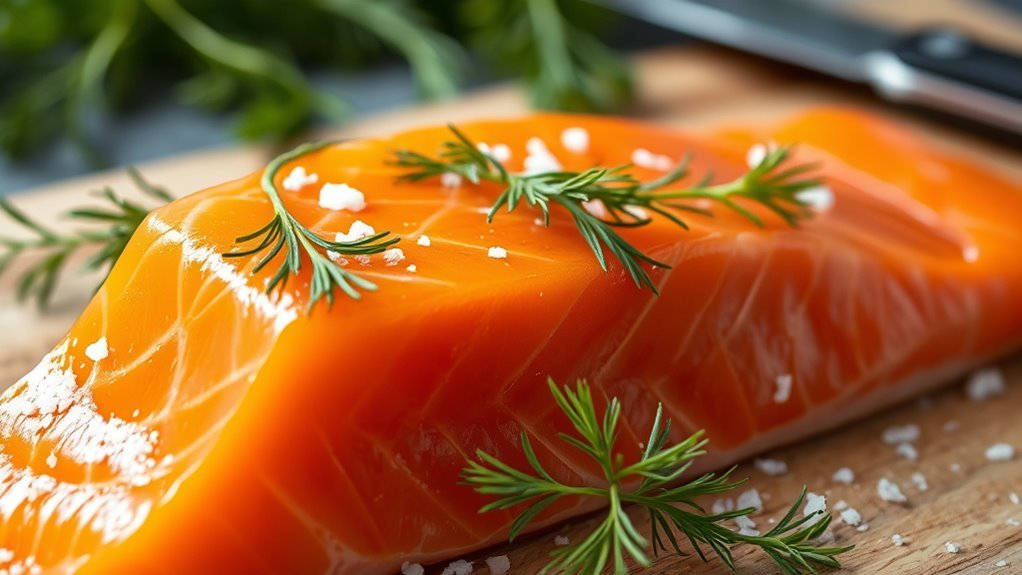
Enjoying the delightful flavors of Keta salmon isn’t just a treat for your taste buds; it also brings a host of nutritional benefits. Packed with omega-3 fatty acids, this fish supports heart health, lowers inflammation, and boosts brain function. You’ll find that these good fats help maintain healthy cholesterol levels, promoting overall well-being. Additionally, Keta salmon is a rich source of high-quality protein, essential for muscle repair and growth. It also provides crucial vitamins and minerals, like B vitamins and selenium, which aid in energy production and immune function. Incorporating Keta salmon into your diet means you’re not only savoring its unique taste but also investing in your health with every bite. Enjoy the freedom of a delicious, nutritious choice!
Culinary Uses and Cooking Techniques
When it comes to culinary versatility, Keta salmon stands out as a fantastic option for any home cook. Its mild flavor and firm texture make it a blank canvas for various cooking methods that you can easily master. Here are three popular techniques to try:
- Grilling: Gives a smoky flavor that enhances its natural taste.
- Baking: Simple and allows for flavorful seasoning, like lemon and herbs.
- Poaching: Keeps the fish moist and tender, perfect for light dishes.
When it comes to flavor pairings, consider complementary ingredients like dill, garlic, or citrus to elevate your Keta salmon dish. Experiment and enjoy the freedom of creativity while preparing this delicious fish!
Keta Salmon in Different Cuisines
Keta salmon’s versatility extends beyond the kitchen, making it a beloved ingredient in various global cuisines. You can find it in everything from sushi rolls to hearty chowders. Its rich flavor and firm texture lend themselves well to diverse keta salmon recipes, whether you’re grilling it with herbs or poaching it in a tangy marinade.
Here’s a glimpse of how keta salmon shines in different culinary traditions:
| Cuisine | Keta Salmon Pairings | Signature Recipe |
|---|---|---|
| Japanese | Soy sauce, sesame, scallions | Keta Salmon Sushi Rolls |
| Italian | Lemon, capers, olive oil | Keta Salmon Piccata |
| American | Maple syrup, mustard | Maple-Glazed Keta Salmon |
| Scandinavian | Dill, potatoes | Keta Salmon Gravlax |
| Thai | Coconut milk, chili | Thai Keta Salmon Curry |
Explore the world with keta salmon!
Sustainability and Sourcing of Keta Salmon
When it comes to Keta salmon, understanding where it comes from is essential for making sustainable choices. You’ll want to contemplate whether it’s wild-caught or farmed, as well as the fishing regulations that protect fish populations and their habitats. Plus, looking at the environmental impact of these sourcing methods can help you feel good about your seafood selections.
Wild vs. Farmed Sources
While both wild and farmed Keta salmon offer distinct flavors and textures, the sustainability of their sourcing is a crucial consideration for environmentally conscious consumers. Here’s a quick breakdown of their differences:
- Wild Habitats: Caught in natural rivers and oceans, wild Keta salmon thrives in a balanced ecosystem, contributing to biodiversity.
- Farmed Conditions: Raised in controlled environments, farmed Keta salmon provides a steady supply but may face issues like overcrowding and environmental impact.
- Sustainability: Wild sources often have stricter regulations to protect populations, while farmed sources can vary in sustainability based on practices.
Choosing between wild and farmed Keta salmon isn’t just about taste; it’s about supporting practices that align with your values on sustainability and environmental responsibility.
Fishing Regulations and Practices
Understanding fishing regulations and practices is essential for anyone concerned about the sustainability of Keta salmon. These regulations often include specific catch limits aimed at preventing overfishing and ensuring healthy populations. By following these guidelines, you contribute to crucial conservation efforts that protect the species and its habitat.
When you fish for Keta salmon, you’re not just enjoying a delicious catch; you’re participating in a broader movement toward responsible sourcing. Many fisheries implement sustainable practices, such as selective fishing methods and habitat restoration, to maintain balance in the ecosystem. By staying informed and respecting regulations, you help secure the future of Keta salmon for generations to come, allowing everyone the freedom to enjoy this remarkable fish sustainably.
Environmental Impact Considerations
As you consider the environmental impact of Keta salmon, it is crucial to recognize how sourcing practices can influence both the fish’s survival and the health of aquatic ecosystems. Sustainable sourcing can help minimize the ecological footprint, promoting habitat conservation in the long run. Here are three key considerations:
- Wild-Caught vs. Farmed: Wild-caught Keta salmon often supports healthier ecosystems, while some farmed practices can lead to habitat degradation.
- Sustainable Fisheries: Look for certifications that indicate responsible fishing practices, ensuring the longevity of Keta populations.
- Local Sourcing: Choosing local suppliers reduces transportation emissions, further lowering your ecological footprint and supporting community-based conservation efforts.
Tips for Selecting and Storing Keta Salmon
When it comes to selecting and storing Keta salmon, a few key tips can make all the difference in preserving its quality and flavor. First, look for freshness indicators like bright, moist skin and a mild, ocean-like scent. Avoid any fillets that appear dull or have a strong fishy odor. Once you’ve chosen the perfect piece, store it in airtight storage containers to keep it fresh longer. Keta salmon can last up to two days in the refrigerator, but for extended freshness, consider freezing it. Just remember to wrap it tightly to prevent freezer burn. By following these simple guidelines, you’ll guarantee that your Keta salmon remains a delicious and nutritious choice for your meals.
Frequently Asked Questions about Keta Salmon
1. What is Keta Salmon?
Keta Salmon, also known as chum salmon, is a species of Pacific salmon found in the North Pacific Ocean and rivers that flow into it. It is recognized for its distinctive flavor and is often identified by its lower fat content compared to other salmon species. Keta Salmon is typically harvested during its spawning season, which occurs from late summer to fall, and is known for its firm texture and bright orange color.
2. How does Keta Salmon differ from other salmon types?
Keta Salmon differs from other types of salmon, such as King (Chinook) or Sockeye, mainly in flavor, fat content, and texture. Keta Salmon has a milder taste and lower oil content, making it less rich compared to its counterparts. Its flesh is typically pale pink to orange and has a firmer texture, making it a popular choice for smoking and canning. Additionally, Keta Salmon is often more affordable than other salmon varieties.
3. Is Keta Salmon healthy to eat?
Yes, Keta Salmon is considered a healthy food option. It is a good source of high-quality protein, omega-3 fatty acids, and essential vitamins and minerals, including vitamin D, B vitamins, and selenium. The omega-3 fatty acids found in Keta Salmon are known to support heart health, reduce inflammation, and promote overall well-being. However, like all fish, it is important to consume it in moderation as part of a balanced diet.
4. How can Keta Salmon be prepared?
Keta Salmon can be prepared in various ways, including grilling, baking, broiling, or poaching. Due to its firmer texture, it holds up well to different cooking methods. It is also commonly used in recipes for smoked salmon due to its mild flavor. Marinating the fish before cooking can enhance its taste, and it pairs well with a variety of herbs, spices, and sauces. Additionally, Keta Salmon can be enjoyed raw in sushi or sashimi.
5. Where can I buy Keta Salmon?
Keta Salmon can be found at various grocery stores and fish markets, often available fresh, frozen, or canned. Look for high-quality sources that prioritize sustainable fishing practices. Many online retailers also offer Keta Salmon, allowing you to order it directly to your home. When purchasing, check for labels indicating freshness and sustainability to ensure you are getting the best product.
References
- https://en.wikipedia.org/wiki/Keta_salmon
- https://www.fisheries.noaa.gov/species/chum-salmon
- https://www.fs.usda.gov/wildflowers/ethnobotany/Salmon/ChumSalmon.shtml
- https://www.nwfsc.noaa.gov/assets/25/10593_09202014_091958_Dorr.pdf
- https://www.seagrant.umn.edu/seafood/chum_salmon
- https://www.fda.gov/food/food-labeling-nutrition/seafood-guidance-documents-regulatory-information