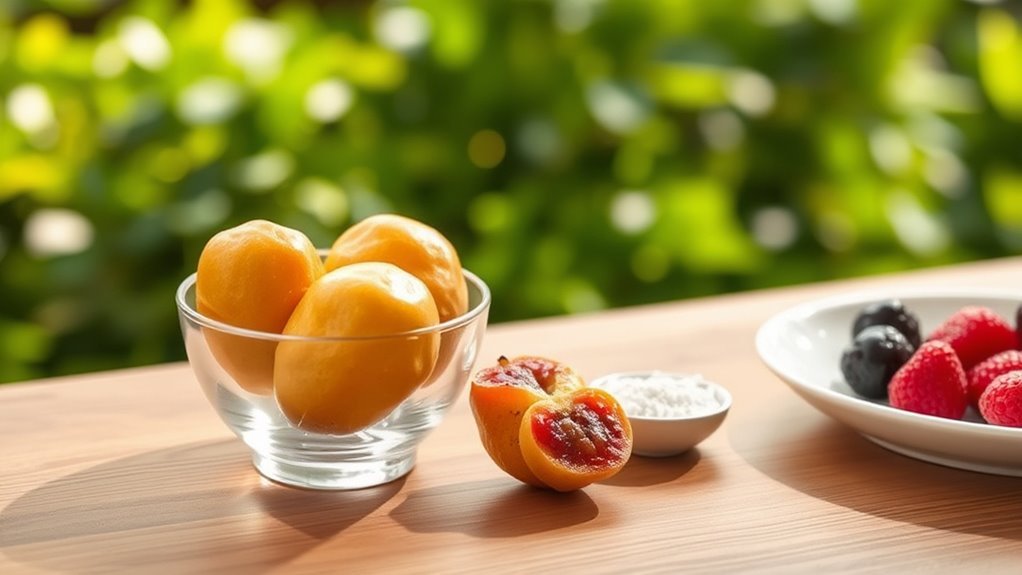

Yes, monk fruit is keto-friendly! It contains zero calories and carbohydrates, making it an excellent choice for your keto diet. Its natural sweetness comes from mogrosides, without raising blood sugar levels. This means you can enjoy delicious foods while sticking to your dietary goals. However, it’s important to choose pure monk fruit products and consider some potential drawbacks. If you want to learn more about its benefits and how to use it, just keep going!
What Is Monk Fruit?

Monk fruit, also known as Luo Han Guo, is a small green fruit native to southern China that’s gained popularity as a natural sweetener. You might appreciate monk fruit for its unique health benefits, as it contains mogrosides, which are natural compounds that provide sweetness without calories or carbs. This makes it a great option for those looking to reduce sugar intake or maintain a keto lifestyle. In culinary uses, monk fruit can replace sugar in various recipes, from beverages to baked goods, allowing you to enjoy your favorite treats without the guilt. Plus, its natural origins appeal to those seeking healthier alternatives in their diets. Embracing monk fruit can empower your choices while supporting overall well-being.
Nutritional Profile of Monk Fruit
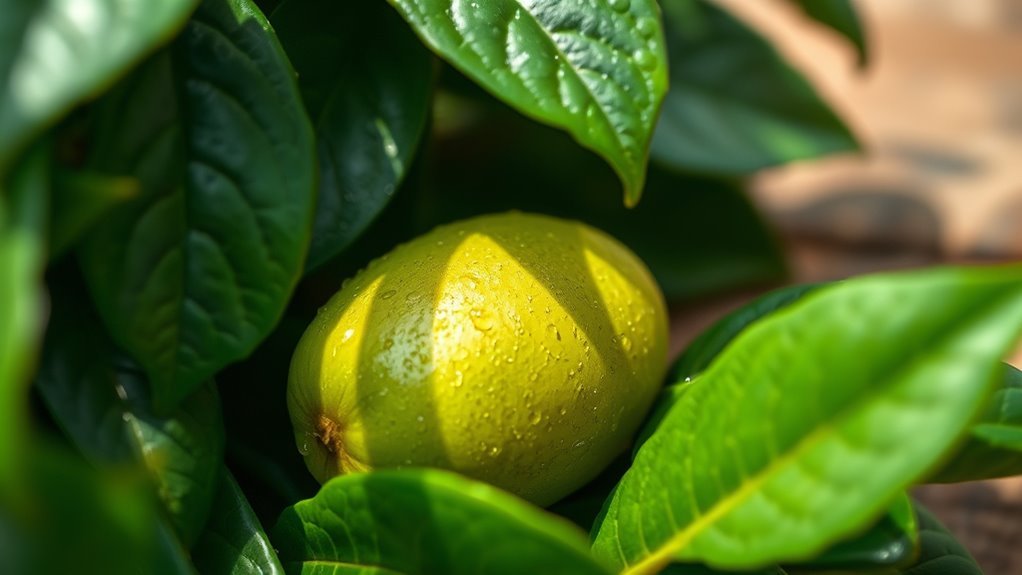
While many sweeteners pack calories and carbohydrates, monk fruit stands out for its remarkable nutritional profile. Derived from the monk fruit plant, its extract contains zero calories and carbohydrates, making it an excellent option for those following a keto diet. The primary component, mogrosides, offers sweetness without the caloric burden. Plus, monk fruit provides unique nutritional benefits, including antioxidant properties that may help combat inflammation and support overall health. Unlike traditional sweeteners, monk fruit doesn’t spike your blood sugar levels, allowing for better metabolic freedom. This makes it a popular choice for individuals seeking healthier alternatives without sacrificing sweetness. By incorporating monk fruit into your diet, you can enjoy flavorful dishes while maintaining your nutritional goals.
How Monk Fruit Compares to Sugar
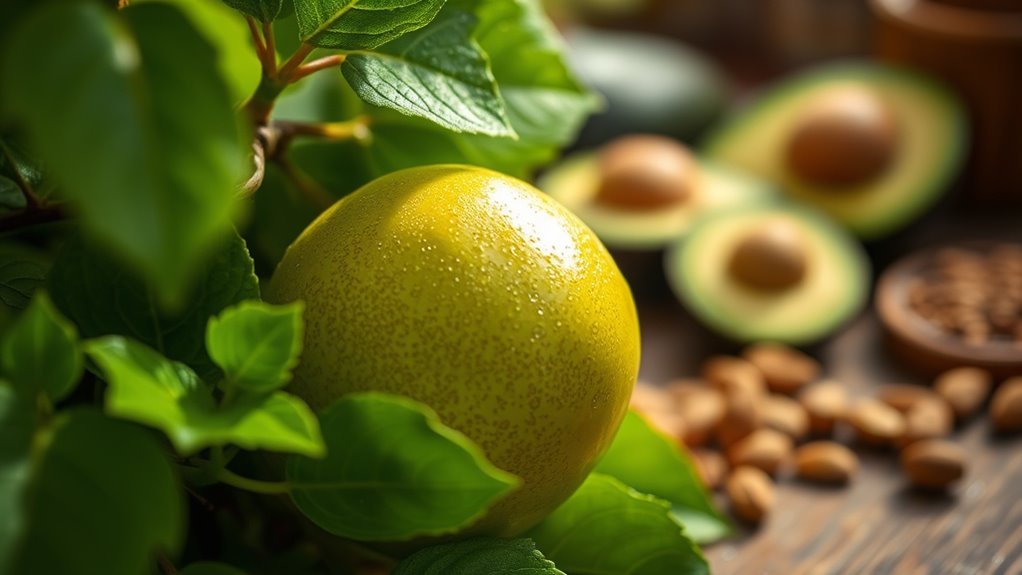
When it comes to sweeteners, monk fruit offers a striking contrast to traditional sugar. Unlike sugar, monk fruit is a natural sweetener that contains zero calories and doesn’t spike your blood sugar levels. Here’s how monk fruit stands out as a sugar alternative:
- Zero calories: Perfect for calorie-conscious diets.
- Low glycemic index: Safe for those monitoring blood sugar.
- Natural source: Derived from the monk fruit plant.
- Much sweeter: Requires less quantity for the same sweetness.
- No additives: Often free from artificial ingredients.
Incorporating monk fruit as a sugar alternative can enhance your meals without compromising health. It allows you the freedom to enjoy sweetness without the downsides of traditional sugar, making it an appealing option for many.
Benefits of Monk Fruit for a Keto Diet
For those following a keto diet, incorporating monk fruit can be a game-changer, as it aligns perfectly with the principles of low-carb eating. This natural sweetener offers numerous health benefits, including zero calories and a low glycemic index, making it an excellent choice for maintaining stable blood sugar levels. Unlike traditional sugars, monk fruit won’t kick you out of ketosis, ensuring your keto compatibility remains intact. Additionally, its antioxidant properties may support overall well-being, helping you feel your best while enjoying your favorite sweet flavors. By using monk fruit in your recipes, you can indulge without guilt, giving you the freedom to explore a variety of dishes while sticking to your dietary goals. Embrace monk fruit for a sweeter, healthier keto journey!
Potential Drawbacks of Monk Fruit
While monk fruit is often praised for its sweetness without calories, it’s important to contemplate potential drawbacks. Some people may experience allergic reactions, and although it’s generally safe for blood sugar levels, individual responses can vary. Additionally, taste preferences differ; not everyone may enjoy the flavor profile of monk fruit in their foods and beverages.
Possible Allergic Reactions
Although monk fruit is generally considered safe for most people, there are potential allergic reactions to be aware of. While monk fruit allergies are rare, they can occur, leading to various allergic symptoms. It is important to stay informed and pay attention to your body’s responses when trying new foods.
- Skin rashes or hives
- Swelling of the face, lips, or tongue
- Difficulty breathing or wheezing
- Gastrointestinal issues like nausea or diarrhea
- Headaches or dizziness
If you suspect you’re experiencing monk fruit allergies, it is wise to consult a healthcare professional. Being aware of these potential reactions allows you to enjoy monk fruit while prioritizing your health and well-being.
Blood Sugar Impact
When considering monk fruit as a sweetener, it’s important to understand its potential impact on blood sugar levels. Monk fruit has a glycemic index of zero, which suggests it won’t spike your blood sugar. This can be beneficial for those focused on blood sugar regulation, especially on a keto diet. However, individual responses vary, and some people may still experience fluctuations in blood sugar levels, particularly when consumed in large amounts or in combination with other ingredients. It’s vital to monitor how your body reacts and adjust accordingly. While monk fruit generally offers a safe alternative, maintaining awareness of your personal health and preferences guarantees you make choices that promote your freedom in dietary decisions.
Taste Preferences Vary
Taste preferences can vary widely among individuals, and this is especially true when it comes to sweeteners like monk fruit. While many people enjoy its unique flavor, others might find it less appealing compared to traditional sugars or other alternatives. Here are some factors to evaluate:
- Flavor Profile: Monk fruit has a distinct taste that some might find odd.
- Aftertaste: A few users report a lingering aftertaste that can be off-putting.
- Baking Qualities: It may not perform well in all recipes, affecting texture and taste.
- Sweetness Level: Its sweetness can be perceived differently based on individual choices.
- Adaptation: You might need time to adjust to the change from sugar.
Ultimately, your taste preferences will guide your choices.
How to Use Monk Fruit in Keto Recipes
If you’re looking to sweeten your keto recipes without the carbs, monk fruit is an excellent choice that offers a natural, low-calorie alternative to sugar. You can use monk fruit in various forms, like granulated or liquid, making it versatile for baking or cooking. When substituting it for sugar, remember that monk fruit is much sweeter—usually 150-200 times sweeter—so adjust the amount accordingly; a little goes a long way. It works well in desserts, smoothies, and even savory dishes. Just keep an eye on the overall sweetness of your recipe to maintain balance. Whether you’re making keto brownies or salad dressings, monk fruit can help you enjoy delicious flavors while sticking to your low-carb lifestyle.
Other Keto-Friendly Sweeteners
When you’re exploring sweeteners for a keto diet, you’ll find several popular options beyond monk fruit. It’s important to contemplate both natural and artificial sweeteners, as well as their varying sweetness levels. Understanding these factors can help you choose the best alternative that fits your taste and dietary needs.
Popular Keto Sweeteners
While monk fruit is a popular choice for those on a keto diet, it’s far from the only sweetener available for satisfying your sweet tooth without kicking you out of ketosis. You’ve got some great sweetener alternatives for keto baking that can help you stay on track while enjoying delicious treats. Here are a few to take into account:
- Erythritol
- Stevia
- Allulose
- Xylitol
- Sucralose
These options not only provide sweetness but also have minimal impact on blood sugar levels. Each one has its unique flavor profile and uses, so experiment to find what works best for your recipes. With these alternatives, you can indulge your cravings without compromising your keto lifestyle. Enjoy the freedom of guilt-free sweetness!
Natural vs. Artificial Options
As you navigate the world of keto-friendly sweeteners, understanding the distinction between natural and artificial options can greatly impact your diet. Natural alternatives like monk fruit, stevia, and erythritol are derived from plant sources and often provide a cleaner taste profile without the calories. These sweeteners are generally considered safe, especially when consumed in moderation. On the other hand, artificial sweeteners, such as aspartame and sucralose, may pose potential health risks and raise concerns about long-term sweetener safety. While they can be lower in calories, their synthetic nature could affect your overall well-being. Ultimately, choosing the right sweetener depends on your personal preferences and health goals, allowing you the freedom to enjoy your keto lifestyle without compromising on flavor.
Sweetness Levels Comparison
How do the sweetness levels of keto-friendly sweeteners compare? Understanding the sweetness scale can help you choose the right one for your taste and dietary needs. Here’s how some common options stack up:
- Monk Fruit: 150-200 times sweeter than sugar, with a mild flavor profile.
- Stevia: 50-300 times sweeter, often with a slight aftertaste.
- Erythritol: About 70% as sweet as sugar, with no aftertaste.
- Xylitol: Similar sweetness to sugar, but can have digestive effects.
- Allulose: About 70% as sweet as sugar, mimics sugar’s flavor profile closely.
Each sweetener has its own unique attributes, so experiment to find what suits your palate best while keeping your keto lifestyle intact!
Tips for Choosing Monk Fruit Products
When you’re on the hunt for monk fruit products, what should you keep in mind to guarantee you’re making the best choice? Start by checking the product labeling; look for pure monk fruit extract without fillers or artificial sweeteners. Researching the brand’s reputation can also inform your monk fruit selection. Here’s a quick table to help you navigate your choices:
| Feature | What to Look For | Why It Matters |
|---|---|---|
| Purity | 100% Monk Fruit | Assures no additives |
| Sweetness Ratio | 100-300 times sweeter | Understand sweetness level |
| Certification | Organic/Non-GMO | Supports health choices |
Frequently Asked Questions about Monk Fruit and Keto
1. What is monk fruit and is it keto-friendly?
Monk fruit, also known as Luo Han Guo, is a small green gourd native to southern China. It is often used as a natural sweetener because it contains mogrosides, which are compounds that provide sweetness without calories. Monk fruit is keto-friendly as it has a glycemic index of zero, meaning it does not raise blood sugar levels, making it suitable for those following a ketogenic diet.
2. How does monk fruit compare to other sweeteners on a keto diet?
Monk fruit is often compared to other low-carb sweeteners like stevia and erythritol. While all three are low in calories and carbs, monk fruit stands out due to its natural sweetness and lack of aftertaste, which some users experience with stevia. Additionally, unlike erythritol, monk fruit does not cause digestive issues for many people, making it a preferable option for those on a keto diet.
3. Can monk fruit be used in baking on a keto diet?
Yes, monk fruit can be used in baking. It is heat-stable, which means it retains its sweetness when exposed to high temperatures. When substituting monk fruit for sugar in baking, it’s important to consider the sweetness level, as monk fruit is much sweeter than sugar. Most brands offer conversion charts, but a common ratio is 1 cup of sugar to 1/4 cup of monk fruit sweetener.
4. Are there any health benefits of using monk fruit on a keto diet?
Monk fruit sweetener is rich in antioxidants due to its mogrosides, which may help reduce inflammation and provide various health benefits. Additionally, using monk fruit as a sugar substitute can help individuals reduce their overall sugar intake, which is beneficial for weight management and blood sugar control, aligning well with the goals of a ketogenic diet.
5. Are there any potential downsides to using monk fruit?
While monk fruit is generally considered safe and well-tolerated, some people may experience allergic reactions or gastrointestinal discomfort when consuming it in large amounts. Additionally, commercially available monk fruit sweeteners may contain other sweeteners or fillers, so it’s important to check the ingredient list if you are sensitive to certain additives. Choosing pure monk fruit extract can help mitigate these concerns.
References
- https://www.ncbi.nlm.nih.gov/pmc/articles/PMC6421855/
- https://www.healthline.com/nutrition/monk-fruit
- https://www.webmd.com/diet/health-benefits-monk-fruit
- https://www.journalofclinicalnutrition.org/content/early/2016/05/18/jcn.2016.134
- https://www.mayoclinic.org/healthy-lifestyle/nutrition-and-healthy-eating/expert-answers/monk-fruit/faq-20450557
- https://www.usda.gov/
- https://www.cdc.gov/healthyweight/healthy_eating/index.html
- https://www.verywellfit.com/what-is-monk-fruit-5196190