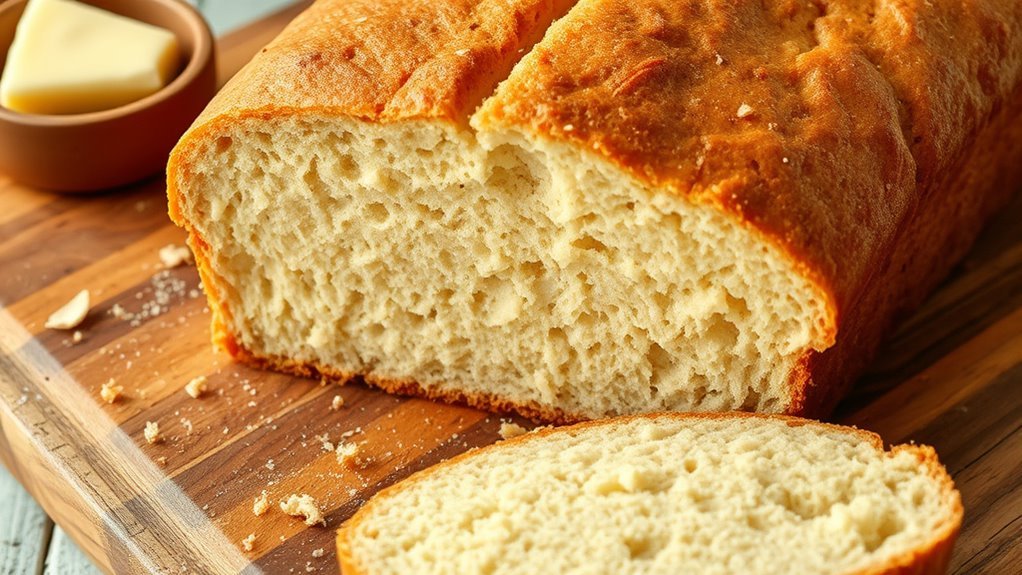

Keto bread is indeed low in carbohydrates, making it suitable for a ketogenic diet. It’s made from ingredients like almond flour and coconut flour, which provide healthy fats, protein, and fiber while keeping carb counts low. Compared to traditional bread, which is high in carbs, keto bread supports your health-conscious choices without compromising on taste. Just be mindful of hidden sugars and portions. If you’re curious about optimizing your keto bread choices further, you’ll find more insights ahead.
Understanding Keto Bread Ingredients
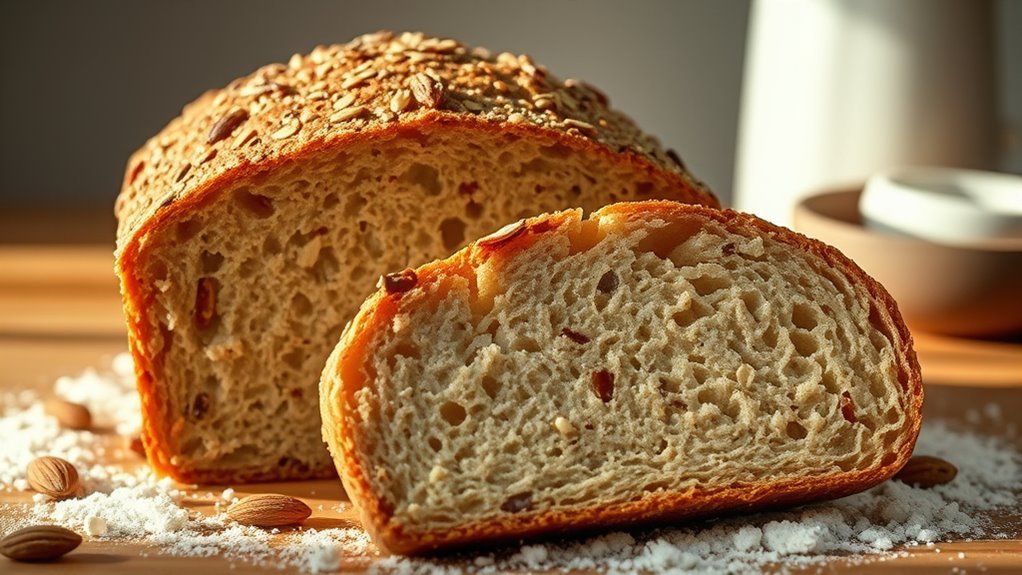
When you’re diving into the world of keto bread, it’s essential to understand the ingredients that set it apart from traditional bread. Unlike regular bread, which often contains high-carb wheat flour, keto bread typically uses low-carb alternatives like almond flour and coconut flour. Almond flour is rich in healthy fats and protein, giving your bread a moist texture and a nutty flavor. On the other hand, coconut flour is high in fiber, absorbing moisture effectively and providing a lighter, airy consistency. These ingredients not only help you maintain your ketogenic lifestyle but also allow for creativity in baking. Ultimately, knowing these key components empowers you to choose or create keto bread that fits your dietary needs without sacrificing taste.
Nutritional Breakdown of Keto Bread
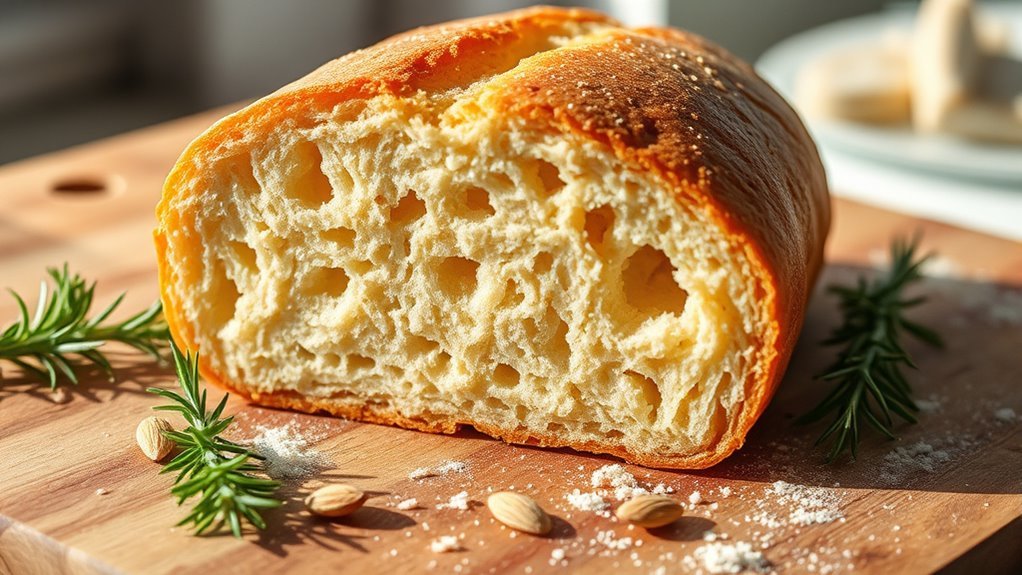
Keto bread offers a unique nutritional profile that appeals to those on a low-carb diet. Unlike traditional bread, keto bread typically boasts higher nutrient density, meaning it packs more vitamins and minerals into fewer calories. You’ll often find ingredients like almond flour or coconut flour, which contribute healthy fats and protein while keeping carbs low.
One significant advantage is the fiber content, which can aid digestion and enhance satiety, helping you feel fuller for longer. Many keto breads also contain added seeds or nuts, boosting both fiber and nutrient density. Ultimately, by choosing keto bread, you’re making a conscious choice for your health while enjoying the flexibility that fits your lifestyle. It’s a delicious way to maintain your low-carb journey.
Comparing Keto Bread to Traditional Bread
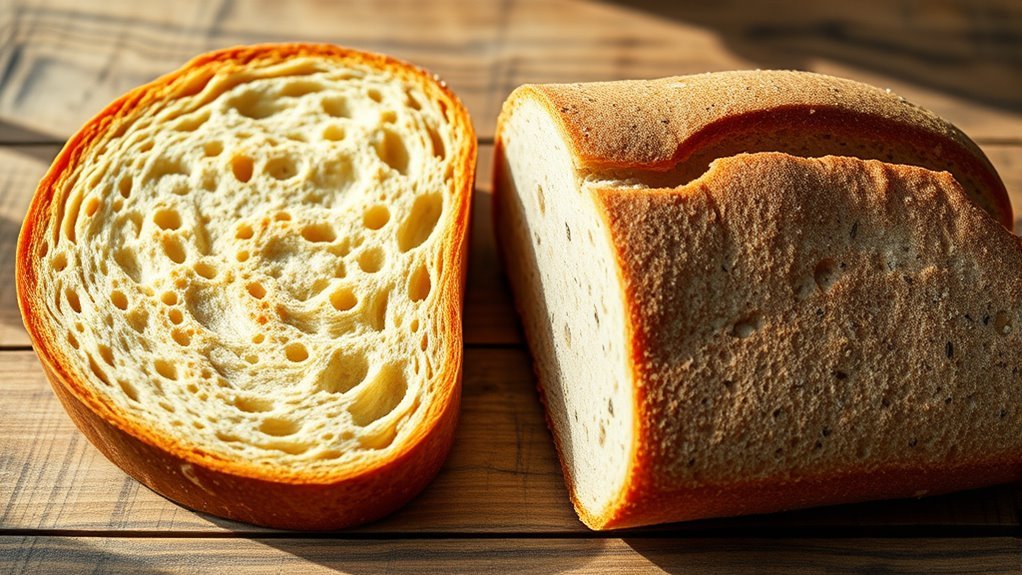
While traditional bread has long been a staple in many diets, its composition starkly contrasts with that of keto bread. Traditional bread primarily consists of high-carb ingredients like wheat flour, leading to significant increases in blood sugar levels. In contrast, keto bread is crafted from low-carb alternatives, making it suitable for those on a ketogenic diet.
| Feature | Keto Bread | Traditional Bread |
|---|---|---|
| Carbohydrates | Low (1-5g per slice) | High (15-30g per slice) |
| Fiber Content | Often higher | Generally lower |
| Protein Content | Higher | Lower |
The Impact of Keto Bread on Ketosis
Although many people enjoy the taste and texture of bread, it can be challenging to maintain a state of ketosis, especially if you indulge in traditional varieties. Keto bread offers a potential solution, as it’s often made with low-carb ingredients like almond flour or coconut flour. This can help you enjoy your favorite meals without derailing your ketosis. However, it’s important to read labels carefully. Some keto breads may still contain hidden sugars or higher carb counts than you expect, which could impact ketosis effects. Ultimately, while keto bread can be a valuable addition to your diet, moderation and mindfulness are vital. By making informed choices, you can savor the flavor without sacrificing your ketogenic lifestyle.
Tips for Choosing the Right Keto Bread
How can you guarantee you’re picking the right keto bread? Start by examining the ingredient list. Look for quality flour alternatives like almond flour, coconut flour, or flaxseed meal, as these are lower in carbs. It’s also essential to check the fiber content; higher fiber means less impact on your blood sugar levels, keeping you in ketosis.
Here’s a quick comparison table to help you:
| Flour Alternative | Fiber Content (per 100g) |
|---|---|
| Almond Flour | 12g |
| Coconut Flour | 40g |
| Flaxseed Meal | 27g |
Frequently Asked Questions about Keto Bread
1. What is keto bread?
Keto bread is a type of bread that is low in carbohydrates and high in healthy fats, designed specifically for those following a ketogenic diet. Unlike traditional bread, which is made with wheat flour and contains a high amount of carbs, keto bread typically uses ingredients such as almond flour, coconut flour, and other low-carb alternatives to achieve a bread-like texture without compromising ketosis.
2. Is keto bread really low in carbs?
Yes, keto bread is designed to be low in carbohydrates. The specific carb content can vary based on the recipe or brand, but typically, keto breads contain 1 to 3 grams of net carbs per slice, making them suitable for a ketogenic diet. It’s important to check nutritional labels or recipes to verify the carb content, as some brands may include added sugars or high-carb ingredients that can increase the overall carb count.
3. Can I make keto bread at home?
Absolutely! Making keto bread at home is quite simple and allows you to control the ingredients and flavors. Common recipes use almond flour, coconut flour, eggs, and baking powder. There are numerous recipes available online that cater to different tastes and preferences, including savory and sweet options. Homemade keto bread can be a healthier alternative to store-bought versions, as you can avoid preservatives and additives.
4. Does keto bread taste like regular bread?
Keto bread may not taste exactly like traditional bread, but many people find it to be a delicious alternative. The taste and texture can vary significantly depending on the recipe and ingredients used. Some types of keto bread have a denser texture, while others can be quite fluffy. It often works well as a base for sandwiches or toast, particularly when paired with keto-friendly toppings like avocado, cheese, or nut butter.
5. Are there any health benefits to eating keto bread?
Yes, keto bread can offer several health benefits, especially for those on a ketogenic diet. It is typically higher in healthy fats and protein, which can help keep you satiated and support muscle maintenance. Additionally, many keto bread recipes include ingredients high in fiber, which can aid digestion. However, it’s essential to consume keto bread in moderation and as part of a balanced diet to reap the full benefits.
References
- https://www.ncbi.nlm.nih.gov/pmc/articles/PMC7311302/
- https://www.healthline.com/nutrition/keto-bread
- https://www.medicalnewstoday.com/articles/what-is-keto-bread
- https://www.verywellfit.com/what-is-keto-bread-5191954
- https://www.ketogenic.com/keto-bread-ideas/
- https://www.bbcgoodfood.com/howto/guide/what-keto-diet
- https://www.sciencedirect.com/science/article/abs/pii/S2211124719301560