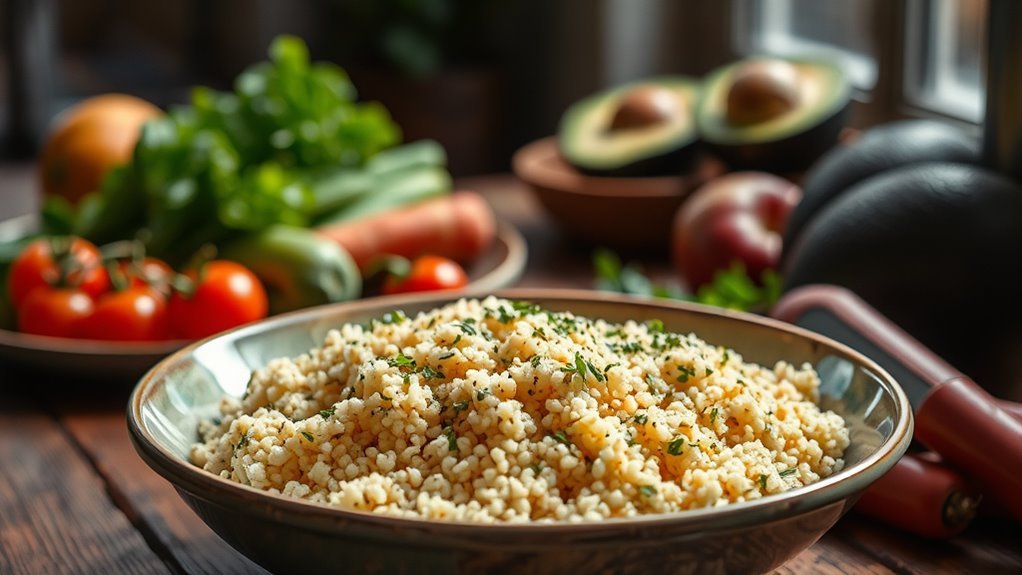

Couscous isn’t considered keto-friendly due to its high carbohydrate content, which typically contains around 36 grams of carbs per serving. Eating couscous can disrupt ketosis, making it unsuitable for strict ketogenic diets. While it’s a nutritious food that offers energy and essential nutrients, moderation is key. You can enjoy it in smaller portions or consider low-carb substitutes for a more keto-appropriate meal. If you want to explore alternatives and tips, there’s more to discover.
Understanding Couscous: What Is It?
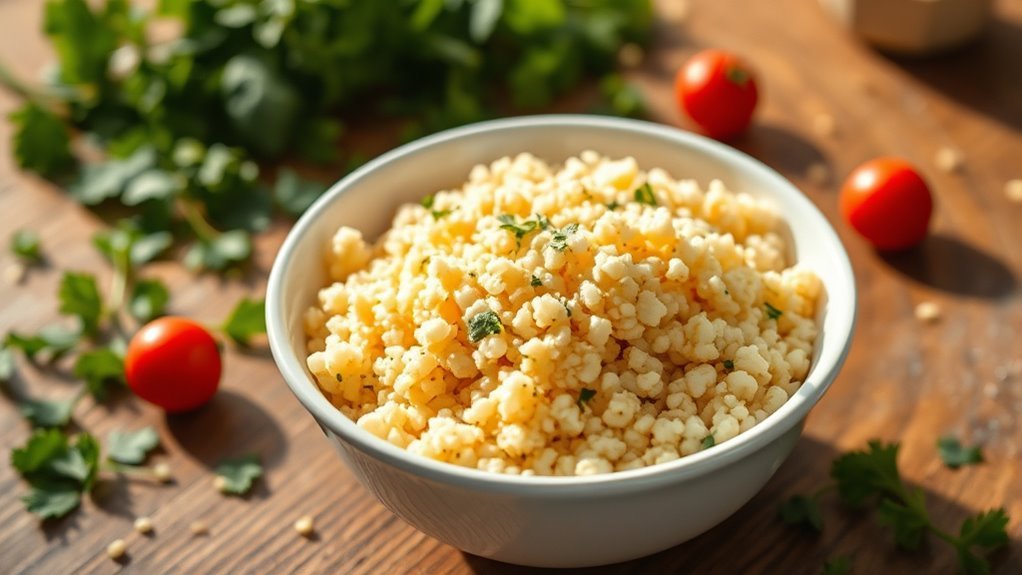
Couscous, often mistaken for a grain, is actually a type of pasta made from semolina wheat. Its history dates back to North Africa, where it’s been a staple food for centuries. Traditionally, couscous is steamed and served with various dishes, showcasing its versatility in culinary uses. You can pair it with vegetables, meats, or sauces, making it a popular choice in many cuisines. In Moroccan culture, for instance, it’s often the centerpiece of communal meals. Its light, fluffy texture allows it to absorb flavors well, enhancing any dish. As you explore couscous, you’ll find that its rich heritage and adaptability make it a fascinating ingredient in modern cooking, offering a taste of history on your plate.
Nutritional Profile of Couscous
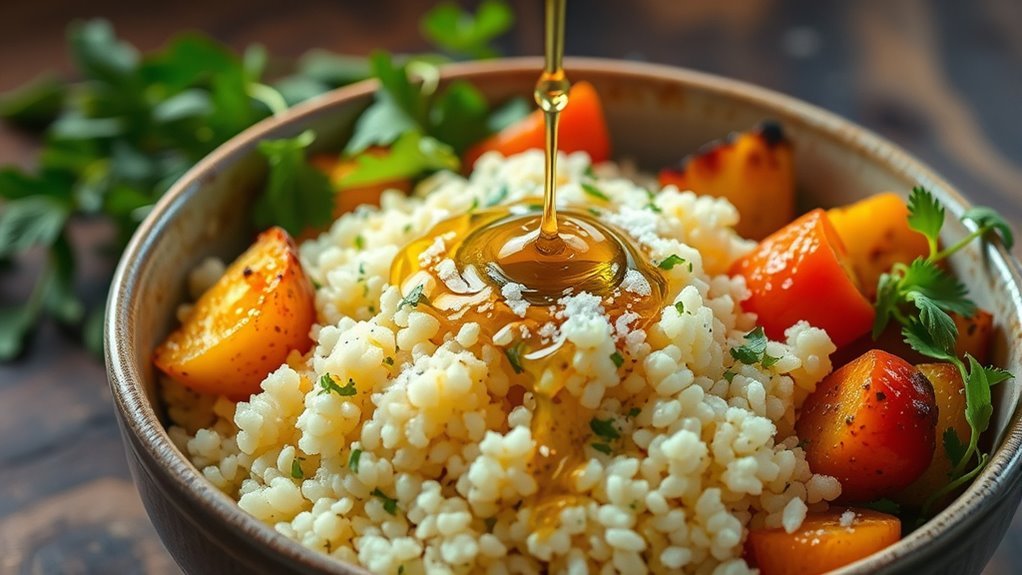
When considering the nutritional profile of couscous, it’s important to note that this pasta alternative is primarily composed of carbohydrates. Originating from North Africa, couscous is made from semolina wheat, which provides a source of energy. While it isn’t low in carbs, couscous does offer some health benefits, including protein and fiber, which can aid digestion and promote satiety. Additionally, it contains essential nutrients like B vitamins and minerals such as iron and magnesium. These elements can contribute to overall health and well-being. However, it’s vital to remember that for those following a ketogenic diet, the carb content may pose challenges. Understanding couscous’ nutritional aspects can help you make informed dietary choices.
Carb Content and Its Implications for Keto
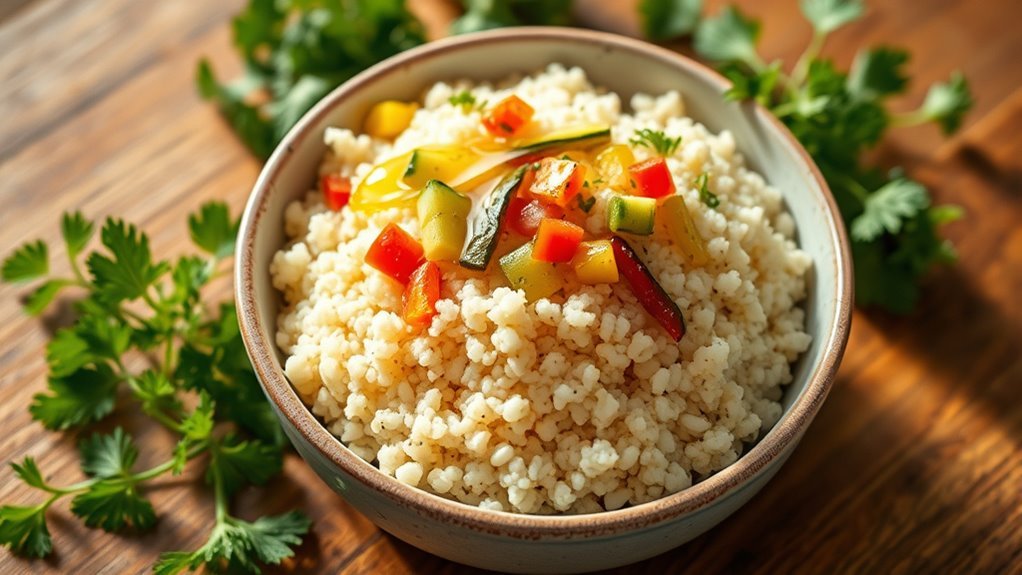
If you’re following a ketogenic diet, understanding the carb content of couscous is essential. Couscous, originating from North Africa, is a staple made from semolina wheat, and it’s known for its versatility in various culinary uses. A typical serving contains around 36 grams of carbohydrates, which can notably impact your daily carb allowance on keto. While its light texture and ability to absorb flavors make it a popular choice, this high carb content may not align with your keto goals. If you’re craving freedom in your dietary choices, consider alternatives like cauliflower rice or zucchini noodles instead, which offer similar textures with far fewer carbs. Staying informed helps you make choices that fit your lifestyle while maintaining ketosis.
How Couscous Affects Ketosis
Couscous is primarily made from wheat, which means it has a high carbohydrate content that can impact your state of ketosis. Consuming it can potentially kick you out of ketosis, as the body may switch back to burning glucose for energy instead of fat. Understanding the carb content is essential if you’re aiming to maintain ketosis while planning your meals.
Carb Content Analysis
Although many people enjoy couscous for its versatility and flavor, its carbohydrate content can pose challenges for those aiming to maintain ketosis. Traditional couscous, typically made from durum wheat, contains about 36 grams of carbs per cooked cup. This can greatly impact your daily carb allowance on a keto diet. While there are couscous varieties like whole wheat or even gluten-free options, they still generally contain high carbohydrate levels. If you’re looking for dietary alternatives, consider cauliflower rice or zoodles, which are much lower in carbs and can provide a similar texture. Ultimately, if you’re committed to keto, you’ll need to carefully evaluate how couscous fits into your meal plan and explore better alternatives to stay in ketosis.
Impact on Ketosis
When considering the impact of couscous on ketosis, it’s important to recognize that its high carbohydrate content can quickly disrupt your state of ketosis. Consuming couscous can lead to elevated insulin levels, which hinders fat burning and can knock you out of ketosis. If you’re committed to maintaining this metabolic state, it’s wise to explore couscous alternatives that align better with a keto lifestyle. Options like cauliflower rice, zucchini noodles, or shirataki noodles serve as excellent keto substitutes, providing the texture you might crave without the carbs. By making these swaps, you can enjoy satisfying meals while staying true to your dietary goals, giving you the freedom to indulge without compromising your ketosis.
Comparing Couscous With Other Grains
While many people enjoy grains for their versatility and texture, not all grains are created equal, especially when it comes to a ketogenic diet. Couscous, though often perceived as a healthy option, is actually high in carbohydrates, making it less suitable for keto. In grain comparisons, quinoa and brown rice also fall short due to their carb content. However, you can explore couscous alternatives like cauliflower rice or zucchini noodles, which provide the texture you might miss while keeping your carb count low. Understanding these differences can empower you to make informed choices that align with your dietary goals, allowing you the freedom to enjoy meals without sacrificing your keto lifestyle.
Keto-Friendly Alternatives to Couscous
If you’re looking to replace couscous in your meals without sacrificing flavor or texture, several keto-friendly alternatives can help you stay on track. Here are some great couscous substitutes that are also low carb grains:
| Couscous Substitute | Carbs per 100g |
|---|---|
| Riced Cauliflower | 3g |
| Zucchini Noodles | 3g |
| Shirataki Noodles | 1g |
These options not only provide a similar texture but also keep your carb intake low. Riced cauliflower is particularly popular due to its versatility, while zucchini noodles add a fresh twist. By incorporating these alternatives, you can enjoy delicious meals while adhering to your keto lifestyle. Embrace these substitutes and savor the freedom of flavorful dining!
Tips for Incorporating Couscous in Moderation
If you’re looking to enjoy couscous while sticking to a keto-friendly lifestyle, portion control is key. Combining it with low-carb vegetables and flavorful keto sauces can enhance your meal while keeping carbs in check. By being mindful of your servings and pairing it wisely, you can savor couscous without straying from your dietary goals.
Portion Control Strategies
Incorporating couscous into a low-carb diet can be a challenge, but with mindful portion control, it’s possible to enjoy this versatile grain in moderation. To start, consider using smaller portion sizes, such as a quarter or half-cup, which can help you manage your carb intake while still savoring the flavor. Meal prep is a great strategy; cook a batch of couscous and divide it into individual servings for easy access. This not only helps with portion control but also prevents overindulgence. Pairing couscous with protein-rich foods or plenty of vegetables can enhance the meal’s nutritional profile without drastically increasing carbs. Remember, moderation is key, and finding the right balance allows you the freedom to enjoy couscous without compromising your goals.
Combine With Low-Carbs
To enjoy couscous while sticking to a low-carb diet, combining it with low-carb ingredients can make a significant difference. Here are three tips to help you incorporate couscous in moderation:
- Mix with low-carb vegetables: Tossing couscous with zucchini, cauliflower, or spinach adds volume and nutrients while keeping carbs low.
- Use couscous alternatives: Consider options like cauliflower rice or shirataki noodles, which provide similar textures without the carb load.
- Pair with protein: Combine couscous with lean proteins like chicken, fish, or legumes, which can help balance your meal and keep you satisfied longer.
Flavorful Keto Sauces
While couscous can be high in carbs, using flavorful keto sauces can enhance your meals without compromising your diet. By incorporating a variety of sauces, you can enjoy delicious flavor pairings that complement the dish while keeping your carb count in check. Here are some sauce varieties you might consider:
| Sauce Variety | Flavor Pairing |
|---|---|
| Pesto | Grilled chicken |
| Creamy garlic sauce | Roasted vegetables |
| Spicy tahini | Zucchini noodles |
| Lemon herb dressing | Fish or seafood |
| Coconut curry sauce | Cauliflower rice |
Choosing the right keto sauces can transform your couscous into a satisfying meal, allowing you to savor each bite while maintaining your keto lifestyle. Experiment and find your favorites!
Recipes Featuring Low-Carb Grain Substitutes
If you’re looking to enjoy grain-like dishes on a keto diet, there are several low-carb substitutes that can satisfy your cravings without derailing your goals. Here are three excellent couscous alternatives you can try:
- Cauliflower Rice: This versatile option is low in carbs and can be seasoned to mimic the texture and flavor of couscous.
- Shirataki Rice: Made from konjac root, this rice substitute is virtually calorie-free and can absorb flavors beautifully, making it a fantastic addition to your meals.
- Zucchini Noodles: Spiralized zucchini offers a grain-like texture and pairs well with a variety of sauces, giving you the freedom to create delicious low-carb dishes.
Experimenting with these low carb grains can keep your meals satisfying and aligned with your keto lifestyle.
The Role of Portion Control in a Keto Diet
Understanding portion sizes is essential when you’re following a keto diet, as even low-carb foods can add up quickly. Balancing your macronutrient intake helps you stay within your carbohydrate limits while optimizing fat and protein consumption. By being mindful of portions, you can enjoy a variety of foods without compromising your keto goals.
Understanding Portion Sizes
How can portion control impact your success on a keto diet? Understanding portion sizes is essential to maintaining ketosis while enjoying your meals. Here are three key points to take into account:
- Mindful Eating: By adhering to serving suggestions, you’ll prevent overeating and guarantee you stay within your carb limits.
- Balanced Meals: Correct portion sizes help you balance your plate with healthy fats, proteins, and low-carb vegetables, supporting overall wellbeing.
- Sustained Energy: Properly sized servings can help stabilize blood sugar levels, preventing energy crashes and cravings.
Embracing portion control not only empowers you to enjoy a variety of foods but also keeps your keto journey enjoyable and sustainable. Remember, it’s about finding freedom within your choices!
Balancing Macronutrient Intake
While you might be tempted to focus solely on carb restriction in a keto diet, balancing macronutrient intake is vital for achieving and maintaining ketosis. Following keto guidelines, you should aim for a diet high in healthy fats, moderate in proteins, and very low in carbs. This macronutrient balancing helps your body efficiently burn fat for energy.
Portion control plays an important role here. Even if you stick to low-carb foods, overeating can stall your progress. Focusing on quality fats, such as avocados and olive oil, along with adequate protein from sources like fish and poultry, guarantees you’re not just cutting carbs but also nourishing your body. Embrace this balanced approach for long-lasting keto success.
Final Thoughts on Couscous and Keto
As you explore the relationship between couscous and a ketogenic diet, it’s important to recognize that couscous is primarily made from semolina, which is high in carbohydrates. This makes it less suitable for keto meal planning. However, you can still enjoy delicious meals by considering couscous alternatives. Here are three options:
Couscous is high in carbs, making it unsuitable for keto, but there are tasty alternatives to enjoy.
- Cauliflower Rice: Low in carbs and versatile, it can easily absorb flavors from your favorite dishes.
- Zucchini Noodles: A great pasta substitute, they’re low-carb and can be used in various recipes.
- Shirataki Noodles: Made from konjac, these are virtually calorie-free and ideal for keto.
Ultimately, while couscous isn’t a keto-friendly option, you have plenty of alternatives to maintain your dietary freedom.
Frequently Asked Questions about Couscous and the Keto Diet
1. Is couscous considered keto-friendly?
Couscous is not considered keto-friendly due to its high carbohydrate content. Made from semolina wheat, couscous contains approximately 36 grams of carbohydrates per cooked cup, which is significantly higher than the recommended daily carb intake on a ketogenic diet. For those following a strict keto regimen, alternatives like cauliflower rice or zucchini noodles are more suitable options.
2. What are the carbohydrate contents of couscous?
A standard serving of cooked couscous (about 1 cup) contains approximately 36 grams of carbohydrates, with around 2 grams of fiber. This results in a net carb count of about 34 grams, which is too high for individuals adhering to a ketogenic diet that typically limits daily carbs to 20-50 grams.
3. Are there low-carb alternatives to couscous?
Yes, there are several low-carb alternatives to couscous that are more compatible with the keto diet. Popular options include cauliflower rice, which has only about 5 grams of carbohydrates per cup, and shirataki noodles made from konjac yam, which are nearly zero-calorie and carb-free. These substitutes can provide a similar texture and bulk to meals without the excess carbs.
4. Can I eat couscous in moderation on a keto diet?
While it is technically possible to include couscous in moderation, it is generally not advisable for those strictly following a keto diet. Even small servings can quickly consume a large portion of your daily carb allowance, making it difficult to remain in ketosis. If you choose to indulge, consider portion control and balance it with lower-carb foods throughout the day.
5. What are the health benefits of couscous?
Couscous, while not keto-friendly, offers several health benefits. It is a good source of plant-based protein and contains important vitamins and minerals such as selenium, B vitamins, and iron. Additionally, couscous is low in fat and can be a quick and easy meal option. However, its high carbohydrate content makes it better suited for balanced diets rather than ketogenic ones.
References
- https://www.healthline.com/nutrition/keto-diet-food-list
- https://www.ncbi.nlm.nih.gov/pmc/articles/PMC6470866/
- https://www.webmd.com/diet/what-is-the-keto-diet
- https://www.dietdoctor.com/low-carb/keto
- https://www.nutrition.gov/topics/nutrition-basics/carbohydrates
- https://www.bbcgoodfood.com/howto/guide/what-couscous
- https://www.eatright.org/health/lifestyle/culture-and-tradition/the-health-benefits-of-couscous
- https://www.medicalnewstoday.com/articles/322771