

On a ketogenic diet, you should limit your daily carbohydrate intake to between 20 and 50 grams of net carbs. This range helps you achieve and maintain ketosis, where your body burns fat for energy. Factors like your activity level, metabolic health, and weight loss goals can influence your exact carb needs. By managing your carb intake effectively, you can enjoy the benefits of a keto lifestyle. There’s more to uncover about balancing carbs and fats for ideal results.
Understanding the Ketogenic Diet

When you’re exploring the ketogenic diet, it’s essential to grasp its foundational principles. At its core, the keto fundamentals revolve around considerably reducing carbohydrate intake while increasing healthy fats. This shift encourages your body to enter a metabolic state known as ketosis, where it burns fat for energy. According to dietary guidelines, a typical keto plan consists of about 70-75% fats, 20-25% protein, and only 5-10% carbohydrates. This balance can lead to improved energy levels and mental clarity for many. Remember, though, that personal needs may vary, and it’s important to tailor your approach. Understanding these basics will empower you to navigate the ketogenic lifestyle with confidence and freedom.
The Science of Carbohydrate Intake

When you’re following a ketogenic diet, understanding carb limits is essential for achieving and maintaining ketosis. Your energy levels can fluctuate based on how many carbs you consume, and it’s important to recognize that individual needs can vary greatly. By exploring these aspects, you can better tailor your carb intake to support your unique health goals.
Carb Limits on Keto
Although individual carbohydrate needs can vary, understanding the general limits on a ketogenic diet is essential for achieving and maintaining ketosis. Typically, keeping your carb intake between 20 to 50 grams per day can help you reach this state, depending on your unique metabolism and activity level. Focus on low-carb sources like leafy greens, nuts, and seeds, as these provide essential nutrients without spiking your blood sugar. Additionally, considering carb timing can be beneficial; consuming carbs around workouts may help some individuals maintain energy levels while still adhering to keto. Ultimately, it’s about finding what works best for you within these guidelines, allowing you the freedom to enjoy your meals without compromising your dietary goals.
Ketosis and Energy Levels
Achieving ketosis involves more than just limiting carbohydrate intake; it also greatly impacts your energy levels. When your body switches from glucose to fat as its primary energy source, you may experience various ketosis benefits, including improved mental clarity and sustained energy. Here’s a quick comparison of energy sources:
| Energy Source | Benefits |
|---|---|
| Carbohydrates | Quick energy, easy access |
| Fats | Long-lasting, stable energy |
| Protein | Muscle preservation |
| Ketones | Enhanced brain function |
Understanding these energy sources helps you appreciate how ketosis can transform your energy dynamics. As you adapt to this new fuel system, you’ll likely notice a steady energy release, allowing for greater freedom in your daily activities.
Individual Variability in Intake
While many people follow the ketogenic diet with a standard carbohydrate limit of 20 to 50 grams per day, individual needs can vary considerably based on factors like age, activity level, and metabolic health. Your individual preferences play a significant role in determining the right carb intake for you. For instance, if you’re more active, you might tolerate slightly higher carbs without exiting ketosis. Additionally, genetic influences can affect how your body processes carbohydrates, leading to different ideal levels for everyone. It’s essential to listen to your body and adjust your intake accordingly. Ultimately, finding the right balance allows you the freedom to enjoy your keto journey while still achieving your health goals.
Recommended Daily Carb Limits for Women
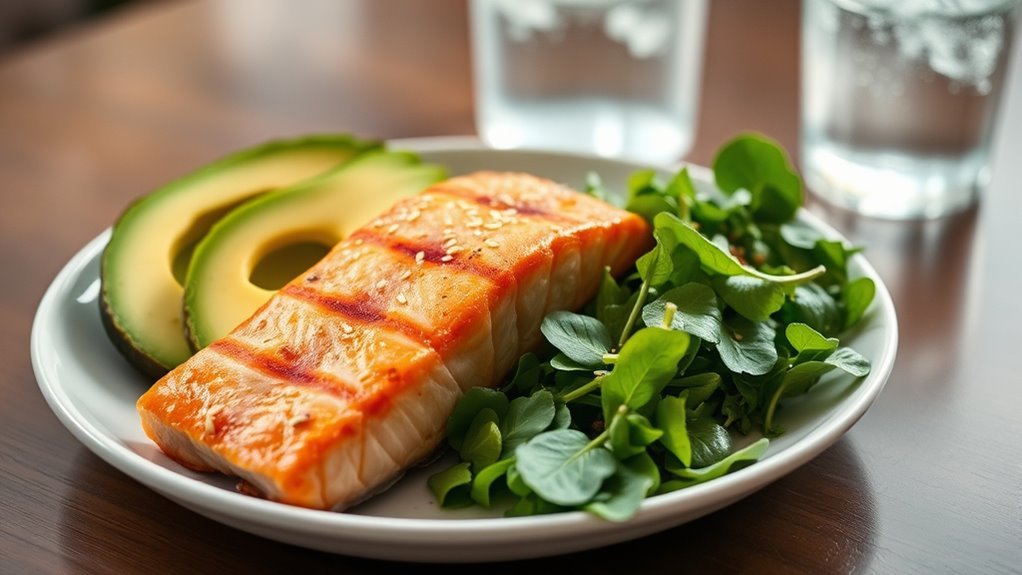
When you’re evaluating a ketogenic diet, understanding the recommended daily carb limits for women is essential for achieving your health goals. Generally, women should aim for 20 to 50 grams of net carbs per day to maintain ketosis. However, you can enjoy some keto flexibility and adjust these limits based on your activity level, metabolism, and personal preferences. Here are some key points to take into account:
- Start with a lower carb intake for better ketosis.
- Experiment with carb cycling for variety.
- Monitor your body’s response to carb intake.
- Focus on whole, nutrient-dense foods.
- Stay hydrated and maintain electrolytes.
Factors Influencing Carb Needs
Your daily carbohydrate needs on a keto diet can vary based on several factors, including your activity level, metabolic health, and weight loss goals. If you’re more active, you might require slightly more carbs to fuel your workouts. Understanding how these elements interact can help you tailor your carb intake for best results.
Activity Level
Understanding your activity level is vital for determining how many carbs you might need on a keto diet. Your carb needs can vary considerably based on your lifestyle, and it’s important to take into account:
- Exercise intensity: High-intensity workouts require more carbohydrates for ideal performance.
- Workout duration: Longer sessions may lead to increased energy expenditure, impacting carb needs.
- Recovery nutrition: Post-workout nutrition can help replenish glycogen stores.
- Physical activity: Daily movement levels influence overall energy requirements.
- Carb cycling: This strategy can help you align carb intake with your most active days.
Metabolic Health
Metabolic health plays a significant role in determining your carbohydrate needs on a keto diet. Your level of metabolic flexibility and insulin sensitivity can greatly influence how your body processes carbs. If you’re metabolically flexible, you can switch between burning fat and carbs more easily, allowing for a potentially higher carb intake while remaining in ketosis. Conversely, low insulin sensitivity may necessitate stricter carb limits to maintain ketosis.
| Factor | Impact on Carb Needs |
|---|---|
| Metabolic Flexibility | Higher tolerance for carbs |
| Insulin Sensitivity | Lower tolerance for carbs |
| Activity Level | Higher needs for carbs |
| Hormonal Balance | Affects overall metabolism |
| Age | Changes in insulin response |
Understanding these factors helps you tailor your carb intake more effectively.
Weight Loss Goals
When it comes to determining carb needs on a keto diet, weight loss goals play a crucial role. Your specific targets influence how many carbs you should consume daily. Here are some factors to reflect on for effective weight loss strategies:
- Current weight: Heavier individuals might require different carb levels than those closer to their goal weight.
- Activity level: More active lifestyles can allow for slightly higher carb intake.
- Metabolism: Individual metabolic rates can dictate carb needs.
- Age: Hormonal changes, particularly in women, can affect weight loss.
- Health conditions: Any existing health issues may require tailored carb consumption.
Understanding these factors can boost your keto motivation and help you find the right balance for your weight loss journey.
Adjusting Carb Intake Based on Activity Level
As you engage in different levels of physical activity, it’s essential to tailor your carbohydrate intake to optimize your ketogenic diet. If you’re more active, consider implementing carb cycling, which allows for strategic increases in carbs on higher-intensity workout days. This approach can help maintain energy balance, fueling your workouts without disrupting ketosis. Conversely, on rest days or lower activity levels, you might reduce your carb intake to enhance fat burning. Monitoring how your body responds is vital; everyone’s needs vary. By adjusting your carbs based on your activity level, you give yourself the freedom to enjoy flexibility while still reaping the benefits of a ketogenic lifestyle. Remember, it’s about finding what works best for you.
Tips for Managing Carb Intake on Keto
Adjusting your carb intake based on activity levels is just one piece of the puzzle when following a keto diet. To effectively manage your carb intake, consider these tips:
- Meal prepping: Prepare meals ahead of time to avoid last-minute carb-heavy choices.
- Track your intake: Use an app or journal to monitor your daily carb consumption.
- Choose snack alternatives: Opt for low-carb snacks like nuts, cheese, or veggies instead of traditional options.
- Stay hydrated: Drinking plenty of water can help curb cravings and keep you feeling full.
- Educate yourself: Familiarize yourself with keto-friendly foods to make informed choices.
Foods to Enjoy and Avoid on a Keto Diet
Understanding which foods to enjoy and which to avoid is essential for successfully steering through a keto diet. Focus on high fat foods while keeping your carb intake low. Here’s a quick table to guide your choices:
| Foods to Enjoy | Foods to Avoid | Keto Friendly Snacks |
|---|---|---|
| Avocados | Bread | Cheese Crisps |
| Fatty Fish | Pasta | Nuts |
| Olive Oil | Sugary Snacks | Dark Chocolate (90%+) |
Incorporating these keto friendly options not only helps you stay within your carb limits but also allows for satisfying meals. Embrace the freedom to explore delicious high fat foods while avoiding those that can derail your progress. Enjoy your journey on the keto path!
Frequently Asked Questions about Carbs on Keto for Women
1. How many carbs should women consume daily on a keto diet?
On a ketogenic diet, women typically aim for around 20 to 50 grams of net carbohydrates per day. This low intake helps the body enter a state of ketosis, where it burns fat for fuel instead of carbohydrates. The specific amount can vary based on individual factors such as age, weight, activity level, and overall health goals.
2. What are net carbs, and how do I calculate them?
Net carbs are calculated by taking the total carbohydrates in a food item and subtracting fiber and certain sugar alcohols that do not significantly impact blood sugar levels. To calculate net carbs, use the formula: Net Carbs = Total Carbohydrates – Fiber – Sugar Alcohols. This helps in understanding how many carbohydrates will affect your ketosis.
3. Can I eat fruits on a keto diet?
While many fruits are high in carbohydrates, some low-carb options can be enjoyed in moderation on a keto diet. Berries, such as strawberries, raspberries, and blackberries, are typically lower in carbs compared to other fruits. It’s important to track your intake and choose fruits that fit within your daily carb limit.
4. What happens if I exceed my carb limit on keto?
Exceeding your daily carb limit can hinder your body’s ability to maintain ketosis, which is the metabolic state where fats are burned for energy. This can lead to a return to using glucose as your primary energy source, potentially causing weight gain or stalled weight loss. If you find you’ve gone over your carb limit, it may take a few days of strict adherence to lower your carb intake again to re-enter ketosis.
5. How can I manage my carb intake effectively on keto?
To manage your carb intake effectively on a keto diet, consider tracking your food intake using apps or a food diary. Planning meals ahead of time can help you make better choices and stay within your carb limit. Additionally, focus on whole, unprocessed foods, and read nutrition labels to stay informed about the carbohydrate content of your meals.
References
- https://www.ncbi.nlm.nih.gov/pmc/articles/PMC6469438/
- https://www.healthline.com/nutrition/ketogenic-diet-101
- https://www.webmd.com/diet/what-is-the-keto-diet
- https://www.cdc.gov/healthyweight/index.html
- https://www.ncbi.nlm.nih.gov/pmc/articles/PMC6831087/
- https://www.jamanetwork.com/journals/jama/fullarticle/2721277
- https://www.hsph.harvard.edu/nutritionsource/healthy-weight/dietary-approaches/keto-diet/