

On a ketogenic diet, you should aim for a daily carbohydrate intake of 20 to 50 grams to effectively maintain ketosis and promote fat burning. This range helps shift your body into fat-burning mode while keeping energy levels stable. Individual factors like activity level and metabolic rate can influence these limits, so it’s important to tailor your approach. If you want to optimize your keto journey, there’s more to explore about adapting your diet and monitoring your progress.
Understanding the Ketogenic Diet
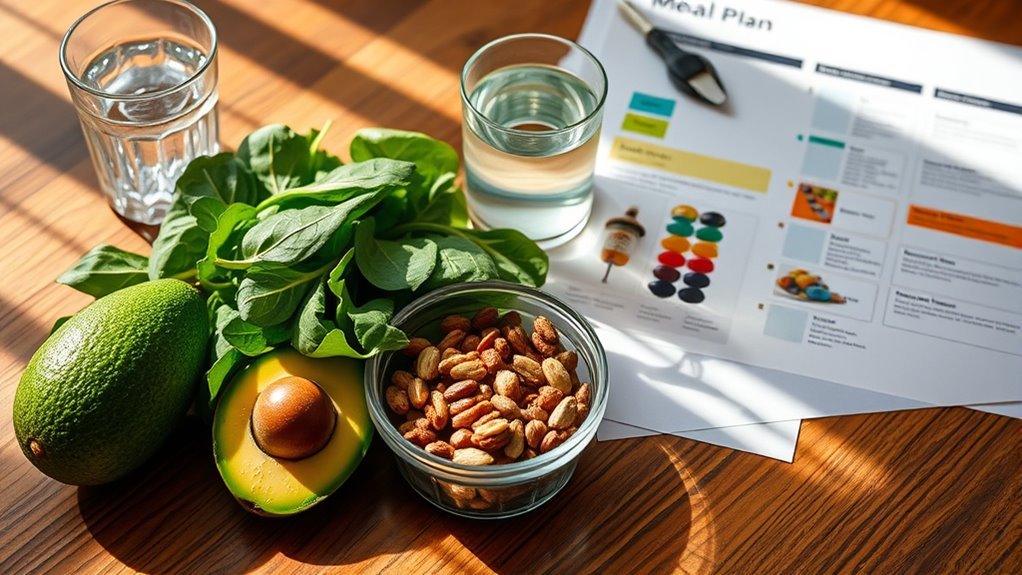
When you begin a ketogenic diet, you’re fundamentally shifting your body’s primary energy source from carbohydrates to fats. Understanding the keto basics is essential for maneuvering this lifestyle change. The goal is to enter a state of ketosis, where your body burns fat for fuel, leading to increased energy and potential weight loss. During this shift, you’ll experience fat adaptation, a process where your body becomes more efficient at utilizing fat. This phase can take a few days to weeks, but once achieved, you’ll likely feel more in control of your hunger and cravings. Embracing the ketogenic diet means liberating yourself from the constant cycle of sugar crashes and cravings, empowering you to take charge of your health and energy levels.
How Carbohydrates Affect Ketosis

Carbohydrates play a vital role in determining whether your body stays in ketosis. There’s a specific threshold level of carb intake that, if exceeded, can disrupt the state of ketosis and shift your body back to burning glucose for energy. Understanding this balance is essential for maintaining the benefits of a ketogenic diet.
Role of Carbs
Understanding the role of carbs is essential for anyone following a ketogenic diet, as even small amounts can greatly affect your state of ketosis. The type and timing of carb sources you consume can either support or hinder your progress. Here are three key points to reflect on:
- Carb Sources: Focus on low-carb vegetables and healthy fats while avoiding sugars and grains that can spike insulin levels.
- Carb Timing: Consuming carbs around workouts can optimize energy without derailing ketosis, allowing you the freedom to enjoy your meals.
- Impact on Ketosis: Even minimal carb intake can shift your body out of fat-burning mode, so be mindful of your choices.
Ketosis Threshold Levels
Maintaining a state of ketosis requires careful monitoring of your carb intake, as specific thresholds can determine whether your body stays in fat-burning mode. Typically, keeping your daily carbs below 20-50 grams helps you achieve ketosis, but individual tolerance varies. Understanding ketosis benefits, like improved energy and mental clarity, can motivate you to stay within these limits. However, there are ketosis misconceptions, such as thinking that all carbs must be eliminated; it’s about finding the right balance. Including low-carb vegetables can add essential nutrients while keeping you in ketosis. By being mindful of your carb consumption, you can enjoy the freedom of a ketogenic lifestyle while reaping its numerous health benefits.
Recommended Daily Carb Intake

When following a keto diet, understanding your daily carb limit is vital for maintaining ketosis. However, individual factors like activity level, metabolic rate, and overall health can influence how many carbs you can consume. It’s essential to tailor your intake to suit your unique needs while aiming for the general recommendation of 20 to 50 grams of net carbs per day.
Daily Carb Limit
As you commence on a ketogenic journey, it is crucial to know that most experts recommend limiting your daily carbohydrate intake to about 20 to 50 grams. This range helps you stay within daily carb restrictions while promoting ketosis. However, personalized carb guidelines can vary based on individual factors, like activity level and metabolic health. Here’s a quick look at how to approach your daily carb limit:
- Track Your Intake: Use apps or journals to monitor carbs.
- Focus on Nutrient-Dense Foods: Prioritize veggies, nuts, and seeds.
- Stay Hydrated: Drink plenty of water to support your metabolism.
Individual Variability Factors
The recommended daily carb intake on a ketogenic diet isn’t one-size-fits-all. It’s essential to evaluate individual preferences and metabolic differences when determining what works best for you. Some people can thrive on as little as 20 grams of carbs per day, while others might need slightly more to maintain energy levels and overall well-being. Factors like age, activity level, and body composition play significant roles in how your body processes carbohydrates. Listen to your body and adjust your carb intake accordingly. Experimentation is key to finding your best range, so don’t hesitate to make changes based on how you feel and your specific goals. Remember, the journey to keto success is uniquely yours.
Factors Influencing Carb Needs
While individual carb needs can vary greatly, several key factors play an essential role in determining how many carbohydrates you should consume on a ketogenic diet. Understanding these influences can empower you to tailor your approach:
Individual carbohydrate needs on a ketogenic diet vary greatly, influenced by activity level, metabolic adaptation, and personal goals.
- Activity Level: Your daily physical activity can dictate your carb requirements. More active individuals may benefit from carb cycling to optimize energy.
- Metabolic Adaptation: As your body adjusts to ketosis, it may alter how it processes carbohydrates, affecting how many you can include without disrupting fat burning.
- Goals: Whether you’re aiming for weight loss, muscle gain, or maintenance can profoundly shape your carb intake.
Types of Carbs: Net vs. Total
When considering your carbohydrate intake on a ketogenic diet, it’s important to understand the difference between net and total carbs. Total carbs include all carbohydrates from all sources, while net carbs are calculated by subtracting fiber and certain sugar alcohols from the total. Fiber’s importance lies in its ability to promote digestive health without impacting blood sugar levels, making it essential in carb counting. Misconceptions about carbs often lead to confusion, but following dietary guidelines can help clarify your choices. Focus on high-fiber carbohydrate sources to maximize your nutrition while minimizing net carbs. By understanding these distinctions, you can make informed decisions that align with your keto goals and enjoy the freedom that comes with a well-structured diet.
Foods to Include on a Keto Diet
Starting on a ketogenic diet means you’ll need to prioritize certain foods that align with your low-carb goals. Embrace the freedom of choosing nutrient-dense options that support your lifestyle. Here are three foods to include:
- Keto friendly snacks: Opt for nuts, seeds, or cheese to satisfy cravings without spiking your carb intake.
- Low carb vegetables: Incorporate leafy greens like spinach, kale, and broccoli, which are packed with vitamins and minerals while keeping carbs low.
- Healthy fats: Use avocados, olive oil, and coconut oil to enhance meals, ensuring you feel satiated and energized.
Common Mistakes to Avoid
As you commence your ketogenic journey, it’s vital to steer clear of common pitfalls that could undermine your progress. One major mistake is neglecting carb counting; without tracking your intake, you might inadvertently exceed your daily limit. Meal planning also plays an important role—failing to organize your meals can lead to impulsive eating and higher carb consumption. Additionally, don’t overlook hidden carbs in sauces and condiments. Another common error is not staying hydrated, as dehydration can mimic hunger cues. Finally, be wary of overly relying on processed keto products; they can be deceptive and may contain unwanted ingredients. By focusing on accurate carb counting and thoughtful meal planning, you’ll set yourself up for success in achieving your keto goals.
Adjusting Carb Intake for Activity Levels
To optimize your ketogenic diet, it’s essential to adjust your carb intake based on your activity levels. Tailoring your carb adjustments can help you maintain energy and stay in ketosis. Here’s how you can approach it:
- Sedentary Lifestyle: If you’re mostly inactive, aim for a lower carb intake of about 20-30 grams per day.
- Moderate Activity: For those engaging in light to moderate exercise, increase your carbs to 30-50 grams to fuel your workouts effectively.
- High-Intensity Training: If you’re involved in intense training, consider upping your carb intake to 50-100 grams, ensuring you have enough energy without disrupting ketosis.
Monitoring Your Progress on Keto
While you’re embracing the ketogenic lifestyle, monitoring your progress is essential for ensuring you’re on track to achieve your goals. Utilizing keto apps for progress tracking can simplify your journey, allowing you to log your food diary and analyze your carb intake. Remember, weight fluctuations are normal; focus on body measurements instead for a more accurate reflection of your progress. Set personal goals and conduct weekly reviews to evaluate your achievements and challenges. These regular check-ins can foster crucial mindset shifts, helping you stay motivated and aligned with your keto lifestyle. By staying engaged with your progress, you empower yourself to make informed adjustments that keep you moving toward your desired outcomes.
Frequently Asked Questions
1. How many carbs should I eat on a keto diet?
On a ketogenic diet, it is generally recommended to limit carbohydrate intake to around 20 to 50 grams of net carbs per day. This amount helps your body enter and maintain a state of ketosis, where it burns fat for fuel instead of carbohydrates. The exact number can vary based on individual factors such as activity level, age, and metabolic health.
2. What are net carbs, and how do I calculate them?
Net carbs are calculated by subtracting fiber and certain sugar alcohols (like erythritol) from the total carbohydrates in a food item. This is because fiber and certain sugar alcohols are not fully digested and do not significantly affect blood sugar levels. For example, if a food item has 10 grams of total carbs and 5 grams of fiber, it has 5 grams of net carbs (10 – 5 = 5).
3. Can I exceed 50 grams of carbs and still be in ketosis?
While most people can achieve ketosis by keeping their carb intake below 50 grams of net carbs per day, some individuals may be able to tolerate slightly higher amounts without being kicked out of ketosis. Factors such as personal metabolism, activity level, and how well your body adapts to burning fat for energy can all influence this. It’s best to monitor your ketone levels if you experiment with higher carb intakes.
4. What types of foods should I avoid to stay within my carb limit?
To maintain a low-carb intake on a keto diet, you should avoid foods high in sugars and refined carbohydrates. This includes bread, pasta, rice, most fruits, sugary snacks, and starchy vegetables like potatoes and corn. Instead, focus on consuming healthy fats, low-carb vegetables, and protein sources like meat, fish, eggs, and dairy products.
5. What are some low-carb snacks I can enjoy on a keto diet?
There are plenty of delicious low-carb snacks you can enjoy on a keto diet. Some options include cheese, nuts (in moderation), hard-boiled eggs, celery with cream cheese, avocado, homemade keto fat bombs, and low-carb protein bars. These snacks can help you stay satisfied while keeping your carb intake low.
References
- https://www.ncbi.nlm.nih.gov/pmc/articles/PMC6362022/
- https://www.diabetes.org/healthy-living/recipes-nutrition/meal-planning/low-carb-diets
- https://www.health.harvard.edu/staying-healthy/the-low-carb-diet
- https://www.mayoclinic.org/healthy-lifestyle/nutrition-and-healthy-eating/expert-answers/keto-diet/faq-20456914
- https://www.webmd.com/diet/what-is-the-keto-diet
- https://www.cdc.gov/healthyweight/healthy_eating/index.html
- https://www.nhlbi.nih.gov/health-topics/healthy-eating
- https://www.usda.gov/topics/food-and-nutrition

