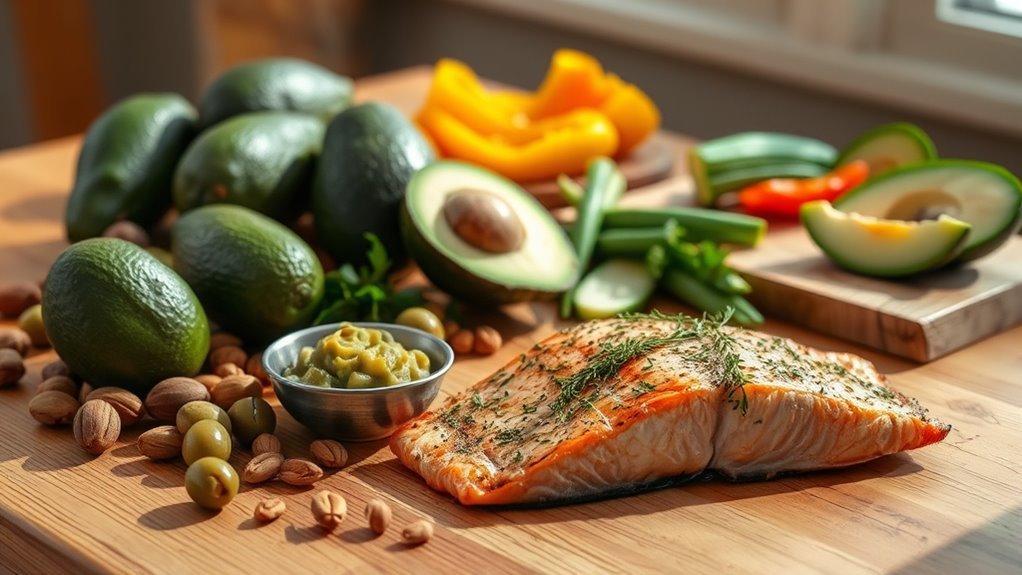

To stay on keto, focus on your macronutrient ratios: 70-75% fats, 20-25% protein, and only 5-10% carbohydrates. Meal prep to keep your meals organized and avoid temptations. Keep low-carb snacks handy, like nuts and veggie chips, to manage cravings. Stay hydrated by drinking at least 8 cups of water daily. Incorporate exercise for overall health and consider joining support groups for motivation. These strategies can make your keto journey rewarding and sustainable; more tips are available to help you succeed.
Understanding the Keto Diet Basics
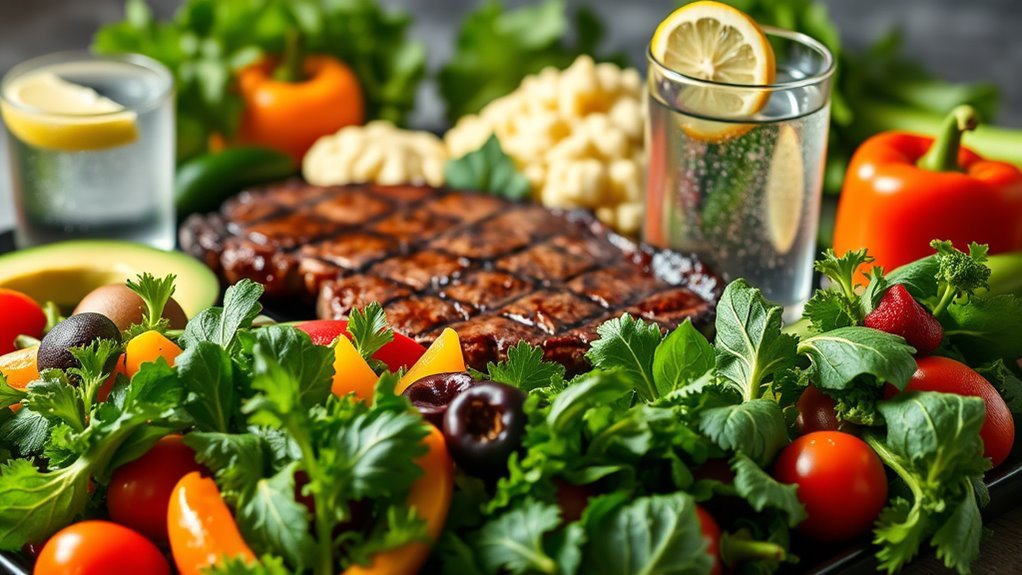
The ketogenic diet, often referred to as keto, revolves around drastically reducing carbohydrate intake while increasing fat consumption. To effectively follow keto, you’ll need to understand the keto macronutrient ratios: typically, about 70-75% of your daily calories should come from fats, 20-25% from protein, and only 5-10% from carbohydrates. This balance helps your body enter a state of ketosis, where it burns fat for fuel instead of carbs. When choosing keto food sources, focus on high-fat options like avocados, nuts, seeds, olive oil, and fatty fish. Incorporating low-carb vegetables, like leafy greens and broccoli, is also essential. By understanding these basics, you’ll empower yourself to make informed choices that align with your keto journey and lifestyle.
Meal Planning for Success
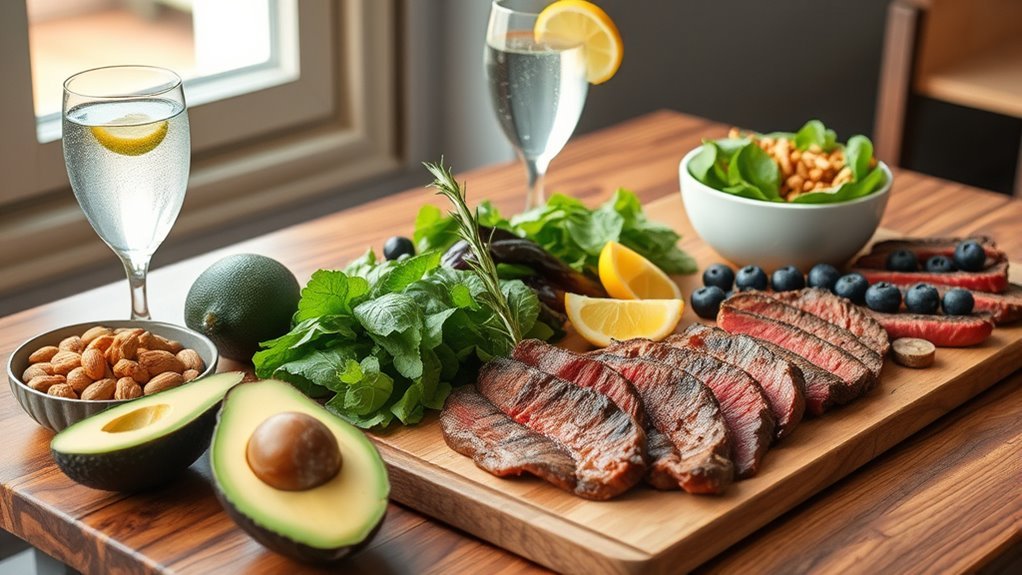
While diving into meal planning for your keto journey may seem challenging at first, it’s an essential step in ensuring your success on the diet. By dedicating time to meal prepping, you’ll make grocery shopping easier and keep yourself on track. Here’s a simple table to help you plan:
| Meal | Ingredients | Prep Time |
|---|---|---|
| Breakfast | Eggs, Avocado | 10 mins |
| Lunch | Grilled Chicken, Spinach | 15 mins |
| Dinner | Zucchini Noodles, Pesto | 20 mins |
With a structured plan, you can enjoy delicious meals while avoiding temptation. Remember, the more organized you are, the less likely you are to stray from your keto goals. Embrace this freedom and enjoy the process!
Finding Low-Carb Snacks
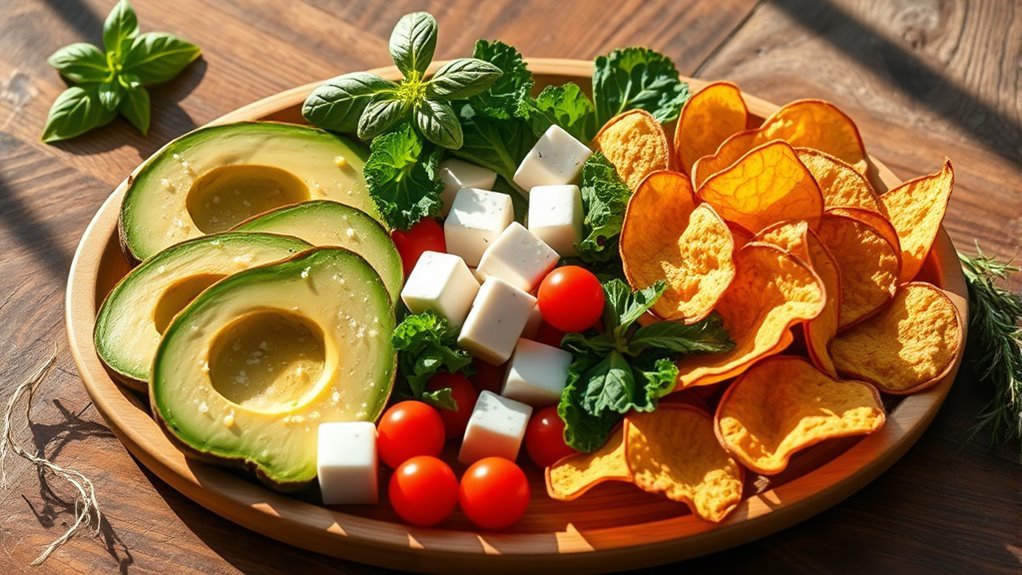
How can you satisfy your cravings without derailing your keto diet? The key is finding low-carb snacks that offer nutrient density and keep you satisfied. Think about snack prep—batch-cooking items like roasted nuts or cheese crisps for easy access. Use ingredient swaps to create sweet alternatives like almond flour cookies or savory bites like cucumber slices with cream cheese. Portion control is essential; measure out serving sizes to avoid mindless munching. Look for snacks with satisfying crunches, like pork rinds or veggie chips. These options can be energy-boosting while keeping you aligned with keto principles. Remember, having delicious low-carb snacks on hand empowers you to stick to your diet without feeling deprived!
Staying Hydrated
Staying hydrated is essential for maintaining your energy levels and supporting overall health on a keto diet. Proper hydration helps manage the hydration importance and supports electrolyte balance, which can be disrupted on low-carb diets. Here are three practical tips to guarantee you’re getting enough fluids:
Staying hydrated is crucial for energy and health on a keto diet; prioritize your fluid intake and electrolyte balance.
- Drink water consistently: Aim for at least 8 cups daily, adjusting based on your activity level.
- Include electrolyte-rich beverages: Consider adding broth or electrolyte supplements to replenish minerals lost during ketosis.
- Monitor your body’s signals: Pay attention to thirst, urine color, and energy levels as indicators of hydration status.
Handling Social Situations
Maneuvering social situations on a keto diet can be challenging, especially when tempting carb-heavy foods are everywhere. To make it easier, consider these strategies:
| Situation | Keto Options | Social Tips |
|---|---|---|
| Dining Out | Look for keto friendly restaurants | Communicate dietary needs upfront |
| Parties | Bring your own party food options | Share meals with supportive friends |
| Group Activities | Suggest keto-friendly activities | Offer celebratory alternatives |
| Alcohol Choices | Opt for low-carb drinks | Choose spirits with soda water |
| Handling Menus | Focus on proteins and veggies | Ask for modifications if needed |
These strategies help you enjoy social interactions without compromising your diet, giving you the freedom to engage while staying on track.
Overcoming Cravings
When cravings hit, having healthy snack alternatives on hand can make all the difference in sticking to your keto plan. Additionally, practicing mindful eating techniques helps you better recognize your hunger cues and make more intentional food choices. By incorporating these strategies, you can effectively manage cravings and stay committed to your goals.
Healthy Snack Alternatives
Although cravings can strike unexpectedly, having healthy snack alternatives on hand can make all the difference in maintaining your keto lifestyle. Focusing on nutrient dense options and practicing portion control can help you satisfy those cravings without derailing your progress. Here are some practical snacks to keep in your pantry or fridge:
- Veggie sticks with guacamole: Crunchy and satisfying, this combo keeps you full and is low in carbs.
- Cheese crisps: These provide a savory crunch while delivering healthy fats and protein.
- Nuts (in moderation): Almonds or macadamia nuts are great for a quick energy boost but remember to watch your portions.
Mindful Eating Techniques
Even with healthy snacks readily available, cravings can still pose a challenge on your keto journey. To overcome these urges, practice mindful eating techniques. Focus on making conscious choices that align with your goals. Consider savoring mindful bites, paying attention to flavors and textures, which can enhance satisfaction and reduce the likelihood of overindulgence. Here’s a helpful table to guide your mindful eating:
| Technique | Description | Benefits |
|---|---|---|
| Slow Eating | Take time to chew and enjoy | Enhances satisfaction |
| Portion Control | Serve smaller amounts | Prevents overeating |
| Mindful Breathing | Pause and breathe before eating | Reduces emotional eating |
| Gratitude | Reflect on food’s value | Promotes positive mindset |
Tracking Your Progress
To effectively navigate your keto journey, tracking your progress is essential for staying motivated and making informed adjustments. Utilizing various progress indicators can help you see how far you’ve come and where you need to go. Here are some effective methods to evaluate:
- Weight tracking: Regularly weigh yourself to monitor changes.
- Progress journals: Document meals, feelings, and results to identify patterns.
- Visual tools: Use charts or apps to visualize your progress and set goals.
Incorporate accountability partners to share your journey and celebrate milestone rewards. These strategies not only enhance goal setting but also keep you focused on your path to freedom. Remember, the more you track, the more informed your adjustments will be.
Incorporating Exercise
Incorporating exercise into your keto lifestyle can enhance your results and boost your energy. You’ll want to explore effective workout types, such as strength training and high-intensity interval training, that align well with a low-carb diet. Additionally, timing your exercise routine around your meals can optimize fat burning and improve overall performance.
Types of Effective Workouts
While you might think of the keto diet as primarily about food choices, integrating effective workouts can greatly enhance your results. To achieve a balanced fitness routine, consider incorporating various types of workouts:
- Strength Training: Build muscle and boost metabolism with bodyweight routines or weights.
- Cardio Workouts: Engage in high-intensity intervals or circuit training to improve heart health and burn fat.
- Flexibility Exercises: Include yoga or stretching to promote recovery and enhance overall mobility.
Mixing these elements not only keeps your workouts interesting but also supports your keto lifestyle. Aim for consistent workout frequency, and don’t forget to embrace active recovery days to sustain your energy levels. Enjoy the freedom that comes from a well-rounded fitness approach!
Timing Your Exercise Routine
When’s the best time to exercise on a keto diet? The answer often hinges on your personal schedule and workout intensity. Many find that exercising in a fasted state—typically in the morning—can enhance fat burning, aligning perfectly with keto’s goal of using fat for fuel. However, if you’re doing high-intensity workouts, you might benefit from some pre-workout nutrition to maintain energy levels.
It’s essential to listen to your body and identify when you feel most energized. Experiment with different exercise timing; some thrive with early morning sessions, while others prefer late afternoon workouts. Ultimately, choose a routine that fits your lifestyle and keeps you motivated. Staying flexible allows you to enjoy your keto journey without feeling restricted.
Building a Support System
Building a solid support system can greatly enhance your success on the keto diet. Surrounding yourself with like-minded individuals can provide motivation and accountability. Here are some effective ways to build your network:
A strong support system can elevate your keto journey, offering motivation and accountability from like-minded individuals.
- Join support groups or online communities where you can share recipes and inspirational stories.
- Find accountability partners to regularly check in with, helping each other stay on track and engaged.
- Participate in local meetups or wellness events to connect face-to-face with others who share your goals.
Utilizing social media support can also keep you motivated, allowing you to share challenges and victories. By fostering these connections, you’ll create a strong foundation that empowers you to thrive on your keto journey.
Frequently Asked Questions about Staying on Keto
1. What foods can I eat while following a keto diet?
While on a keto diet, you can focus on consuming high-fat, moderate-protein, and very low-carbohydrate foods. Some great options include fatty cuts of meat, fish, eggs, dairy products (like cheese and butter), non-starchy vegetables (such as leafy greens, broccoli, and bell peppers), nuts, seeds, and healthy oils (like olive oil and coconut oil). It’s important to avoid high-carb foods such as grains, sugars, and starchy vegetables.
2. How do I avoid keto flu when starting the diet?
Keto flu can occur as your body adapts to ketosis. To minimize symptoms, stay well-hydrated, replenish electrolytes by consuming foods rich in potassium (like avocados) and magnesium (like nuts), and gradually reduce your carbohydrate intake rather than making a drastic change. Additionally, ensuring you’re consuming enough healthy fats can help your body transition more smoothly.
3. Can I eat out while on a keto diet?
Yes, you can definitely eat out while on a keto diet! Most restaurants offer options that can be easily modified. Look for dishes that focus on meats and vegetables, and ask for sauces or dressings on the side to avoid hidden sugars. Many places also offer substitutions like lettuce wraps instead of bread. It’s always a good idea to review the menu in advance and consider calling the restaurant to ask about keto-friendly options.
4. How can I make sure I’m getting enough nutrients on keto?
To ensure you’re getting enough nutrients on a keto diet, focus on a variety of low-carb vegetables, healthy fats, and high-quality protein sources. Incorporate a range of colors and types of vegetables into your meals to maximize nutrient intake. You might also consider taking supplements for nutrients that could be lacking, such as magnesium, potassium, and omega-3 fatty acids. Regularly monitoring your nutritional intake can help you stay balanced.
5. How do I deal with cravings on a keto diet?
Cravings can be one of the challenges on a keto diet, especially during the initial phase. To manage them, ensure you’re eating enough fats and proteins to keep you satiated. Healthy snacks like cheese, nuts, or keto-friendly snacks can help curb cravings. Additionally, staying hydrated can sometimes alleviate the urge to snack. If you do experience cravings, consider waiting it out; they often subside after a few minutes. Finding alternative low-carb treats can also help satisfy your sweet tooth without derailing your diet.
References
- https://www.ncbi.nlm.nih.gov/pmc/articles/PMC6520827/
- https://www.health.harvard.edu/staying-healthy/the-ketogenic-diet
- https://www.cdc.gov/healthyweight/healthy_eating/index.html
- https://www.mayoclinic.org/healthy-lifestyle/nutrition-and-healthy-eating/expert-answers/ketogenic-diet/faq-20057584
- https://www.webmd.com/diet/what-is-the-keto-diet
- https://www.diabetes.org/nutrition/understanding-carbs/keto-diet
- https://www.ncbi.nlm.nih.gov/pmc/articles/PMC7382355/
- https://www.heart.org/en/healthy-living/healthy-eating/eat-smart/nutrition-basics/keto-diet-what-to-know