
The keto diet can raise cholesterol levels, affecting both HDL (good) and LDL (bad) cholesterol. While many people experience an increase in HDL, some might see a rise in LDL as well, which can complicate heart health. Individual responses vary considerably due to genetics and dietary factors. It’s essential to monitor your lipid levels to understand how this diet impacts you personally. If you’re curious about the broader effects and best practices, there’s more to explore.
Understanding Cholesterol: The Basics
Cholesterol plays an essential role in your body, acting as a building block for cell membranes and a precursor for hormones. There are two main cholesterol types: low-density lipoprotein (LDL) and high-density lipoprotein (HDL). LDL is often labeled as “bad” cholesterol because it can lead to plaque buildup in your arteries, while HDL is known as “good” cholesterol, helping to remove excess cholesterol from your bloodstream. Understanding cholesterol functions is vital for maintaining your health. It’s not just about lowering cholesterol levels; it’s about balancing these types effectively. By embracing a balanced diet and staying informed, you can support your body’s cholesterol needs while enjoying the freedom of making healthier lifestyle choices.
The Keto Diet Explained
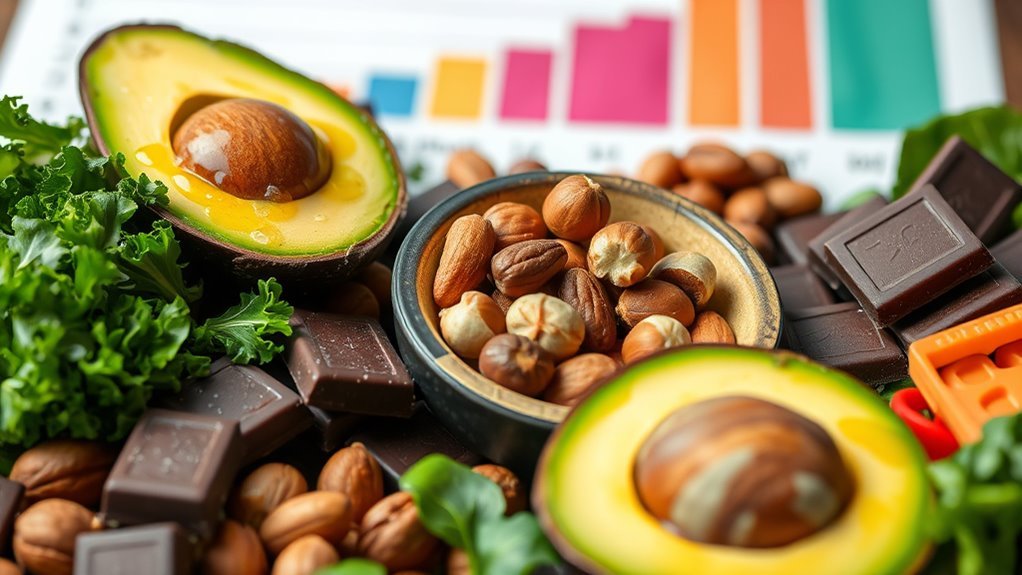
The keto diet is a low-carbohydrate, high-fat eating plan that aims to shift your body into a state of ketosis, where it burns fat for fuel instead of glucose. Typically, this diet consists of a macronutrient composition of about 70-75% fats, 20-25% proteins, and only 5-10% carbohydrates. Common foods included in the keto diet are avocados, nuts, fatty fish, and low-carb vegetables, which help you meet these macronutrient goals.
What Is Keto?
Although many diets promise quick weight loss, the keto diet stands out by fundamentally altering how your body processes energy. By drastically reducing carbohydrates and increasing fat intake, your body enters a state called ketosis, where it burns fat for fuel. This shift can lead to several keto benefits, such as improved mental clarity, increased energy levels, and appetite suppression. However, it also presents keto challenges, like potential nutrient deficiencies and the need for careful meal planning. You’ll need to be mindful of how your body reacts, as not everyone experiences the same results. Ultimately, understanding the keto diet allows you to decide if it aligns with your personal health goals and lifestyle preferences.
Macronutrient Composition
To successfully follow the keto diet, understanding its macronutrient composition is essential. This diet typically focuses on a high intake of dietary fats, which can make up about 70-75% of your daily calories. You’ll also consume moderate protein, around 20-25%, while keeping carbohydrates to a minimal level, usually under 5-10%. These macronutrient ratios encourage your body to enter ketosis, a state where it burns fat for fuel instead of glucose. By prioritizing healthy fats, like avocados and nuts, you not only support energy levels but also promote overall health. Remember, individual responses can vary, and it’s important to monitor how your body reacts to these changes, ensuring you achieve a balanced approach to your dietary needs.
Common Foods Included
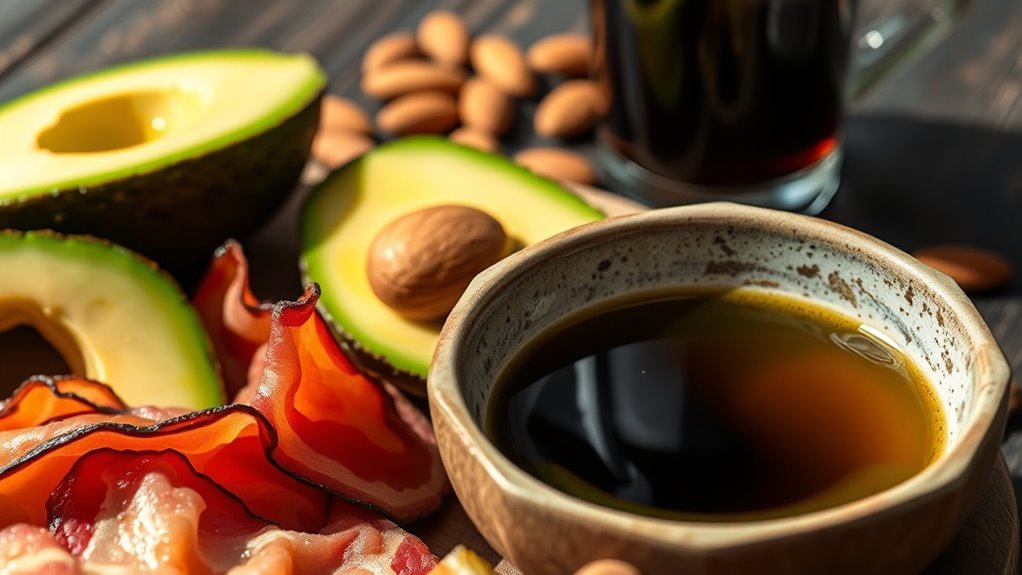
When exploring the keto diet, you’ll find that certain foods are staples due to their low carbohydrate content and high fat profile. Common options include avocados, nuts, seeds, and olive oil, all rich in healthy fats. Meats like fatty cuts of beef, pork, and chicken, along with fish like salmon, are also encouraged. Dairy products like cheese and full-fat yogurt can fit well into your meal plan too. For satisfying keto snacks, consider cheese crisps or nut butter on celery. Remember, prioritizing healthy fats while limiting carbs is key to maintaining ketosis. By choosing these foods, you can enjoy the flexibility that the keto diet offers without sacrificing flavor or satisfaction.
How the Keto Diet Affects Cholesterol Levels
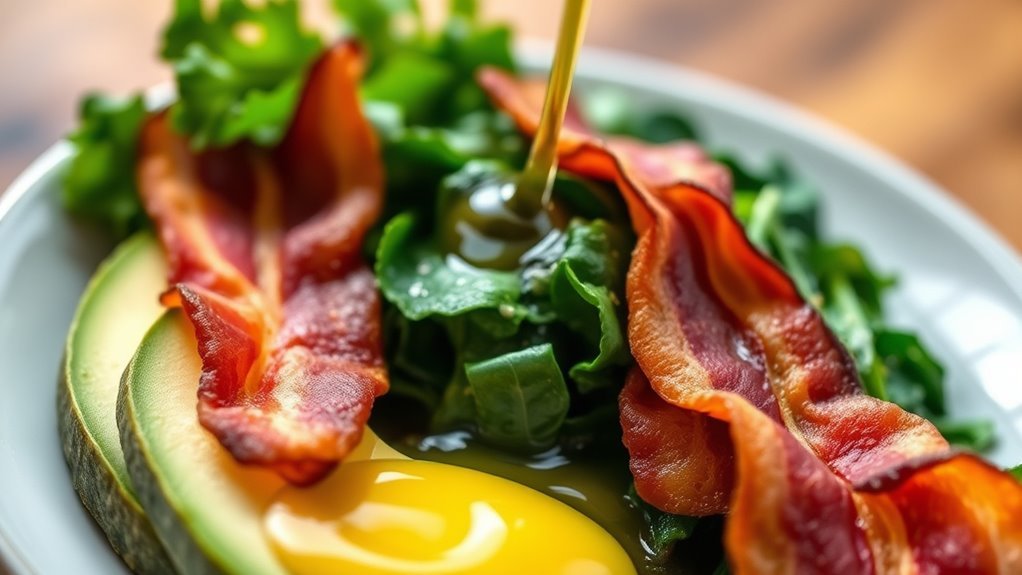
As you explore the impacts of the keto diet on cholesterol levels, it is vital to understand that this high-fat, low-carbohydrate approach can lead to varying effects on lipid profiles. While many experience cholesterol fluctuations, the dietary impacts can differ greatly among individuals. Here are some key points to take into account:
- Increased intake of healthy fats may raise HDL cholesterol.
- Some may see a rise in LDL cholesterol, though not always harmful.
- Initial weight loss can temporarily elevate cholesterol levels.
- Individual responses can be influenced by genetics.
- Regular monitoring is essential to understand your unique lipid profile.
Ultimately, it’s important to stay informed and consult with a healthcare professional to navigate these changes effectively.
Different Types of Cholesterol: HDL vs. LDL
Understanding the different types of cholesterol, particularly HDL and LDL, is fundamental for managing your health, especially on a keto diet. HDL, or high-density lipoprotein, is often termed the “good” cholesterol, as it helps remove other cholesterol types from your bloodstream. On the other hand, LDL, or low-density lipoprotein, is known as “bad” cholesterol due to its association with plaque buildup in arteries, which can lead to cardiovascular issues. The LDL effects can be concerning, especially if you’re increasing saturated fats in your diet. Balancing these cholesterol types is vital; while some may see a rise in LDL on keto, it’s essential to focus on overall heart health and consider individual responses to dietary changes.
Scientific Studies on Keto and Cholesterol
While many enthusiasts tout the keto diet’s potential benefits for weight loss and metabolic health, scientific studies reveal a complex relationship between this high-fat regimen and cholesterol levels. Here’s what the keto cholesterol research shows:
- Increased HDL: Many studies indicate an increase in HDL (good cholesterol) levels on keto.
- LDL Variability: Results on LDL (bad cholesterol) vary, with some experiencing increases and others decreases.
- Dietary Fat Impact: Not all fats affect cholesterol similarly; the source matters.
- Triglycerides: Many participants see a reduction in triglyceride levels.
- Long-Term Effects: Long-term studies are still needed to understand the full impact of sustained high dietary fat.
Understanding these nuances can help you make informed choices about your health.
Expert Opinions on Keto and Heart Health
Although many people embrace the ketogenic diet for its rapid weight loss benefits, expert opinions on its impact on heart health present a more nuanced picture. While some argue that a high-fat diet may increase cholesterol levels, others highlight potential benefits for heart disease prevention.
Here’s a quick comparison of common keto misconceptions:
| Misconception | Reality | Expert Opinion |
|---|---|---|
| Keto always raises cholesterol | Individual responses vary | Some see improvements |
| High-fat diet equals heart disease | Not all fats are harmful | Focus on healthy fats |
| Keto is unsustainable | Many find long-term success | Balance is key |
Understanding these perspectives can help you navigate the complexities of keto and its potential effects on heart health.
Making an Informed Decision About the Keto Diet
With differing expert opinions on the keto diet and its effects on cholesterol, it’s important to make an informed decision tailored to your individual health needs. Here are some key points to reflect upon:
Understanding the keto diet’s impact on cholesterol is crucial for personalized health decisions.
- Understand keto misconceptions; not everyone will experience cholesterol spikes.
- Consult a healthcare professional to evaluate your unique health profile.
- Monitor your cholesterol levels regularly if you choose the keto diet.
- Contemplate the quality of fats consumed; focus on healthy fats over processed options.
- Stay informed about new research and guidelines regarding keto and heart health.
Frequently Asked Questions about the Keto Diet and Cholesterol
1. Does the keto diet increase cholesterol levels?
The keto diet can lead to an increase in cholesterol levels for some individuals, particularly LDL cholesterol, which is often referred to as “bad” cholesterol. However, the response to a ketogenic diet varies from person to person. Some individuals may experience elevated LDL cholesterol, while others may see an increase in HDL cholesterol, known as “good” cholesterol, without significant changes in overall cholesterol levels. It’s essential to monitor lipid profiles regularly and consult with a healthcare provider to assess individual risks and benefits.
2. Why does the keto diet affect cholesterol levels?
The keto diet is high in fats and low in carbohydrates, which can shift the body’s metabolism from burning glucose to burning fat for energy. This metabolic change can lead to an increase in the production of ketones and may affect the liver’s production of cholesterol. Additionally, the types of fats consumed—such as saturated versus unsaturated fats—can influence cholesterol levels. A diet high in saturated fats may raise LDL cholesterol, while polyunsaturated fats can have a more favorable effect on cholesterol profiles.
3. Is high cholesterol from the keto diet harmful?
High cholesterol is not always harmful and can depend on the context. It’s important to consider the ratio of LDL to HDL cholesterol, as well as the presence of other risk factors for cardiovascular disease. Some studies suggest that individuals on a keto diet may experience improvements in other markers of heart health, such as triglycerides and inflammation. However, anyone concerned about cholesterol levels should work closely with a healthcare provider to understand their specific health situation and to make informed dietary choices.
4. How can I manage cholesterol levels on a keto diet?
To manage cholesterol levels while following a keto diet, consider the following strategies:
- Focus on healthy fat sources like avocados, nuts, seeds, olive oil, and fatty fish.
- Limit intake of saturated fats from processed foods and high-fat dairy.
- Incorporate fiber-rich foods such as leafy greens and non-starchy vegetables.
- Stay active with regular exercise, which can positively impact cholesterol levels.
- Regularly monitor cholesterol levels and adjust your diet accordingly, consulting with a healthcare professional as needed.
5. Should I avoid the keto diet if I have high cholesterol?
Not necessarily. While some individuals with high cholesterol may need to approach the keto diet with caution, it can also provide benefits, such as weight loss or improved blood sugar control. It’s crucial to evaluate your overall health status, cholesterol levels, and personal health history before starting the diet. A healthcare provider can help you weigh the risks and benefits and may recommend modifications to the traditional keto approach to suit your needs better.
References
- https://www.ncbi.nlm.nih.gov/pmc/articles/PMC6313445/
- https://www.healthline.com/nutrition/keto-diet-cholesterol
- https://www.webmd.com/diet/what-to-know-about-the-ketogenic-diet
- https://www.mayoclinic.org/healthy-lifestyle/nutrition-and-healthy-eating/expert-answers/keto-diet-and-cholesterol/faq-20406889
- https://www.heart.org/en/news/2020/02/14/the-ketogenic-diet-what-you-need-to-know
- https://www.cdc.gov/healthyweight/assessing/bmi/adult_bmi/english_bmi_calculator/bmi_calculator.html
- https://www.reuters.com/article/us-health-keto-diet/cholesterol-levels-get-a-lift-from-keto-diet-idUSKBN1X10ZY