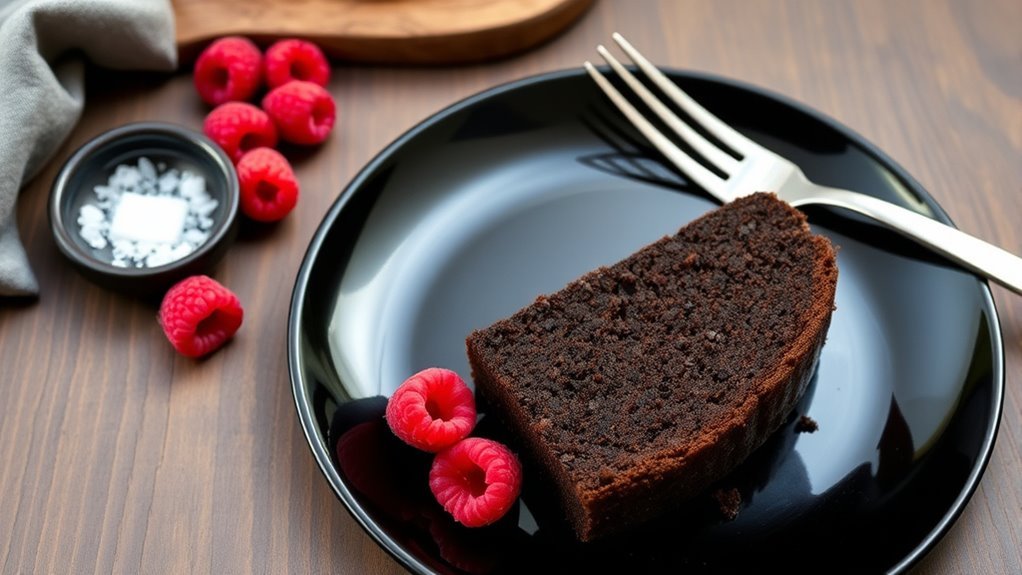

You can’t have sugar on keto without risking your state of ketosis. Consuming sugars can spike blood glucose levels, prompting insulin release and disrupting fat-burning. It’s crucial to recognize the difference between natural sugars from whole foods and added sugars in processed products. Instead, opt for sugar alternatives like erythritol and stevia, which won’t affect your carb count. Incorporating mindful choices can help you enjoy sweetness while sticking to your keto goals. There’s more to explore on maintaining balance and treating yourself.
Understanding Carbohydrates and Sugars
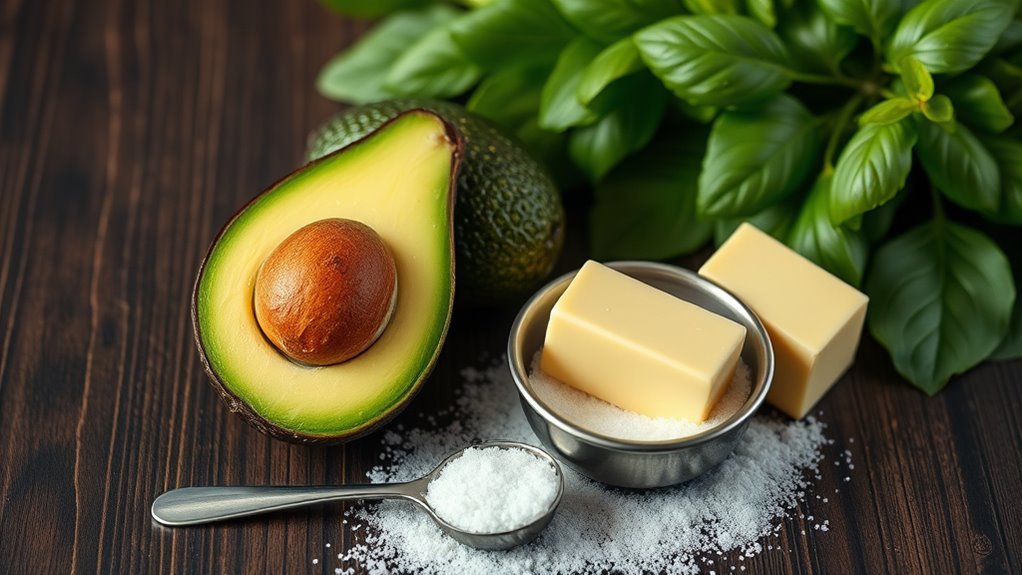
Carbohydrates, the body’s primary energy source, play an essential role in nutrition, but not all carbs are created equal. You’ll encounter various carbohydrate types, including simple and complex carbs. Simple carbs, found in sugary foods, are quickly absorbed, leading to rapid fluctuations in blood sugar levels. In contrast, complex carbs, like whole grains and vegetables, provide a steady release of energy, supporting balanced sugar metabolism. Understanding these differences is significant, especially if you’re considering a keto lifestyle. While low-carb diets typically limit sugar intake, knowing how your body processes different carbohydrate types can empower you to make informed choices. Remember, moderation and quality matter—selecting nutrient-dense options can enhance your overall well-being without sacrificing your freedom to enjoy food.
Types of Sugars: Natural vs. Added
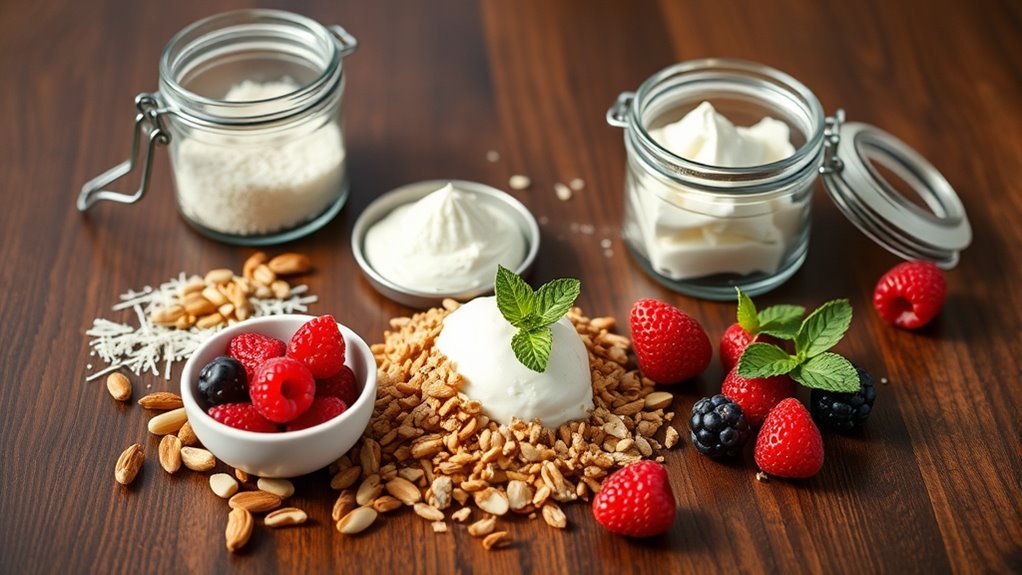
When you’re managing sugar on a keto diet, it’s essential to understand the difference between natural and added sugars. Natural sugars, found in fruits and dairy, come with beneficial nutrients, while added sugars, often present in processed foods, can lead to negative health impacts. Recognizing these distinctions can help you make informed choices that align with your dietary goals.
Natural Sugars Explained
Understanding the distinction between natural and added sugars is essential for anyone maneuvering a ketogenic lifestyle. Natural sugars are found in whole foods like fruits, vegetables, and dairy, providing not just sweetness but also crucial nutrients. Common sugar sources include honey, maple syrup, and fruits like berries, which can fit into your keto plan when consumed in moderation.
On the other hand, natural sweeteners like stevia and erythritol are low-carb alternatives that can satisfy your sweet tooth without spiking blood sugar levels. While it’s tempting to indulge in natural sugars, being mindful of their carb content is key to staying in ketosis. Balancing your intake will help you enjoy your food without compromising your keto goals.
Added Sugars Impact
While natural sugars can be part of a balanced diet, added sugars can pose significant challenges, especially on a ketogenic diet. Added sugars are often found in processed foods and beverages, making it easy to consume them without realizing it. These sugars can spike your blood glucose levels, leading to cravings and potential weight gain, which are counterproductive to the goals of keto. In addition, they come with various health risks, including increased chances of heart disease and diabetes. By being mindful of your intake of added sugars, you can maintain better control over your diet and overall health. Embracing whole, unprocessed foods allows you the freedom to enjoy satisfying meals without compromising your ketogenic lifestyle.
The Impact of Sugar on Ketosis

Sugar can greatly disrupt ketosis, the metabolic state where your body efficiently burns fat for fuel instead of carbohydrates. When you consume sugar, it can spike your blood glucose levels, leading to insulin release, which may pull your body out of ketosis. This shift not only impacts your fat-burning capabilities but can also trigger sugar cravings, making it harder to stick to your keto lifestyle. The ketosis effects are significant; they include improved energy levels and mental clarity. However, indulging in sugar can quickly reverse these benefits. To maintain that freedom to enjoy a healthy, low-carb life, you’ll want to be mindful of sugar intake and its potential to derail your progress on keto.
Sugar Alternatives for a Keto Lifestyle
When you’re following a keto lifestyle, choosing the right sugar alternatives is essential for maintaining ketosis. Popular sweeteners like erythritol and stevia can satisfy your sweet tooth without impacting your carb intake. Understanding their effects on your body and how to cook with them will help you enjoy your favorite dishes while staying on track.
Popular Sweeteners Explained
As you embrace a keto lifestyle, understanding the range of sugar alternatives available can greatly enhance your approach to sweetening foods and beverages. These sweeteners can provide the satisfaction of sweetness without the carbs and sugar spikes of traditional options. Here’s a quick guide to some popular choices, along with their health benefits and sweetener comparisons:
| Sweetener | Carbs (per tsp) | Health Benefits |
|---|---|---|
| Stevia | 0 | May aid in blood sugar control |
| Erythritol | 0.2 | Low-calorie, gut-friendly |
| Monk Fruit | 0 | Antioxidant properties |
| Allulose | 0.4 | May reduce blood sugar levels |
Choosing the right sweetener can help you maintain your keto goals while enjoying flavorful treats.
Impact on Ketosis
While traversing a keto diet, it is vital to recognize how sugar alternatives can influence your state of ketosis. These substitutes can provide sweetness without the same impact on sugar metabolism as traditional sugars. Many low-carb sweeteners, like stevia and erythritol, have minimal calories and carbs, allowing you to enjoy sweet flavors while maintaining ketosis. However, it is important to monitor your body’s response, as some sugar alternatives can affect ketosis effects differently. Some may trigger insulin responses in sensitive individuals, potentially disrupting your progress. Understanding how each alternative impacts your metabolism empowers you to make informed choices, ensuring you stay aligned with your keto goals while enjoying a variety of flavors.
Cooking With Alternatives
Cooking with sugar alternatives can be a game-changer for anyone following a keto lifestyle, especially if you’re craving something sweet without the carbs. Many sugar substitutes, like erythritol or monk fruit, won’t spike your blood sugar and can seamlessly fit into various cooking techniques. Whether you’re baking, sautéing, or making sauces, these alternatives can provide flavor enhancements that satisfy your sweet tooth while keeping you in ketosis. Remember to evaluate the unique properties of each substitute; some may require adjustments in the amount used or cooking time. Don’t hesitate to experiment with different combinations to discover what works best for your recipes. With the right approach, you can enjoy your favorite dishes without compromising your dietary goals.
Tips for Satisfying Your Sweet Tooth on Keto
Many people find it challenging to curb their sweet cravings while on a keto diet, but it’s entirely possible to enjoy satisfying treats without compromising your carb limits. Here are some dessert ideas that can keep your sweet tooth happy:
| Dessert Idea | Sweetener Used | Carb Count (per serving) |
|---|---|---|
| Keto Cheesecake | Erythritol | 4g |
| Chocolate Avocado Mousse | Stevia | 3g |
| Coconut Macaroons | Monk Fruit | 2g |
| Berry Chia Pudding | Allulose | 5g |
Experimenting with these options can help you find the perfect balance for your cravings. Remember, satisfying your sweet tooth doesn’t have to derail your keto journey! Enjoy the freedom to indulge wisely.
Balancing Sweetness and Keto Goals
Finding the right balance between satisfying your sweet cravings and achieving your keto goals can be challenging. You can embrace a sweet balance by opting for low-carb sweeteners like stevia or erythritol, which allow for mindful indulgence without kicking you out of ketosis. It’s important to remember that moderation is key; even keto-friendly treats can add up and affect your carb intake. By incorporating occasional sweet treats into your meal plan, you can enjoy a sense of freedom without derailing your progress. Keep track of how these indulgences impact your body, and adjust accordingly. This way, you can enjoy sweetness while still prioritizing your health and fitness goals on your keto journey.
Frequently Asked Questions
1. Can I have any sugar on a keto diet?
No, traditional sugar is generally not allowed on a keto diet because it is high in carbohydrates. A standard keto diet limits carbohydrate intake to about 20-50 grams per day to maintain ketosis, a metabolic state where your body burns fat for fuel instead of carbohydrates. Consuming sugar would likely exceed this limit and disrupt ketosis.
2. Are there any sugar substitutes I can use on keto?
Yes, there are several keto-friendly sugar substitutes that can be used. Popular options include erythritol, stevia, monk fruit, and allulose. These sweeteners are low in carbohydrates and do not spike blood sugar levels, making them suitable alternatives for those on a keto diet.
3. What happens if I accidentally consume sugar on keto?
If you accidentally consume sugar while on a keto diet, it may temporarily knock you out of ketosis. This means your body will switch back to burning carbohydrates for energy instead of fat. You may experience a quick spike in blood sugar followed by a crash, which could lead to cravings or fatigue. To get back into ketosis, you can resume your low-carb eating plan and potentially incorporate fasting or exercise to help accelerate the process.
4. Can I have fruits that contain natural sugars on a keto diet?
While many fruits are high in natural sugars and carbohydrates, some low-carb fruits can be enjoyed in moderation on a keto diet. Berries such as strawberries, raspberries, and blackberries are lower in carbs compared to other fruits and can be included in small amounts. However, it’s essential to track your overall carbohydrate intake to ensure you stay within your limit.
5. How can I satisfy my sweet tooth on a keto diet?
To satisfy your sweet tooth while adhering to a keto diet, consider using keto-friendly sweeteners in homemade desserts or snacks. You can also enjoy keto desserts made with almond flour, coconut flour, or cream cheese, which are low in carbs. Additionally, incorporating flavored herbal teas or sugar-free jello can provide a sweet taste without the carb load.
References
- https://www.healthline.com/nutrition/keto-diet-and-sugar
- https://www.ncbi.nlm.nih.gov/pmc/articles/PMC6470860/
- https://www.webmd.com/diet/obesity/keto-diet-explained
- https://www.mayoclinic.org/healthy-lifestyle/nutrition-and-healthy-eating/expert-answers/keto-diet/faq-20465261
- https://www.ncbi.nlm.nih.gov/pmc/articles/PMC8011800/
- https://www.cdc.gov/healthyweight/healthy_eating/index.html
- https://www.nutrition.gov/topics/whats-your-eating-style/keto-diet
- https://www.verywellfit.com/what-is-a-keto-diet-5112648