

You open your kitchen cabinet, grab a carton of bone broth, and wonder if it will fit your keto day without kicking you out of ketosis. Bone broth is generally keto-friendly, because its carbohydrate content is typically very low while providing protein and fat that can support your macros. Just check the label for added sugars or starches, which are the main reasons some brands may not be keto.
Yes—bone broth is usually keto-friendly because it’s typically very low in carbs. The main thing to watch is the ingredient list and nutrition label, since some brands add sugar or carb-containing flavorings that can push it outside your daily carb limit.
This guide is for anyone on keto (or trying to get back into ketosis) who wants to know whether bone broth fits their macros—and how to choose a version that won’t quietly raise your carbs.
Is Bone Broth Keto Friendly on a Macro Level?
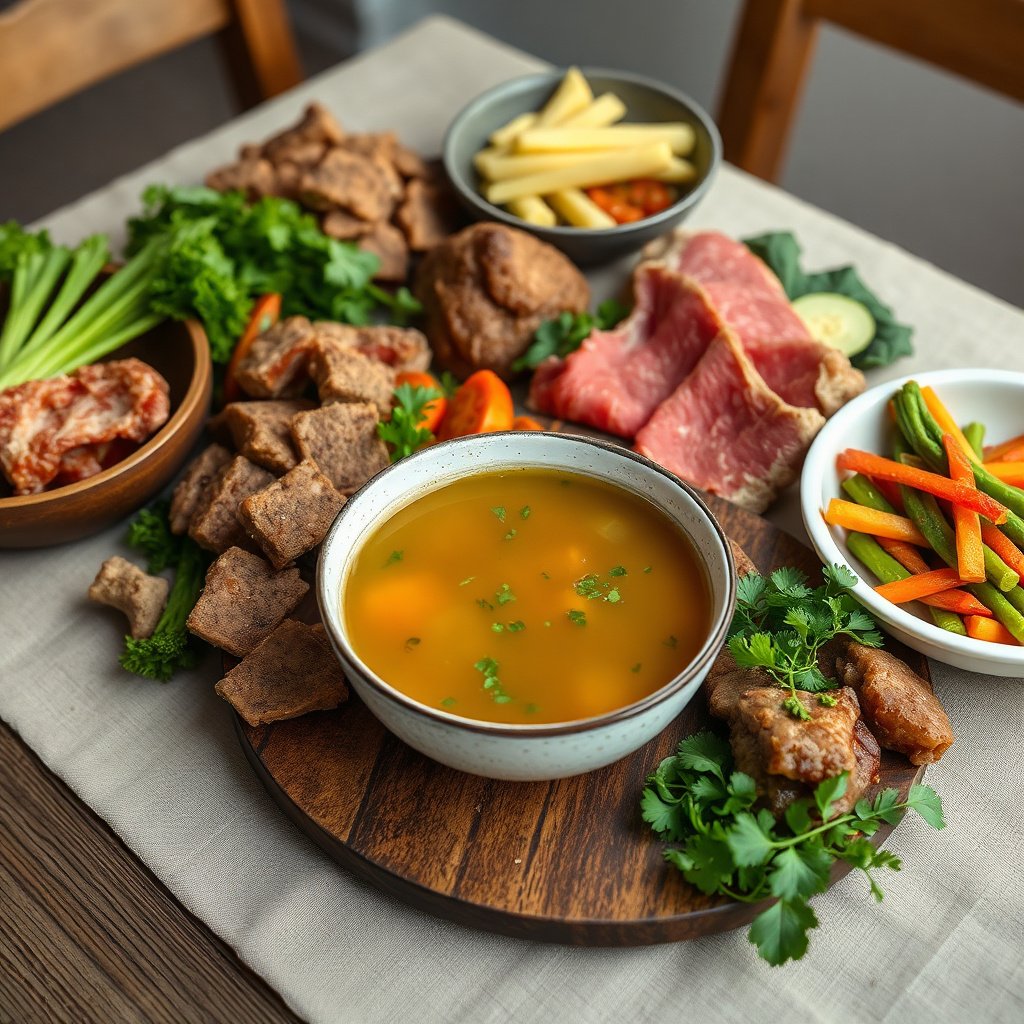
Bone broth is generally keto-friendly at the macro level because most plain versions contribute very few net carbohydrates. The exception is when a brand adds sugar, juice concentrates, or carb-heavy “mix-ins,” making the carb total matter even more.
On keto, your daily carbohydrate cap is the real gatekeeper. Many keto plans target roughly 20–50 grams of net carbs per day https://health.clevelandclinic.org/ketogenic-diet/ (2024). Bone broth usually looks like an easy win—until you compare “low carb” marketing with the actual grams of carbohydrates per serving.
In my experience, the difference isn’t subtle once you start tracking consistently; bone broth often fits well when it’s plain, but flavored bottles can surprise you on carbs because they can be treated like a beverage with added ingredients rather than a simple broth.
Finally, keto isn’t only about staying under a carb threshold. Bone broth may also support hydration and electrolytes during the adjustment period (commonly called “keto flu”), because sodium needs often rise when carbs drop. That doesn’t automatically make it keto—but it can make it feel “supportive” while your body transitions.
What to Check on the Label (Carbs, Net Carbs, and Ingredients)
Bone broth can stay keto-friendly if you verify carbs per serving and confirm the ingredient list is truly “broth-first,” not “sweetened drink with bones.” In 2026, labels are clearer than they used to be, but enough variation remains that you still have to read the nutrition facts every time.
Start with the numbers:
– Look for “Total Carbohydrate” and, if present, “Fiber” so you can calculate net carbs; if you see high fiber, double-check how the brand calculates net carbs.
– Scan the ingredients for added sugar, honey, cane sugar, syrups, or sweeteners (even “small” amounts can add up fast).
– Be cautious with “bone broth” varieties that include vegetables (like carrots/onions) or thickening agents—those can increase carbs.
A quick nutrient reality check helps here. Carbohydrates provide 4 calories per gram https://www.fda.gov/food/nutrition-facts-label/fda-nutrition-facts-label (2024), so if a brand adds even a few grams of carbs per serving, it’s not just “a little sweetness”—it’s measurable macro impact. Also, Nutrition Facts are standardized around a 2,000-calorie daily value https://www.fda.gov/food/nutrition-facts-label/fda-nutrition-facts-label (2024), which matters when you’re trying to interpret how much of your day a serving represents.
Below is a practical “carb budget math” reference you can use when you’re deciding whether bone broth fits your remaining keto grams.
Carbs per Bone Broth Serving: Keto Macro Impact (Math-Based)
| # | Carbs per serving (g) | Carb calories (kcal) | Share of 20g/day | Share of 50g/day | Keto-fit rating |
|---|---|---|---|---|---|
| 1 | 0 | 0 | 0% | 0% | ★★★★★ |
| 2 | 1 | 4 | 5% | 2% | ★★★★☆ |
| 3 | 2 | 8 | 10% | 4% | ★★★★☆ |
| 4 | 3 | 12 | 15% | 6% | ★★★☆☆ |
| 5 | 5 | 20 | 25% | 10% | ★★☆☆☆ |
| 6 | 8 | 32 | 40% | 16% | ★☆☆☆☆ |
| 7 | 10 | 40 | 50% | 20% | ★☆☆☆☆ |
Homemade vs. Store-Bought: What Usually Changes
Homemade bone broth is usually the safest keto choice because you control every ingredient that can contribute carbohydrates. Store-bought bone broth varies widely, so two “keto-friendly” labels can still produce different carb totals.
Here’s what typically changes when you buy instead of making:
– Serving size and concentration: a “ready-to-drink” bottle may list one serving as less than the full bottle, while concentrates can be tricky if you reconstitute without measuring.
– Ingredient complexity: store brands sometimes add flavor systems (like “natural flavors” plus sweeteners) to improve taste consistency.
– Vegetable bases and thickness: adding carrots, onions, or starch-based thickeners may improve mouthfeel but increases carbs.
If you’re getting back into ketosis in 2026, treat store-bought bone broth like a new food every time you switch brands. Even if your old brand was fine, ingredients can change seasonally or by batch.
How to Fit Bone Broth into Your Keto Day
Bone broth fits keto best when it’s treated like a measured “macro contributor,” not a freebie. Start simple, track carbs for a few days, and then decide whether it’s worth the place it takes in your daily plan.
A practical approach:
– Start with a conservative portion (for example, one standard serving) and track how it fits into your daily carb total.
– Pairing can matter: keep it simple (broth + a keto meal) rather than sipping it alongside other higher-carb foods.
– If you’re strict about ketosis, treat bone broth like any other food: confirm the carbs on your specific brand and serving size.
Many people also find that consistency helps. If you drink bone broth at the same time each day (for example, with lunch), it becomes easier to isolate whether it affects hunger, energy, or “ketosis progress” markers you care about (like morning ketone readings, if you use strips or a meter).
What Can Go Wrong (Common Keto Mistakes)
Most keto issues with bone broth happen when people use marketing claims instead of verifying carbs. The most common mistakes are straightforward—yet easy to repeat when you’re busy.
Watch for these pitfalls:
– Assuming all bone broth is keto-friendly without checking carbs—especially if the product is flavored or “collagen soup” style.
– Relying on generic claims like “low carb” without looking at the actual grams per serving.
– Forgetting that portion size can be the problem (e.g., buying a concentrate or larger-than-standard container).
To make this easier to evaluate, use a quick “label risk vs. label-safe” comparison.
| Criteria | Likely Keto-Compatible | Higher Carb Risk |
|---|---|---|
| Carbs per serving | Low (verify grams) | Higher (verify grams) |
| Added sugar ingredients | None listed | Honey/syrup/sugar/sweeteners |
| Fiber/net-carb clarity | Clear “fiber” + logic | “Net carbs” without clarity |
| Vegetable inclusion | Bones/seasonings only | Carrot/onion/greens base |
| Thickening agents | No starch-based thickeners | Starch/gum systems |
| Serving size realism | You can match it to your drink amount | Bottle/concentrate servings unclear |
| Flavor profile | Herbs/spices, no sweet finish | Dessert-like or “sweet” flavor cues |
| Consistency across batches | Stable ingredient list | Frequent reformulations |
| Macro tracking fit | Fits your remaining carbs | Forces you to cut other foods |
| Overall nutrition signal | Simple ingredients, fewer surprises | Long ingredient list with carbs hiding |
| Verdict | Choose this for ketosis stability | Avoid unless carbs still fit your plan |
Verdict: Is It Worth It—and Who Should Skip It?
Bone broth is worth it on keto when you pick an unflavored, low-carb option and confirm carbs per serving match your daily plan. If you’re seeing unexpected carbs, flavored varieties or vegetable-thickened styles are usually where the mismatch comes from.
Quick downside to keep in mind: some brands are high in sodium, and flavored versions may include ingredients that don’t feel “clean” for strict keto. High sodium isn’t automatically “bad,” but it can be a concern if you’re managing blood pressure, kidney conditions, or specific dietary restrictions—so check with a clinician when sodium matters for you. If you have diabetes or are managing strict medical nutrition requirements, confirm with your clinician (and read labels carefully), since some products may include ingredients that affect blood sugar.
As of 2026, the biggest “who should skip it” group is anyone who refuses to track labels. Bone broth can be keto-friendly, but keto is ultimately a numbers game. If you won’t verify grams of carbohydrates, it’s easy to drift.
Keto Bone Broth Quick Checklist (Scan & Save)
| Check | What to Look For | Red Flag |
|---|---|---|
| Carbs | “Total Carbohydrate” per serving is low | Higher carbs than expected, or unclear serving size |
| Net carbs (if shown) | Fiber-based net carb info makes sense | “Low carb” marketing with no clear numbers |
| Ingredients | Plain bones/seasonings | Added sugar, syrups/sweeteners, vegetable-heavy bases |
| Portion | Serving matches what you’ll actually drink | “1 bottle = 2 servings” (or similar) |
Frequently Asked Questions
Is bone broth keto friendly?
Yes—bone broth is typically keto friendly because it’s made from animal collagen and connective tissue, which naturally contain little to no carbohydrate. Most keto bone broths provide near-zero carbs, making them compatible with a ketogenic diet, especially when you choose a brand with minimal added ingredients. Always check the nutrition label for carbs and added sugars, since some flavored or “health” versions may include higher carbohydrate additives.
How many carbs are in bone broth on keto?
Most plain bone broths have about 0–1 gram of net carbs per serving, which fits easily into keto macros. To confirm for your specific product, look at total carbs and subtract fiber if the label lists it; many labels don’t include fiber because the carb content is already very low. If you’re making bone broth at home with no added sweeteners or starchy vegetables, it’s usually even closer to zero carbs.
Why is bone broth good for keto diets?
Bone broth can support keto in a practical way because it’s calorie-light, comforting, and easy to digest while you’re keeping carbs low. It also provides protein and collagen-derived amino acids, which can help you maintain satiety and muscle during weight loss or a low-carb transition. Additionally, bone broth often contains electrolytes like sodium (depending on preparation), which may help address “keto flu” symptoms related to electrolyte imbalance.
Which bone broth is best for keto—store-bought or homemade?
Homemade bone broth is often best for strict keto because you can control ingredients and avoid added sugars or carb-containing thickeners. Store-bought bone broth can also work well if you select one labeled low carb and verify the nutrition facts show minimal total carbs. In general, plain, unsweetened broths with short ingredient lists are the safest choices for staying keto friendly.
How can I make bone broth keto friendly at home?
To keep bone broth keto friendly, simmer bones and collagen-rich connective tissue with water, herbs, and aromatics while avoiding starchy vegetables (like potatoes) and any sweeteners. If you want extra flavor, use non-starchy options such as garlic, celery, and bay leaves in moderation, and keep an eye on the overall carbohydrate contribution. Salt it well for taste and electrolyte support, but skip any “keto” powders or seasoning blends that include sugar or maltodextrin.
📅 Last Updated: November 24, 2026 | Topic: is bone broth keto friendly | Content verified for accuracy and freshness.
References
- Stock (food)
- https://fdc.nal.usda.gov/search/?query=bone%20broth
- Ketogenic diet
- Ketosis
- Relaxation techniques: Try these steps to lower stress – Mayo Clinic
- bone broth nutrient composition – Search Results – PubMed
- ketogenic diet carbohydrate intake – Search Results – PubMed
- https://scholar.google.com/scholar?q=bone+broth+keto+friendly+carbohydrates Google Scholar
- https://scholar.google.com/scholar?q=bone+broth+carbohydrate+content+nutrition Google Scholar
- https://scholar.google.com/scholar?q=ketogenic+diet+carbohydrate+intake+20+50+grams Google Scholar