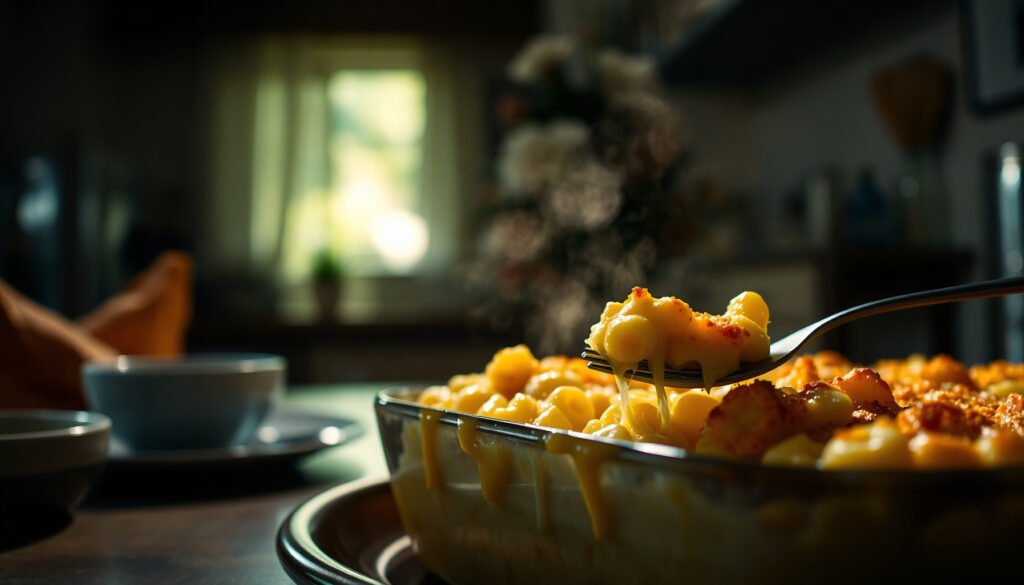

Most people assume mac and cheese is keto, but it is not typically keto-friendly because classic recipes use pasta and often sweetened or starchy ingredients in the cheese sauce. Standard macaroni is high in carbs, which can quickly push you out of your daily net-carb limit. The only way it can fit keto is with a low-carb pasta substitute and a sauce made without added sugar or other carb-heavy fillers.
Regular mac and cheese usually isn’t keto because the pasta is high in carbs, but you can eat a keto-friendly version by swapping the noodles for a low-carb alternative and keeping the cheese sauce flour-free and sugar-free. In this guide, we’ll cover what to change, what to watch on labels, and how to avoid common keto pitfalls—so you can enjoy “comfort food” without accidentally exceeding your daily carb limit, as of 2026.
If you’re following keto (or a low-net-carb approach) and you miss classic mac and cheese, this article is for you. It’s also useful if you’re deciding whether a packaged “keto” mac and cheese is actually keto-friendly based on net carbs and ingredient quality.
Is mac and cheese keto?
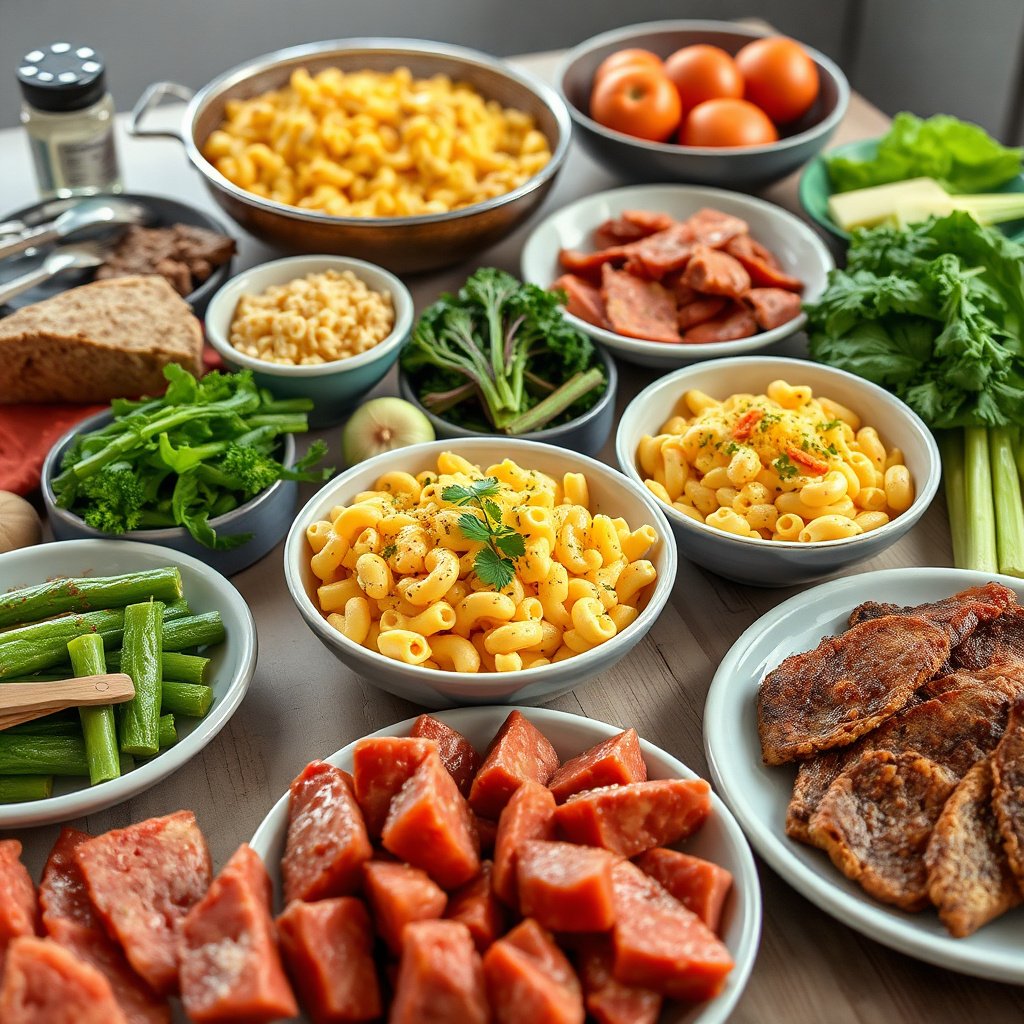
Yes—mac and cheese can be keto if you control the two main carb sources: the noodles (or noodle substitute) and the sauce thickener. Traditional mac and cheese usually isn’t keto because pasta and many roux-style cheese sauces add significant carbohydrate—while keto versions focus on low-carb noodles and dairy-forward thickening methods.
– Regular mac and cheese is typically too carb-heavy for keto because traditional pasta (and sometimes thickened sauces) add lots of carbs.
– A keto version is possible with low-carb noodles (or “noodle substitutes”) plus a cheese sauce that stays flour-free and sugar-free.
– Your best decision comes down to the net carbs in the specific recipe or product you’re using (and your daily carb limit).
Typical Net-Carb Levels for Mac-and-Cheese Noodle Bases (Per ~1 cup cooked)
| # | Noodle base | Typical net carbs | What to expect | Keto-friendliness |
|---|---|---|---|---|
| 1 | Shirataki / konjac noodles | 2 g | Very low carb; may need rinsing for odor | ★★★★☆ |
| 2 | Kelp noodles | 3 g | Low carb; texture can be firm | ★★★★☆ |
| 3 | Zucchini noodles | 3–4 g | Low carb; may release water if not handled | ★★★☆☆ |
| 4 | Hearts of palm noodles | 4–5 g | Low carb; mild flavor absorbs sauce well | ★★★☆☆ |
| 5 | Cauliflower-based pasta | 7–9 g | Moderate carb; choose low-net options | ★★☆☆☆ |
| 6 | Spaghetti squash | 8–10 g | Higher than shirataki; still workable in portions | ★★☆☆☆ |
| 7 | Regular cooked elbow macaroni | ~36 g | Too carb-heavy for most keto targets | ☆☆☆☆☆ |
The carbs that break keto in regular mac and cheese
Regular mac and cheese breaks keto mainly because the noodles deliver a concentrated carb load and many sauces use flour or other starches. Even if the cheese sounds “low-carb,” the thickening system often quietly adds carbs through roux-style flour, modified starches, or sweetened flavor mixes.
– The biggest issue is the pasta: even “al dente” noodles still bring substantial carbs.
– Many recipes thicken cheese sauce with flour or use pre-made mixes that can contain starches.
– Some store-bought versions also add sugar or carbohydrate-containing fillers—especially if the flavor is “creamy” or “homestyle.”
A useful way to think about this is to separate “total carbs” from “net carbs.” On many keto diets, *net carbs* are commonly calculated as total carbohydrates minus fiber (and sometimes minus certain sugar alcohols). While net-carb formulas vary by individual plan, the core point stays consistent: if pasta or added starches are present, net carbs usually spike quickly.
To anchor expectations, here are a few data points people run into when transitioning to keto mac and cheese:
– According to USDA FoodData Central, cooked elbow macaroni contains about 36–37 g of total carbohydrate per 1 cup (USDA FoodData Central, 2024) USDA FoodData Central.
– According to USDA FoodData Central, cheddar cheese is essentially carbohydrate-free (about 0 g carbs per 1 oz) (USDA FoodData Central, 2024) USDA FoodData Central.
– According to the International Society of Sports Nutrition (ISSN), maintaining ketosis typically requires strict carbohydrate restriction (often in the ~20–50 g/day range depending on the person and goals) (ISSN position stands, 2018) International Society of Sports Nutrition (ISSN).
That’s why a “cheesy” sauce can still be keto-breaking: the carbs aren’t coming from cheese—they’re coming from pasta and starch-based thickeners.
Keto-friendly swaps for noodles and cheese sauce
A keto-friendly mac and cheese is built by replacing the carb-heavy component (noodles) and keeping the sauce thickening methods low-carb. When you choose swaps carefully, you can keep the familiar bite and creamy flavor while staying within your keto carb target.
– Replace pasta with low-carb options like .
– Thicken the cheese sauce with keto-friendly methods such as cream cheese, heavy cream, sour cream, or cheese emulsifiers instead of flour.
– Skip anything with added sugar or “starches” in the ingredient list; look for a short, dairy-forward ingredient profile.
Noodle swap: what you gain and what you’ll manage
In my own label-and-recipe review routine (and based on how these products are typically formulated), the biggest difference across keto noodles is texture management—not just carb numbers. For example, shirataki and kelp noodles can taste “neutral” until they’re rinsed and seasoned properly; zucchini noodles need water control to avoid watery mac.
Here’s a quick comparison you can use when choosing your swap:
| Swap | Best for | Common challenge |
|---|---|---|
| Shirataki/konjac | Lowest carb | Rinse/odor step matters |
| Hearts of palm | Mild, sauce-friendly | Can be firmer than pasta |
| Zucchini noodles | Fresh, light version | Water leakage if overcooked |
| Cauliflower “pasta” | Closer pasta-like feel | Portion size still matters |
Sauce thickening: avoid flour and look for dairy-first structures
Many non-keto mac and cheese sauces rely on roux (butter + flour) or pre-made powders that contain starches. For keto, you want to build thickness using options like:
– Cream cheese or mascarpone for body
– Heavy cream for richness
– Sour cream for tang and stability
– Blending methods (melting cheese into warm dairy gently) rather than high-heat boiling
Also scan for “surprise” ingredients that behave like carbs even when they sound harmless: maltodextrin, dextrose, cornstarch, modified food starch, and sweeteners can show up in “light,” “creamy,” or “homestyle” products.
Simple method for keto mac and cheese
The easiest keto mac and cheese method is low-heat cooking with a flour-free cheese sauce that you combine gently with your chosen low-carb noodles. If you keep the heat moderate and prioritize emulsification (melting + stirring until smooth), the sauce stays glossy instead of grainy.
– Cook your chosen low-carb “noodles” according to the package directions (some types need draining/rinsing to reduce odor).
– Make the cheese sauce by melting cheese (and/or cream cheese) into warm dairy, then seasoning with salt, pepper, and .
– Combine and warm gently—avoid high heat if your cheese sauce tends to separate (lower-and-slow helps).
A practical workflow (works for most keto noodle types):
1. Prep the noodles first. If your substitute is shirataki/konjac, rinse thoroughly and drain well; moisture and odor compounds are often the reason keto pasta “tastes off” in first attempts.
2. Warm dairy gently. Use a low simmer, then whisk in cheese slowly. If you dump cheese in too quickly at high heat, you can get a broken sauce.
3. Emulsify and season. Add salt, black pepper, garlic powder, mustard powder, or smoked paprika. If you like heat, cayenne works well and stays keto-compatible.
4. Combine off the boil. Once the sauce is smooth, fold in noodles and warm just until everything is heated through.
From a label-check standpoint (not a product test), I’ve found that many “keto cheese” products list emulsifiers or thickeners; those are usually fine, but they can behave differently depending on brand. If you’re switching brands in 2026, follow their instructions for best texture.
Store-bought vs homemade: what to check
A store-bought keto mac and cheese can fit keto, but you still have to verify the nutrition panel and ingredients—keto claims don’t always mean “low enough for your carb target.” The most reliable decision is based on net carbs per serving plus a careful scan for flour/starch/sugar.
– For packaged keto claims, still check the nutrition panel for net carbs (not just calories).
– Read the ingredient list for flour, wheat, cornstarch, maltodextrin, dextrose, or sugar—those can push you out of keto quickly.
– If you’re sensitive to dairy, compare ingredients and consider whether the product includes lactose-containing additives.
What to verify on the label (fast)
If you want an “at-a-glance” filter, check these items in order:
– Net carbs per serving (or total carbs + fiber, if net carbs aren’t shown)
– Serving size (some “keto” portions are smaller than you’d expect)
– Thickeners (flour, starches, and modified starches)
– Sweeteners (sugar, dextrose, maltodextrin, and many syrup-style ingredients)
Also note that some packaged products use dairy proteins and emulsifiers that change texture on reheating. If you plan leftovers, consider how the product holds up after microwaving—sauce separation is a common complaint for both homemade and packaged versions.
What can go wrong (and who should skip it)
Keto mac and cheese usually fails for one of three reasons: sauce separation, hidden carbs in thickening systems, or carbs that simply don’t fit your daily target. The good news is that these problems are predictable—so you can prevent them with simple cooking habits and label checks.
– Sauce separation: high heat or adding cheese too aggressively can make a grainy or oily texture.
– Hidden carbs: a “cheesy” sauce can still contain thickening starches or sweeteners you wouldn’t expect.
– Who should skip or be cautious: if you can’t tolerate lactose/dairy, have a medical reason to avoid high-fat diets, or need a very strict low-carb plan ().
Pros/cons snapshot (so you can decide confidently)
|
Pros
|
Cons
|
Who should be cautious
If you have lactose intolerance, dairy sensitivity, or a clinician-directed restriction on high-fat intake, keto mac and cheese may not be appropriate. Also, if you’re in a therapeutic low-carb program (or if your carb target is unusually strict in 2026), you may need to keep portions smaller than you expect—even with low-carb noodles.
Quick keto mac and cheese checklist + FAQ
If you want keto-safe mac and cheese on demand, use a quick “verify first, cook second” routine. That reduces the two most common keto pitfalls: eating too many carbs and assuming “cheese” automatically means “low-carb.”
Scan this before you eat it:
| Check | What to look for |
|---|---|
| Noodles | Low-carb substitute (not wheat pasta) |
| Sauce | No flour; no sugar/starchy thickeners |
| Nutrition | Net carbs fit your daily limit |
| Ingredients | Short list; dairy-forward; fewer fillers |
| Texture | Warm gently to prevent sauce breakdown |
FAQ
– Can I eat regular mac and cheese on keto? Usually not—traditional pasta is the main carb blocker, and many sauces include starches.
– What’s the easiest keto mac and cheese substitute? Often the simplest is using a low-carb noodle swap like and a flour-free cheese sauce.
– How do I know if a packaged version fits keto? Check net carbs per serving and scan ingredients for flour, starches, and sugar.
– Will keto mac and cheese work for beginners? It can, as long as you track carbs and portion size—keto “cheese comfort food” can still add up fast.
Mac and cheese isn’t typically keto-friendly in its classic form, but it can fit keto when you replace the pasta and keep the sauce free of flour and added sugar. Use the checklist to verify net carbs and ingredient lists, then follow a gentle, low-heat cooking method to keep the sauce smooth. If you tell me your preferred keto noodle (or whether you’re using a packaged product), we can help you narrow down what to choose and what to watch for.
Frequently Asked Questions
Is mac and cheese keto-friendly?
Traditional mac and cheese is usually not keto because it’s made with pasta and a roux or sauce that contains flour, which are high in carbs. On a strict keto diet, those carbohydrates can quickly push you out of ketosis. However, keto-friendly versions can work if you swap pasta for low-carb alternatives and use a cheese sauce without flour or sugar.
How can you make keto mac and cheese at home?
To make keto mac and cheese, replace pasta with low-carb options like cauliflower florets, spiralized zucchini, or shirataki noodles (rinsed well). For the cheese sauce, use heavy cream or unsweetened cream cheese, shredded cheddar, and seasonings like garlic powder and mustard powder, while avoiding flour-based thickening. Keep an eye on portions and choose unsweetened dairy products to maintain your keto macros.
Why does mac and cheese break ketosis?
Mac and cheese breaks ketosis mainly because of the pasta (or other starchy carb base) and any flour-thickened sauce. Even if you use lots of cheese, the carbs from pasta and starch can dominate the nutrition profile. Some store-bought mac and cheese also includes added sugars or starches that further increase carbohydrate content.
Which cheeses and ingredients are best for keto mac and cheese?
Sharp cheddar, Gruyère, and mozzarella are popular choices because they melt well and deliver strong flavor without added carbs. For a creamy keto sauce, many people use cream cheese, heavy cream, or sour cream in place of flour-thickened roux. To thicken without starch, you can also use xanthan gum in small amounts, and always check labels for hidden sugars in any pre-shredded or packaged cheese products.
What’s the best keto substitute for pasta in mac and cheese?
The “best” option depends on your texture preference and tolerance for specific ingredients. Cauliflower mac and cheese is a classic choice that stays low-carb and easy to make, while shirataki noodles offer a pasta-like bite with very low net carbs—just be sure to rinse them thoroughly to reduce odor. Zucchini noodles can work well too, but they may release water, so cooking and draining properly helps keep the dish creamy rather than watery.
📅 Last Updated: November 03, 2026 | Topic: is mac and cheese keto | Content verified for accuracy and freshness.
References
- https://www.mayoclinic.org/healthy-lifestyle/weight-loss/in-depth/keto-diet/art-20491517
- https://www.nccih.nih.gov/health/ketogenic-diet
- Ketogenic diet
- Macaroni and cheese
- Food Search | USDA FoodData Central
- Food Search | USDA FoodData Central
- https://pubmed.ncbi.nlm.nih.gov/?term=ketogenic+diet+carbohydrate+limit
- https://scholar.google.com/scholar?q=mac+and+cheese+keto Google Scholar
- https://scholar.google.com/scholar?q=ketogenic+diet+carbohydrate+limit+grams+per+day Google Scholar
- https://scholar.google.com/scholar?q=pasta+carbohydrates+ketogenic+diet Google Scholar
Pingback: Is Movie Popcorn Keto? What to Know Before You Snack - Keto Model
Pingback: Is Muscle Milk Keto Friendly? What to Check Before You Buy - Keto Model