Yes—plain green tea is keto friendly. If you’re worried about hidden sugar, that concern is reasonable. Keto depends on keeping net carbs low, and unsweetened brewed green tea has virtually no carbs, so it fits; just avoid bottled or flavored versions with added sugar or honey.
If you’re doing keto and want a warm, low-carb drink that won’t spike your carbs, this is for you. It’s especially useful if you’ve seen “keto” claims on flavored teas or ready-to-drink bottles and want to double-check what’s actually inside.
What “keto-friendly” means for tea
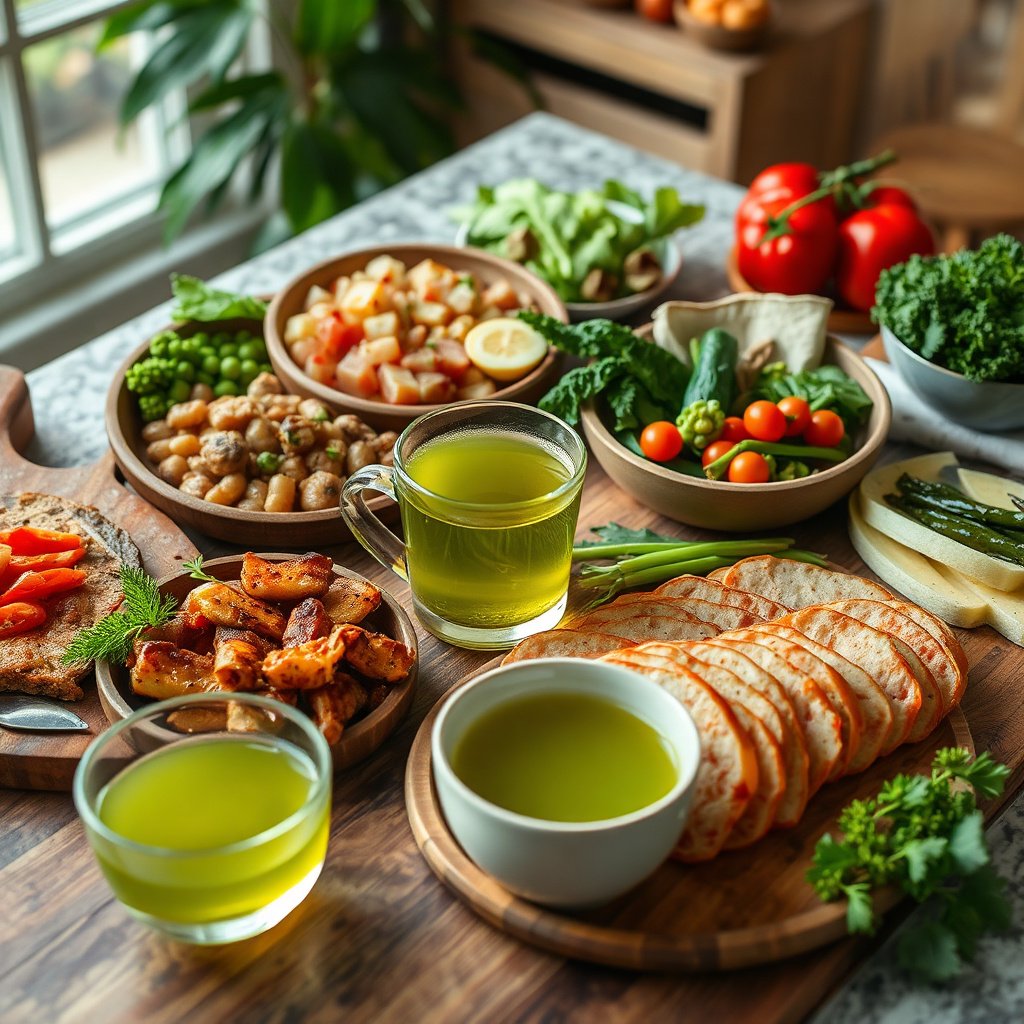
Keto-friendly tea means it stays low in net carbs, not just low in calories or “natural” marketing claims. In practice, that means your green tea should be unsweetened and free of carb-heavy additives—because keto is carb-budgeted, not sweetener-based.
Keto diets generally require keeping net carbs low, so your tea needs to stay free of sugar and carb-heavy additives. Brewed green tea by itself is usually low-carb because the tea leaves contain almost no usable carbohydrates. The main risk isn’t the tea—it’s what gets added (flavorings, syrups, “natural” sweeteners, or powders).
One helpful way to stay grounded is to anchor your expectations in real label math. Many people target 20–50 grams of net carbs per day on keto depending on goals and metabolic response (Cleveland Clinic). That means even “small” sugars can matter—especially if you also add creamers, flavored syrups, or multiple sweetened beverages across the day.
Best way to drink green tea on keto
The simplest answer is: brew plain green tea and don’t add sugar, honey, or non-keto sweeteners. If you want flavor or creaminess, you can do it on keto—but you need to choose add-ins based on their carb contribution, not taste alone.
Choose plain green tea (bagged or loose leaf) and brew it without adding sugar, honey, or milk that you know isn’t keto-compatible. If you want creaminess, stick to options that fit keto macros; otherwise, keep it simple with unsweetened water-based additions. Keep portion size reasonable if you’re also watching caffeine intake—keto doesn’t change how caffeine affects you.
From my everyday routine, the rule I follow (especially in 2026 when “lightly sweetened” products are everywhere) is: I treat green tea as the zero-carb baseline and I audit everything I pour in after brewing. USDA nutrition data consistently supports that plain brewed green tea contains essentially no carbs; for example, USDA FoodData Central lists brewed green tea at about 0 g carbohydrate per 1 cup (8 fl oz), with caffeine around 28 mg per cup. That’s why “plain” is the keyword.
To make the carb impact more concrete, here’s how common add-ins typically affect keto-friendliness in a single cup-sized serving (carb values reflect the add-in amounts listed):
Carb Impact of Common Ways People Customize Green Tea (Typical Serving)
| # | Green tea preparation | Net carbs | Typical sugar content | Caffeine (from brewed base) | Keto fit |
|---|---|---|---|---|---|
| 1 | Plain brewed green tea (8 fl oz) | 0 g | 0 g | ~28 mg | ★★★★★ |
| 2 | Green tea + lemon juice (1 tbsp) | ~1.0 g | ~0.5 g | ~28 mg | ★★★★☆ |
| 3 | Green tea + heavy cream (1 tbsp) | ~0.2 g | ~0.1 g | ~28 mg | ★★★★★ |
| 4 | Green tea + unsweetened almond milk (8 fl oz) | ~1.3 g | 0–1 g | ~28 mg | ★★★★☆ |
| 5 | Green tea + whole milk (8 fl oz) | ~12.0 g | ~12 g | ~28 mg | ★★☆☆☆ |
| 6 | Green tea + honey (1 tsp) | ~6.1 g | ~6.1 g | ~28 mg | ★☆☆☆☆ |
| 7 | Green tea + granulated sugar (1 tsp) | ~4.0 g | ~4.0 g | ~28 mg | ★☆☆☆☆ |
Notes: Carb and sugar values come from USDA FoodData Central entries for brewed green tea and the listed add-ins (e.g., whole milk, honey, and granulated sugar) (USDA FoodData Central). In real life, serving size varies, and “net carbs” tracking depends on whether you subtract certain fiber or sugar alcohols.
Flavored green tea: what to watch for
Flavored green tea is only keto-friendly if the flavor system is truly low-carb. “Flavored” can mean anything from natural botanical notes to added sugars, syrups, or carbohydrate-based thickeners.
“Flavored” doesn’t automatically mean low-carb; some blends add sugar, maltodextrin, or other carb-containing ingredients. Watch for ingredients like cane sugar, dextrose, malt syrup, “fruit powders” used as flavor, or any sweetened extracts. If you’re using bottled tea, check the nutrition label—ready-to-drink options often contain added sugars even when they taste “light.”
Here’s how I approach this when scanning options in 2026: I don’t trust the front label; I go straight to the Nutrition Facts panel for total carbs and sugar, then cross-check the ingredient list for fast-acting carb sources. Keto label-reading is largely a systems check—think of it as applying a “macro compliance” framework: ingredient risk → label confirmation → final carb budgeting for the day.
One important nuance: ingredients can be “carb-adjacent.” For instance, maltodextrin and dextrose are common in beverages because they improve taste, mouthfeel, and shelf stability. Even “small amounts” can add up quickly if you’re also drinking multiple cups of other sweetened beverages across the day. If you’re strict on net carbs, treat any carbohydrate ingredient in a flavored tea as potentially meaningful.
Sweeteners and mix-ins that can still break keto
Some sweeteners keep keto intact, but others quietly increase net carbs. The takeaway is simple: confirm the grams of carbs on the label rather than relying on whether the sweetener sounds “keto.”
Some sweeteners are keto-compatible, but others may contain enough net carbs to matter depending on your daily limit. Be cautious with “keto” or “health” powders that include fillers—sometimes they include carbs even if they’re marketed for low sugar. If you’re adding lemon, spices, or vanilla, verify whether those are just flavoring or whether they come in a sweetened concentrate.
In business terms, this is a governance problem: the brand may be optimizing for taste and “clean” positioning, but the nutrition target is what determines keto success. For keto compliance, the most actionable info is the grams of carbs per serving. If a product says “no sugar added” but still lists carbohydrate calories or carbs from flavor systems, it may not be as keto-friendly as it appears.
Practical mix-in guidance for keto:
– Vanilla extract: choose unsweetened versions; sweetened “vanilla syrups” are often carb-heavy.
– Spices and cinnamon: usually fine as seasoning, but avoid products that come as flavored sweeteners or ready-to-mix concentrates.
– Creamers: many are “creamy but sweet,” meaning carbs often come from added sugars or modified starches.
What can go wrong (common keto tea mistakes)
Most keto tea failures happen when people assume that tea is automatically keto. In reality, it’s the added ingredients—especially in bottled or flavored products—that determine whether your day stays on plan.
Drinking sweetened green tea or bottled “green tea drinks” thinking they’re automatically keto because the main ingredient is green tea. Relying on the front label (“no sugar added,” “keto,” “diet”) without checking the carbs on the nutrition panel. Using multiple “tiny” carb sources throughout the day (sweeteners, flavored syrups, creamers), which can add up faster than you expect.
Here’s a quick comparison you can use when deciding whether a product is likely compliant:
| Tea choice | Likely keto outcome | Why |
|---|---|---|
| Plain brewed green tea | Usually compliant | Minimal to no carbs in the base drink (USDA FoodData Central) |
| Bottled “green tea” with added flavor | Often not compliant | Many contain sugar, juice concentrates, or carbohydrate-based flavor systems |
| “No sugar added” flavored tea | Uncertain | “No sugar added” doesn’t guarantee zero carbs—check total carbs and sugar |
| Tea with whole milk | Often not compliant | Whole milk can contribute about 12 g carbs per cup (USDA FoodData Central) |
| Tea sweetened with honey | High risk | Honey is carb-rich; even 1 tsp can add ~6 g carbs (USDA FoodData Central) |
From my own label-reading habit, the pattern is consistent: the more the product tries to imitate dessert flavors, the more likely it contains carbohydrate-based ingredients that matter for keto. In 2026, brands also compete on “light sweetness,” which can obscure the fact that your daily carb budget doesn’t care how subtle the sweetness tastes.
Verdict: is green tea keto friendly for most people?
Green tea is usually keto-friendly when it’s plain and unsweetened. It’s a simple swap that can help you stay hydrated without adding carbs—but flavored, bottled, or “keto tea” products may contain added sugars or carb-containing additives, so ingredient and label checks matter.
As of 2026, the most reliable approach is still the same: start with plain brewed green tea and control the add-ins. If you want lemon or spice, use plain seasoning rather than sweetened concentrates. If you prefer creamy tea, choose a keto-leaning dairy option and keep track of portion size. Skip keto green tea alternatives altogether if you can’t clearly identify the carb content (especially for flavored mixes) or if you’re caffeine-sensitive and need to avoid harsh timing on an empty stomach.
Quick keto checklist (scan/save)
– [ ] Green tea is unsweetened (no sugar, honey, syrups)
– [ ] You checked net carbs (or at least carbs) on the label for bottled versions
– [ ] No carb fillers in flavored blends (watch for maltodextrin/dextrose)
– [ ] Any add-ins (milk/cream/sweeteners) fit your keto carb limit
– [ ] You tolerate caffeine well (go slower if you’re sensitive)
Frequently Asked Questions
Is green tea keto friendly?
Yes—green tea is generally keto friendly because it’s very low in carbohydrates. Most plain green tea has only 0–1 grams of net carbs per serving, making it compatible with a ketogenic diet. Just make sure you choose unsweetened green tea (hot or bottled) to avoid added sugar that can quickly raise carbs.
How many carbs are in green tea on keto?
Brewed plain green tea typically contains 0 grams of carbs, while flavored or bottled versions can contain small amounts depending on the label. Many brands list net carbs between 0–3 grams per serving, especially if they include sweeteners or juice concentrates. For keto, stick to beverages with “0g sugar” or very low net carbs and verify the nutrition facts.
Why does green tea fit into keto even though it has “tea leaves”?
Keto focuses on limiting carbohydrates, not avoiding drinks made from plants. Green tea leaves contain some natural compounds, but the amount extracted into a typical cup of brewed tea is small in terms of carbs. When you drink unsweetened green tea, the carbohydrate impact is minimal compared with the carb limits of a ketogenic diet.
Which green tea should I choose for keto—matcha or brewed green tea?
Both can be keto friendly, but they differ in how concentrated they are. Matcha is often more concentrated than brewed tea and can have slightly higher carbs, especially if you use sweetened matcha powders or lattes. If you’re doing keto, choose unsweetened matcha and keep an eye on added ingredients like sugar, syrups, or milk that may increase carbs.
What’s the best way to drink green tea on keto without breaking macros?
The best approach is to drink plain, unsweetened green tea and avoid sweetened bottled teas or “green tea” drinks with added sugar. If you want extra flavor, use keto-friendly options like cinnamon or a calorie-free sweetener (in moderation) rather than sugar or honey. You can also pair green tea with meals since it’s a zero-to-low carb beverage that won’t significantly affect your keto macros.
📅 Last Updated: November 03, 2026 | Topic: is green tea keto friendly | Content verified for accuracy and freshness.
References
- Green tea
- Ketogenic diet
- Telehealth: Technology meets health care – Mayo Clinic
- Green Tea: Usefulness and Safety | NCCIH
- https://pubmed.ncbi.nlm.nih.gov/?term=green+tea+catechins+weight+loss
- https://pubmed.ncbi.nlm.nih.gov/?term=green+tea+and+energy+expenditure
- https://pubmed.ncbi.nlm.nih.gov/?term=green+tea+polyphenols+metabolism+randomized+trial
- https://scholar.google.com/scholar?q=green+tea+ketogenic+diet Google Scholar
- https://scholar.google.com/scholar?q=green+tea+carbohydrates+net+carbs Google Scholar
- https://scholar.google.com/scholar?q=unsweetened+green+tea+low+carbohydrate Google Scholar