

Cornmeal is not keto-friendly for people following a strict ketogenic diet. The deciding factor is its carbohydrate load: because cornmeal is made from corn, it tends to push net carbs too high for ketosis, even when used in small portions.
No—cornmeal is not typically keto-friendly because it’s made from corn, and corn is relatively high in carbs. If you’re strict about keeping carbs very low, you’ll usually need to limit or avoid cornmeal and choose lower-carb alternatives instead; this guide breaks down how cornmeal fits (or doesn’t fit) into a keto carb budget and what to do if you still want to use it.
If you’re doing keto for weight loss, blood sugar support, or a low-carb lifestyle, this matters because even “small” servings of corn-based foods can add up quickly. You’ll find practical ways to think about portions, ingredient swaps, and when cornmeal might be a poor fit for your goals.
Who this is for (and when it applies)
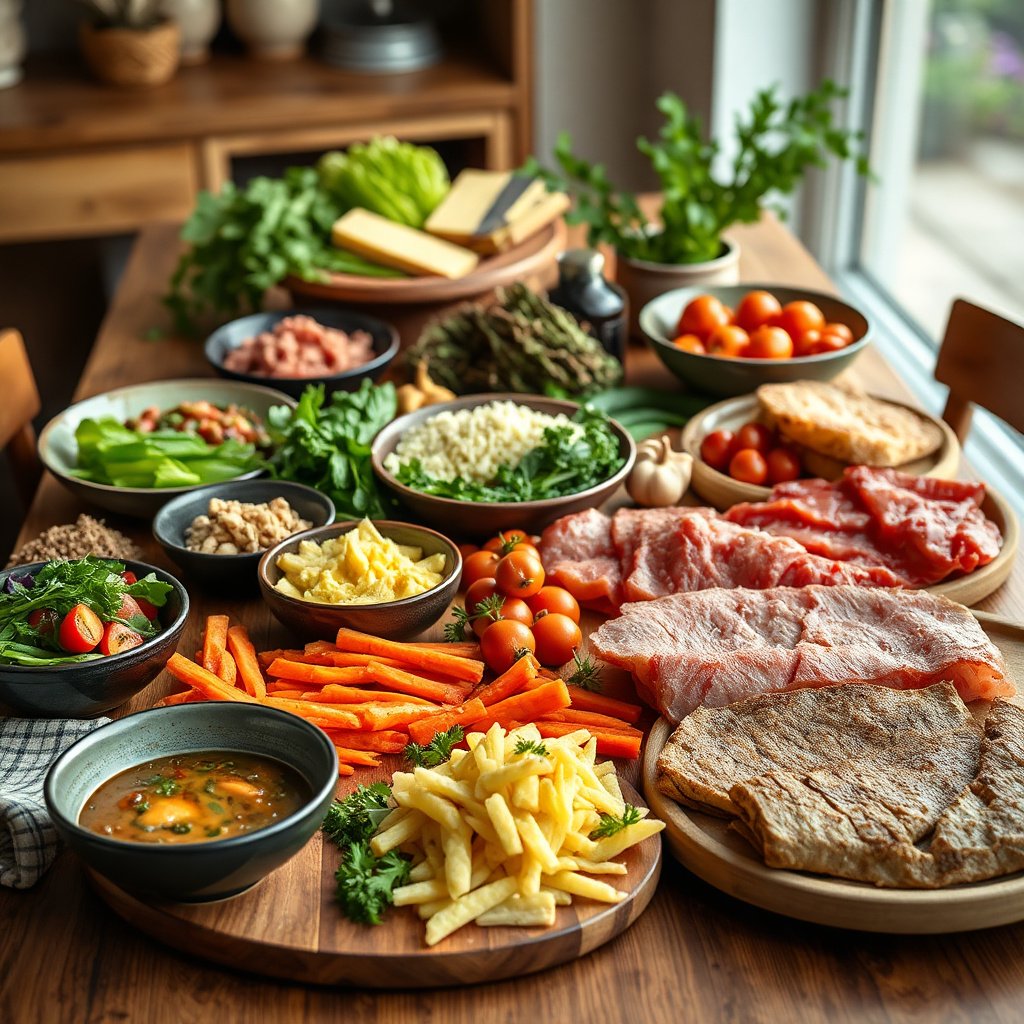
This article is for people following strict keto (often targeting very low daily net carbs) as well as those doing a less rigid low-carb approach who still want predictable progress in 2024–2026. If you’re trying to stay in ketosis without constant macro math—or you simply want to know whether cornmeal will sabotage your day—cornmeal’s carb profile is the key decision point.
Why cornmeal usually isn’t keto
Cornmeal typically isn’t keto-friendly because its carbs are largely starch, and corn products can add more net carbs than most keto flours. In practice, this means cornmeal often makes it harder to stay within a keto carb budget—especially when cornmeal is used as the main flour in baking, breading, or thickening sauces.
– Cornmeal comes from corn, which generally contains more net carbs than keto-friendly flours.
– Many people on keto aim to keep carbs low enough that even moderate-carb ingredients can throw off ketosis.
– “Keto” claims on packaging don’t always match what strict keto carb limits require.
According to the USDA FoodData Central, dry yellow cornmeal contains roughly 73 g total carbohydrate per 100 g, with dietary fiber around 7 g per 100 g (so net carbs are much higher than keto-friendly flours) (USDA FoodData Central). For many keto eaters, the issue isn’t just “cornmeal has carbs”—it’s that those carbs arrive quickly and often in recipes where portions creep up (for example, breading a larger portion of protein, or using cornmeal as a thickener in a bigger batch).
On top of that, “net carbs” (net carbs = total carbs − fiber) isn’t standardized on every label the way total carbohydrates are. Different brands and different processing methods (whole-grain vs refined cornmeal) can shift the numbers enough to matter for strict keto, and especially for people who aim to stay under 20–50 g net carbs/day (Mayo Clinic). That’s why cornmeal can be a steady source of carb drift.
Carb check: how to judge cornmeal for keto
Cornmeal can only “fit” keto if you can quantify its net carbs in the portion you’ll actually eat. The most reliable approach is to start with the nutrition label, calculate net carbs, then confirm the portion in the context of your total daily keto carb target.
– Look at the label for total carbs and fiber, then focus on net carbs (net carbs = carbs minus fiber).
– Serving size matters—small differences in portion can change whether it fits your day.
– If you can’t clearly calculate net carbs from the nutrition label, treat it as a red flag for keto planning.
Here’s a practical way to think about cornmeal and the keto carb budget: if cornmeal is your “main dry ingredient,” you’re not just eating a sprinkle—you’re importing a large starch load. When cornmeal is used in small amounts (like a dusting for texture), it may still fit for some people, but keto success depends on your ability to measure and track, not on the ingredient’s reputation.
To make this easier, below is a nutrition-focused snapshot of typical net-carb density in common flour-like ingredients. Values are based on standard nutrition references per 100 g (dry); real-world products vary, so always verify your brand’s label.
Net-Carb Density of Common “Flour” Ingredients (Dry, per 100 g)
| # | Ingredient | Net Carbs (g) | Dietary Fiber (g) | Keto Fit |
|---|---|---|---|---|
| 1 | Cornmeal (yellow, dry) | ~66 | ~7 | ★ |
| 2 | Coconut flour (dry) | ~22 | ~38 | ★★★ |
| 3 | Almond flour (blanched, dry) | ~11 | ~10 | ★★★★ |
| 4 | Chia seeds (dry) | ~8 | ~34 | ★★★★ |
| 5 | Flaxseed meal (dry) | ~2 | ~27 | ★★★★★ |
| 6 | Soy flour, full-fat (dry) | ~8 | ~9 | ★★★★ |
| 7 | Sesame flour (dry) | ~2 | ~12 | ★★★★★ |
In my day-to-day macro tracking, the biggest “gotcha” with cornmeal is that people often remember to check carbs for the cornmeal itself but forget that recipes magnify the impact—especially if cornmeal is used to thicken a sauce and then the sauce is served over multiple portions.
As of 2024–2025, most keto guidance still treats “net carbs” as a planning concept rather than a perfect science, because digestion varies by person and food matrix (Mayo Clinic). That’s why calculating is necessary but not sufficient—you also need to confirm how you respond.
When (and how) cornmeal might fit anyway
Cornmeal can sometimes fit keto when it’s used in very small, carefully tracked amounts and the rest of your day stays low-carb. If you want to use cornmeal while pursuing ketosis in 2024–2026, you’ll typically need to treat it as a “texture ingredient,” not a staple.
– Some people use cornmeal in very small amounts and track carefully to stay within their carb limit.
– It’s more likely to work as an occasional “ingredient” than a staple, especially in thicker recipes.
– If your keto approach is less strict, you may tolerate more carbs than “classic” keto—but you should still track.
Here’s where cornmeal can be strategically helpful: recipes where a small amount of grainy flour adds crispness or body, like coating chicken pieces or giving a rustic texture to a baked crust. In these cases, cornmeal is often replacing breadcrumbs or another higher-carb coating—not adding another “carb layer” on top of an already carb-heavy plan.
But even then, cornmeal can be a trap when you don’t track the whole batch. If you dust a tray, bake it, and then portion it by eyeballing, it’s easy to exceed your keto carb budget. A thicker recipe (like a small amount used for texture) often makes portioning simpler than a thin spread where every bite includes some cornmeal.
To decide whether cornmeal is a “maybe,” use a quick decision rule: if your keto goal is strict ketosis, cornmeal needs to remain a minor fraction of the recipe’s dry ingredients, and your planned serving must still keep you inside your net-carb target.
Cornmeal vs common keto-friendly thickeners (quick trade-off)
If your goal is thickening (soups, sauces, gravies), this trade-off matters more than flavor preferences.
| Ingredient role | Cornmeal tends to do | Keto-friendlier approach tends to do |
|---|---|---|
| Thickening power | Works, but adds starch calories and carbs | Often thickens with less net-carb load (varies by choice) |
| Texture | Grainy/rustic; can get heavy | Can be smoother or similarly rustic depending on swap |
| Macro predictability | Medium to low (brand + portion swings) | Generally higher when using labeled low-carb flours |
| Batch portioning | Easy to over-serve | Easier to keep a stable carb-per-serving target |
| Baking/coating | Adds crunch but raises net carbs | Almond/coconut/flax-based options can better match keto budgets |
Better keto alternatives to cornmeal
Cornmeal’s main weakness on keto is carb density, so the easiest solution is to swap to low-net-carb flours or fiber-forward binders. The “best” alternative depends on the job cornmeal is doing—coating, baking structure, or thickening.
– Lower-carb flours are usually easier to incorporate without exceeding your carb target.
– Consider options like almond flour or coconut flour for many recipes that call for cornmeal.
– For breading or coating, look for keto-friendly breading mixes or finely ground alternatives made for low-carb diets.
When you’re choosing a swap for cornmeal, think in terms of functional chemistry: flour substitutes behave differently with liquids. Almond flour often browns well and mimics a tender crumb; coconut flour absorbs more liquid (so recipes typically need added eggs or extra moisture). Flaxseed meal and chia seeds can thicken through gel-forming fibers, which is why they’re popular for keto baking.
Comparison table: choosing a cornmeal substitute (what each excels at)
Below is a practical comparison focused on keto food outcomes rather than marketing labels.
| Feature | Almond flour | Coconut flour | Flaxseed meal | Chia seeds |
|---|---|---|---|---|
| Typical net-carb advantage vs cornmeal | High | Medium | Very high | High |
| Works in quick coatings | Often | Sometimes | Limited | Limited |
| Best role for baking structure | Took-like crumb | Absorbent crumb | Binder | Binder/gel |
| Liquid absorption behavior | Moderate | High | Moderate | High gel-forming |
| Texture after cooking | Tender | Light, sometimes dry | Nutty, denser | Gel-like matrix |
| Most common “swap mistakes” | Too much flour | Too little added liquid | Overbinding | Undissolved gel |
| Fiber contribution | Moderate–high | Very high | High | Very high |
| Overall keto fit for strict plans | High | Medium–high | Very high | High |
| Digestive tolerance varies | Moderate | Sometimes challenging | Often tolerated | Often tolerated |
| Flavor neutrality | Mild | Coconut note | Nutty/earthy | Mild, slightly beany |
| Best For | Cakes, cookies, breading | Absorbent keto baking | Binders and thickening | Gel-based sauces & binders |
In many keto kitchens, almond flour and coconut flour are “default swaps” because they behave more like wheat flour than seeds do. Still, cornmeal can be used if you respect its net-carb reality—especially if you’re not aiming for strict ketosis every day.
What can go wrong (common mistakes)
Cornmeal mistakes usually come from underestimating the portion impact or ignoring carbs added elsewhere in the recipe. When cornmeal is involved, it’s easy to make keto harder without realizing why.
– Using cornmeal “because the serving looks small” and not counting net carbs for the whole recipe.
– Assuming “organic,” “stone-ground,” or “whole” cornmeal automatically makes it keto.
– Ignoring hidden carbs in recipes (e.g., added sugar, corn starch, or sweet sauces alongside cornmeal).
The most common failure mode with cornmeal is recipe scaling: you measure one tablespoon, but you end up using it across four servings. If your keto goal is strict, that one “small” spoon can become a larger per-serving carb load once the batch is split.
Another mistake is believing that “whole” or “stone-ground” changes the net-carb math. Those terms may affect micronutrients, flavor, and fiber—but cornmeal remains corn-based starch. The keto question is carbs per serving, not production method.
Finally, cornmeal often appears in recipes that also include other carb sources. Sweet sauces, honey-based marinades, corn starch, and even certain BBQ rubs can erase any carb savings you hoped to get by swapping one ingredient. This is why keto success depends on reading the full ingredient list, not just the cornmeal entry.
Verdict: should you eat cornmeal on keto?
Cornmeal is usually not keto-friendly for strict keto because it’s carb-heavy compared with typical keto flours. If you want to try it, do it only in tightly controlled portions and with careful net-carb tracking—otherwise, you’re more likely to overshoot your limit.
That said, “usually” matters: some people tolerate cornmeal occasionally, especially if they’re doing a more flexible low-carb approach or if the recipe uses a very small amount. The decisive factor is whether cornmeal keeps your net carbs within your personal daily target in 2024–2026.
Who should skip cornmeal entirely: people aiming for predictable ketosis (for example, to manage blood sugar with a clinician-approved plan), anyone unwilling to track macros, and anyone who consistently overshoots carb targets. If you fall into those groups, using cornmeal will likely create more confusion than benefit.
VS table: Cornmeal vs Almond Flour (for strict keto carb control)
| Criteria | Cornmeal | Almond flour |
|---|---|---|
| Primary ingredient | Corn | Almonds |
| Typical net-carb density | High | Lower |
| Breading/coating impact | Carbs add up quickly | More predictable |
| Batch portioning risk | Higher | Lower |
| Recipe substitution effort | Requires strict tracking | Usually easier swap |
| Texture outcome | Rustic, grainy | Tender, crumb-friendly |
| Thickening in sauces | Works, but starch-heavy | Often lighter carb impact |
| Label reading requirement | Very high | High |
| Strict keto friendliness | Typically low | Typically high |
| Overall keto predictability | Lower | Higher |
| Verdict | Not ideal for strict keto | Better carb control |
Quick checklist: cornmeal keto-fit
– [ ] I checked net carbs (not just total carbs) from the nutrition label
– [ ] I calculated the whole recipe serving, not just one spoonful
– [ ] My portion stays within my daily keto carb target
– [ ] I’m using cornmeal occasionally, not as the main flour
– [ ] I have a lower-carb alternative ready if it doesn’t fit
Frequently Asked Questions
Is cornmeal keto-friendly?
Cornmeal is generally not considered keto-friendly because it’s relatively high in net carbs. Keto typically targets about 20–50 grams of net carbs per day, and cornmeal can quickly use up that budget. If you want to stay in ketosis, most people choose lower-carb alternatives instead of cornmeal.
How many carbs are in cornmeal, and will it kick you out of ketosis?
Cornmeal contains carbs from corn, including starch, which raises total and net carb counts. Depending on the brand and whether you measure by teaspoons or tablespoons, even a small serving can add up fast. To avoid disrupting ketosis, check the nutrition label for net carbs and compare it to your daily carb limit.
Why is cornmeal not keto, even though it’s gluten-free?
Cornmeal is gluten-free, but gluten-free doesn’t automatically mean low-carb. Cornmeal is still made from corn kernels, which are carbohydrate-rich. On a keto diet, the key issue is net carbs—not whether a food is gluten-free.
Which keto alternatives can replace cornmeal in recipes?
If you’re looking for keto cornmeal substitutes, consider almond flour, coconut flour, or finely ground flaxseed. For a more “corn-like” texture, some people use low-carb breading mixes made with almond or coconut-based blends. Always choose options that fit your carb target and adjust recipes since keto flours absorb moisture differently.
What’s the best way to use cornmeal while staying as keto as possible?
The most practical approach is to limit cornmeal to very small portions and treat it as an occasional ingredient rather than a staple. If you do use it, calculate net carbs carefully and pair it with low-carb fats and proteins to reduce how quickly carbs add up. For consistent keto results, many people find it easier to switch to almond flour or other lower-carb substitutes.
📅 Last Updated: November 03, 2026 | Topic: is cornmeal keto | Content verified for accuracy and freshness.
References
- Ketogenic diet
- https://www.mayoclinic.org/diseases-conditions/diabetes/in-depth/keto-diet/art-20402868
- Cornmeal
- https://fdc.nal.usda.gov/fdc-app.html#/food-search?query=cornmeal%20carbohydrate
- https://pubmed.ncbi.nlm.nih.gov/?term=ketogenic+diet+carbohydrate+restriction
- ketogenic diet carbohydrate restriction – Search Results – PMC
- ketogenic diet carbohydrate intake g per day – Search Results – PMC
- https://scholar.google.com/scholar?q=is+cornmeal+keto Google Scholar
- https://scholar.google.com/scholar?q=cornmeal+carbohydrate+content+net+carbs Google Scholar
- https://scholar.google.com/scholar?q=ketogenic+diet+carbohydrate+limit+20+50+grams Google Scholar


Pingback: Is Crab Keto Friendly? Net Carb, Best Ways to Eat It - Keto Model
Pingback: Is Cream Keto Friendly? What to Check Before You Use It - Keto Model