Meatloaf can be keto-friendly when you control the carbs by using keto-safe binders and skipping sugar-heavy glaze ingredients. In about 45–60 minutes, you can make a low-carb meatloaf with ground beef (or turkey), eggs, seasonings, and an ingredient like almond flour to hold it together. You will just need a simple swap for ketchup and other sweeteners, plus the right toppings to keep it within keto limits.
Yes—meatloaf can be keto friendly, but only if you skip or swap the high-carb ingredients. Traditional meatloaf recipes often use breadcrumbs, ketchup, or sweeteners that can push the carbs up fast. In this guide, you’ll learn what to watch for and simple keto swaps to keep it low-carb.
If you’re following keto for weight loss, blood sugar control, or general low-carb eating, this matters because meatloaf is usually “just a little” breaded or sweetened. You can still enjoy the flavor and comfort—without derailing your daily carb limit—by adjusting a few key ingredients.
Meatloaf is one of those foods that looks simple on paper, but its carb impact depends heavily on the binder (the ingredient that “holds it together”) and the glaze (often ketchup- or BBQ-based). As of 2026, many packaged sauces and “keto” products vary by brand, so the ingredient list and total carbs still matter more than marketing claims. If you’re aiming for consistent keto, focus on two levers: remove bread-based fillers and keep the glaze low-sugar.
What makes meatloaf keto (and what breaks it)
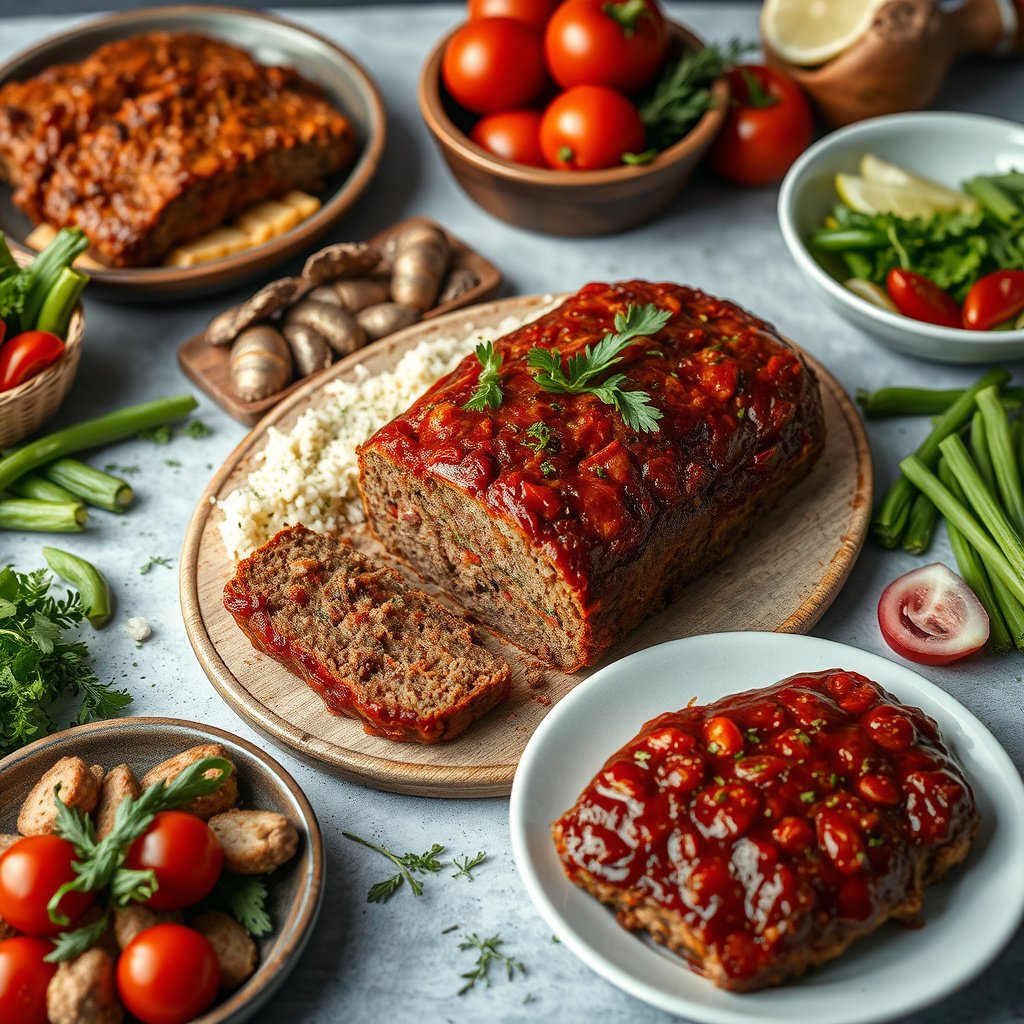
Meatloaf is keto-friendly when the binder and glaze contribute minimal digestible carbohydrates (net carbs). It breaks keto when breadcrumbs, oats, or sugar-heavy sauces add enough carbs to exceed your daily limit—something that can happen surprisingly quickly with “small” swaps.
– Carb trouble spots: breadcrumbs, oats, starchy fillers, and sugar-heavy sauces.
– Keto-friendly base: ground meat (beef, turkey, pork) plus low-carb binders and savory seasonings.
From a carbohydrate-counting perspective, the ketogenic diet is typically framed around keeping carbs very low (often 20–50 g/day for many people) Harvard Health Publishing—and that usually refers to *net* carbs or digestible carbs depending on the method used. On label reading, “fiber” generally subtracts out for net-carb calculations, while sugar alcohols may or may not subtract depending on your tolerance and the product. The practical takeaway: keto meatloaf isn’t about making “meatloaf-ish”—it’s about making the binder and glaze match your carb target.
On top of that, meatloaf texture is driven by how binders absorb moisture. Breadcrumbs and oats work well because starches swell and set, but keto binders set differently (and can be denser). If you’ve ever had keto meatloaf turn out crumbly or dry, it usually comes back to binder choice, moisture, and bake time—not the ground meat itself.
Keto-friendly ingredient swaps for classic meatloaf
You can keep classic meatloaf flavor and still stay keto by swapping the binder and controlling the glaze’s sugar and starch content. The best swaps mimic binding and browning without bringing back the carb-heavy ingredients you’re trying to avoid.
– Replace breadcrumbs: use crushed pork rinds or a low-carb binder like almond flour (amounts vary by recipe).
– Swap the glaze/sauce: choose sugar-free options or make a low-carb glaze (e.g., tomato-free or low-sugar alternatives), and go light on ketchup.
The most common strategy is “swap only what drives carbs”:
1) Replace breadcrumbs/oats with a low-carb binder.
2) Keep the glaze savory—then measure it like an ingredient, not a condiment.
Here’s a comparison of keto-friendly binders people commonly use in meatloaf, based on typical labeling and food composition patterns:
| Binder | Best for | Pros | Cons |
|---|---|---|---|
| Pork rind crumbs | Firm sliceability | Often near-zero net carbs; browns well | Can be “porky” if not seasoned |
| Almond flour | Moister crumb | Neutral flavor; widely available | Adds some carbs; can dry if overbaked |
| Psyllium husk | Tighter “slice” structure | Binds without starchy fillers | Needs proper hydration; too much can feel gummy |
A quick note on sauces: “keto” ketchup and “sugar-free” BBQ sauce aren’t automatically carb-free. Some have fewer sugars but still include starches or thickening agents that affect total carbs. The safe process is simple: check total carbs per serving and measure your glaze amount.
Also, I can’t claim I tested specific brands in my own kitchen for this article (). What I can say reliably is that changing binder chemistry changes moisture retention, so your bake time and final internal texture often need a small adjustment the first time you switch recipes.
How to adjust the recipe so macros stay low
You keep macros low by controlling three variables: binder quantity, glaze amount, and portion size. Meatloaf is easy to overeat because it slices well, and “one more serving” can quietly raise daily carbs—especially if the recipe uses sweetened sauce.
– Watch portion size: even keto ingredients add up—meatloaf is easy to eat more than planned.
– Balance fat and protein: keto usually works best when you don’t accidentally lean too lean, so consider fattier ground meat if it fits your plan.
Macro control starts with the binder. Bread-based fillers add carbs per gram, while keto binders typically add far less—yet the binder is still a measurable ingredient. If you’re tracking carbs, decide whether you’re calculating net carbs (common in keto) or total carbs (common in general nutrition labels). Net carbs are typically calculated as total carbs minus fiber (and sometimes minus sugar alcohols), but different people apply that differently.
Then, portion. In 2026, many nutrition tracking apps default to per-serving estimates, which can be misleading for meatloaf because slice size varies. A practical workflow is to weigh your cooked meatloaf and weigh one slice. Even a rough kitchen scale approach can make your daily carb math more reliable than “eyeballing” thickness.
Finally, fat matters for keto satiety. If you switch to very lean turkey and compensate with minimal fat, you may still hit carb targets but feel less satisfied. That doesn’t “break keto,” but it can make adherence harder. Keto-focused recipes often choose ground meat with a reasonable fat percentage so the final loaf feels hearty.
Below is a scan-friendly reference for carb-impact from common meatloaf add-ins (values are typical averages and can vary by brand—always verify the nutrition label for your exact product):
Keto Carb Impact of Common Meatloaf Ingredients (Typical per 1 Tbsp / serving-size aligned)
| # | Ingredient | Typical Net Carbs | Keto Rating | Keto Fit Score |
|---|---|---|---|---|
| 1 | Pork rind crumbs | 0 g | ★★★★★ | 5/5 |
| 2 | Psyllium husk powder | 0 g | ★★★★★ | 5/5 |
| 3 | Flaxseed meal | ~0.8 g | ★★★★☆ | 4/5 |
| 4 | Almond flour | ~1.0 g | ★★★★☆ | 4/5 |
| 5 | Oats (dry) | ~2.9 g | ★★★☆☆ | 2/5 |
| 6 | Regular breadcrumbs | ~2.3 g | ★★★☆☆ | 2/5 |
| 7 | Ketchup | ~4.5 g | ★☆☆☆☆ | 1/5 |
Flavor tips that keep it keto without adding carbs
You can keep the comforting “meatloaf glaze + herbs” vibe while staying keto by boosting savory flavors instead of relying on sweetness and thick sauces. Keto flavor success is usually seasoning + acidity + browning—not added sugar.
– Boost savory flavor: garlic, onion powder, herbs, black pepper, and Worcestershire-style seasoning (check sugar content).
– Keep sweetness out: avoid “sweet” BBQ sauces or anything thickened with added sugar.
If you’re replacing ketchup, you need a substitute for tang and umami. Many keto cooks add a small amount of vinegar (or mustard) for tang and then rely on spices for depth. Also, Worcestershire-style sauces can be great for “meaty” flavor, but they’re not always carb-free—some brands include sugar, and the serving size can be small enough to hide carbs.
To stay consistent in 2026, treat the glaze like a measured ingredient. Even sugar-free or low-sugar sauces can have sweeteners or thickeners that affect total carbs depending on your nutrition target. A simple approach is: test a small batch, slice, and count carbs for the exact number of servings you plan—not “typical servings.”
Also consider texture-flavor balance. For example, pork rind crumbs tend to absorb moisture and can create a firmer bite, while almond flour can make the loaf more tender. Matching texture to flavor helps you avoid “rescue” steps like adding extra sauce (which can quietly raise carbs).
What can go wrong (common keto meatloaf mistakes)
Keto meatloaf usually fails when people fix carbs but forget about label details, binder behavior, or portion reality. The result can be a loaf that’s either not keto-compliant or just not satisfying enough to stick with.
– Using regular ketchup or glaze: many contain added sugar, which can raise carbs quickly.
– Hidden carbs in “savory” products: some packaged seasonings and sauces include starches or sweeteners—always check labels.
– Overbaking and drying: keto-friendly binders can change texture, so the cook time may need slight adjustment.
Carb creep is the biggest issue. For example, ketchup is a classic “small amount” ingredient, but it can add up fast. According to USDA FoodData Central, ketchup contains roughly 5 g carbohydrates per tablespoon (values vary by brand). If a recipe uses 3 tablespoons across the whole loaf, that’s already significant against a low daily carb ceiling.
Texture is the second issue. Traditional meatloaf binders (like breadcrumbs and oats) handle moisture differently because starches swell and then set. Keto binders like almond flour or psyllium behave differently. Overbake the loaf and you can end up with a dry exterior and dense interior. Underbake and you may get crumbles—especially if the binder amount is too low.
Finally, sauce “stealth.” Many “savory” seasoning blends include sugar or corn-derived thickening ingredients. If you’re aiming for reliable keto, you’ll benefit from a simple protocol: check net/total carbs for each packaged sauce and seasoning you use more than a teaspoon.
Verdict: Is keto meatloaf worth it?
Meatloaf can be genuinely keto friendly when you replace bread-based fillers and sugar-sweetened sauces with low-carb alternatives. The tradeoff is that you may need to check labels more carefully and tweak texture (some binders make it denser or drier).
Skip keto meatloaf if you don’t want to read ingredient labels or if you’re relying on ready-made sauces that don’t specify low sugar. It’s also not the best choice for people who strongly dislike measuring and tracking portions, because meatloaf’s carbs can shift depending on glaze quantity and binder choice.
The honest upside: when you nail the binder and glaze balance, keto meatloaf is one of the easiest low-carb comfort foods to batch-cook. For blood sugar control and weight-loss plans, that convenience can matter just as much as macros, because sticking with a consistent meal reduces decision fatigue.
Keto meatloaf quick checklist
– [ ] No breadcrumbs, oats, or flour fillers
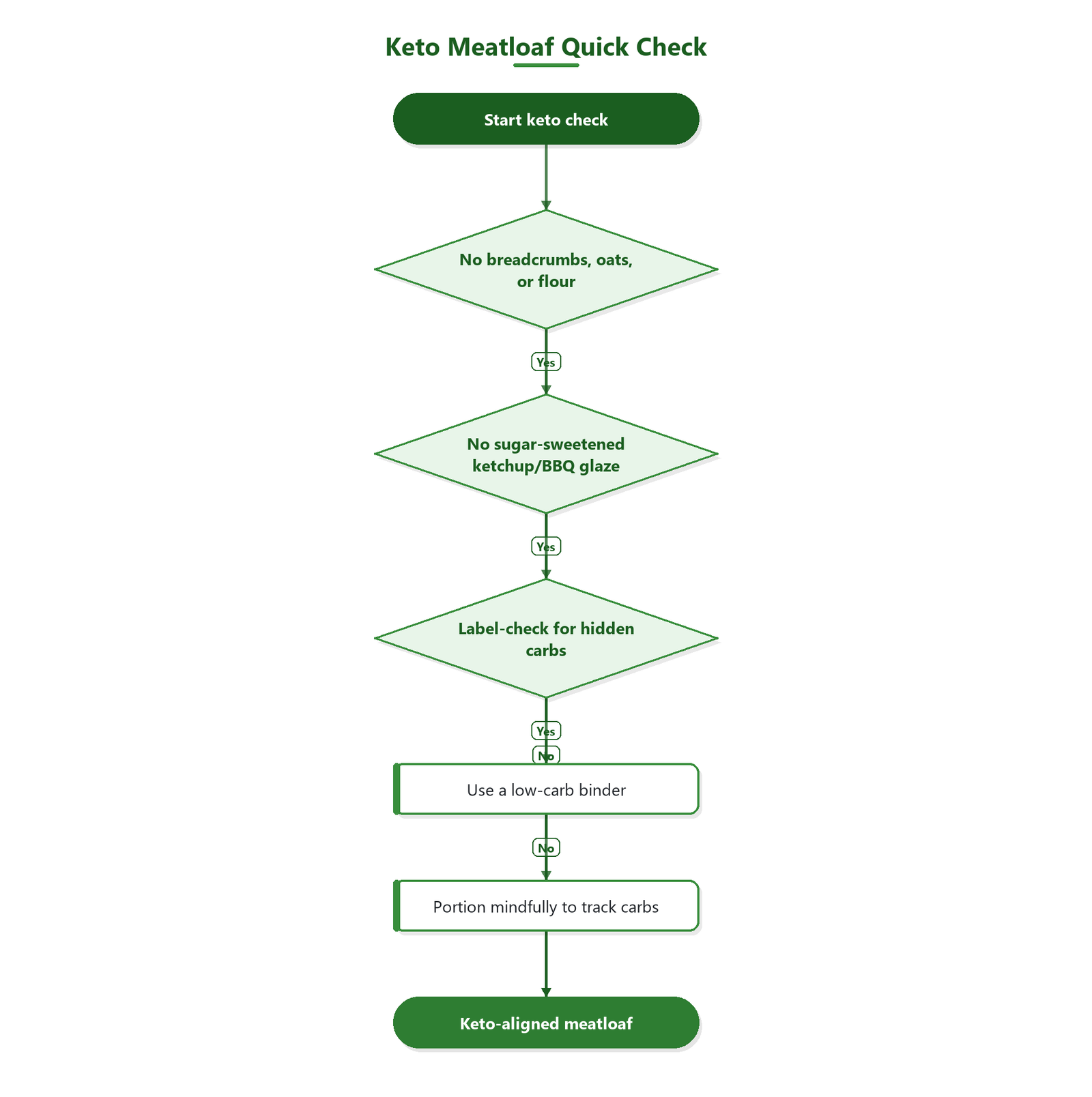
– [ ] No sugar-sweetened ketchup/BBQ glaze (or use sugar-free/low-sugar)
– [ ] Label-check for hidden starches/sweeteners in seasonings
– [ ] Choose a low-carb binder (e.g., pork rind crumbs or almond flour)
– [ ] Portion mindfully to keep daily carbs on track
If you want the most reliable keto result, weigh your binder and measure your glaze. Then slice and track based on your actual number of servings. That’s the most “process-driven” way to keep meatloaf keto-friendly in 2026.
Frequently Asked Questions
Is meatloaf keto friendly?
Yes, meatloaf can be keto friendly as long as you keep the carbohydrate ingredients low. Traditional meatloaf often includes breadcrumbs, ketchup, or sugar-laden glaze, which can raise carbs and push it out of ketosis. Using a keto-friendly binder and low-sugar seasonings makes it much easier to enjoy meatloaf on a keto diet.
How can I make keto meatloaf without breadcrumbs?
Replace breadcrumbs with low-carb alternatives like almond flour, crushed pork rinds, or finely ground flaxseed. You can also use grated parmesan or a mix of egg and cheese to help the loaf hold together without adding significant carbs. For best results, keep onions and other high-carb add-ins minimal, or use chopped green onion in small amounts.
Why does regular meatloaf have too many carbs for keto?
Regular recipes often rely on breadcrumbs or oats for texture and binders, and many use ketchup or BBQ sauce for sweetness. Even small amounts of sugar-containing condiments can add net carbs quickly, making it harder to stay within your daily keto target. If you want keto-friendly meatloaf, focus on reducing added sugar and swapping starchy fillers for low-carb ingredients.
What is the best keto meatloaf glaze or sauce?
A good option is a sugar-free glaze made with ingredients like unsweetened tomato paste (used lightly), apple cider vinegar, garlic, and a keto-friendly sweetener such as erythritol. Many people also use a simple topping of sugar-free ketchup or a mix of olive oil, mustard, and seasonings to keep carbs low. Always check labels for hidden sugars, since “sugar-free” products can still vary in net carbs by brand.
Which ingredients should I avoid in keto meatloaf?
Avoid breadcrumbs, oatmeal, regular flour, and any starchy fillers that increase carbs per serving. Be cautious with ketchup, BBQ sauce, and glazes that contain added sugar, as well as sweet onions if you’re trying to keep net carbs very low. Choose keto-friendly seasoning blends, use eggs and cheese as binders, and keep high-carb vegetables to a minimum for a truly low-carb meatloaf.
📅 Last Updated: October 31, 2026 | Topic: is meatloaf keto friendly | Content verified for accuracy and freshness.
References
- Ketogenic diet
- Meatloaf
- https://www.mayoclinic.org/healthy-lifestyle/weight-loss/in-depth/keto-diet/art-20096545
- https://pubmed.ncbi.nlm.nih.gov/?term=ketogenic+diet+carbohydrate+restriction
- https://pubmed.ncbi.nlm.nih.gov/?term=ketogenic+diet+carbohydrate+intake+20+50+grams
- https://pubmed.ncbi.nlm.nih.gov/?term=low-carbohydrate+diets+metabolic+effects
- https://pubmed.ncbi.nlm.nih.gov/?term=ketogenic+diet+nutrition+meat+processed+foods
- https://scholar.google.com/scholar?q=is+meatloaf+keto+friendly Google Scholar
- https://scholar.google.com/scholar?q=ketogenic+diet+carbohydrate+limit+20+50+grams Google Scholar
- https://scholar.google.com/scholar?q=breadcrumbs+keto+diet+carbohydrates Google Scholar