

On a ketogenic diet, you should aim for 20-50 grams of net carbs per day to effectively enter and maintain ketosis. This low carb intake helps your body shift from using glucose to burning fat for energy, allowing for ketone production. Individual factors like metabolism and activity level may influence your specific carb needs. Staying informed about your options can help you meet these limits easily, and there’s more to discover about optimizing your diet.
Understanding Ketosis and Carbohydrate Limits
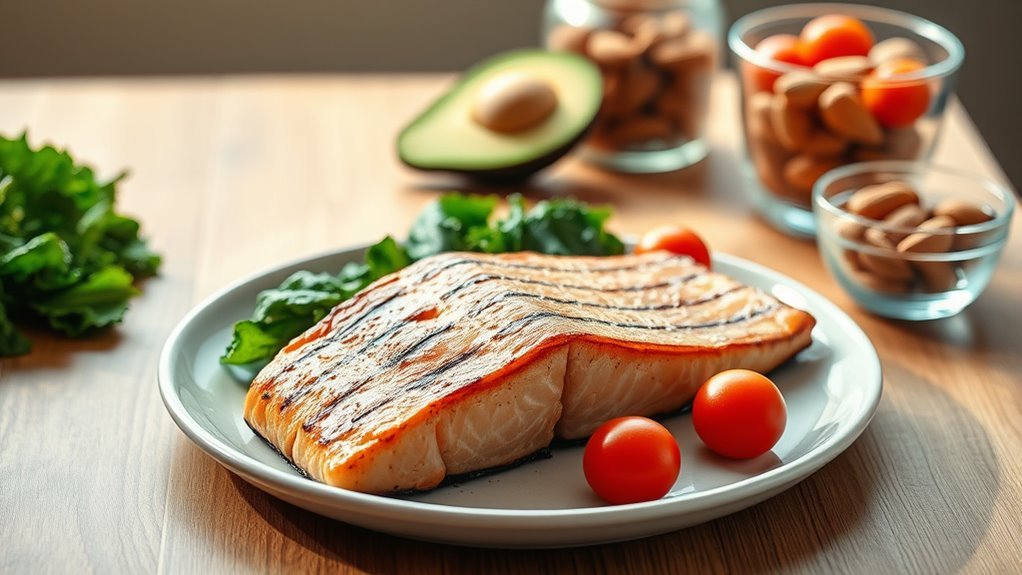
When you commence on a ketogenic diet, understanding ketosis and the associated carbohydrate limits is essential for success. The ketosis process shifts your body’s primary fuel source from glucose to ketones, produced when fat is broken down. To enter and maintain ketosis, it’s vital to limit your carb sources, typically to about 20-50 grams of net carbs per day. This means you’ll want to avoid high-carb foods like bread, pasta, and sugary snacks while focusing on low-carb vegetables, nuts, and healthy fats. By doing this, you encourage your body to tap into its fat reserves for energy, granting you a sense of freedom and control over your health journey. Balancing your carb intake is key to achieving and sustaining ketosis effectively.
Recommended Daily Carb Intake for Men on Keto

For men following a ketogenic diet, the recommended daily carbohydrate intake typically ranges from 20 to 50 grams of net carbs. Adhering to these keto guidelines is crucial for maintaining ketosis. Carb tracking can help you stay within this range while still enjoying a variety of foods.
| Carb Intake (grams) | Daily Caloric Percentage | Food Sources |
|---|---|---|
| 20 | ~5% | Leafy greens |
| 35 | ~10% | Nuts and seeds |
| 50 | ~15% | Low-carb vegetables |
Finding the right balance of carbs is essential for energy and overall well-being. Remember, everyone’s body is different, so adjusting your intake according to your individual needs is key.
Factors Influencing Carb Needs

Several factors can influence your carbohydrate needs on a ketogenic diet, and understanding them is key to customizing your approach. Here are three key aspects to reflect on:
- Individual Metabolism: Everyone’s body processes nutrients differently. Your metabolic rate can affect how many carbs your body can handle while staying in ketosis.
- Activity Level: If you lead an active lifestyle or engage in regular exercise, you may require more carbs for energy compared to someone who’s sedentary.
- Goals: Whether you’re aiming for weight loss, muscle gain, or maintenance will also determine your carb intake.
Tips for Staying Within Carb Limits
Staying within your carb limits on a ketogenic diet can be challenging, especially with the varying factors that influence your needs. Here are some tips to help you stay on track:
| Meal Planning Tips | Snack Ideas |
|---|---|
| Pre-plan your meals | Cheese and nuts |
| Use apps for tracking | Veggie sticks with dip |
| Choose low-carb recipes | Hard-boiled eggs |
| Batch cook meals | Olives and pickles |
Delicious Low-Carb Food Options for Men
When you’re on a ketogenic diet, finding delicious low-carb food options can make all the difference in sticking to your plan. Here are three tasty ideas to keep your meals exciting and satisfying:
- Avocado and Eggs: A perfect breakfast combo rich in healthy fats and protein.
- Zucchini Noodles: Use them in place of pasta for a satisfying, low-carb dinner.
- Cheese Crisps: These make for great low carb snacks that satisfy your crunch cravings.
Incorporating these options into your keto meal prep can help you stay on track while enjoying your food. Remember, a variety of flavors and textures will keep you motivated and satisfied on your journey!
1. How many carbs should a male consume on a keto diet?
On a ketogenic diet, males typically should aim for 20 to 50 grams of net carbohydrates per day. This range allows your body to enter ketosis, a metabolic state where fat is utilized for energy instead of carbohydrates. The exact number may vary based on individual factors such as age, activity level, and metabolic health.
2. What are net carbs, and how do I calculate them?
Net carbs are calculated by subtracting fiber and certain sugar alcohols from the total carbohydrates in a food item. This is because fiber and some sugar alcohols do not significantly impact blood sugar levels. For example, if a food has 15 grams of total carbs, 5 grams of fiber, and 3 grams of erythritol (a sugar alcohol), the net carbs would be 15 – 5 – 3 = 7 grams.
3. Can I exceed the carb limit occasionally on a keto diet?
While it’s possible to exceed your carb limit occasionally, doing so can disrupt ketosis and may require several days to return to that state. If you do indulge, it’s important to return to your carb limits as soon as possible to maintain the benefits of the ketogenic diet. Some individuals practice “carb cycling,” but this should be approached carefully to avoid negative effects on your progress.
4. What are some low-carb foods suitable for a keto diet?
Some great low-carb foods for a keto diet include non-starchy vegetables (like leafy greens, broccoli, and cauliflower), meats (such as beef, pork, and poultry), fatty fish (like salmon and mackerel), eggs, nuts, seeds, and healthy fats (like avocados and olive oil). These foods not only help keep your carb intake low but also provide essential nutrients and support overall health.
5. How can I track my carb intake on a keto diet?
You can track your carb intake using various methods, including food diaries, spreadsheets, or mobile apps designed for nutrition tracking, such as MyFitnessPal or Cronometer. These tools allow you to log your meals and automatically calculate your total carbohydrate intake, making it easier to stay within your daily limits. Additionally, reading nutrition labels and being aware of portion sizes can help you manage your carb consumption effectively.
References
- https://www.ncbi.nlm.nih.gov/pmc/articles/PMC6468365/
- https://www.healthline.com/nutrition/what-is-a-ketogenic-diet
- https://www.webmd.com/diet/obesity/what-is-the-keto-diet
- https://www.cdc.gov/healthyweight/healthy_eating/index.html
- https://www.mayoclinic.org/healthy-lifestyle/nutrition-and-healthy-eating/in-depth/keto-diet/art-20459773
- https://www.dietitians.ca/Downloads/Public/Low-Carb-Diets.aspx
- https://www.hsph.harvard.edu/nutritionsource/carbohydrates/