

The keto diet works by shifting your body into a state of ketosis, where it burns fat for energy instead of carbohydrates. When you reduce your carb intake, insulin levels drop, prompting fat breakdown. Your liver then converts fatty acids into ketones, which serve as an energy source. This metabolic change can lead to significant weight loss, improved mental clarity, and better metabolic health. Discovering more about the challenges and tips for success in this diet can greatly enhance your journey.
The Science of Ketosis

When you switch to a keto diet, your body undergoes a metabolic shift into a state called ketosis, where it primarily burns fat for fuel instead of carbohydrates. Ketosis definition refers to this metabolic process where your liver converts fatty acids into ketones, which serve as an alternative energy source. By drastically reducing carbohydrate intake, insulin levels drop, promoting fat breakdown. This shift not only helps in weight loss but also enhances mental clarity and energy levels. Research indicates that ketosis can improve certain health markers, such as blood sugar and cholesterol levels. Understanding this process empowers you to make informed choices about your diet, revealing the potential for greater freedom in your nutritional journey.
Transitioning to a Ketogenic Diet
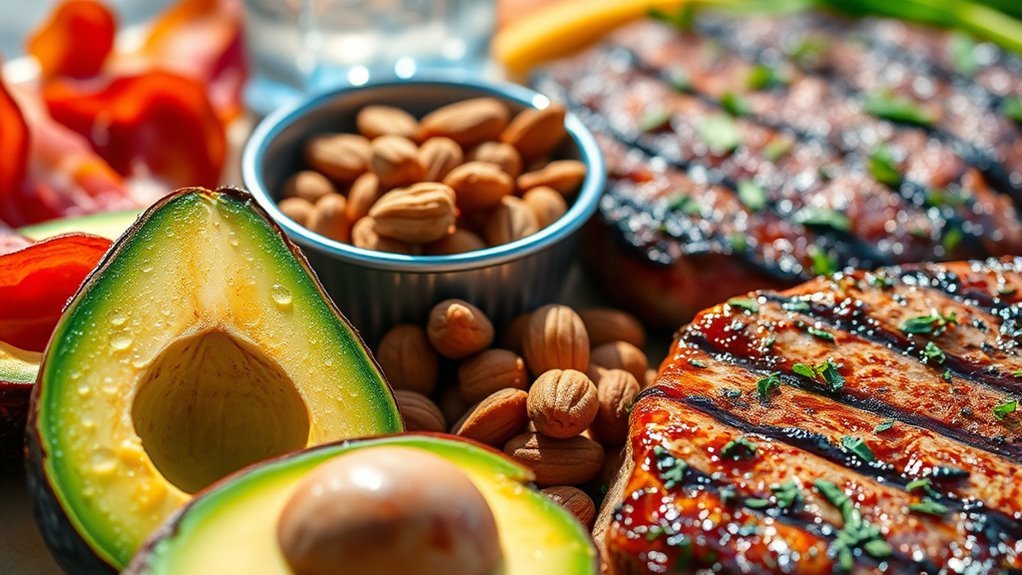
Shifting to a ketogenic diet can feel overwhelming at first, especially with the significant changes it requires in your eating habits. To ease this change, start by planning your meals meticulously. Meal prep is essential; it helps you avoid reaching for high-carb options when hunger strikes. You’ll need to get comfortable with carb counting, as tracking your carbohydrate intake is vital for maintaining ketosis. Focus on incorporating healthy fats and proteins while minimizing sugars and starches. Gradually reducing your carb intake over a week or two can also help your body adapt more smoothly. Remember, staying informed and organized will empower you to embrace this new lifestyle, giving you the freedom to enjoy a diverse range of delicious, keto-friendly foods.
Health Benefits of the Keto Diet

Adopting a ketogenic diet can lead to several compelling health benefits, particularly for those looking to improve their metabolic health. One of the most notable advantages is weight loss; the keto diet encourages your body to burn fat for fuel, often leading to significant reductions in body weight. Additionally, many people report enhanced mental clarity while on the diet. This increased focus can be attributed to the steady supply of energy from ketones, which are produced during fat metabolism. Studies suggest that the ketogenic diet may even help improve insulin sensitivity, further promoting overall well-being. By embracing this lifestyle, you’re not just pursuing weight loss; you’re also revealing mental sharpness and metabolic freedom, empowering you to take charge of your health.
Common Challenges and Solutions
While the ketogenic diet offers numerous benefits, it can also present several challenges that may hinder your progress. One common issue is the “keto flu,” which can occur as your body adapts to burning fat for fuel instead of carbohydrates. Symptoms like fatigue, headaches, and irritability can be discouraging. Staying hydrated, increasing electrolyte intake, and easing into the diet can help mitigate these effects.
Social situations can also pose a challenge, as many gatherings revolve around carb-heavy foods. You can address this by planning ahead, bringing keto-friendly dishes, or communicating your dietary needs to friends and family. By being proactive and aware of these challenges, you can navigate the ketogenic lifestyle with greater confidence and maintain your freedom in food choices.
Tips for Success on the Keto Journey
Steering through the challenges of the ketogenic diet can set the stage for long-term success. Focus on meal planning to keep your carb intake low while enjoying your favorite flavors. Here are some tips to help you thrive:
| Meal Type | Suggestions | Snack Options |
|---|---|---|
| Breakfast | Eggs with avocado | Cheese crisps |
| Lunch | Salad with grilled chicken | Celery with almond butter |
| Dinner | Zucchini noodles with pesto | Olives |
| Desserts | Keto cheesecake | Dark chocolate (90%+) |
Incorporate these meal ideas and snack options into your routine. Stay hydrated and listen to your body. Remember, flexibility in choices can empower your keto journey while keeping you motivated and satisfied.
Frequently Asked Questions about the Keto Diet
1. What is the ketogenic diet?
The ketogenic diet, commonly known as the keto diet, is a high-fat, low-carbohydrate eating plan designed to shift the body’s metabolism away from carbohydrates and towards fats. By drastically reducing carbohydrate intake and replacing it with fat, the body enters a metabolic state called ketosis, where fat becomes the primary source of energy instead of glucose. This can potentially lead to weight loss and other health benefits.
2. How does the body enter ketosis?
The body enters ketosis when carbohydrate intake is significantly reduced, typically to about 20-50 grams per day. When carbs are low, the body’s glucose stores deplete, prompting the liver to convert fatty acids into ketones, which are then used as an alternative energy source. This process can take several days to a week, depending on individual metabolism and activity levels. Maintaining a consistent low-carb intake is essential to keep the body in ketosis.
3. What foods are allowed on the keto diet?
On the keto diet, you can consume foods that are high in healthy fats and low in carbohydrates. This includes foods such as avocados, nuts, seeds, cheese, fatty fish, oils (like olive oil and coconut oil), and non-starchy vegetables (like leafy greens, broccoli, and cauliflower). Foods to avoid include grains, sugars, high-carb fruits, and most starchy vegetables. It’s important to focus on whole, unprocessed foods to maximize health benefits.
4. What are the potential benefits of the keto diet?
The keto diet may offer several benefits, including weight loss, improved blood sugar control, and enhanced mental clarity. By using fat as the primary fuel source, many individuals experience reduced hunger and cravings, making it easier to adhere to their dietary goals. Additionally, some studies suggest that the keto diet may have therapeutic effects in conditions such as epilepsy, type 2 diabetes, and metabolic syndrome, although further research is needed to confirm these benefits for broader populations.
5. Are there any side effects of starting a keto diet?
When starting a keto diet, some individuals may experience what is commonly referred to as “keto flu.” This can include symptoms such as fatigue, headache, irritability, and nausea as the body adapts to using fat for fuel instead of carbohydrates. These symptoms are usually temporary and can be mitigated by staying well-hydrated and ensuring adequate electrolyte intake. Long-term adherence to the diet should be discussed with a healthcare provider, especially for those with pre-existing medical conditions.
References
- https://www.ncbi.nlm.nih.gov/pmc/articles/PMC6520680/
- https://www.healthline.com/nutrition/what-is-the-keto-diet
- https://www.webmd.com/diet/what-is-the-keto-diet
- https://www.hhs.gov/fitness/resource-center/keto-diet.html
- https://www.mayoclinic.org/healthy-lifestyle/nutrition-and-healthy-eating/expert-answers/keto-diet/faq-20459059
- https://www.nutrition.gov/topics/nutrition-through-life/healthy-eating/keto-diet
- https://www.who.int/news-room/fact-sheets/detail/healthy-diet
- https://www.cdc.gov/obesity/adult/causes.html