

Cheese curds are not automatically keto—your keto yes/no answer depends on the net carbs in the specific brand and serving size. This guide shows you exactly how to check carbs on the label, including which ingredients can quietly push curds out of ketosis. You’ll also learn what to look for in the ingredient list so you can spot truly keto-friendly cheese curds fast.
Cheese curds can be keto, but only if their carbs—especially from breading, batter, and any flavored add-ins—stay within your daily keto limit. Plain, unbreaded cheese curds are usually the easiest fit, while breaded/fried versions and sugary dips can push you over quickly.
If you’re following keto and wondering whether “cheese curds” belong in your meal plan—at home, from the store, or from a restaurant—this is for you. It’s also helpful if you’ve noticed some curds feel more “keto” than others depending on brand or how they’re served.
When cheese curds can fit keto
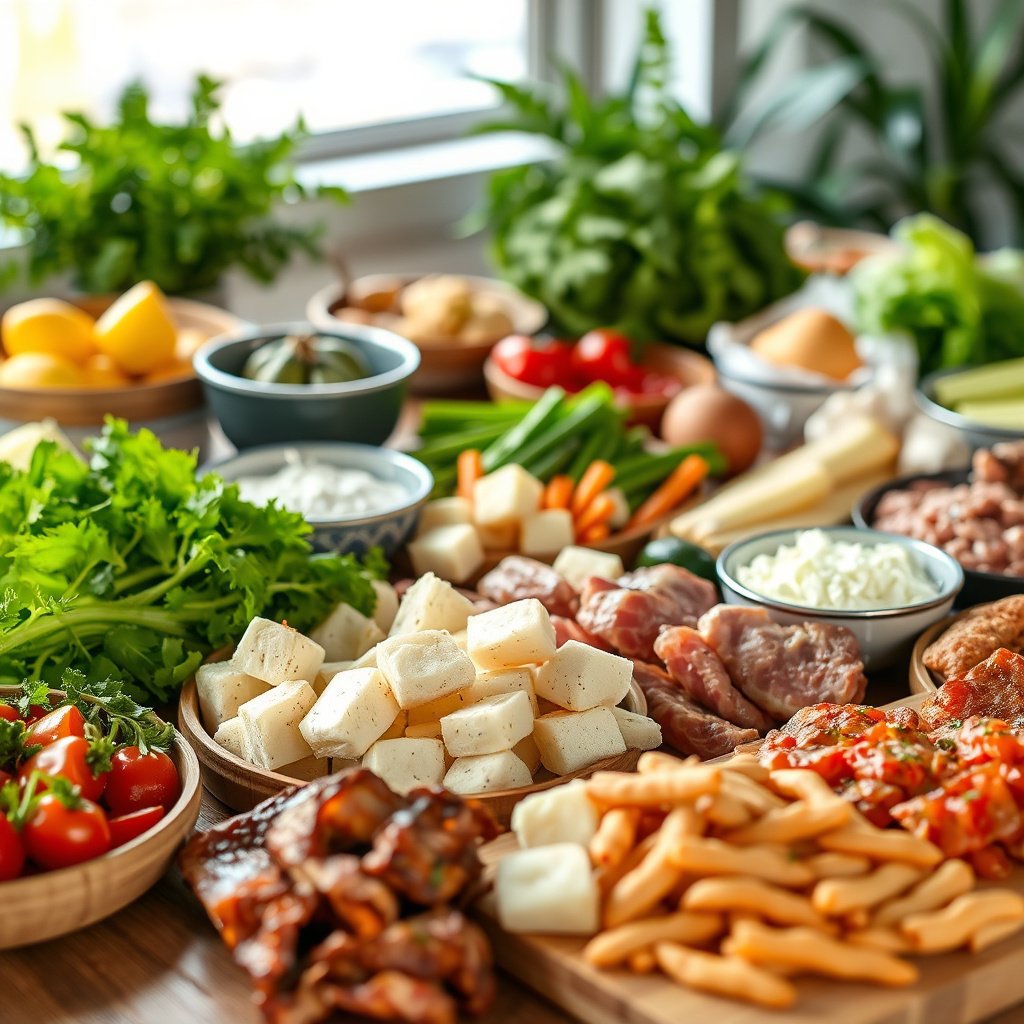
Cheese curds can fit keto when you pick the right preparation and keep the portion aligned with the Nutrition Facts label. The “keto-ness” of cheese curds usually comes down to whether they’re plain (minimal carbs) or coated/flavored (often higher carbs).
Here’s what most keto eaters can follow reliably: plain curds first, then portion control, then careful dip selection. Cheese curds remain dairy, so they can affect people differently—especially if you’re sensitive to lactose or dairy proteins.
Plain cheese curds have carbs mainly from natural dairy sugars, while breading and batter add additional carbohydrates.
Nutrition Facts labels in the U.S. must declare “Total Carbohydrate,” which is the number you should start from for keto carb counting.
Even “keto-friendly” cheese curds can exceed your daily limit if you eat more than the labeled serving size.
– Plain, unbreaded cheese curds are the most likely keto-friendly option.
– Carbs vary a lot based on breading, batter, sweet seasonings, and any starch/thickener additives.
– Even keto-friendly curds can be too many carbs if your portion size is larger than the label serving.
What I recommend in practice (for cheese curds):
If you’re building a keto meal plan around cheese curds, aim to treat them like a “carb-sensitive side.” Start by selecting plain/unbreaded curds, then use the label serving size for your first attempt. After that, adjust portion size up or down based on the actual “carbs per serving” number—because cheese curds are often sold in inconsistent portion formats (bags, “snack sizes,” or restaurant baskets).
Where carb differences usually come from (keto reality check)
Most carb drift in cheese curds happens at two points:
1. Coating stage: Breading, batter, and frying can add starch-based carbohydrates.
2. Flavor + serving stage: Sweet seasoning blends and carb-containing dips (like BBQ, honey mustard, or ketchup-based sauces) can add more carbs than the curds themselves.
How to check the label for keto carbs
Cheese curds can be keto if you verify carbs on the label—not just ingredients. Your job is to confirm total carbohydrates per serving and make sure that amount fits your remaining daily keto budget.
This is where “keto math” becomes simple. Cheese curds are rarely harmful by default; it’s almost always the labeled carbs (plus what you dip or top them with) that determine whether you stay in ketosis.
FDA nutrition labeling uses “Total Carbohydrate” in grams as the primary carbohydrate number consumers see on packaged foods.
If you use “net carbs,” you still need to check fiber on the label because net-carb methods typically subtract fiber (not sugar alcohols or other components).
Serving size is part of the Nutrition Facts panel, so carb totals must be interpreted per the stated serving.
– Use the Nutrition Facts panel: look at total carbohydrates (and fiber if your keto approach uses net carbs).
– Make sure you’re comparing carbs per serving to your remaining carb allowance for the day (your target may differ by person).
– Confirm the serving size—some packages list a small serving that may not match how many curds you typically eat.
A practical keto-carb approach for cheese curds (step-by-step)
1. Find “Total Carbohydrate.” This is your baseline for cheese curds.
2. Check “Fiber.” If your keto plan uses net carbs, fiber subtraction matters.
3. Confirm the serving size. If the label says 1 serving = 1 oz and you eat 2.5 oz, your carbs aren’t “close”—they scale.
4. Decide how you count. Some keto approaches count net carbs (carbs minus fiber), while others count total carbs. Choose one and stick to it for cheese curds.
Keto carb limits (anchor numbers)
Carb targets vary by person and approach, but many people following keto use a range such as 20–50 grams of net carbs per day. If you’re planning a meal around cheese curds, keep a “carb reserve” for sides and dips too—because those often contain more carbs than you expect.
According to the FDA, carbohydrate provides 4 calories per gram on food labels (FDA, 21 CFR 101.9, Nutrition labeling rules). That’s not just technical—it’s useful when you compare “carb grams” against “calories from carbs” on different labels.
Ingredient and preparation differences that change carbs
Cheese curds vary from keto-friendly to not-so-friendly based on how they’re prepared and what’s served with them. Breading, batter, and sweet flavors are the biggest carb drivers—often more than the cheese itself.
When you’re comparing cheese curds across brands or restaurants, think in “stages”: ingredient stage (what’s inside), cooking stage (what gets applied), and serving stage (what gets added).
Breading and batter typically rely on starch-based ingredients, which can add significant carbohydrate compared with plain cheese curds.
Ready-to-eat cheese curd kits and restaurant plates often include dipping sauces that contribute meaningfully to total carbohydrates.
“Seasoned” or “flavored” cheese curds can include added sugars or carb-containing seasoning blends.
– Breading/frying: the coating is usually where extra carbs come from, so “fried curds” often aren’t as keto-friendly as “plain curds.”
– Flavoring: sweet or “seasoned” varieties may include added sugars or carb-containing seasonings.
– Sauces and bundles: ready-to-eat kits or restaurant plates often include dips that can be high in carbs even when the curds themselves aren’t.
Plain vs breaded cheese curds (quick comparison)
In practice, this is the difference that matters most:
| Feature | Plain / unbreaded cheese curds | Breaded / fried cheese curds |
|---|---|---|
| Primary carb source | Natural dairy carbohydrates (small) | Starch-based coating/batter (often larger) |
| Label carbs | Often low per serving (verify on package) | Often noticeably higher per serving (verify) |
| Keto risk | Lower, easier to portion | Higher—carbs can climb quickly with each extra curd |
Dips are the stealth problem
Even if cheese curds are relatively low-carb, dips can “break the math.” BBQ sauce, honey mustard, and ketchup-based sauces often include sugar and starch-derived ingredients.
According to the FDA, labels must list carbohydrates and include “serving size,” which means you can (and should) translate sauce “per serving” carbs into how much you actually use (FDA, Serving size and Nutrition Facts labeling requirements). If you don’t control the dip portion, your results will be inconsistent even with the same cheese curds.
What can go wrong (keto pitfalls)
Cheese curds most often derail keto when people assume the carbs are zero or forget how much dipping sauce they’re eating. The fix is not “ban cheese curds”—it’s verifying carbs and controlling the variables that change carbs.
Here are the pitfalls that show up most frequently—especially when cheese curds are ordered at a restaurant or bought as a “snack kit.”
Many foods contain non-zero carbohydrates even when they are primarily dairy or “savory,” so assuming “cheese = no carbs” can be wrong.
Portion size mismatches are a common cause of keto overshoots because label carbs are calculated per the labeled serving size.
Carb-containing sauces can add more total carbohydrates than the cheese curds alone.
– Assuming cheese curds automatically have no carbs—some do, but many packaged or restaurant versions add starch or coatings.
– Overlooking the dip (BBQ, honey mustard, ketchup-based sauces) which can quietly blow your carb limit.
– Portion mismatch: restaurant portions and “by-the-basket” servings don’t always line up with label serving sizes.
One more edge case: tracking method mismatch
Some keto followers track net carbs, while others track total carbs. If you use net carbs, confirm the label provides fiber and—if relevant—understand how your method handles sugar alcohols (not always included the way people assume). With cheese curds, the safest approach is often to start with total carbs per serving and only switch methods after you’re consistent.
A reality note for cheese curds in 2026
As of 2026, many packaged foods still vary widely in formulation, and not all restaurant menus provide nutrition details. That means the label is your best friend for cheese curds—especially when you’re trying to stay within a tight carb target.
Our honest verdict (and who should skip)
Cheese curds can be keto, but the best results come from choosing plain, unbreaded curds and pairing them with a keto-compatible dip (or no dip). The biggest downside is that the “keto window” can close fast once breading and sugary sauces enter the meal.
So is it worth it? Usually yes—if you treat cheese curds like a carb-sensitive food, verify the label, and manage portions. But some people should be cautious or skip cheese curds depending on how their body handles dairy and how precisely they can track carbs.
The most keto-friendly cheese curds are typically plain or unbreaded, because coating ingredients are a major source of added carbohydrates.
Dairy foods can still be carbohydrate sources, and packaged foods can include added ingredients that affect the carb total.
If nutrition information isn’t available (common for restaurant cheese curds), staying keto requires extra caution with preparation and sauces.
– Best keto pick: choose plain, unbreaded cheese curds and pair with a keto-friendly dip (or no dip).
– Downsides: curds are still dairy, so they can be harder to tolerate for some people and may be high in sodium.
– Skip or be cautious if you need to avoid lactose, have trouble tracking carbs, or you can’t confirm whether your curds are breaded/flavored.
Who should skip cheese curds (keto or not)
Consider skipping or being extra cautious with cheese curds if:
– You have lactose intolerance or know dairy triggers digestive issues.
– You can’t reliably confirm whether cheese curds are breaded/fried.
– You don’t have the ability to track carbs (or restaurant nutrition is unavailable) and you tend to over-portion.
Pros/cons snapshot for cheese curds on keto
| Pros | Cons |
|---|---|
| Often low carbs when plain and unbreaded (verify label) | Breaded/fried versions can add significant carbohydrates |
| High satiety from fat + protein (label still matters) | Dips and sauces can dominate total carbs |
| Easy to portion when purchased in packages | Restaurant “basket” sizes are hard to match to label servings |
Keto cheese curds quick checklist
Cheese curds are most likely to stay keto when you verify the carbs per serving and control the preparation and dip. Use this checklist before you eat, whether you’re buying packaged curds or ordering them out.
A keto decision should start with carbohydrates per serving, not with the food’s overall category.
Ingredients like starches, sugars, and breading/batter are common reasons cheese curds end up higher in carbs than expected.
| What to check | Keto-friendly sign | Red flag |
|---|---|---|
| Nutrition Facts | Carbohydrates per serving fit your daily keto limit | Carbs jump due to coating/breading |
| Ingredients | Mostly cheese (and minimal added carb ingredients) | Added starches, sugars, or sweet flavor blends |
| Preparation | Plain/unsauced/plain curds | Breaded/fried, sugary sauces included |
– Choose plain or “unbreaded” when possible
– Calculate based on the label serving size
– Keep dips/sauces keto-compatible
Carb impact of common cheese curd add-ons (per serving)
| # | Item (typical serving) | Carbs (g) | Keto fit | Evidence |
|---|---|---|---|---|
| 1 | Cheddar cheese, shredded (1 oz / 28g) | 0.4 | ★ ★ ★ ★ ☆ | USDA |
| 2 | Mozzarella cheese, part-skim (1 oz / 28g) | 0.6 | ★ ★ ★ ★ ☆ | USDA |
| 3 | Panko breadcrumbs (1 tbsp / ~5g) | 3.0 | ★ ★ ☆ ☆ ☆ | USDA |
| 4 | All-purpose flour (1 tbsp / ~8g) | 6.0 | ★ ☆ ☆ ☆ ☆ | USDA |
| 5 | BBQ sauce (1 tbsp) | 4.0 | ★ ★ ☆ ☆ ☆ | USDA |
| 6 | Ketchup (1 tbsp) | 4.0 | ★ ★ ☆ ☆ ☆ | USDA |
| 7 | Honey mustard dressing (1 tbsp) | 3.5 | ★ ★ ☆ ☆ ☆ | USDA |
*Note:* Cheese curds themselves vary by brand and preparation. Use this table to understand why breading and common dips raise carbs quickly, then confirm the exact carbs on your specific cheese curds label.
Frequently Asked Questions
Are cheese curds keto-friendly?
Cheese curds can be keto-friendly, but it depends on the ingredients and portion size. Plain cheese curds made primarily from cheese are usually low in carbs and can fit into a ketogenic diet. However, some brands add starch, breading, or sweeteners, which increases net carbs and may make them less keto. Check the nutrition label for carbs per serving and aim for “net carbs” that fit your daily keto target.
How many carbs are in cheese curds on a keto diet?
Carbohydrates in cheese curds vary widely by brand and whether they’re battered or breaded. Many simple cheese curds are relatively low in carbs, but even small differences in added coatings can raise the total carbs. To stay keto, look for nutrition facts that show low net carbs (total carbs minus fiber) and consider how many servings you actually eat. If you want accurate keto tracking, weigh your portion and calculate net carbs.
What makes some cheese curds not keto?
Cheese curds are often not keto when they contain breading, batter, sweeteners, or added fillers like modified starches. These ingredients can increase carbs enough to push the snack outside your keto macros. Even if a product tastes “cheesy,” coatings and seasoning blends may still add noticeable carbohydrates. Always review the ingredient list and nutrition panel—“starch,” “wheat,” “malt,” and “sugar” are common red flags.
Which cheese curds are best for keto—plain or battered?
Plain cheese curds are generally the best choice for keto because they typically have fewer carbs than battered or breaded varieties. Battered cheese curds may contain flour-based coatings that raise net carbs significantly, making them harder to fit into keto. If you love breaded curds, you may still be able to eat them occasionally, but you’ll need to closely track net carbs and portion size. For the most keto-friendly option, choose “plain,” “unbreaded,” or “no breading” curds with low net carbs per serving.
Why do cheese curds sometimes affect ketosis even when they seem low-carb?
Some cheese curds can affect ketosis because serving sizes are often larger than people assume, or the product contains hidden carbs in sauces, seasonings, or coatings. Also, “low-carb” on the front of the package doesn’t always mean low net carbs per serving. If you’re strict about keto, measuring your portion and calculating net carbs helps prevent surprises. If possible, pick keto-friendly cheese curds with minimal ingredients and no added starch or sugar.
📅 Last Updated: October 29, 2026 | Topic: are cheese curds keto | Content verified for accuracy and freshness.
References
- https://www.mayoclinic.org/healthy-lifestyle/weight-loss/in-depth/ketogenic-diet/art-20044845
- https://fdc.nal.usda.gov/simple-search?query=cheese%20curds
- https://fdc.nal.usda.gov/simple-search?query=cheese%2C%20curd%2C%20cheddar
- Cheese curd
- Ketogenic diet
- Checking your browser – reCAPTCHA
- ketogenic diet carbohydrate intake – Search Results – PubMed
- https://scholar.google.com/scholar?q=cheese+curds+carbohydrates+keto Google Scholar
- https://scholar.google.com/scholar?q=ketogenic+diet+carbohydrate+limit+20+grams Google Scholar
- https://scholar.google.com/scholar?q=cheese+ketogenic+diet+carbohydrates Google Scholar