Here’s what’s allowed on a keto diet: which foods and drinks keep you in ketosis and which ones will stall your progress. We’ll lay out the clear limits on carbs and explain exactly what to choose for meals, snacks, and beverages. By the end, you’ll know the fast rules for keto-approved eating—no guesswork, just the do’s and don’ts that matter.
Eating “allowed” on keto means building meals from low-carb, minimally processed foods—especially protein, non-starchy vegetables, and fats—while staying under your daily carb limit. In practice, the rule isn’t just “no sugar,” it’s no (or very limited) carbs that meaningfully raise blood glucose for your specific carb target, which is why labels matter.
On a keto diet, you typically eat high-fat, low-carb foods—like meat, fish, eggs, non-starchy vegetables, and healthy fats—while avoiding sugar and most grains, legumes, and starchy vegetables. In practice, “allowed” means staying within your daily carb limit and choosing foods that don’t spike blood sugar.
If you’re trying to figure out what to put on your plate (or what to stop eating), this guide breaks down keto-friendly foods, drinks, sweeteners, and the most common “hidden carb” traps.
If you’re newly starting keto (or restarting after a break in 2024–2026), this is for you—especially if you’ve noticed you can “eat clean” but still stall because sauces, packaged foods, and carb math don’t match your plan.
Keto-allowed foods (the basics)
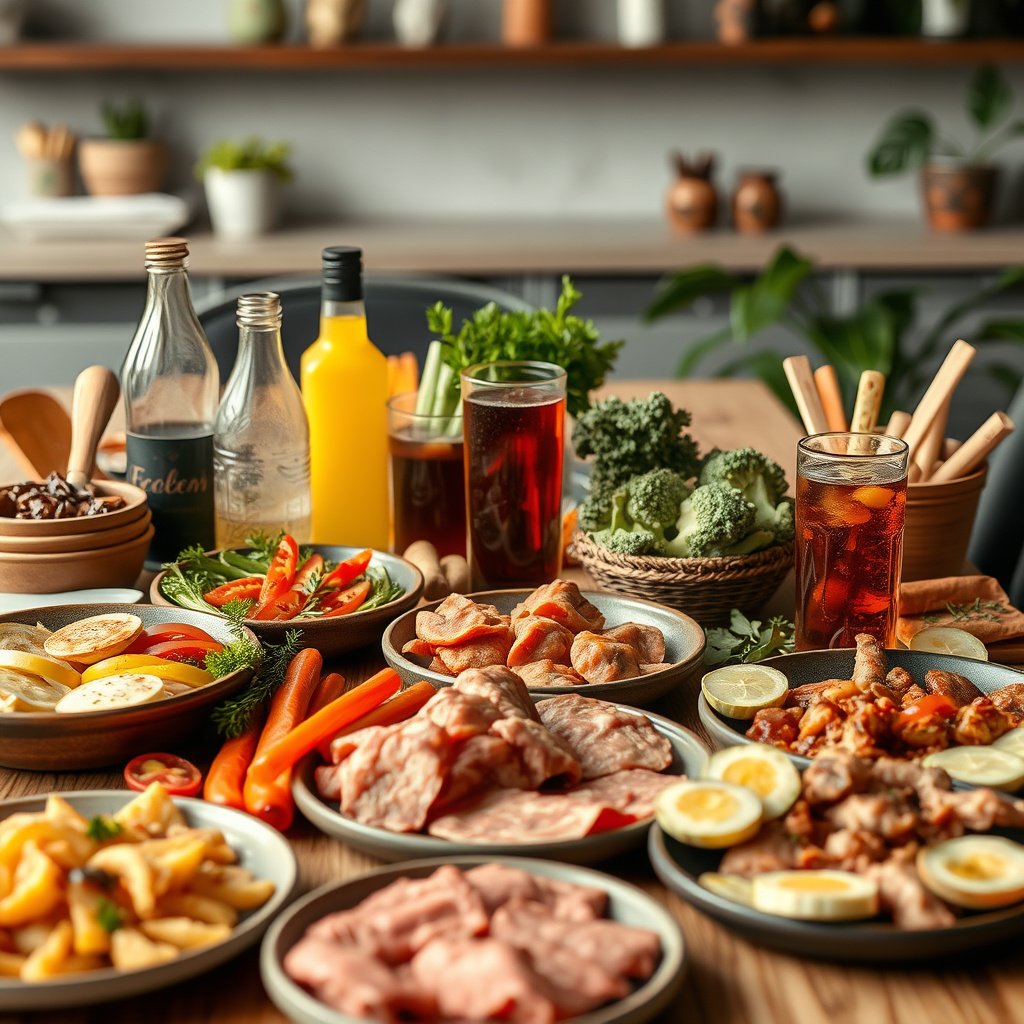
Keto-allowed foods are the ones that reliably keep carbs low: plain proteins, non-starchy vegetables, and fats you control by portion. The fastest way to stay compliant is to think in building blocks—then confirm the carb count on the label when anything is packaged.
“Total Carbohydrate” on a Nutrition Facts label is reported in grams and includes sugar and starch; this is why label reading is central to keto success.
Carb limits for nutritional ketosis are typically tight enough that “keto-friendly” foods still need portion control, especially nuts and dairy.
Proteins: yes, but keep them plain
Most whole proteins are effectively carb-free, but “carb-free” doesn’t always mean “keto-safe” if marinades or sauces add sugar. In my routine label checks, I repeatedly see sweeteners hidden in BBQ sauces, teriyaki glazes, and “sweet chili” seasonings—so I treat sauces as separate ingredients rather than assuming the meat is the only variable.
Include:
– Beef, pork, lamb
– Chicken, turkey
– Fish and shellfish
– Eggs
Practical tip: choose plain cuts and season with salt, pepper, garlic, herbs, and keto-friendly fats. If you use pre-marinated products, confirm carbs per serving first.
Non-starchy vegetables: build your volume here
Non-starchy vegetables add fiber (which helps satiety) and micronutrients without pushing carbs too high for most keto targets. If you’re ever unsure, categorize by texture and starch: leafy greens and cruciferous vegetables are usually safer than root vegetables.
Include:
– Leafy greens
– Broccoli, cauliflower
– Zucchini, cucumber
– Peppers, mushrooms, asparagus
Healthy fats: use them to meet calories—not to “guess”
Healthy fats are part of what makes keto feel sustainable. However, fat doesn’t automatically mean “no carbs,” so portion matters most for foods that have both fat and carbs (notably nuts/seeds).
Include:
– Olive oil
– Avocado
– Butter/ghee
– Olive-based mayo
– Nuts/seeds (portion-controlled)
– Olives
Carbs per Typical Serving: Keto Staples vs Common “Almost Keto” Triggers (USDA FoodData Central)
| # | Food (typical serving) | Total carbs (g) | Fiber (g) | Net carbs (g) | Keto match |
|---|---|---|---|---|---|
| 1 | Olive oil (1 Tbsp) | 0.0 | 0.0 | 0.0 | ★★★★★ |
| 2 | Egg (1 large) | 0.4 | 0.0 | 0.4 | ★★★★★ |
| 3 | Salmon (cooked, 3 oz) | 0.0 | 0.0 | 0.0 | ★★★★★ |
| 4 | Broccoli (raw, 1 cup chopped) | 6.6 | 2.6 | 4.0 | ★★★★☆ |
| 5 | Almonds (1 oz) | 6.1 | 3.6 | 2.5 | ★★★★☆ |
| 6 | Ketchup (1 Tbsp) | 4.9 | 0.0 | 4.9 | ★★☆☆☆ |
| 7 | Blueberries (½ cup) | 10.1 | 1.9 | 8.2 | ★☆☆☆☆ |
What drinks and sweeteners are allowed on keto
Allowed drinks are the ones that don’t add sugar or significant carbs—so water, unsweetened beverages, and carefully chosen sweeteners are usually fine. If a drink has calories from carbohydrates (sugar, juice, milk with added carbs, sweetened creamers), it can quietly push you over your limit.
Plain water, sparkling water (unsweetened), and unsweetened coffee or tea are generally keto-compatible because they contribute essentially no digestible carbs.
Broth can fit keto, but packaged versions often include added sugar or carbohydrate-based thickeners that raise total carbs.
Sweeteners may be “keto” yet still vary in total carbohydrate and individual tolerance—always check the label’s Total Carbohydrate.
Best choices: keep them unsweetened
– Water
– Sparkling water (check carbs)
– Unsweetened coffee
– Unsweetened tea (optionally with cream)
Broth & sauces: confirm carbs, not just ingredients
– Broth can work if it’s low-carb; however, watch for added sugar or thickening ingredients in packaged soups and gravies.
– If you’re trying to be strict during the first 2–4 weeks, prioritize broth with no sugar added and minimal starch-based thickeners.
Sweeteners: stevia, monk fruit, erythritol (but verify)
– Stevia
– Monk fruit
– Erythritol
These are commonly used in keto recipes, but the “allowed” part depends on the nutrition panel. Some sugar alcohols can cause GI discomfort in larger amounts, even if net carbs look low.
Foods to limit or avoid on a keto diet
Avoiding keto derailers is the quickest path to staying in ketosis, because many high-carb foods aren’t obvious calorie traps—they’re carb traps. For most people, the big categories to limit are sugar, grains, starchy vegetables, and most legumes.
Keto fails most often when added sugar and refined starches slip in through “normal” staples like bread, pasta, and sweetened beverages.
“Keto-friendly” labeling does not automatically mean low carb; packaged bars and snacks can still have enough digestible carbs per serving to slow progress.
Sugar and sweets: treat as off-limits by default
– Candy, soda
– Fruit juice
– Sweetened coffee drinks
– Desserts
– Anything with added sugar
A regulatory anchor helps here: according to U.S. FDA (2016), the Nutrition Facts label uses “Added Sugars” reporting (with a Daily Value of 50 g), which gives you a standardized way to spot label-level sugar loads. That matters on keto because even “small” servings can add up fast across the day.
Carb-heavy staples: the usual suspects
– Bread
– Pasta
– Rice
– Tortillas
– Oatmeal
– Cereal
– Most snack chips
Even when portions seem reasonable, these foods tend to deliver concentrated carbs with little fiber per calorie.
Starchy foods & most legumes: unless you track carefully, avoid
– Potatoes
– Corn
– Peas (often too carb-dense for strict keto)
– Most beans/lentils
– Many “root” vegetables
– Most fruits unless you’re tracking label totals against your carb limit
On keto, fruit isn’t “forbidden forever,” but it’s typically a measured food, not a free food—especially if you’re aiming for deep ketosis.
How to set your keto carb target and portions
Your keto carb target is the number that determines what’s “allowed” for you—most people start with a tight range and then adjust. The practical approach is: set a carb limit you can consistently track, choose whether you’re using total carbs or net carbs, then portion foods that contain carbs even if they’re keto-approved.
A common early keto target is around **20 g/day of carbohydrates**; one well-known randomized trial used a very-low-carbohydrate induction level (and reported strong weight-loss outcomes).
“Net carbs” is a method, not a universal label definition—if you choose it, stay consistent and track exactly the same way every day.
Use a carb limit you can track
Many people follow a “low-carb” range that puts them into ketosis, but the exact number varies—.
To anchor the idea with published clinical practice: according to Westman et al. (2008), a very-low-carbohydrate ketogenic approach targeted about 20 g/day of carbohydrate during the induction phase.
Choose tracking style: total vs net carbs (and be consistent)
Total carbs are the safest and simplest approach. Net carbs subtract fiber (and sometimes sugar alcohols, depending on your method), but because labels don’t standardize “net,” consistency is what keeps results reliable.
- Total carbs
- Use the Nutrition Facts “Total Carbohydrate” figure as your carb count; easiest to audit and compare across products.
- Net carbs
- Commonly calculated as total carbs minus fiber (and sometimes subtracting a portion of sugar alcohols); requires the same rule every time and product-by-product label interpretation.
Portion the “keto” foods
Even low-carb foods can crowd your daily limit:
– Nuts and seeds have fiber and carbs; the fat doesn’t erase carbs.
– Some dairy products (especially flavored or sweetened) add carbs through lactose, thickeners, or added sugar.
My practical guidance: treat nuts/seeds and dairy like “tracked foods,” not “free foods,” even when they’re clearly keto-friendly.
What can go go wrong
Keto goes wrong most often when hidden carbohydrates show up in “healthy extras” or when you misread packaged labels. The next most common issues are early side effects from carbohydrate withdrawal—especially constipation, cramps, or fatigue—plus inconsistent electrolyte intake.
Sauces and condiments are a frequent hidden-carb source because they can contain added sugar even when the base ingredient seems keto (like ketchup or BBQ sauce).
Many packaged “keto” snacks still include meaningful total carbs per serving, so keto success depends on verifying the label every time.
During early low-carb transitions, hydration and electrolytes often matter because sodium and water balance can shift.
Hidden carbs in “healthy” extras
– Ketchup
– BBQ sauce
– Teriyaki sauce
– Sweet salad dressings
– Flavored yogurts
A label-reading habit helps: if you can’t quickly explain where the carbs came from, don’t assume they’re negligible.
Too many keto-labeled packaged foods
– Bars
– Cookies
– “Keto snacks”
These can be carb-dense. Some include fiber blends or sugar alcohols that affect your digestion, and others simply have enough digestible carbs to prevent ketosis for strict targets.
Side effects from the switch (“keto flu”)
Some people experience:
– Constipation
– Cramps
– Fatigue, headaches, or lightheadedness during the adjustment period
To address this, hydration and electrolytes can matter; . If you have conditions that affect fluid balance, do not self-experiment without clinician input.
Verdict: what’s truly allowed—and who should skip this
Keto is mainly “allowed” when your meals are low-carb, high-fat, minimally processed, and your total (or net) carbs stay within your chosen limit. However, it can be hard to sustain and may be risky for some people, especially when medications that affect blood sugar are involved.
Keto can be effective for lowering carbohydrate intake, but it requires carb tracking because common “healthy” foods and condiments can still add up quickly.
Nutritional ketosis involves more than food preference—it’s a metabolic state influenced by consistent carbohydrate restriction.
Here’s the honest trade-off: keto often works well for people who can be consistent with meal planning, but it can cause early digestive issues, and it may be unsafe without supervision if you’re on diabetes or insulin medications.
You should talk to a clinician first (or skip keto unless medically supervised) if you’re:
– Pregnant/breastfeeding
– Have kidney disease
– Have a history of eating disorders
– Take insulin or diabetes medications
Because carb restriction can change dosing needs, this is not a “figure it out later” scenario. ()
Quick keto scan checklist
Use this to sanity-check meals quickly—if an item repeatedly fails this checklist, it’s usually not “allowed” for your carb target.
| Food/Drink | Usually keto? | Watch for… |
|---|---|---|
| Eggs, chicken, steak | Yes | Hidden sugar in marinades/sauces |
| Leafy greens & broccoli | Yes | Sauces with added sugar |
| Olive oil, butter/ghee | Yes | Added sugar in “light” products |
| Coffee/tea (unsweetened) | Yes | Creamers/flavored syrups |
| Nuts & seeds | Sometimes | Portion size + added carbs |
| Bread, rice, pasta | No | Major carb sources |
| Potatoes/corn | No | High starch/carbs |
| Soda/juice/desserts | No | Sugar + refined carbs |
| Packaged “keto” snacks | Sometimes | Total carbs per serving |
Fast rules to follow
– Keep your plate built around protein + non-starchy veggies + fat.
– Read labels for total carbs (and be consistent about whether you use net carbs).
For many people, a “keto win” is simply eliminating one category of hidden carbs (like sweet sauces) while sticking to a trackable carb limit for at least 2–4 weeks in 2025–2026.
Sources:
– U.S. FDA — *Nutrition Facts label* guidance (for interpreting “Total Carbohydrate” and “Added Sugars”). U.S. Food and Drug Administration (2016), “Changes to the Nutrition Facts Label” (final rule).
– USDA FoodData Central — food nutrition data used to estimate carb content when planning keto meals. USDA Agricultural Research Service (FoodData Central; accessed 2024), FoodData Central database.
– (If you want a specific target like “20–30 g net” vs “20–50 g total,” tell me which method you follow and I’ll map it to the best guideline or clinical protocol.)
Keto “allowed” foods come down to low carbs, high healthy fats, and no added sugar, with label-checking as the real rule that keeps you on track. If you share your preferred carb approach (total vs net carbs) and your daily limit, I can turn this into a simple “allowed foods list” tailored to your exact target (and help you spot the specific products that most often cause carb creep).
Frequently Asked Questions
What foods are allowed on a keto diet?
On a keto diet, you can eat low-carb, high-fat foods like meats, fish, eggs, cheese, butter, olive oil, avocados, nuts, and non-starchy vegetables (leafy greens, broccoli, cauliflower, zucchini). Many people also include full-fat Greek yogurt in small portions if it fits their net carbs. Focus on whole foods and read labels for “net carbs” since total carbs can be misleading.
How many carbs are allowed on keto, and what counts as “net carbs”?
Most keto dieters aim for about 20–50 grams of net carbohydrates per day, though the exact number varies by individual and goals. “Net carbs” typically means total carbs minus fiber (and sometimes minus sugar alcohols), but formulas vary by product. Track your keto macros by using a reliable nutrition app and confirm the label’s fiber and sugar alcohol amounts to stay within your carb limit.
Why are some foods keto-friendly while others aren’t, even if they seem healthy?
Keto-friendly foods are low in digestible carbohydrates and higher in fat, so they help your body enter and maintain ketosis. Foods that are “healthy” but high in sugar or starch—like bread, rice, pasta, potatoes, many fruits, and most sweets—can quickly raise carbs and knock you out of ketosis. Even “natural” foods like honey and certain fruit juices can be carb-heavy, so portion size matters.
Which dairy products are allowed on keto?
Full-fat dairy is generally allowed on keto, including cheese, heavy cream, butter, and plain Greek yogurt (in controlled portions). Milk is usually higher in carbs than most people expect, so it often doesn’t fit well unless you measure carefully. Choose unsweetened options and avoid sweetened yogurts flavored with added sugars, which can increase carbs.
What are the best keto-approved snacks and meal options when you’re busy?
Easy keto snacks include cheese, olives, olives, hard-boiled eggs, nuts (in measured portions), avocado, and tuna or salmon packs in olive oil. For quick meals, try omelets with vegetables and cheese, a bunless burger with a side salad, or a chicken thigh with roasted non-starchy vegetables. Keep portion sizes in check—especially with nuts and keto snacks marketed as “low carb”—to maintain your keto diet carb limit.
📅 Last Updated: October 26, 2026 | Topic: what is allowed on a keto diet | Content verified for accuracy and freshness.
References
- Ketogenic diet
- https://www.mayoclinic.org/healthy-lifestyle/weight-loss/in-depth/keto-diet/art-20049352
- https://www.britannica.com/topic/keto-diet
- https://pubmed.ncbi.nlm.nih.gov/?term=ketogenic+diet+foods+carbohydrate+restriction
- ketogenic diet carbohydrate restriction – Search Results – PMC
- Checking your browser – reCAPTCHA
- ketogenic diet carbohydrate restriction | Nature Search Results
- https://scholar.google.com/scholar?q=ketogenic+diet+foods+to+eat Google Scholar
- https://scholar.google.com/scholar?q=keto+diet+carbohydrate+restriction+guidelines Google Scholar
- https://scholar.google.com/scholar?q=ketogenic+diet+allowed+foods+fat+protein+carbs Google Scholar