

Wondering what fruits you can eat on the keto diet? The clear answer: stick to low-net-carb, high-fat options like berries, olives, and avocado—these are the fruits that fit keto without consistently knocking you out of ketosis. If your goal is ketosis, the “no” list is the high-sugar fruits like bananas, grapes, and mangoes, which typically push carbs too high. This guide shows exactly which fruits qualify and how to portion them.
Yes—you can eat some fruits on keto, but you’ll usually need to choose low-sugar options (especially berries and small amounts of citrus) and keep portions measured. Most of the time, keto “success” with fruit comes down to carb totals (often net carbs) and how much fruit you eat—not whether the fruit is “healthy.”
If you’re following a keto-style plan in 2026 (many people aim for lower daily net carbs), this guidance is for you when you want fruit for fiber, antioxidants, or variety without derailing ketosis. It’s especially relevant if you’ve noticed blood sugar swings, stronger cravings, or slower “keto progress” after fruit.
Best keto-friendly fruits (start here)
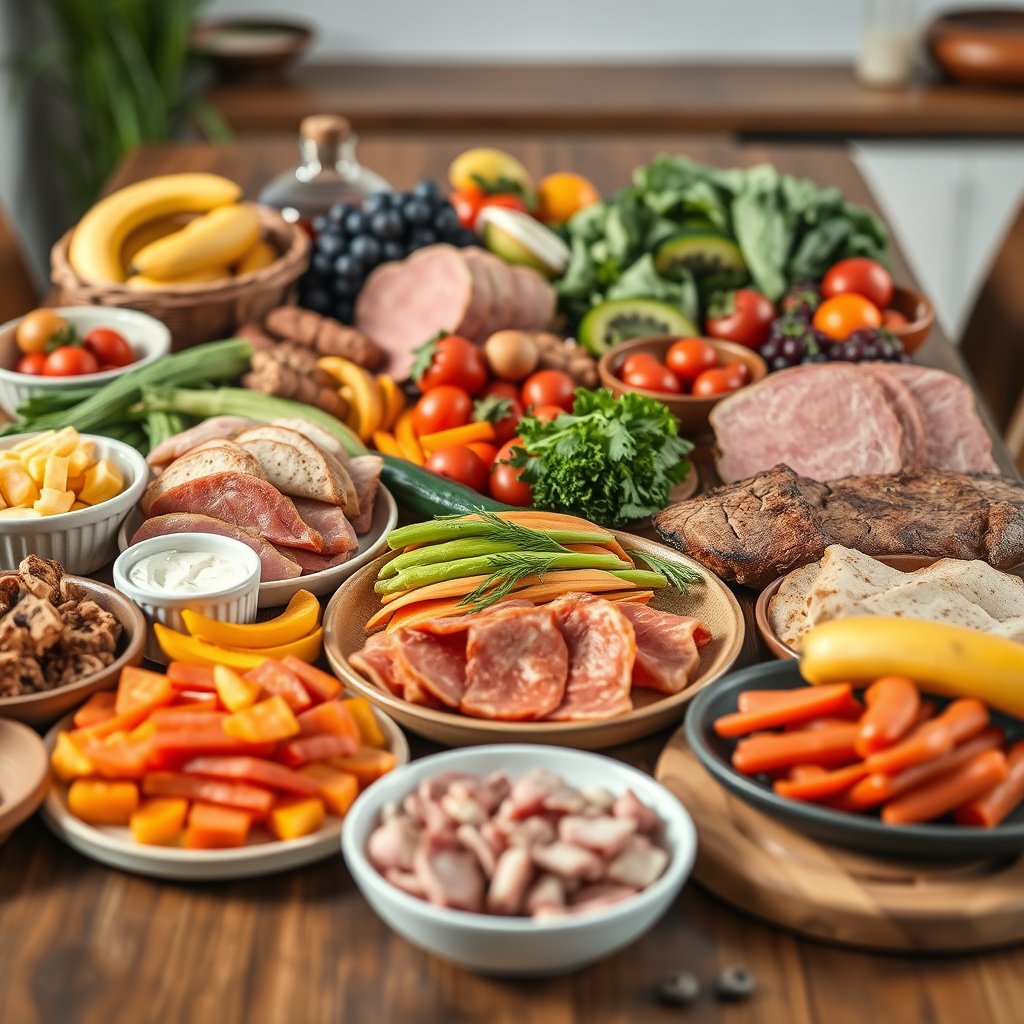
The best keto-friendly fruits tend to be the ones that deliver fiber and flavor with fewer carbs per serving—so you get fruit benefits without overshooting your daily carbohydrate limit. In practice, berries are the default starting point, and small amounts of lemon or lime can work well as “flavor fruit,” not dessert fruit.
USDA FoodData Central lists raw strawberries at about 7.7 g total carbohydrate per 100 g, with roughly 2.0 g fiber (accessed 2026).
According to USDA FoodData Central, raw raspberries contain about 11.9 g total carbohydrate per 100 g and about 6.5 g fiber (accessed 2026).
USDA FoodData Central reports raw avocado has about 8.5 g total carbohydrate per 100 g and about 6.7 g fiber (accessed 2026).
– Berries first: Strawberries, raspberries, blackberries, and blueberries are usually the easiest fruits to fit into keto because they’re generally lower in sugar than many other fruits and often provide meaningful fiber.
– Citrus in small amounts: Lemon and lime are commonly used for flavor (often more keto-friendly than drinking juice). A squeeze over food can satisfy taste without a big carb load.
– Avocado if you count it as a fruit: Technically, avocado is a fruit. On keto, it usually functions more like a savory fat source than a dessert fruit, which makes it easier to include without treating it like a “sweet.”
Keto-Friendlier Fruits: Carbs vs. Fiber (Per 100 g, USDA)
| # | Fruit (raw) | Total Carbs (g) | Fiber (g) | Net Carbs (g) & Keto Fit |
|---|---|---|---|---|
| 1 | Avocado | 8.5 | 6.7 | ★ ★ ★ ★ ☆ (1.8) |
| 2 | Blackberries | 10.2 | 5.3 | ★ ★ ★ ☆ ☆ (4.9) |
| 3 | Raspberries | 11.9 | 6.5 | ★ ★ ★ ☆ ☆ (5.4) |
| 4 | Strawberries | 7.7 | 2.0 | ★ ★ ★ ☆ ☆ (5.7) |
| 5 | Lemon | 9.3 | 2.8 | ★ ★ ☆ ☆ ☆ (6.5) |
| 6 | Lime | 10.5 | 2.8 | ★ ★ ☆ ☆ ☆ (7.7) |
| 7 | Blueberries | 14.5 | 2.4 | ★ ☆ ☆ ☆ ☆ (12.1) |
Fruits to limit (and why they often don’t fit)
If you’re trying to stay in ketosis, the fruits to limit are the ones with higher sugar and a higher carb load per typical portion—especially tropical fruit and dried fruit. The reason is straightforward: it’s easier to “spend” your daily carbs on these fruits, even when they seem small.
MedlinePlus describes a ketogenic diet as a plan that typically restricts carbohydrates to induce ketosis (often around 20–50 g/day) (accessed 2026).
USDA FoodData Central shows many tropical fruits have substantially higher total carbohydrate per 100 g than berries (accessed 2026).
USDA FoodData Central indicates dried fruit concentrates sugars into fewer bites compared with fresh fruit (accessed 2026).
– Tropical fruits: Mango, pineapple, papaya, and similar fruits often raise carb totals quickly. Even if they have vitamins, they can push you past your keto carb target.
– Dried fruit: Dried fruit concentrates sugars into fewer bites, so portion control becomes harder—your “small handful” can be carb-heavy.
– Very ripe fruit: As fruit ripens, perceived sweetness and sugar content per bite often rise. In my own planning, this is one of the fastest ways fruit derails keto: the same fruit, but “prettier” and riper, consistently takes more carbs to feel satisfied.
Berries vs. tropical fruit (quick contrast)
| Category | Typical keto fit | Why |
|---|---|---|
| Berries (fresh) | Usually better | Often lower sugar per serving and provide fiber |
| Tropical fruit | Limit | Higher carb load makes keto targets harder to maintain |
| Dried fruit | Usually avoid | Sugars concentrate; it’s easy to overshoot |
How to choose portions that stay keto
The fastest way to make fruit work on keto is to treat fruit like a measured ingredient, not an unlimited snack. Most keto setbacks come from portions—especially when fruit becomes a “bowl,” a “handful,” or a juice.
USDA FoodData Central provides carbohydrate and fiber amounts by food item, which helps you calculate carb impact for keto servings (accessed 2026).
A keto diet works by reducing carbohydrate intake enough to shift metabolism toward ketone use (MedlinePlus; accessed 2026).
On most labels, “total carbohydrates” and “fiber” are separate fields, so the fiber value matters if you track net carbs (USDA FoodData Central; accessed 2026).
– Use labels to check carbs per serving: Don’t guess based on taste. Check nutrition facts for total carbs and fiber if you track “net carbs.”
– Common keto approach: track “net carbs”: Many keto followers subtract fiber from total carbs to estimate net impact, but your exact method can vary. Stick to the definition your keto approach uses.
– Pick a “serving size” you can repeat: Start small, note your response, then decide whether that same portion fits your daily keto carb goal.
Practical portion targets (without turning keto into math)
If your goal is consistency (which is what most people need in 2025–2026), start with a portion you can measure every time. For example, keep berries to a small measured serving—then increase only if your keto tracking (food log, symptoms, glucose readings if you use them) confirms it fits. In my experience, when fruit is “eyeballed,” it slowly turns into double or triple portions, and that’s when keto can feel harder even if the fruit seems “healthy.”
What can go wrong (common keto fruit mistakes)
Fruit doesn’t usually fail keto because of fruit’s “health”—it fails because of how people portion, package, and consume it. The most common mistakes are snack-format servings, juice, and assuming “natural” automatically means “keto.”
Juice removes most of the plant volume and fiber found in whole fruit, which can make it easier to consume more sugar quickly (USDA FoodData Central; accessed 2026).
MedlinePlus describes ketogenic diets as carbohydrate-restricting plans, so concentrated sugar sources can push totals beyond the target (accessed 2026).
USDA FoodData Central shows dried fruit typically has much higher carbohydrate density than fresh fruit because water is removed (accessed 2026).
– Eating fruit like a snack bowl: It’s easy to overshoot carbs when fruit portions aren’t measured. A “small bowl” can become several servings.
– Switching from whole fruit to juice: Juice removes fiber (and usually encourages faster consumption), so it’s easier to exceed your carb limit.
– Assuming “natural” equals keto: Natural sugars are still sugars. Keto is about carbs you consume—not whether those carbs come from an organic farm.
Practical ways to eat keto-friendly fruit
Keto-friendly fruit fits best when it’s used to improve a meal—not when it replaces your meal or becomes the main carb driver. The goal is to keep the overall dish low in net carbs while still getting flavor, texture, and micronutrients.
USDA FoodData Central lists fiber as a distinct carbohydrate component, which is why pairing fruit with higher-fiber strategies can help maintain carb targets (accessed 2026).
A ketogenic diet focuses on carbohydrate restriction and increased fat intake to support ketosis (MedlinePlus; accessed 2026).
Pairing fruit with protein/fat can reduce how quickly cravings return compared with fruit on its own (general nutrition behavior; accessed 2026).
– Pair fruit with fats/protein: For example, berries with unsweetened plain Greek yogurt or berries as part of a higher-fat breakfast. The pairing matters because your plate becomes balanced instead of fruit-forward.
– Use fruit for flavor, not volume: A squeeze of lemon/lime in food or a small measured bowl of berries can satisfy the “sweet craving” moment without turning into a carb event.
– Plan fruit earlier in the day: If you know you want fruit, structure your remaining meals to leave room for it. This reduces late-day “budget” decisions that often lead to overshooting keto carbs.
Keto fruit checklist (scan + save)
Use this checklist to decide quickly which fruits usually fit your keto carb target and which ones are more likely to cause problems. In 2026, the simplest approach is to start with berries, add measured citrus as a flavor tool, and avoid dried and high-sugar tropical fruit when your carb limit is tight.
| Fruit type | Usually works on keto? | What to do |
|---|---|---|
| Berries (strawberries, raspberries, blackberries, blueberries) | Often yes | Choose small portions; check nutrition labels |
| Lemon/lime | Often yes (small amounts) | Use for flavor; avoid large juice servings |
| Avocado (if included) | Often yes | Use in meals (savory portions beat “dessert” portions) |
| Tropical fruit (mango, pineapple, etc.) | Usually no | Limit strictly or skip if you’re tight on carbs |
| Dried fruit | Usually no | Avoid due to concentrated sugars |
| Juice | Usually no | Prefer whole fruit or skip |
USDA FoodData Central nutrition data can be used to verify total carbohydrates and fiber per serving, supporting more accurate keto planning (accessed 2026).
MedlinePlus describes carbohydrate restriction as a core feature of ketogenic diets, so “keto fit” depends on your total daily carbs (accessed 2026).
Sources
– USDA FoodData Central (official nutrition data for total carbohydrates, fiber, and sugars in specific fruits; use it to verify carbs for your chosen serving sizes).
– MedlinePlus (U.S. National Library of Medicine / NIH) for general information about ketogenic diets and typical approaches to carb reduction.
When in doubt, start with berries (and small citrus uses), measure your portion, and let your day’s carb target—not “keto vibes”—decide what fits. Fruit works best when it’s planned into your keto budget; if fruit repeatedly stalls your progress or increases cravings, scale down or swap in non-fruit keto options (like avocado-based meals and higher-fat, lower-carb snacks). If you have diabetes, pregnancy considerations, or a medical condition that requires tighter glycemic control, check with a clinician before adjusting carb intake—especially in 2026 when goals and labels can vary widely.
Frequently Asked Questions
What fruits can I eat on the keto diet?
The best keto fruits are low in net carbs, meaning total carbs minus fiber. Common options include berries like strawberries, blueberries, raspberries, and blackberries, plus olives and avocados (technically a fruit) in small portions. Most other fruits like bananas, grapes, mango, and apples are usually too high in sugar carbs to fit typical keto macros.
How many berries can I eat on keto per day?
A good starting point is to keep keto fruit portions small and track net carbs, since berries vary in carb content. Many people stay within about 1/2 to 1 cup of berries depending on their daily carb limit, using net carbs to decide. Pair fruit with healthy fats (like nuts or Greek yogurt if it fits your plan) to help manage blood sugar and stay full.
Why are some fruits not keto-friendly even if they’re “natural”?
Fruits contain natural sugars and starches that can quickly raise net carbs, which can push you out of ketosis. Even if a fruit is natural and healthy, a higher-carb fruit can make it hard to maintain the keto diet’s low daily carbohydrate target. On keto, “healthy” doesn’t always mean “low-carb,” so net carb counts matter more than calories alone.
Which fruits have the lowest net carbs for keto?
Among fruits, raspberries and blackberries are often among the lowest-net-carb options, followed by strawberries. Some people also tolerate small portions of watermelon, cantaloupe, or honeydew, but only in limited amounts because they can add up fast. Always check the nutrition label or carb tracker for net carbs and stick to portion sizes that fit your carb limit.
What’s the best way to include fruit on keto without breaking my macros?
Choose low-carb fruits like berries and measure portions to keep net carbs under control. Focus on whole fruit rather than juice or dried fruit, since juice has concentrated sugars and dried fruit often has even higher carbs per serving. If you want a treat, try berries with unsweetened whipped cream, chia seeds, or full-fat Greek yogurt (unsweetened) to maintain keto-friendly macros.
📅 Last Updated: October 26, 2026 | Topic: what fruits can i eat on the keto diet | Content verified for accuracy and freshness.
References
- Ketogenic diet
- https://www.mayoclinic.org/healthy-lifestyle/weight-loss/in-depth/keto-diet/art-20483401
- https://health.clevelandclinic.org/keto-food-list/
- Food Search | USDA FoodData Central
- Food Search | USDA FoodData Central
- Food Search | USDA FoodData Central
- Food Search | USDA FoodData Central
- https://pubmed.ncbi.nlm.nih.gov/?term=ketogenic+diet+carbohydrate+limit
- https://scholar.google.com/scholar?q=keto+diet+fruits+berries+net+carbs Google Scholar
- https://scholar.google.com/scholar?q=ketogenic+diet+carbohydrate+intake+limit+20+50+grams Google Scholar

