

Looking for what fruits are good for keto? The best low-carb choices come down to berries—especially raspberries, strawberries, and blackberries—because they deliver sweetness with minimal net carbs. If you want a clear keto-friendly verdict, start with these, then portion carefully before adding any higher-sugar fruit.
The best fruits for keto are low-sugar berries—especially raspberries and blackberries—plus small portions of strawberries. The practical goal is staying within your daily carb limit (most people track net carbs = total carbs − fiber) and avoiding “keto fruit” products that quietly add sugar.
If you’re doing keto for weight loss, blood sugar control, or appetite control, fruit can still work—but it’s not a free snack. Below is a straightforward, carb-focused shortlist you can use without running into the most common “keto fruit” surprises.
Best fruits for keto (lowest-carb picks)
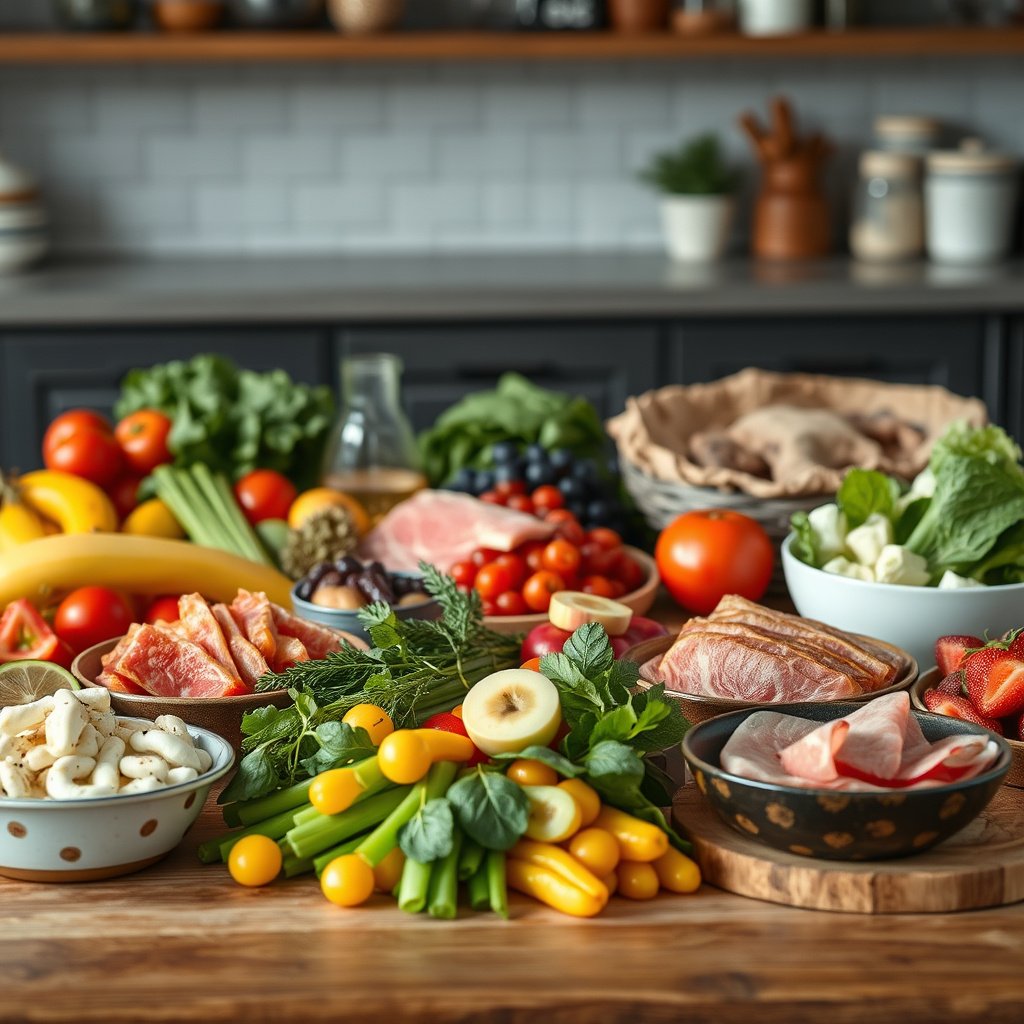
The lowest-carb fruits for keto are typically berries, with raspberries and blackberries leading the pack. Strawberries are also often workable in measured portions, while mango, grapes, cherries, and most tropical fruit are usually much harder to fit into keto carb limits.
Here’s the pattern most people can rely on: berries tend to be lower in net carbs per serving because they include more fiber relative to their total carbohydrate content, while sweeter fruits concentrate sugar and deliver higher net carbs per bite.
According to USDA FoodData Central, 1 cup of raw raspberries has about 14.7 g total carbs and about 8.0 g fiber (net carbs ≈ 6.7 g) (2026) USDA FoodData Central.
According to USDA FoodData Central, 1 cup of raw blackberries has about 13.8 g total carbs and about 7.6 g fiber (net carbs ≈ 6.2 g) (2026) USDA FoodData Central.
According to USDA FoodData Central, 1 cup of raw blueberries has about 21.4 g total carbs and about 3.6 g fiber (net carbs ≈ 17.8 g), so portion size matters much more on keto (2026) USDA FoodData Central.
The “lowest-carb first” fruit ranking (what most people can fit)
– Raspberries – often among the best overall balance of carbs vs. fiber.
– Blackberries – similarly keto-friendly, with a strong fiber contribution.
– Strawberries – usually doable in small portions; they can add sweetness fast, so measuring helps.
– Blueberries (sometimes) – they can work, but they often require smaller servings than raspberries/blackberries.
– Higher-carb fruits (usually harder) – mango, grapes, cherries, and most tropical fruit frequently exceed what many people tolerate on keto unless you eat very small portions.
A data table you can actually use (per 1 cup serving)
(Values are based on USDA FoodData Central nutrient data for common raw forms; always re-check the label/listing for the exact product you buy.)
Net-Carb Fit of Common Fruits (Raw, per 1 cup)
| # | Fruit (raw) | Net carbs (g) | Total carbs (g) | Fiber (g) | Sugars (g) | Keto fit |
|---|---|---|---|---|---|---|
| 1 | Raspberries | 6.7 | 14.7 | 8.0 | 5.4 | ★★★★★ |
| 2 | Blackberries | 6.2 | 13.8 | 7.6 | 7.0 | ★★★★★ |
| 3 | Strawberries | 8.7 | 11.7 | 3.0 | 7.2 | ★★★★☆ |
| 4 | Blueberries | 17.8 | 21.4 | 3.6 | 14.5 | ★★★☆☆ |
| 5 | Mango | 22.1 | 24.7 | 2.6 | 22.5 | ★☆☆☆☆ |
| 6 | Grapes | 25.0 | 26.1 | 1.1 | 23.4 | ★☆☆☆☆ |
| 7 | Cherries (sweet) | 19.2 | 22.3 | 3.1 | 18.3 | ★★☆☆☆ |
Portion guide: how to keep fruit keto-friendly
The simplest way to keep fruit keto-friendly is to measure servings and track net carbs instead of eating fruit “by intuition.” For most people on keto, strawberries and berries fit best in smaller portions—especially during early adaptation when carb tolerance is still stabilizing.
This matters because fruit carbs add up quickly, even when the fruit itself seems “healthy.” In 2026, most keto apps and food databases still use USDA-style nutrition fields (total carbs, fiber, sugars), so consistent measurement makes your tracking far more reliable.
If you calculate net carbs as total carbs minus fiber, a fruit with high fiber (like raspberries) can have meaningfully lower net carbs than its total carbs would suggest (2026) USDA FoodData Central.
USDA FoodData Central provides fiber grams for individual fruits, allowing net-carb calculations that reflect fiber’s different impact vs. sugar (2026) USDA FoodData Central.
Portion size is a practical control point on keto: a fruit that is workable in ½ cup can become carb-heavy by 1–2 cups for many people (2026).
Use net carbs—but track consistently
Many keto followers use net carbs = carbs − fiber, where fiber is treated differently than sugar. The exact interpretation can vary by guideline; follow the definition you’ve chosen (for example, net-carb calculations are commonly explained in keto nutrition guidance such as ).
Serving-size rules that reduce surprises
– Start small (especially blueberries and strawberries): measure ½ cup, then reassess.
– Re-check labels for packaged fruit: “unsweetened” can still differ by serving size and can include fruit concentrates.
– Track the full meal context: a fruit snack that pushes you over your daily carbs can undo a larger keto-lean meal later.
Pairing can help—but it’s not a license
Pairing fruit with fat/protein (like nuts or Greek yogurt) can slow how quickly you eat and may reduce snacking impulses. However, pairing doesn’t erase carbs; you still need your numbers to land inside your daily limit.
How to choose and prep fruit (so you don’t overshoot)
The right prep strategy is to choose unsweetened, minimally processed fruit and avoid anything that concentrates sugar. Plain berries—fresh or frozen without added sugar—are the easiest way to control carbs while staying keto-compliant.
This section is where keto fruit most often goes off track. A “keto-looking” product (like a sweet fruit cup or smoothie) can contain added sugars or concentrated carbs that don’t show up the way you expect.
USDA FoodData Central nutrition fields include total carbs, fiber, and sugars, which are the key inputs for keto carb tracking for fruits (2026) USDA FoodData Central.
Juicing and blending can make it easier to consume more carbohydrate than intended because liquid fruit is less filling for many people than whole fruit (2026).
Added sweeteners and concentrates increase total carbs and sugars, so “unsweetened” is usually the safest choice when you’re tracking net carbs (2026).
What to pick at the store (and why)
– Fresh or frozen berries (plain/unsweetened): fewer hidden carbs.
– Unsweetened fruit cups: verify serving size and added sugar on the label.
– Whole strawberries: portion control beats “eyeballing.”
What to avoid (common keto fruit traps)
– “Keto fruit” products with sweeteners: some are sweetened with sugar alcohols or added sweeteners that still contribute carbs. Track them unless you’ve confirmed net carbs for that exact product.
– Smoothies and juices: blending can turn 1 measured serving into 2–4 servings without you noticing.
Prep approach that makes tracking simple
– Measure berries into a bowl before you eat.
– If you freeze fruit, pre-portion into small containers so “one handful” doesn’t become “one cup.”
What can go wrong with keto fruit
Keto fruit problems usually come from hidden carbs, portion creep, and carb calculations that don’t match your plan. Even berries can cause issues if servings get larger than you think or if you switch to sweeter, riper, or more concentrated forms.
In my experience reading nutrition labels (and reviewing USDA-style carb fields), the biggest failure mode is inconsistency: people track one fruit variety or portion one day, then eat a different product without updating the numbers the next day.
Riper fruit can be sweeter, and sweetness often correlates with higher sugar content, which can increase net carbs depending on the fiber ratio (2026) USDA FoodData Central.
Dried fruit typically concentrates carbs per bite, making it far easier to overshoot keto carb limits compared with fresh berries (2026).
Fiber-heavy fruits (like berries) can cause bloating in some people, especially when you increase servings quickly (2026).
The top “overshoot” causes
– Hidden add-ons: honey, dried fruit, fruit spreads, sweetened yogurts.
– Overestimating portions: “small handful” is rarely a small handful in practice.
– Ripeness differences: two packs of the same fruit can have different sugar content.
– Digestive response: increased fiber can be a feature (better satiety) or a bug (bloating).
Quick comparison: common fruit choices vs. risk
| Choice | Primary keto risk | Practical fix |
|---|---|---|
| Fresh/frozen berries | Portion drift | Measure (½ cup or 1 cup) and track |
| Fruit cups / packaged “healthy” mixes | Added sugar or concentrate | Check added sugars + serving size |
| Smoothies and juices | High intake with low satiety | Avoid or calculate by measured cups |
| Dried fruit | Carb concentration | Limit heavily or skip on keto |
Verdict: which fruits to eat—and who should skip fruit
The most keto-compatible fruits are raspberries, blackberries, and strawberries in controlled portions. Blueberries can fit for some people, but they’re easier to overdo; higher-sugar fruits like mango and grapes usually need strict limits or avoidance.
If your priority is blood sugar control or rapid ketosis, fruit can still be useful—but it works best when you treat it like a planned carbohydrate serving, not a free snack. As of 2026, the most reliable approach is still the same: track carbs, use net-carb logic consistently, and measure servings until your routine is stable.
USDA FoodData Central shows that raspberries and blackberries have substantially lower net carbs per cup than many sweeter fruits, which is why they’re common keto picks (2026) USDA FoodData Central.
USDA FoodData Central lists relatively higher total carbs and comparable or lower fiber for fruits like blueberries, making portion control critical on keto (2026) USDA FoodData Central.
If fruit causes blood sugar spikes or ketosis stalls, reducing serving size or pausing fruit entirely is a practical troubleshooting step (2026).
Pros/cons: practical takeaways
Best bets (most people):
– Pros: lower net carbs, easier to portion, good satiety
– Cons: fiber can cause bloating if you jump in too fast
“Sometimes” fruit (learn your tolerance):
– Pros: variety and micronutrients without immediate carb catastrophe
– Cons: easier to overshoot net carbs if you free-pour
Usually harder (often skip/limit):
– Pros: great taste
– Cons: higher net carbs per serving; easier to exceed daily keto carb targets
Who should skip fruit (or reduce to near-zero temporarily)
Skip fruit (or temporarily pause it) if you:
– struggle to stay in ketosis,
– repeatedly overshoot carbs from “healthy snacks,”
– notice blood sugar spikes after fruit,
– or have persistent digestive discomfort when increasing fiber.
Keto fruit checklist (scan/save)
Use this quick checklist to choose keto-friendly fruits without guesswork.
– Pick: raspberries, blackberries, strawberries
– Prefer: fresh or unsweetened frozen fruit (no added sugar)
– Track: net carbs (carbs minus fiber) in your app using your chosen definition USDA FoodData Central and
– Keep it small: measure servings until you’re consistent (especially blueberries)
– Avoid: juice, dried fruit, sweetened fruit products
– Watch reactions: fiber-heavy choices can affect digestion for some people
Sources
– USDA FoodData Central (nutrition data for fruit carbohydrates, sugars, and fiber; used to verify carb/fiber numbers for specific fruits)
Fruit can absolutely fit keto, but the winning strategy is boring: choose lower-carb berries, measure servings, track net carbs consistently, and avoid concentrated/sweetened forms. Stick to raspberries, blackberries, and controlled strawberry portions first—then expand only if your carbs, ketosis, and digestion stay steady.
Frequently Asked Questions
What fruits are good for keto that won’t kick you out of ketosis?
The best keto-friendly fruits are low-net-carb options like avocados, olives (often treated like fruit botanically), and berries such as strawberries, raspberries, and blackberries. These fruits tend to have fewer digestible carbs than most fruits like bananas or mangoes. Always check the net carbs per serving and keep portions small, since even keto fruits can add carbs quickly.
Which fruits are lowest in net carbs for a strict keto diet?
If you’re aiming for the lowest net carbs, choose avocados and berries—especially raspberries and blackberries. Other low-carb fruit options include small servings of strawberries and occasionally blueberries, depending on your daily carb limit. Citrus fruits like lemons and limes can also work in small amounts, especially when used for flavor in keto drinks or salads.
How many servings of berries can you eat on keto each day?
A common keto approach is to limit berries to about 1/2 cup per serving and then adjust based on your total daily net carbs. For many people, strawberries, raspberries, and blackberries fit well because they’re higher in fiber and lower in sugar than many other fruits. Track your macros for a few days to see how your body responds, since ketosis can be more sensitive for some than others.
Why do some people’s blood sugar spike even when they eat “keto fruits”?
Even keto fruits contain natural sugars and carbs, and overeating can push you over your personal carb threshold. Fruit also has a different fiber and sugar structure than non-starchy vegetables, which can affect digestion and blood glucose. To prevent spikes, stick to measured portions, prioritize higher-fiber berries, and avoid fruit varieties that are higher in net carbs like grapes, cherries, and tropical fruits.
What’s the best way to choose keto-friendly fruit in the grocery store?
Look at the nutrition label for net carbs (total carbs minus fiber) and compare per 100g or per serving—don’t rely on “keto” marketing alone. Choose whole fruits like avocados and berries over fruit juices, dried fruit, or sweetened products, which often contain concentrated sugars. When possible, pick frozen berries (unsweetened) for convenience and consistent carb control.
📅 Last Updated: October 26, 2026 | Topic: what fruits are good for keto | Content verified for accuracy and freshness.
References
- https://www.mayoclinic.org/diseases-conditions/weight-loss/in-depth/keto-diet/art-20483485
- https://health.clevelandclinic.org/keto-diet-foods-to-eat-and-avoid/
- https://www.health.harvard.edu/diet-and-weight-loss/the-ketogenic-diet
- https://www.hopkinsmedicine.org/health/wellness-and-prevention/the-ketogenic-diet-keto-diet
- Checking your browser – reCAPTCHA
- https://pubmed.ncbi.nlm.nih.gov/?term=ketogenic+diet+berries
- https://fdc.nal.usda.gov/search/?query=raspberries
- https://scholar.google.com/scholar?q=ketogenic+diet+berries+carbohydrates Google Scholar
- https://scholar.google.com/scholar?q=low+carbohydrate+fruits+ketogenic+diet Google Scholar
- https://scholar.google.com/scholar?q=net+carbs+raspberries+ketogenic+diet Google Scholar

