Want to know what foods to avoid on a keto diet—the biggest triggers that kick you out of ketosis? This guide delivers a clear hit list of the foods most likely to spike your carbs or stall fat-burning, with the exact categories to cut first. If you’re trying to stay in ketosis, start here and remove the common keto derailers before you waste another week.
Skip sugar, grains, starchy vegetables, and most fruit—those foods usually push you over keto’s carb limit. Also watch “keto” packaged items and drinks, which can hide carbs through sweeteners, starches, and alcohol sugars.
This guide is for people starting keto (or restarting after slipping) and want a practical “avoid list” they can use at the grocery store and when reading labels.
Carbs to avoid on keto (the main culprits)
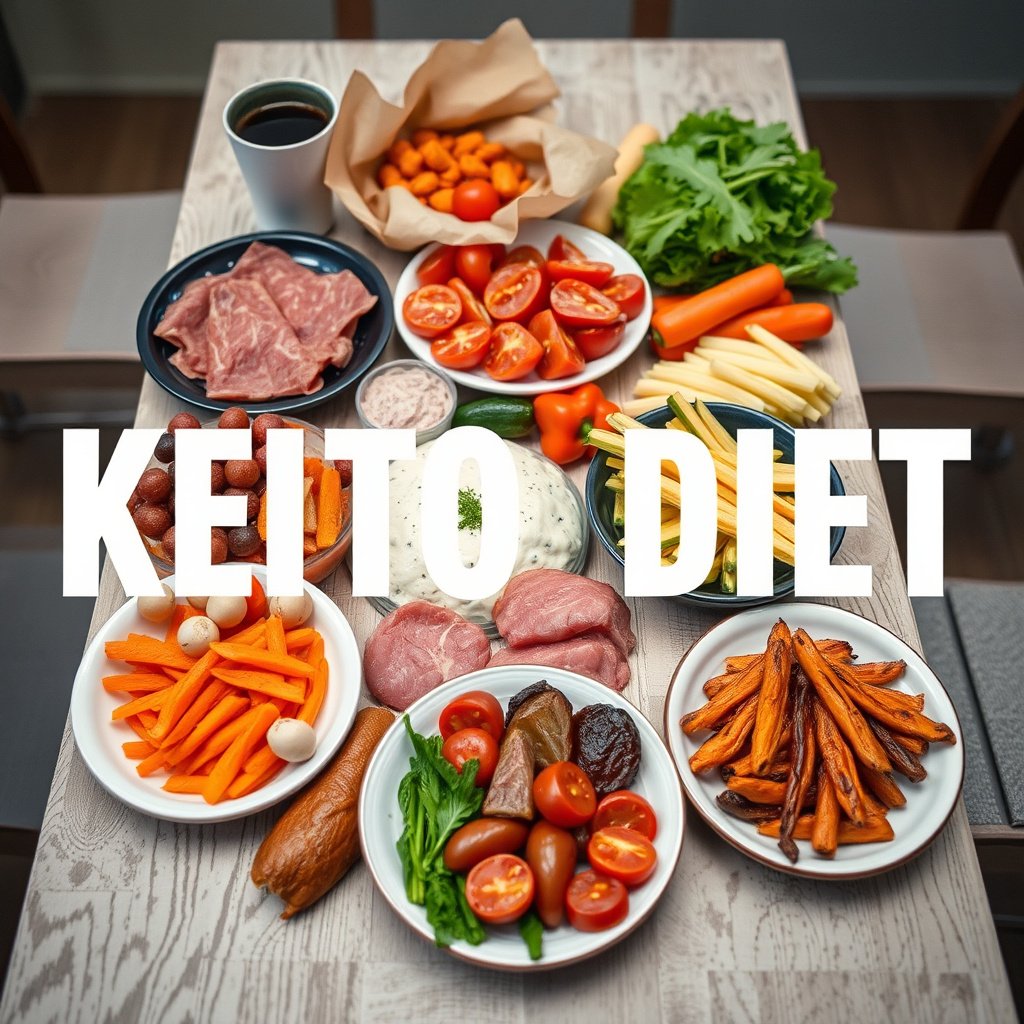
The fastest way to stay in ketosis is to avoid the high-carb categories that reliably exceed most keto carb targets. In other words: when you remove obvious carbs like sugar, grains, and starchy vegetables first, you reduce the chance that hidden carbs in “keto” marketing will derail your day.
Ketogenic diets are designed around restricting carbohydrate intake to roughly 20–50 grams per day, which is why sugar- and starch-heavy foods break keto quickly.
On the Nutrition Facts label, “Total Carbohydrate” and “Sugars” are reported per serving, so foods with high total carbs undermine keto even if they taste “sweet” or are marketed as healthier.
Sugars and sweets (the immediate keto breakers)
Avoid sugars and desserts in every form—especially “everyday” sweeteners that add up fast in a low-carb plan. This includes candy, table sugar, syrup, honey, sweetened desserts, and anything that lists sugar as a top ingredient.
Two points matter for keto compliance:
– Keto doesn’t care whether sugar is “natural.” Honey and maple syrup still behave like carbohydrates in your daily carb math.
– “Sugar-free” isn’t automatically carb-free. Some products use sweeteners that may include starch-derived ingredients or sugar alcohols that still affect your total carbohydrate intake.
Grains and grain products (carb density in disguise)
Grains are one of the most common reasons people “feel like they did keto” but still stall. Bread, pasta, rice, oats, cereal, tortillas, and flour-based products are concentrated sources of starch—meaning carbs are delivered with relatively little volume.
A practical rule: if it’s a grain or a grain substitute made from grain flour, treat it as a keto-trigger unless you’ve checked the label’s total carbs per serving and portion size.
Starchy vegetables + legumes (often higher than people expect)
Potatoes, corn, peas, and beans/lentils are frequently underestimated because they’re vegetables, not candy. But starchy vegetables contain carbs that can be substantial enough to push you beyond a strict daily limit.
Legumes are especially tricky: beans and lentils can provide fiber and protein, but carb counts vary widely by type and serving size. If you’re “restarting” after slipping, it’s usually smarter to keep legumes out for the first week or two while you re-establish your routine.
High-carb fruit and “keto-friendly” dairy swaps
Most fruit and many “sweet” dairy options are easy to overdo on keto because they contain natural sugars (and sometimes added sugar). If you want a simple avoid list, keep most fruit out initially—then reintroduce only small portions of the varieties that fit your personal carb target.
Natural sugars in fruit still count as carbohydrates for ketosis; juice and dried fruit tend to be the most carb-dense forms of fruit.
Some dairy products marketed as “keto” or “healthy” can include added sugars—so checking total carbohydrate per serving is more reliable than relying on branding.
Most fruit (especially juice and dried fruit)
As of 2026, many people try keto expecting fruit to be “allowed.” For strict keto, that assumption often fails. Oranges, bananas, grapes, and dried fruit usually deliver more carbs per serving than people anticipate—particularly when portion size isn’t controlled.
If you want a conservative restart approach:
– Avoid fruit entirely for a short adjustment period.
– Then consider small portions of lower-carb options that you’ve verified via labels or carb databases (and budget them into your daily total carbs).
Milk vs. cream/cheese: where “keto-friendly” can get confusing
Regular milk and sweetened yogurt are commonly higher in carbs than cheese and cream. Lactose in milk is a real carbohydrate, and flavored dairy frequently contains added sugars.
A simple grocery approach:
– Favor cheese, heavy cream, and plain high-fat dairy where label carbs are low.
– Be cautious with “milk alternatives” and flavored yogurt/kefir: they can contain added sugar or starch-thickened formulations.
Watch flavored “yogurt” and kefir products
Even when a product looks like keto-friendly dairy, added sugar can be the culprit. Flavored yogurt and “fruit” dairy often include sugar even when the front label uses health language.
From my experience revisiting labels during restarts, the most common pattern is that people choose flavored dairy based on taste/brand, then underestimate how quickly total carbs accumulate across breakfast + snacks.
Drinks and alcohol to avoid (common hidden carbs)
If you’re trying to stay under your daily carb target, drinks are often the fastest route out of ketosis. Sugar-sweetened beverages and many alcoholic drinks add carbs either directly (sugar) or indirectly (mixers, syrups, and alcohol-containing carbs).
According to the U.S. Food and Drug Administration, Nutrition Facts labeling requires disclosure of serving size and total carbohydrate, which is why reading the drink label is essential for keto carb control.
“Net carbs” is not defined by FDA for Nutrition Facts labels, so keto drink marketing can be misleading if it doesn’t match your total-carb calculation.
Sugary beverages (liquid carbs add up fast)
Avoid soda, sweet tea, juice, sports drinks, sweetened coffee drinks, sweetened coffee creamers, and energy drinks. Liquid sugar is absorbed quickly and is easy to over-consume—especially when people don’t track carbs from drinks at all.
Beer and non-low-carb mixers
Beer is typically higher in carbs than many people expect. Mixers and ready-to-drink cocktails can also carry sugar (sometimes syrup-based), so you need label math rather than assumptions.
If you’re unsure, check labels (and measure portions)
For drinks, the “serving size” on the label is the key variable. One brand’s “low-carb” can still be relatively high in grams per serving, and serving sizes differ across brands and product types.
Hidden carbs in “low-carb” or “keto” packaged foods
“Low-carb” and “keto” labels don’t automatically mean you’re safe—you still need to check the ingredients and total carbs per serving. The biggest triggers in packaged keto foods are starches/thickeners, sugar-alcohol effects, and “net carbs” math that doesn’t match your tracking.
The FDA does not define “net carbs” on the Nutrition Facts label, so calculations can vary by company and may not match total carbohydrate counting.
Sugar alcohols can reduce “sugars” on the label while still contributing carbohydrates to the total carb total that you track for keto.
Starches and thickeners can sneak in
Some packaged products use wheat-derived starches or specialty flours and thickeners that keep the product workable while still raising carbohydrate grams. Even “gluten-free flour” can be carb-active depending on the base ingredients.
What to do in practice:
– Look at Total Carbohydrate first.
– If the product is “keto” but the carbs are still substantial, your portion size might be the real problem.
Sugar alcohols and “net carbs” confusion
Different companies calculate net carbs differently. That’s why you should avoid relying on marketing claims if you’re serious about staying in ketosis—especially during your first restart period.
When tracking keto, align to one method and stick with it:
– Total carbs for a conservative restart, then optionally compare with net-carb approaches once you learn how your body responds.
Portions still matter—even when the bar label says “keto”
One “keto snack” can be several servings if you eat quickly or mindlessly. Serving sizes are where most packaged-food keto overages happen.
Quick takeaway: don’t only compare to your daily limit—compare to the serving size on the label, too.
7 Common Keto Triggers: Total Carbs per Typical Serving (USDA-based)
| # | Food (typical serving) | Total carbs (g) | % of 20 g/day limit | Keto-fit (higher ★ = safer) |
|---|---|---|---|---|
| 1 | Regular soda (12 fl oz / 355 mL) | 39.0 | 195% | ★ |
| 2 | Honey (1 Tbsp / 21 g) | 17.3 | 86.5% | ★★ |
| 3 | Cooked white rice (1 cup / ~158 g) | 44.5 | 222.5% | ★ |
| 4 | Baked russet potato (1 medium) | 37.0 | 185% | ★ |
| 5 | Banana (1 medium) | 27.0 | 135% | ★★ |
| 6 | Cooked kidney beans (1 cup) | 40.8 | 204% | ★ |
| 7 | Rolled oats (1/2 cup dry) | 27.2 | 136% | ★★ |
Note: Total carbohydrate figures are based on typical servings from USDA FoodData Central; always confirm the exact carbs on your product label because brand formulations vary.