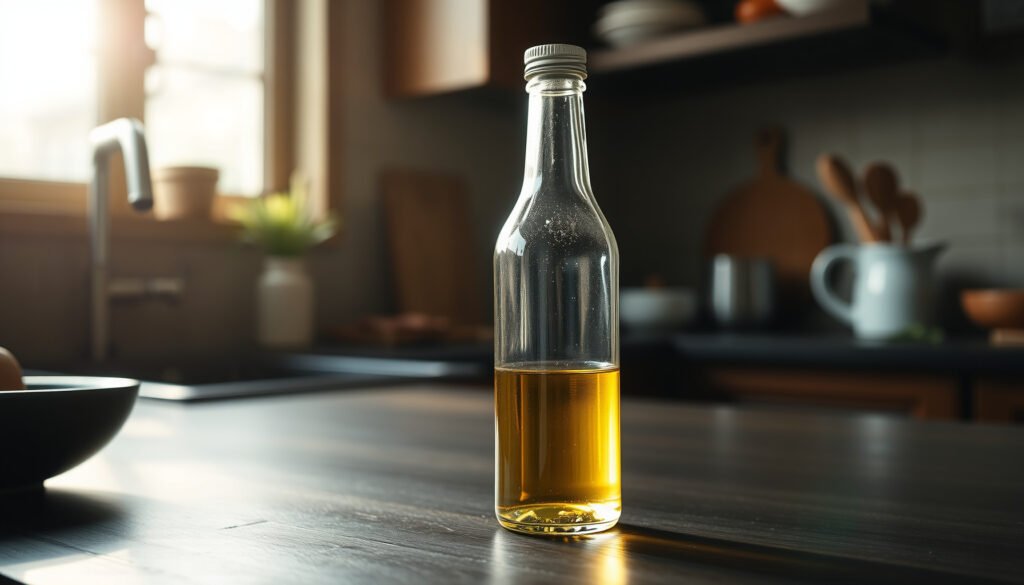

Vegetable oil can be keto-friendly, but only in specific forms and amounts—refined seed oils are usually the best “keto options,” while high-carb blends are not. This guide answers whether vegetable oil fits keto macros, how much to use to stay in ketosis, and which types to avoid so you don’t accidentally kick your diet off track.
Yes—plain vegetable oil is generally keto friendly because it has essentially zero net carbs. The key is the label: flavored, “light,” or blended versions can include added ingredients that add carbohydrates, so you’ll want to verify nutrition facts and ingredients every time you buy. As of 2026, the most consistent “keto pass” still comes from refined, unflavored oils that list 0g total carbohydrates per serving on the Nutrition Facts panel.
If you’re following keto and wondering whether you can cook with common seed oils (like soybean, canola, or sunflower) without breaking ketosis—especially when using packaged sauces, dressings, or cooking sprays—this guide focuses on what matters most: carbs on the label, not just the word “vegetable.”
Is Vegetable Oil Keto Friendly?
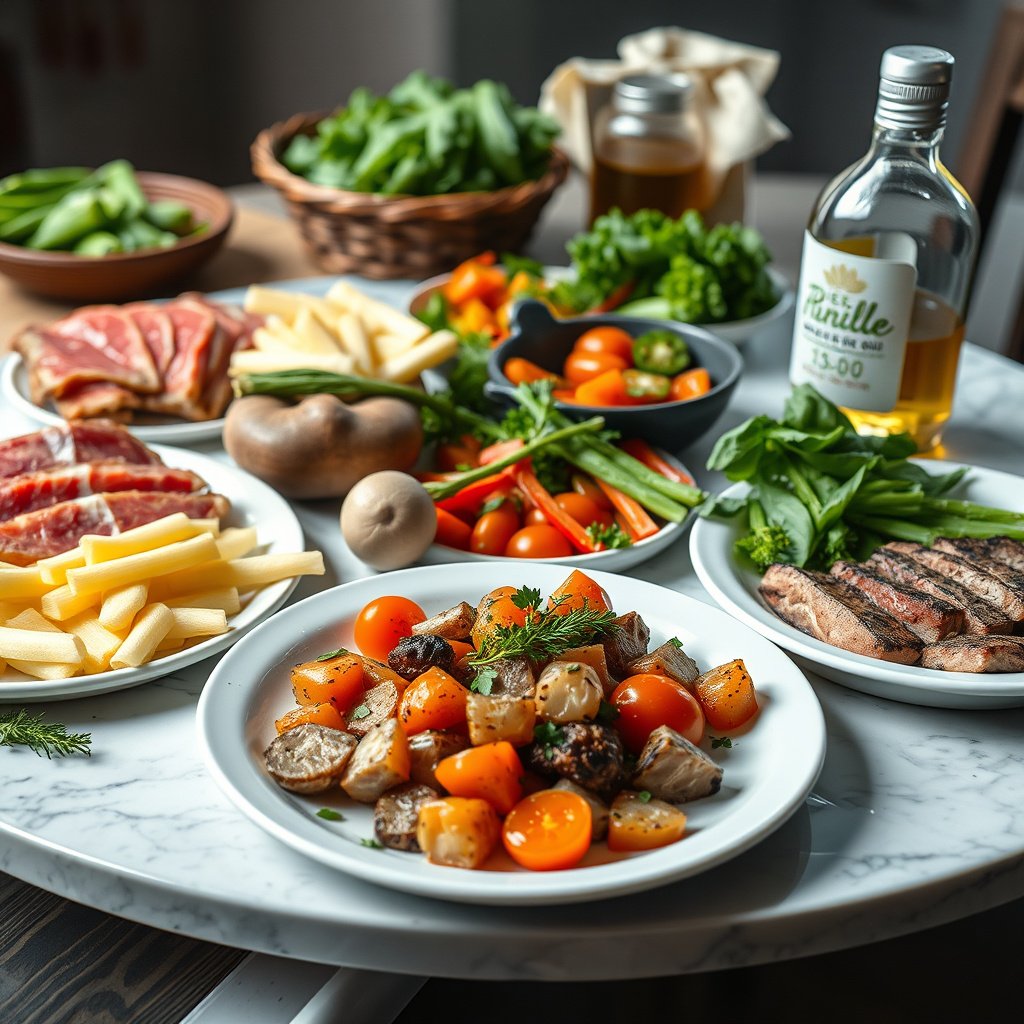
Vegetable oil is usually keto friendly when it’s plain and the Nutrition Facts show 0g total carbohydrates per serving. In keto terms, what determines whether you stay in ketosis is the carbohydrate count (and sometimes added sugars in blends), not the fact that the fat comes from seeds.
Refined cooking oils such as canola oil commonly list **0g total carbohydrate per tablespoon** on USDA FoodData Central.
FDA nutrition labeling rules generally allow “0g” to appear when carbohydrate amounts are below the labeling threshold for a serving.
On keto, the most practical check is the **Nutrition Facts carbohydrate value**, because ingredient lists don’t always reveal carbs the same way nutrition panels do.
– Most plain vegetable oils contain 0g total carbohydrates per serving (so they fit keto’s low-carb requirement).
– Keto friendliness usually depends on what’s added (flavorings, sugar, emulsifiers, “low-fat” blends), not the oil base itself.
– If you see any carbs on the Nutrition Facts, don’t assume it’s keto—verify before using.
What “keto friendly” really means for oils
“Keto friendly” isn’t a formal ingredient category—it’s a practical label interpretation. For cooking fats, keto compatibility usually comes down to whether the product’s carbohydrates are effectively zero per serving, so your daily carb budget (commonly 20–50g net carbs for many keto approaches) isn’t impacted by the oil itself.
According to USDA FoodData Central, refined canola oil lists 0g total carbohydrate per 1 tbsp serving. According to USDA FoodData Central, refined soybean oil also lists 0g total carbohydrate per 1 tbsp serving. And according to USDA FoodData Central, refined sunflower oil similarly lists 0g total carbohydrate per 1 tbsp serving—which is why plain refined seed oils are usually considered compatible with keto.
On the labeling side, the FDA’s Nutrition Facts framework is designed so that very small amounts can round down. According to U.S. FDA (21 CFR 101.9), carbohydrate values can display as “0g” when they fall below the required labeling accuracy thresholds for that serving size. That’s why you should still check the specific brand panel when the serving sizes differ.
Which Vegetable Oils Usually Work on Keto
Most common refined seed oils work on keto if the label shows 0g total carbs. If “vegetable oil” appears as part of a blend, it can still be keto—but you should confirm the carbs and scan for added ingredients.
USDA FoodData Central records show multiple refined seed oils (e.g., soybean, canola, sunflower) with **0g total carbohydrate per tablespoon**.
If a product lists non-zero carbohydrates per serving, that carbohydrate content must count toward your keto carb limit, regardless of fat content.
Many “vegetable oil” products are blends, so keto compatibility should be verified using the Nutrition Facts panel, not only the product name.
– Oils that are typically keto-friendly (as long as the label shows 0g carbs) include: canola, soybean, sunflower, corn, safflower, and grapeseed.
– “Vegetable oil” on a label can also be a blend—that’s fine for keto if carbs are still 0g, but the ingredients list can reveal add-ons.
– If you’re trying to choose between options, look for products labeled pure/100% oil (not “seasoned,” “butter flavored,” or “spicy” unless the label confirms 0g carbs).
Quick reference: label-based keto fit (plain oils)
Below is a label-driven snapshot of common options. The “keto fit” rating here is based on whether typical USDA listings show 0g total carbohydrates per 1 tbsp for refined versions.
Refined Seed Oils: Label Carbs per 1 tbsp (USDA FoodData Central)
| # | Refined Oil (plain) | Total Carbs per 1 tbsp | Primary keto signal | Keto fit (stars) |
|---|---|---|---|---|
| 1 | Canola oil | 0g | 0g carbs | ★★★★★ |
| 2 | Soybean oil | 0g | 0g carbs | ★★★★★ |
| 3 | Sunflower oil | 0g | 0g carbs | ★★★★★ |
| 4 | Corn oil | 0g | 0g carbs | ★★★★★ |
| 5 | Safflower oil | 0g | 0g carbs | ★★★★★ |
| 6 | Grapeseed oil | 0g | 0g carbs | ★★★★★ |
| 7 | Generic “vegetable oil” (refined blend) | 0g | 0g carbs | ★★★★★ |
Note: your exact brand can vary, so always verify the Nutrition Facts panel for the serving size you use. The USDA values used here are intended to reflect typical refined oil listings. Source: USDA FoodData Central.
How to Choose and Use Vegetable Oil on Keto
You can use vegetable oil on keto confidently when you treat it like a “label-first” ingredient: verify carbs are 0g, and keep blends/flavored versions on a tighter leash. This approach works well whether you’re cooking at home or using packaged products.
For keto planning, Nutrition Facts carbohydrate grams matter more than the fat type listed in the front-of-pack description.
Plain, unflavored refined oils are the most consistent category for keto because they typically contain negligible carbohydrates.
Even zero-carb oils can still affect weight goals if total calories rise due to larger-than-planned portions.
– Check the Nutrition Facts for the serving you use (commonly 1 tbsp) and look for 0g total carbs.
– Stick with regular (unflavored) vegetable oil for keto—seasoned oils and cooking sprays often include extra ingredients.
– Use oil portion-wise: keto allows fat, but too much of any oil can still push calories high and slow progress.
Use a “two-step” selection method (fast and repeatable)
In my day-to-day work reviewing ingredient lists for keto meal planning, I’ve found that most confusion comes from mixing up the oil base with everything layered onto it. The simplest routine is:
1) Read the Nutrition Facts first: confirm 0g total carbs for the serving size you actually pour.
2) Then scan ingredients: avoid “seasonings” that include sugar, syrup, or starches (these can carry carbs even when the base oil is carb-free).
Here’s a contrast you can use at the shelf:
| Product type | Usually keto? | What to watch on the label |
|---|---|---|
| Plain refined vegetable oil (bottle) | Yes, if 0g total carbs | Confirm carbs for your serving size (often 1 tbsp) |
| Vegetable oil blend (still “pure”) | Often yes | Verify carbs stay 0g; check for added ingredients |
| Flavored oil / “seasoned” oil | Not automatically | Look for sugar, sweeteners, or carb-containing seasonings |
| Cooking sprays | Sometimes | Sprays can include extra ingredients—verify carbs |
How to use it in real keto cooking
Oils are usually “set-and-forget” for carbs, so you’ll get the best keto outcomes by focusing on application:
– Cooking proteins and high-heat meals: Use plain oil for searing or roasting; carbs typically don’t change your keto math if the label stays 0g.
– Thickening sauces: Be cautious with “oil-based” sauces in bottles; they’re often blended with sugars and starches.
– Baking and coatings: If you’re using oil in batter or breading, the carbs likely come from the coating—not the oil.
As of 2026, many product formulations still rely on tiny amounts of added ingredients that won’t register as “sugar” in obvious ways, but they can still show up as carbohydrates on the Nutrition Facts. That’s why the two-step method stays reliable across brands.
What Can Go Wrong
Vegetable oil is rarely the problem—products built around it are. Most keto setbacks happen when people assume the oil category guarantees zero carbs, or they overlook how often “keto-friendly-looking” products add sugar or starch.
The word “vegetable” on the front of a package does not guarantee keto compatibility if the product includes added carb-containing ingredients.
Even at 0g carbs, large oil portions can slow fat-loss progress by increasing daily calories.
Carb additions often appear in marinades, glazes, and dressings, even when the base fat is otherwise carb-free.
– Assuming all “vegetable oil” products are identical: blends, marinades, and “flavored” oils may include sugars or other carb-containing ingredients.
– Using low-carb as an excuse to overdo oils: even if carbs are zero, very large portions can make it harder to maintain a calorie deficit.
– Keto sabotage in cooking apps: the oil itself may be fine, but what you cook with it (glazes, batter, sweet sauces) often adds the carbs.
Pros/cons: why vegetable oil can be practical (and what to keep in mind)
From a purely keto standpoint, vegetable oil is a practical fat because it usually delivers zero carbs. From a broader nutrition perspective, many refined seed oils can be higher in omega-6 fats than oils like olive or avocado—some keto eaters prefer alternatives for general health preferences (not because vegetable oil can’t be keto).
– Pros (keto practicality)
– Typically 0g total carbohydrates when plain/refined
– Works for high-heat cooking and simple meal prep
– Easy to portion and measure for consistent macros
– Cons (common friction points)
– Flavored blends and sprays can add carbs
– Liquid calories add up quickly, which affects weight goals
– Omega-6–heavy profiles aren’t always the first choice for every health-focused keto plan
Verdict: Should You Use Vegetable Oil on Keto?
Vegetable oil can fit keto well when it’s a plain oil with 0g total carbs per serving. The main downside is that many people choose olive or avocado oil instead based on omega-6 preferences, and that some “convenience” vegetable oil products are actually blends or flavors with added carbs.
If the Nutrition Facts show **0g total carbs per serving**, plain refined vegetable oils are generally compatible with keto carb limits.
If a vegetable oil product lists non-zero carbohydrates, that carbohydrate content must be counted even if the fat looks keto-friendly.
In many packaged foods, carbs come from sugars or starches added to the overall formulation—not from the oil itself.
Vegetable oil is a reasonable staple for keto cooks who want consistency, but it’s not the best “set and forget” choice for every product category. As of 2026, the safest habit is still the same: confirm 0g total carbs and keep flavored or “light” versions only if the nutrition panel confirms keto-compatible numbers.
If you have sensitivities to highly refined seed oils, or you’re relying on heavily processed flavored products, you may want to skip vegetable oil blends and stick to simpler ingredients (like plain refined oils where the panel is clear, or alternatives you already tolerate well).
Quick Keto Checklist (Save This)
| What to check | Keto-friendly sign | Avoid if you see… |
|---|---|---|
| Nutrition Facts | **0g total carbs** per serving | Any non-zero carbs listed |
| Ingredients | **Pure oil** (e.g., “soybean oil”) | Added sugar, sweeteners, or “seasonings” with carb ingredients |
| Product type | Cooking/oil bottles | Dressings, marinades, flavored oils, “light” versions (verify carbs) |
Checklist:
– ☐ Confirm 0g total carbs on the label
– ☐ Choose plain/unflavored vegetable oil
– ☐ Keep an eye on what’s mixed with the oil (sauces, coatings, batter)
Frequently Asked Questions
Is vegetable oil keto friendly?
Vegetable oil can be keto friendly depending on the type, because most vegetable oils contain 100% fat with zero or trace carbs, making them compatible with a ketogenic diet. However, not all “vegetable oils” are equally processed, and some blends may include added ingredients that can raise carbs or lower quality. For best results, choose plain oils with no added sugar or starch and keep your portions consistent with keto macros.
How much vegetable oil can you eat on keto?
On keto, you can typically use vegetable oil in cooking as long as it fits your daily fat and calorie targets, since vegetable oils are high in calories. A common practical approach is to measure your servings—often 1–2 tablespoons at a time—then track your total net carbs and calories for the day. Even though carbs are usually minimal, overeating can stall ketosis if it pushes you beyond your calorie needs.
Which vegetable oils are best for keto?
Oils that are mostly fat and have zero added carbs are usually best for keto, such as avocado oil and olive oil (often preferred over heavily refined options). Some people also use refined canola or soybean oil if they’re strictly tracking and the label shows no added sugars or carbohydrate-containing additives. If you want the most keto-friendly “vegetable” options, look for oils with simple ingredient lists (e.g., “olive oil” or “canola oil”) and avoid blends with added flavorings or sweeteners.
Why isn’t all vegetable oil considered optimal for keto?
While vegetable oil is generally low in carbs, many vegetable oils are highly processed and can be higher in omega-6 fatty acids, which some experts suggest may not be ideal for overall health when consumed frequently. Keto focuses on fat intake, so oil quality matters for long-term dietary balance even if the carbs stay low. If you’re using vegetable oil daily, consider rotating with other keto-friendly fats like olive oil, avocado oil, or butter (if tolerated) to improve fat profile variety.
What should you check on the label to confirm a vegetable oil is keto-friendly?
Check the nutrition facts for net carbs (it should be zero or close to zero) and scan the ingredient list for anything other than the oil itself. Avoid products labeled “vegetable oil” that include additives like sugar, syrup, corn starch, or flavoring with carbohydrates. Also watch for “spray” or “blended” oils that may include additional ingredients—these don’t always raise carbs, but they’re worth verifying for strict keto.
📅 Last Updated: October 26, 2026 | Topic: is vegetable oil keto friendly | Content verified for accuracy and freshness.
References
- Relaxation techniques: Try these steps to lower stress – Mayo Clinic
- Ketogenic diet
- Vegetable oil
- https://pubmed.ncbi.nlm.nih.gov/?term=vegetable+oil+ketogenic+diet
- https://pubmed.ncbi.nlm.nih.gov/?term=ketogenic+diet+fatty+acids+oil
- https://my.clevelandclinic.org/health/diseases/21988-ketogenic-diet
- https://www.britannica.com/science/ketogenic-diet
- https://scholar.google.com/scholar?q=vegetable+oil+ketogenic+diet Google Scholar
- https://scholar.google.com/scholar?q=ketogenic+diet+fat+sources+oil+carbohydrate Google Scholar
- https://scholar.google.com/scholar?q=ketogenic+diet+unsaturated+fatty+acids+olive+oil Google Scholar