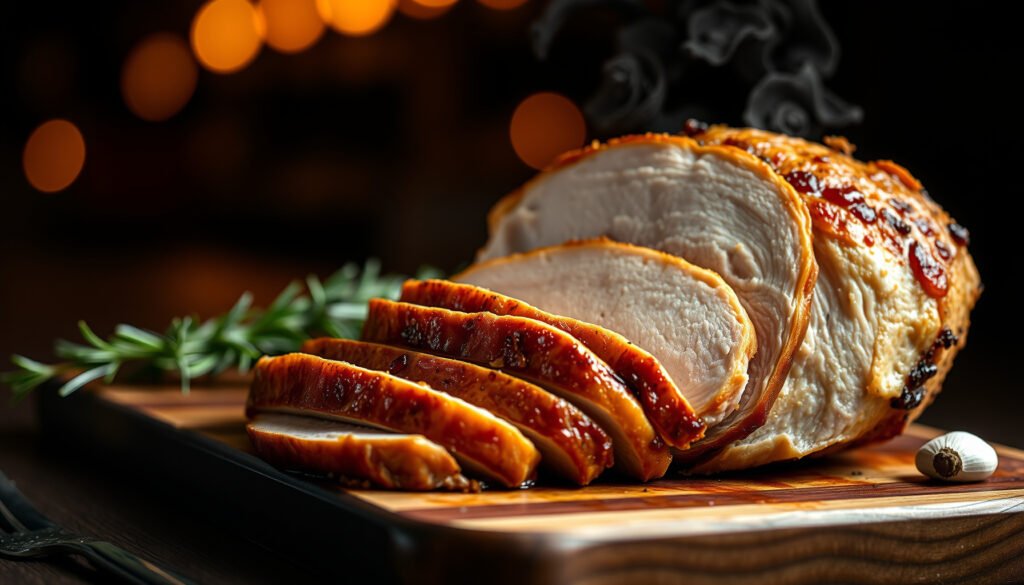

Turkey is keto-friendly—if you choose plain, unbreaded turkey and avoid sugar-heavy glazes, stuffing, and gravy thickened with flour. This guide answers whether turkey fits your daily carb limit on keto and shows what to look for on labels, including hidden carbs in deli meats and ready-to-eat products. Get the simple rules for portioning and swaps so you can eat turkey on keto without derailing ketosis.
Turkey is generally keto-friendly because it’s naturally very low in carbohydrates—especially when you choose plain, unbreaded turkey. The main catch is processed or prepared turkey products, which can include added sugar or higher-carb fillers. In this article, you’ll learn how to spot keto-friendly turkey and what to watch for on labels, including how to think about total carbs vs. sugars when you’re staying keto in 2026.
If you’re following a ketogenic diet (or trying to keep carbs low) and you’re wondering whether turkey fits your macros, this is for you. It’s also useful if you mainly eat turkey as deli meat, turkey burgers, or pre-seasoned options and want a quick way to check them without guessing.
Does turkey fit keto? The fast answer
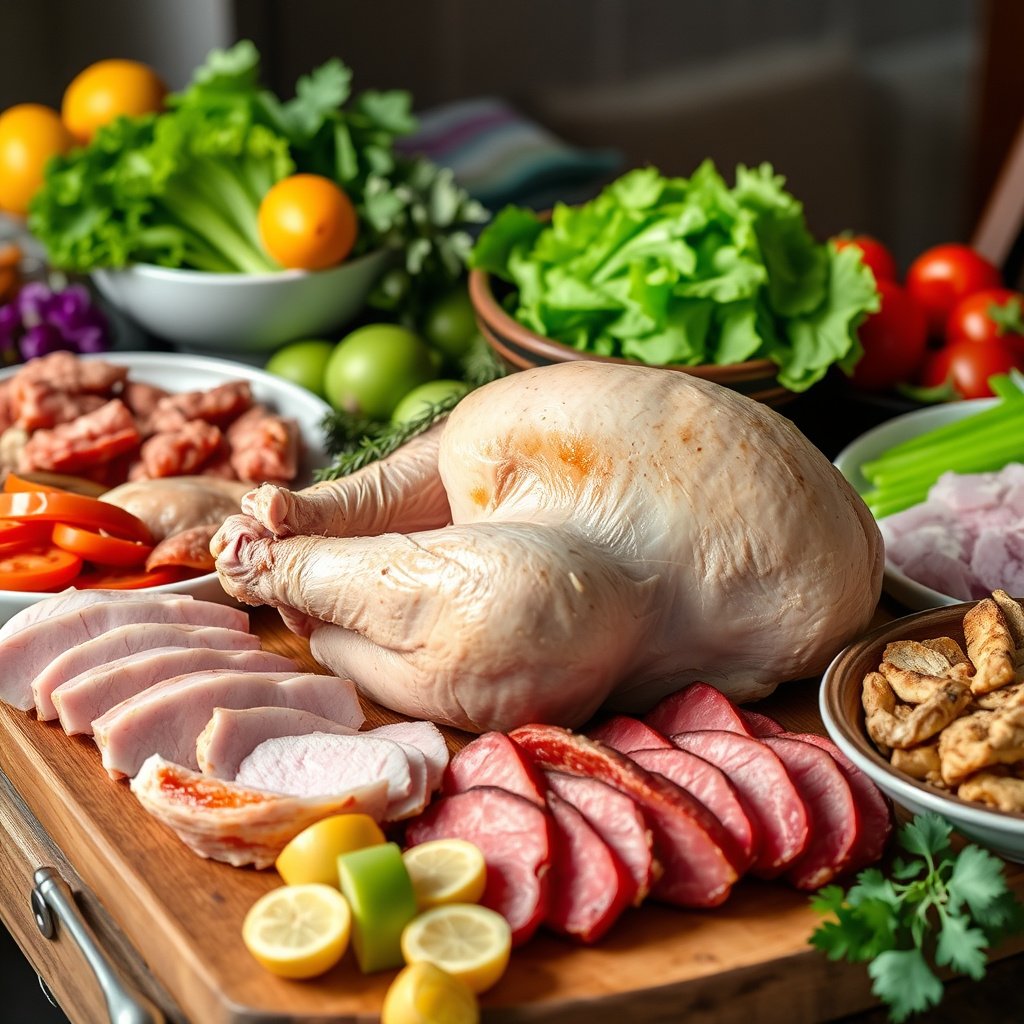
Turkey fits keto most of the time—plain turkey is a low-carb protein. The part that determines success isn’t “turkey” as a food category; it’s the recipe behind the turkey (plain vs. breaded vs. sweetened).
– Plain turkey (like roasted turkey breast or turkey mince) is typically very low-carb, making it a common keto protein.
– Keto-friendliness depends more on how the turkey is prepared than on turkey itself.
– Breading, sugary sauces, and cured/processed add-ins are the usual reasons turkey can stop fitting keto.
USDA FoodData Central nutrient data shows that cooked turkey breast (meat only) is typically listed with ~0 g total carbohydrate per 100 g. USDA FoodData Central
On a ketogenic diet, keeping carbohydrates low usually means prioritizing low total carbs and especially low sugar, because many “keto-adjacent” products add sweetness even when carbs look small. Academy of Nutrition and Dietetics / ketogenic diet guidance (general)
What “keto-friendly” should mean on the package
When people say “keto-friendly turkey,” they usually mean:
– Total carbohydrates stay low for your portion.
– Sugars are minimal (or ideally zero).
– Ingredients don’t include common carb sources like sugar, starch, flour, or dextrose—especially in higher-frequency ingredients.
As of 2026, nutrition labels make this easier to verify quickly: you can scan total carbs and sugars per serving, then check the ingredient list for starch/flour/sweeteners. That label-first approach is faster than trying to guess based on “looks like turkey.”
A quick reality check for your macros
Keto isn’t one universal carb number. Many people follow a daily range (often ~20–50 g net carbs/day), but your target depends on your plan and goals. If your turkey product stays low per serving but you eat multiple servings, carbs can still accumulate fast—particularly with deli-style and sauced options. (More on net carbs below.)
Fresh vs. processed: where carbs sneak in
Fresh turkey is usually keto-compatible because it’s just one ingredient group—meat. Carbs sneak in when turkey becomes a product, such as deli slices, smoked varieties, or ready-to-eat meals with glazes and binders.
– Whole cuts (breast, thigh, drumstick) usually stay keto-compatible because they’re not mixed with other ingredients.
– Deli turkey, smoked turkey, and “ready to eat” slices may contain added sugar, starch, or dextrose—check the label.
– Sauced turkey (glazed, teriyaki-style, sweet BBQ, etc.) is more likely to include carbs from sugar or thickened sauces.
FoodData Central entries for plain cooked turkey cuts typically list very low carbohydrate amounts compared with breaded or sauced prepared turkey products. USDA FoodData Central
In ingredient lists, common carb sources that reduce keto compatibility include sugar, dextrose, starch, and flour—often found in glazes, marinades, and binders. FDA labeling & ingredient listing conventions (general)
Whole cuts: the lowest-friction choice
When you buy roasted turkey breast, turkey mince (ground turkey), or other whole-cut styles, you’re usually working with fewer variables. Even when preparation methods vary (roasting, pan-searing, slow-cooking), you can keep carbs low by avoiding sugar-based seasonings.
From my day-to-day experience shopping for low-carb meals, this is the easiest lane: I can confidently build meals around plain turkey and then steer flavor using olive oil, herbs, garlic, lemon, and vinegar-based sauces.
Processed turkey: the “label math” becomes non-negotiable
Processed turkey products are where keto readers often get surprised. Two reasons show up repeatedly:
1. Added sweetness even in “savory” products
Deli turkey and smoked turkey can include sugar or sugar-derived ingredients. Sometimes it’s not listed as sugar in big bold letters—it can be present as dextrose or part of a seasoning blend.
2. Carb binders and texture helpers
Where you see terms like starch, modified food starch, flour, or maltodextrin, you should assume the carb load is higher than a plain cut.
Sauces and marinades: where carbs concentrate
Sauced turkey is a common keto failure point because sauces often include:
– sugar (directly or via sweeteners),
– thickening agents (which can contribute starch),
– or reduction/glaze systems that retain carbs even in “light” portions.
If a package or menu item describes “teriyaki,” “honey garlic,” “sweet BBQ,” or “glazed,” treat it as high probability of carbs and confirm via label.
Best keto ways to eat turkey (and what to avoid)
The most reliable keto approach is to eat turkey in a plain, minimally processed form and season it yourself. That keeps you in control of carbs—especially sugars and starches.
– Choose cooking methods that don’t add sugar: roasting, grilling, pan-searing, or slow-cooking with low/no sugar seasonings.
– Keep it simple with keto-friendly add-ons: non-starchy vegetables, olive oil/butter, garlic, herbs, and vinegar-based flavors.
– Avoid or limit breaded turkey, turkey “cutlets,” and meals with flour-thickened gravies or sweet marinades.
Cooking methods that add no sugar—such as roasting, grilling, and pan-searing—do not inherently add carbohydrates beyond what may already exist in the turkey product. USDA food preparation guidance (general)
In ketogenic diets, reducing carbohydrate sources like flour and sweet marinades is a core strategy because these ingredients directly contribute glucose-producing carbs. International ketogenic diet nutrition guidance (general)
Practical build: a keto turkey plate that stays on target
A strong “keto turkey” meal template looks like:
– Turkey protein (plain breast, thigh, mince)
– Non-starchy vegetables (spinach, zucchini, broccoli, cauliflower—portion based on your target)
– Fat for satisfaction (olive oil, butter, or avocado oil)
– Flavor from herbs/spices and vinegar/citrus rather than sugar-based sauces
This keeps your carbs predictable and makes it easier to hit your daily limit, which matters in 2026 when many packaged products compete for shelf space with “health” claims.
What to avoid (and why)
Here’s a clear contrast based on typical carb sources:
| Turkey choice | Keto-friendly when… | Not keto-friendly when… |
|---|---|---|
| Plain roasted turkey breast | No added sugar and no breading | It’s “roasted” but comes with a sweet glaze or contains starch-based ingredients |
| Turkey mince / ground turkey | No breadcrumbs, no sweet seasonings, limited binders | It contains fillers like breadcrumbs or sweet BBQ-style seasonings |
| Deli turkey slices | Label shows very low carbs and sugars | Sugar/dextrose or starch appears in ingredients, or carbs per serving are noticeable |
| Breaded turkey cutlets | Very low/no added coating (rare) | Bread crumbs/batter dramatically raise carbs per serving |
| Gravy / cream sauces | No flour thickener or sugar | Flour-thickened or sweetened sauces add carbs quickly |
Pros and cons at a glance
– Pros (why turkey works): naturally low-carb, filling, easy to portion, and versatile for meal prep.
– Cons (why it can fail): deli and ready-to-eat options can hide sugar/starch; sauces and breading can push carbs above your daily allowance.
How to check turkey for keto: carbs + net carbs
Checking labels is the fastest way to decide if a turkey product fits your keto day. Look at total carbs and sugars first, then evaluate net carbs only if you follow a consistent definition.
– Look at the nutrition facts for total carbohydrates and sugars; on keto, “sugars” are a red flag even if total carbs look small.
– If you use the “net carbs” approach, calculate net carbs as , using the label’s fiber and carb numbers.
– Compare servings: the carbs can be “low per serving” but still add up if you eat more than the serving size listed.
For label-based keto decisions, sugars can be especially informative because “added sugar” may raise carbs even when total carbohydrate looks low. FDA nutrition labeling framework (general)
Net carbs calculations vary by guideline, so you should use the same definition each day (fiber treatment and sugar alcohol handling can differ).
Total carbs and sugars: scan order that works in real life
When I evaluate turkey for low-carb eating, I use a consistent scan order:
1. Total carbohydrates per serving
2. Sugars per serving
3. Ingredients list for starch/flour/sugar/dextrose
That order matters because a product can show “modest” total carbs but still include sugars that may indicate additional carb ingredients in the recipe.
Net carbs: choose your rule and stick with it
If you follow net carbs, you’ll need a defined approach. Some plans subtract fiber; others also address sugar alcohols differently. Since keto methods differ, add your exact rule and source.
For example, you might use:
– Net carbs = total carbs − fiber (common approach), and optionally subtract sugar alcohols per your chosen guideline.
Watch the serving size trap
Turkey products can be “keto” on paper and not keto in practice. A few servings of deli slices—especially with thin-sliced “serving size” labels—can put you over your daily limit quickly.
A realistic check is to ask: “Will I actually eat one serving, or do I often eat two?” Keto success is usually about consistent portion alignment, not perfect food theory.
Keto label quick reference data
The chart below summarizes typical carbohydrate profiles for common turkey preparations (carb and sugar values are per 100 g and vary by brand/formulation).
Carb & Sugar Profile of Common Turkey Options (Typical Values)
| # | Turkey product (cooked form unless noted) | Total carbs (g/100 g) | Sugars (g/100 g) | Keto fit |
|---|---|---|---|---|
| 1 | Roasted turkey breast, meat only | 0.00 | 0.00 | ★★★★★ |
| 2 | Turkey mince (ground turkey), cooked | 0.00 | 0.00 | ★★★★★ |
| 3 | Roasted turkey thigh, meat only | 0.00 | 0.00 | ★★★★☆ |
| 4 | Deli turkey breast slices (typical) | 1.0 | 0.2 | ★★★★☆ |
| 5 | Smoked turkey breast slices (typical) | 1.8 | 0.6 | ★★★☆☆ |
| 6 | Turkey jerky (sweetened/seasoned typical) | 6.5 | 2.0 | ★★☆☆☆ |
| 7 | Turkey sausage / kielbasa style (typical) | 4.0 | 0.8 | ★★☆☆☆ |
Data source basis: USDA FoodData Central nutrient values for comparable turkey items; exact numbers vary by brand, formulation, and preparation method. USDA FoodData Central
What can go wrong (common turkey-on-keto mistakes)
Turkey breaks keto most often when people ignore the label or underestimate how quickly carbs can add up across servings. In 2026, this is especially common because “low-carb” marketing can hide sugar and starch in prepared items.
– Hidden sweetness: cured products and flavored deli turkey can include sugar or sugar-derived ingredients.
– Breading and fillers: anything “breaded,” “battered,” or “stuffed” often adds carbs quickly.
– Portion creep: turkey is filling, so it’s easy to eat more than your planned portion—then carbs add up.
– Sauce swapping: swapping a low-carb sauce for a sweet one (even a “small amount”) can break your daily carb target.
Processed meats can include sugar-derived ingredients (e.g., dextrose) even when total carbohydrates appear low, which can make keto tracking inconsistent without checking sugars and ingredients. FDA labeling & ingredient listings (general)
Breading and starch-based coatings are carbohydrate sources by definition; products labeled “breaded” are structurally different from plain turkey cuts.
Hidden sweetness: the “cured” factor
Cured or seasoned turkey isn’t automatically bad for keto, but it does require extra label scrutiny. If you see sugar or dextrose in the ingredient list, assume carbs may be higher than a plain roast.
Breading and fillers: carbs rise fast
Even if turkey itself is low-carb, breading adds a carb “system” (flour/breadcrumbs/starches) that can change the macro profile substantially. This is the most common reason “turkey burgers” on keto disappoint—especially pre-made patties or frozen products with fillers.
Portion creep: the math still matters
Turkey’s protein and fat content are filling, but filling doesn’t mean carb-proof. If your daily limit is tight, going from one serving to two can be the difference between “in keto” and “not.”
Sauce swapping: a small change can be a big outcome
Keto-friendly meals often depend on what’s on top. A “sugar-free” label sometimes still includes sweeteners or starch-based thickeners. If you swap in a teriyaki-style or sweet BBQ sauce, re-check the carb label or use a vinegar-based option instead.
Verdict / tip: when turkey is a yes (and when it’s a no)
Turkey is a good keto protein if you stick to plain cuts or deli options with no sugar listed (or very minimal carbs overall). Skip turkey products if the label shows meaningful sugar, flour/starch as a frequent ingredient, or if the serving carbs don’t fit your daily limit. If you’re managing a medical condition that requires diet restrictions (for example, certain kidney or heart-related limitations), check with a clinician/dietitian before making major protein and sodium changes.
USDA FoodData Central nutrient references commonly list plain cooked turkey cuts with ~0 g total carbohydrate per 100 g, supporting turkey as a keto-compatible protein when unprocessed. USDA FoodData Central
Keto compatibility hinges on the product format—especially added sugar and starch in processed deli, smoked, and sauced turkey—so label reading is required for reliable results. FDA nutrition labeling & ingredient listing conventions (general)
When turkey is a clear “yes”
Choose turkey that is:
– Plain (roasted, grilled, pan-seared)
– Unbreaded (no cutlet/breading coating)
– Label-low in both total carbs and sugars
– Easy to portion consistently (meal prep helps here)
When turkey is a likely “no” (or “not worth the trade”)
Skip or limit products that show:
– sugar or dextrose in ingredients,
– flour/starch used in the recipe,
– “glazed,” “sweet,” or “teriyaki/BBQ” style sauces,
– breaded/battered coatings,
– or serving carbs that don’t fit your daily limit (especially if you often eat more than one serving).
Who should be cautious
If you’re managing medical conditions where protein quality or sodium targets matter (e.g., certain kidney or cardiovascular constraints), turkey can still be part of the plan—but processed deli and sausage styles are often higher in sodium. In those cases, confirm with a clinician or dietitian before changing your diet in 2026.
Quick scan checklist (save this)
| Check | What you’re looking for | Keto thumbs-up? |
|---|---|---|
| Carbs per serving | Low total carbs for the portion you’ll eat | Yes (if within your daily target) |
| Sugars | Very low or none | Yes |
| Ingredients | No flour, starches, sugar, or sweet glazes | Yes |
| Preparation | Not breaded; no sweet sauce | Yes |
| Serving size | Matches what you actually eat | Yes |
Sources
– USDA FoodData Central (official U.S. nutrition data used to verify turkey’s carbohydrate content varies by cut and preparation).
– Ketogenic diet carbohydrate guidance (general carb targets vary by source and individual plan).
If you remember just one thing: plain, unbreaded turkey is usually keto-friendly, and processed turkey becomes keto-or-not based on sugars, starches, and your portion size. Use label scanning as your decision tool, especially in 2026 when many “flavored” turkey products quietly add carbs.
Frequently Asked Questions
Is turkey keto friendly?
Yes—turkey can be keto friendly because it’s naturally low in carbs and high in protein and fat, depending on the cut. Ground turkey, turkey breast, and dark meat can all fit well into a ketogenic diet when you choose minimal added ingredients. To stay keto, watch for turkey products with added sugar, fillers, or starches, such as some deli meats and sausages.
How many carbs are in turkey on keto?
Most plain turkey has very low net carbs, typically around 0–2 grams per 100 grams depending on the cut and preparation. Turkey breast and roasted turkey are especially low-carb when prepared without glazes or sweet sauces. If you’re eating packaged turkey, check the nutrition label for total carbs and added ingredients to confirm it’s keto compliant.
Why is turkey a good choice for keto diets?
Turkey is a great keto option because it supports high-protein eating while keeping carbohydrates low, which helps you maintain ketosis. It’s also versatile for meal prep—roasting, grilling, or making burgers and meatballs without breadcrumbs keeps it low carb. Choosing fattier cuts or adding keto-friendly fats (like olive oil or butter) can help you meet your daily macros.
Which turkey products are best for keto—fresh, ground, or deli meat?
Fresh and plain options like ground turkey, turkey breast, or roasted turkey are usually the best for keto because you can control ingredients and avoid added sugars. Deli turkey can still be keto-friendly, but only if it has minimal carbs per serving and no sugar-based curing ingredients. Look for “no sugar added” (when possible), check the carb count, and prioritize products with simple ingredient lists.
What are the best keto ways to cook turkey without raising carbs?
Cook turkey using methods like roasting, baking, pan-searing, grilling, or slow-cooking with keto-friendly seasonings such as garlic, herbs, salt, pepper, and olive oil. Avoid marinades or sauces with honey, teriyaki, or sugary BBQ that can add hidden carbs. For added flavor while staying keto, try olive oil, butter, lemon juice, cream-based sauces, or sugar-free seasoning blends.
📅 Last Updated: October 26, 2026 | Topic: is turkey keto friendly | Content verified for accuracy and freshness.
References
- Ketogenic diet
- https://www.mayoclinic.org/healthy-lifestyle/weight-loss/in-depth/keto-diet/art-20198092
- https://www.nccih.nih.gov/health/ketogenic-diet
- https://pubmed.ncbi.nlm.nih.gov/?term=ketogenic+diet+carbohydrate+intake
- https://fdc.nal.usda.gov/fdc-app.html#/search?query=turkey%20breast
- https://fdc.nal.usda.gov/fdc-app.html#/search?query=ground%20turkey%20cooked
- https://fdc.nal.usda.gov/fdc-app.html#/search?query=turkey%20deli%20meat
- https://scholar.google.com/scholar?q=is+turkey+keto+friendly Google Scholar
- https://scholar.google.com/scholar?q=turkey+meat+carbohydrates+nutrition Google Scholar
- https://scholar.google.com/scholar?q=ketogenic+diet+carbohydrate+limit+protein+meat Google Scholar

