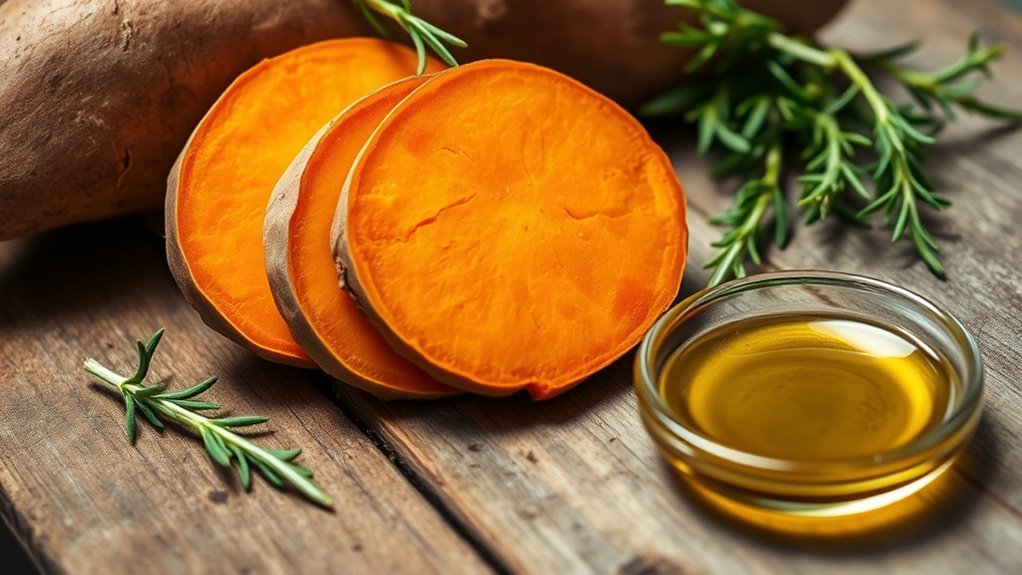

Sweet potatoes aren’t typically considered keto-friendly due to their high carbohydrate content, which can disrupt ketosis. A medium sweet potato contains about 20-24 grams of carbs, making it challenging to maintain your daily carb limits. While they are nutrient-dense and provide health benefits, portion control is essential if you want to include them in your meals. You might explore alternatives and strategies to personalize your keto journey for better results. Discover more options to support your lifestyle.
Understanding the Ketogenic Diet

When you’re exploring the ketogenic diet, it’s vital to understand its fundamental principles. The core of keto guidelines revolves around drastically reducing carbohydrate intake while increasing healthy fats. This shift helps your body enter a state of ketosis, where it burns fat for energy instead of carbs. While this can provide freedom in meal choices, it’s important to recognize the dietary restrictions that come with it. You’ll need to limit foods high in sugar and starch, focusing instead on non-starchy vegetables, healthy fats, and quality proteins. Balancing your nutrient intake is key to maintaining energy and overall health. By understanding these principles, you can navigate the diet effectively and enjoy its benefits without feeling restricted.
Nutritional Profile of Sweet Potatoes
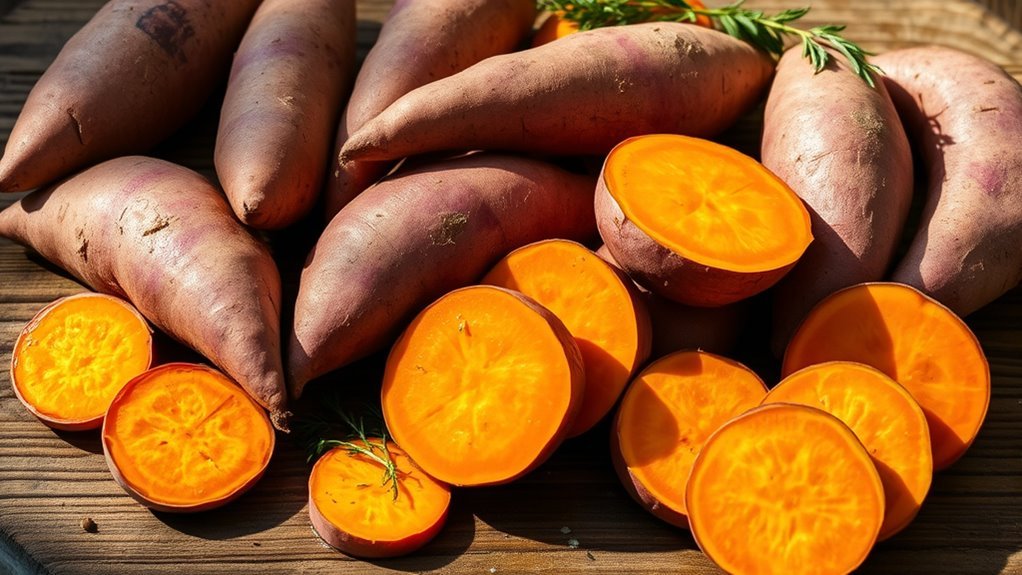
When considering sweet potatoes, it’s important to look at their carbohydrate content, which can impact your keto journey. You’ll also want to pay attention to the vitamins and minerals they offer, as well as their glycemic index, which can influence blood sugar levels. Understanding these factors can help you make informed choices about incorporating sweet potatoes into your diet.
Carbohydrate Content Overview
Although many people enjoy sweet potatoes for their nutritional benefits, those on a keto diet may need to be cautious about their carbohydrate content. Sweet potato varieties, like the orange and purple types, can vary considerably in their carb counts. Typically, a medium sweet potato contains around 24 grams of carbohydrates, making it a high-carb food when compared to other carbohydrate sources. While they’re packed with nutrients and fiber, indulging in sweet potatoes could push you over your daily carb limit on a keto diet. If you’re looking for alternatives, consider lower-carb veggies like zucchini or cauliflower. Balancing your choices is key to enjoying your meals while adhering to your dietary goals.
Vitamins and Minerals Present
Sweet potatoes are not just delicious; they’re also a powerhouse of essential vitamins and minerals. Their impressive nutrient density makes them a great addition to any diet, providing substantial vitamin content that supports overall health.
| Vitamin/Mineral | Amount per 100g |
|---|---|
| Vitamin A | 14187 IU |
| Vitamin C | 2.4 mg |
| Potassium | 337 mg |
| Manganese | 0.15 mg |
Including sweet potatoes in your meals can help you meet your nutritional needs without sacrificing taste. While they have a higher carb content, their vitamins and minerals offer benefits that can complement a balanced diet. Embrace their nutrient-dense qualities and enjoy the freedom of flavorful eating!
Glycemic Index Considerations
While the vitamins and minerals in sweet potatoes contribute considerably to a balanced diet, their glycemic index (GI) is another important factor to take into account, especially for those following a keto diet. Sweet potatoes typically have a medium GI, leading to a moderate glycemic response. If you’re mindful of insulin sensitivity, this can be a significant consideration, as higher GI foods can spike blood sugar levels. Incorporating sweet potatoes in moderation might work for some, but it’s vital to balance them with low-GI options to maintain stable energy levels. Ultimately, understanding how sweet potatoes fit into your overall carb intake can empower you to make informed choices while enjoying the nutritional benefits they provide.
Carbohydrate Content and Ketosis
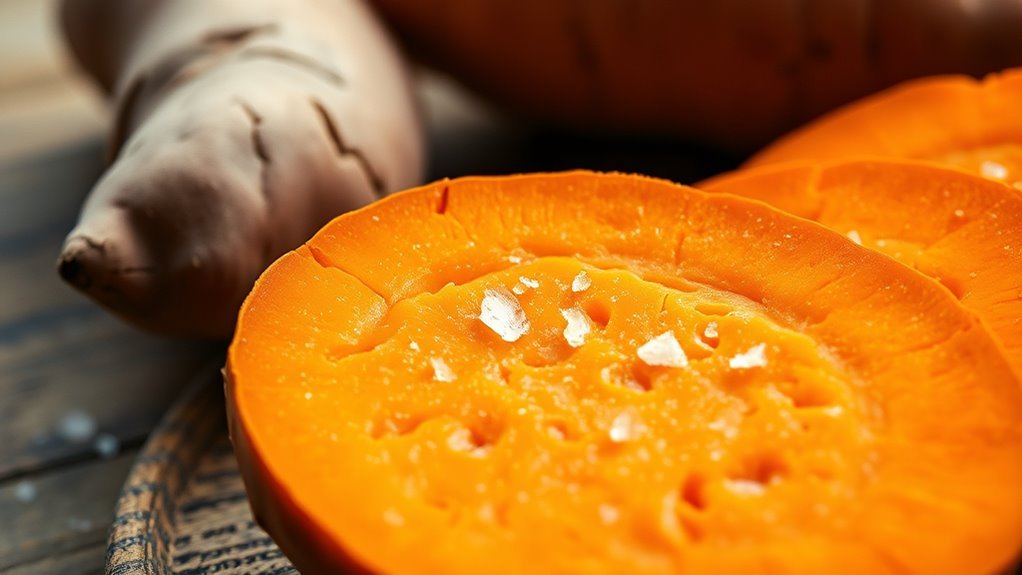
Understanding the carbohydrate content in foods is essential when you’re aiming for ketosis on a keto diet. Sweet potatoes are considered high in carbohydrates compared to other keto-friendly options, containing about 20 grams of carbs per medium potato. Such carbohydrate sources can hinder your ability to maintain ketosis, a metabolic state where your body burns fat for fuel instead of carbs. The ketosis effects can be profound, impacting energy levels and weight loss. If you’re craving sweet potatoes, consider portion control and balance them with low-carb vegetables to minimize their carb load. Ultimately, being mindful of your daily carbohydrate intake will empower you to enjoy your meals while staying aligned with your keto goals.
Health Benefits of Sweet Potatoes
One of the standout features of sweet potatoes is their rich nutrient profile, packed with vitamins and minerals that offer various health benefits. They’re an excellent source of vitamins A and C, which support your immune system and skin health. Their high fiber content promotes digestive health, helping you feel full and satisfied. Sweet potatoes also boast impressive antioxidant properties, thanks to compounds like beta-carotene, which may help combat oxidative stress in the body. Including sweet potatoes in your meals can enhance your overall nutrient intake while allowing you to enjoy a naturally sweet flavor. By embracing these delicious tubers, you’re not just treating your taste buds but also supporting your well-being.
Potential Downsides of Including Sweet Potatoes
Although sweet potatoes are often celebrated for their health benefits, there are potential downsides to reflect upon, especially if you’re following a strict keto diet. Their higher carbohydrate content can lead to weight gain if portion sizes aren’t managed carefully. Consuming sweet potatoes might spike your blood sugar and trigger an insulin response, which can be counterproductive for those aiming to maintain a state of ketosis. Additionally, some people experience digestive issues when consuming them, particularly if eaten in large quantities. It’s vital to evaluate meal timing and how sweet potatoes fit into your overall nutrient absorption strategy. Balancing these factors can help you enjoy sweet potatoes while minimizing potential setbacks on your keto journey.
How Sweet Potatoes Compare to Other Vegetables
When considering sweet potatoes alongside other vegetables, it’s important to look at their carb content and nutritional benefits. While sweet potatoes are higher in carbohydrates than many leafy greens, they offer a wealth of vitamins and minerals that can be beneficial in a balanced diet. Understanding these differences can help you make informed choices about your vegetable intake while following a keto diet.
Carb Content Comparison
While sweet potatoes are often praised for their nutritional benefits, understanding their carbohydrate content in comparison to other vegetables is essential for those on a keto diet. Sweet potatoes contain about 20 grams of carbs per 100 grams, making them a more substantial carb source than many low-carb vegetables like spinach or zucchini, which offer only 1-3 grams of carbs in the same serving. If you’re seeking dietary flexibility, it’s important to balance sweet potatoes with lower-carb options to maintain ketosis. Incorporating a variety of veggies can help you enjoy diverse flavors while keeping your carb intake in check. So, if you love sweet potatoes, consider moderation and pair them wisely with other nutrient-dense, low-carb vegetables for a well-rounded approach.
Nutritional Benefits Overview
Sweet potatoes offer a rich array of nutrients that can enhance your diet, especially when compared to many other vegetables. Their impressive nutritional density means you’re getting more vitamins and minerals per calorie. For instance, they’re packed with vitamin A, which supports eye health, and potassium, essential for heart function. Additionally, sweet potatoes have a higher fiber content than many common vegetables, aiding digestion and promoting a feeling of fullness. This makes them a great choice for those looking to maintain balanced eating habits. While they do contain carbs, their overall nutrient profile makes them a worthy addition to your plate. Embracing sweet potatoes can bring both satisfaction and health benefits, giving you the freedom to enjoy delicious meals.
Incorporating Sweet Potatoes Into a Keto Meal Plan
Although incorporating sweet potatoes into a keto meal plan might seem challenging due to their higher carbohydrate content, they can still play a role in a balanced diet when consumed mindfully. Here are some ways to include sweet potatoes while keto meal prepping:
Incorporating sweet potatoes into a keto meal plan is possible with mindful consumption and smart pairing.
- Portion Control: Limit sweet potato servings to keep carbs in check.
- Pair Wisely: Combine with high-fat ingredients like avocado or olive oil to balance your macros.
- Explore Recipes: Try baked sweet potato fries or mash with butter and spices for delicious sweet potato recipes.
- Meal Prep: Roast a batch for easy additions to meals throughout the week.
Tips for Portion Control
When you’re enjoying sweet potatoes on a keto diet, measuring serving sizes can help you stay on track. Balancing your nutrient intake is key, so consider portioning out your sweet potatoes to complement your protein and healthy fats. This way, you can savor their flavor while keeping your carb count in check.
Measuring Serving Sizes
Portion control is essential for anyone following a keto diet, especially when it comes to starchy vegetables like sweet potatoes. To help you measure serving sizes effectively, consider these tips:
- Use a kitchen scale: Weigh your sweet potatoes to guarantee accurate serving sizes.
- Visual references: Compare a serving (about 1/2 cup) to the size of a light bulb for a quick estimate.
- Pre-portion snacks: Cut sweet potatoes into portions and store them in containers for easy access.
- Track your intake: Use an app or journal to keep tabs on your servings, making adjustments as needed.
Balancing Nutrient Intake
Measuring serving sizes is just one part of maintaining a balanced nutrient intake on a keto diet. To truly enjoy the freedom of this lifestyle, focus on the nutrient density of your foods. Incorporate a variety of low-carb vegetables, healthy fats, and high-quality proteins to achieve dietary balance. When considering sweet potatoes, remember they can be higher in carbs, so portion control is essential. Aim for small servings and pair them with nutrient-dense foods to keep your meals satisfying without overloading on carbs. Additionally, tracking your macronutrient intake can help you stay on course while enjoying the foods you love. Embrace the versatility of keto, and let your meals nourish both your body and your taste buds.
Alternative Low-Carb Options
While sweet potatoes are often considered a healthy option, they may not fit within the strict carb limits of a keto diet. Luckily, there are plenty of low-carb substitutes you can enjoy without sacrificing flavor. Here are some excellent vegetable alternatives:
Sweet potatoes may not suit keto diets, but numerous flavorful low-carb vegetable substitutes are available to enjoy.
- Cauliflower: Versatile and can be riced or mashed for various dishes.
- Zucchini: Great for zoodles or grilling, adding a fresh taste.
- Turnips: A fantastic option for roasting or mashing, with fewer carbs.
- Radishes: Perfect for roasting or adding crunch to salads, with a peppery flavor.
These alternatives not only keep your carb intake low but also provide essential nutrients to support your health while enjoying your keto journey.
Personalizing Your Keto Journey
Finding the right balance in your keto diet can be a unique journey tailored to your individual needs and preferences. Consider your personal preferences and dietary restrictions when planning meals. Everyone’s individual metabolism reacts differently to foods, so it’s important to listen to your body. You might find that certain low-carb options work better for you than others, contributing to your overall energy levels and satisfaction. Meal timing also plays a significant role; some people thrive on intermittent fasting, while others prefer regular meals. By experimenting with these elements, you’ll discover what keeps you feeling your best. Remember, the key is to embrace flexibility and make choices that align with your lifestyle, fostering a sustainable and enjoyable keto experience.
1. Are sweet potatoes keto-friendly?
Sweet potatoes are generally not considered keto-friendly due to their higher carbohydrate content. A typical serving of sweet potatoes contains around 20 grams of carbohydrates, which can exceed the daily carb limit for those following a strict ketogenic diet. However, they can be consumed in moderation by those who are following a more liberal low-carb diet.
2. How many carbs are in sweet potatoes?
A medium-sized sweet potato (approximately 130 grams) contains about 26 grams of carbohydrates. This includes around 4 grams of fiber, which can be subtracted from the total carb count for net carbs. However, even with fiber accounted for, sweet potatoes may still be too high in carbs for strict keto dieters.
3. What are some low-carb alternatives to sweet potatoes?
If you’re looking for low-carb alternatives to sweet potatoes, consider options like cauliflower, zucchini, or turnips. These vegetables can be prepared in a variety of ways and are much lower in carbohydrates, making them ideal for a ketogenic diet. For example, cauliflower can be mashed or riced to mimic the texture of sweet potatoes.
4. Can I include sweet potatoes in a low-carb diet?
Yes, sweet potatoes can be included in a low-carb diet but should be consumed in moderation. If you are following a low-carb plan that allows for a higher daily carb intake, you can enjoy sweet potatoes as an occasional treat. It’s important to monitor your overall carbohydrate intake to ensure you remain within your desired limits.
5. What are the health benefits of sweet potatoes?
Sweet potatoes are rich in vitamins, minerals, and antioxidants. They are an excellent source of vitamin A, which is important for eye health, and they also provide vitamin C, potassium, and dietary fiber. Additionally, sweet potatoes have a lower glycemic index compared to regular potatoes, making them a healthier choice for many. However, if you’re strictly following a keto diet, it’s best to focus on lower-carb vegetables.
References
- https://www.healthline.com/nutrition/are-sweet-potatoes-keto
- https://www.medicalnewstoday.com/articles/322153
- https://www.ketogenic.com/what-are-sweet-potatoes
- https://www.ncbi.nlm.nih.gov/pmc/articles/PMC6466432/
- https://www.dietaryguidelines.gov/
- https://www.verywellfit.com/sweet-potatoes-on-keto-5116913
- https://www.americannursetoday.com/sweet-potatoes-nutrition-health-benefits/
- https://www.bbcgoodfood.com/howto/guide/what-sweet-potato
- https://www.webmd.com/diet/obesity/ss/slideshow-sweet-potatoes-nutrition
- https://www.eatright.org/health/wellness/preventing-illness/sweet-potatoes-nutrition-facts