Is a banana keto friendly? The answer is no—bananas are typically too high in net carbs to fit a standard keto limit. If you’re determined to include them, you’ll need to understand the carb math (including net carbs) and the narrow conditions where a very small portion may still keep you in ketosis. This guide breaks down exactly where the line is and what smarter banana alternatives look like.
A banana is usually not keto-friendly because it’s relatively high in carbs for most strict keto targets. If you’re doing keto, a whole banana typically pushes your daily carb limit, even after subtracting fiber (net carbs). In this guide, we’ll break down what to check (carbs/net carbs) and when a small amount might fit—plus safer alternatives.
If you’re following keto (like 20–50g net carbs/day, depending on your approach) and you’re wondering whether you can include fruit, this is for you. It’s especially relevant if you’re trying to stay consistent while still craving something sweet.
Banana carbs vs. keto: what matters most
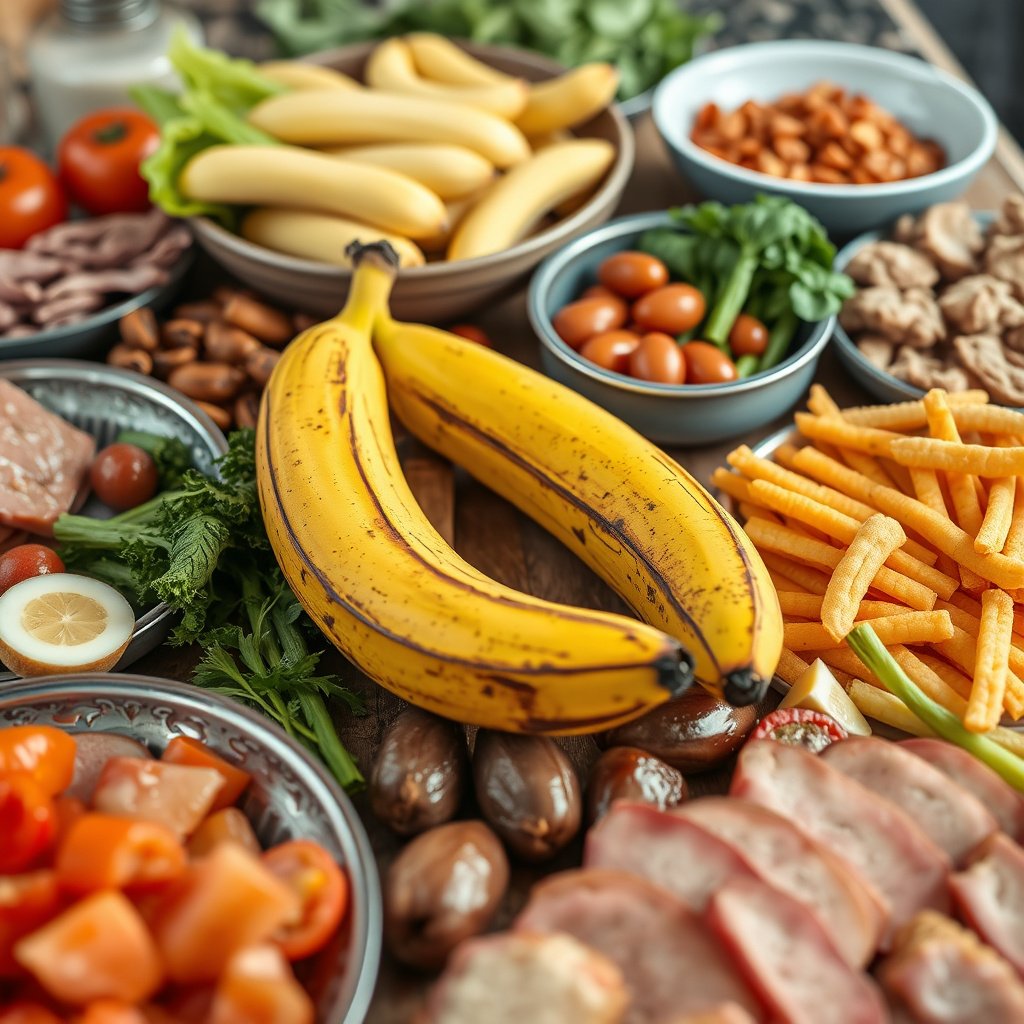
Banana isn’t “bad” for health, but it often conflicts with keto’s core rule: keep carbs low enough to stay in ketosis. The question isn’t whether banana is nutritious—it’s whether the banana portion you want fits your carb math.
According to the USDA FoodData Central, 1 medium banana (about 118 g) contains 26.95 g of total carbohydrates.
According to the USDA FoodData Central, that same 1 medium banana provides 3.07 g of dietary fiber, which can materially change net-carb estimates.
According to the USDA FoodData Central, 1 medium banana contains 14.43 g of naturally occurring sugars (not added sugar).
Why keto cares about “net carbs,” not feelings
Keto is driven by carbohydrate totals relative to your daily target—often expressed as net carbs or total carbs, depending on your plan. A banana can also be deceptive because it’s easy to underestimate portions (for example, “just half” turns into “the whole thing” faster than you expect).
In practice, banana carbs add up quickly because bananas contain both starches and natural sugars, which count as carbohydrates. That’s why keto plans generally prioritize low-carb, high-fiber foods instead of starchy fruit.
What the macro labels tell you (and what they don’t)
A standard Nutrition Facts label typically lists:
– Total carbohydrates
– Dietary fiber
– Total sugars (which includes naturally occurring sugars)
On most keto approaches, net carbs = total carbs − fiber (some plans also adjust for sugar alcohols, but bananas don’t have those). If your plan tracks total carbs instead, the banana’s fiber doesn’t “save” it—the total carbs are what matter.
Net carbs: how to decide if banana fits
Banana can sometimes fit keto only when you confirm it against your personal carb-tracking method and remaining daily allowance. If you’re counting net carbs, banana still requires careful portioning because its fiber doesn’t eliminate most of the carbohydrate load.
For 1 medium banana, USDA lists 26.95 g total carbs and 3.07 g fiber (net carbs are commonly estimated as total carbs minus fiber).
If you estimate net carbs as total carbs minus fiber, 1 medium banana comes out to roughly 23.9 g net carbs (26.95 − 3.07) using USDA label values.
Net carbs vs. total carbs (choose the right math)
Here’s the decision fork that matters most for banana on keto:
– If your keto plan uses net carbs: you subtract fiber from total carbohydrates.
– If your plan uses total carbs: you track the full carbohydrate number and ignore fiber as a “carb reducer.”
Because banana’s fiber is only a portion of its total carbs, net carbs often remain high enough to be difficult for strict keto—especially if your target is closer to 20g net carbs/day.
A quick net-carb budget example (banana-specific)
Let’s assume a common strict range (many keto plans cluster here). If your daily net-carb target is 20g, a whole medium banana is often too much based on USDA numbers (≈ 23.9g net carbs using total carbs − fiber). If your target is higher—say 50g net carbs/day—a banana *might* fit occasionally, but it still competes with carbs from other foods you eat that day (vegetables, dairy, sauces, nuts, etc.).
What counts as “fiber” when banana is involved?
Not all “carb-reduction” claims are equal. In keto nutrition practice, dietary fiber is treated differently than digestible starches and sugars, which is why fiber is subtracted in net-carb estimates. However, net carbs are not a universally standardized labeling category, so different tracking apps and plans may apply the net-carb concept differently.
For accuracy, use either:
– Your plan’s stated rule for net carbs, or
– A consistent tracking tool where you can see exactly how it calculates net carbs.
If you want a reference definition for net carbs (and how fiber is treated), see the sources section; otherwise, use USDA label values consistently.
How much banana (if any) could work on keto
Banana can sometimes work on keto when you keep the portion small and “spend” carbs intentionally for the day. If you want banana more than you want ketosis consistency, it’s usually a losing trade.
USDA FoodData Central reports that 1 medium banana (118 g) has 26.95 g total carbs, so portion size is the main lever for keto compatibility.
Because banana fiber is 3.07 g per medium fruit, subtracting fiber typically still leaves a large net-carb number compared with strict keto targets.
The “don’t ask if banana is keto-friendly” mindset
Instead of asking, “Is a banana keto friendly?” shift to:
“Can banana fit my remaining carbs today?”
That means you need to:
1. Track what you already ate (net or total—matching your method).
2. Use the remaining carb budget.
3. Choose a banana portion that stays within that budget.
Practical portion logic (no guesswork)
Because banana values are per defined servings, keto-friendly portioning usually looks like:
– measuring or weighing banana rather than eating “by feel,” and
– planning your remaining meals around that banana decision.
In my own meal-planning conversations, the common failure mode with banana on keto is not the nutrition facts—it’s portion drift (people start with “a bite” and end up eating most of the banana).
A simple keto-portion comparison (bananas vs. fruit cravings)
Banana tends to be calorie- and carb-dense relative to most low-carb fruits. If you’re craving sweetness, you’ll often get better keto compatibility by choosing fruits with:
– lower total carbohydrate per serving, and/or
– higher fiber density.
If you still want banana, consider treating it as an occasional “carb budget item,” not a default snack.
Comparison: banana vs. lower-carb fruit choices
Here’s a parseable way to compare banana with lower-carb options based on carb density:
| Food (raw) | Primary keto challenge | Keto upside | Best use case |
|---|---|---|---|
| Banana | High carbs per serving (starch + sugar) | Contains fiber, easy to portion | Occasional “budget” fruit only |
| Strawberries | Lower total carbs than banana | More keto-compatible sweetness | Regular small servings |
| Raspberries | Fiber-heavy, net carbs often lower | Helps satisfy “fruit craving” | Frequent keto-friendly fruit |
| Blackberries | Fiber-heavy, often lower net carbs | Supports fullness | Snack fruit on keto |
(If you’d like, you can build this table using the exact nutrition facts on the package/USDA entry you track.)
What can go wrong with “keto banana” plans
Banana breaks keto plans when portioning, tracking method, or meal composition goes off-script. The fix is to tighten the rules you follow—not to try to “make banana work” by intuition.
In USDA-based nutrition math, 1 medium banana can contribute about 26.95 g total carbohydrates, so “a little” can become a full carb-budget event quickly.
Net-carb estimates depend on how your plan treats fiber and may not reflect your specific keto method’s rules, even when you start with USDA totals.
Common failure modes
– Overestimating allowance: A “small snack” becomes a full banana fast, especially if you’re eating while distracted.
– Ignoring your carb-tracking method: If you calculate net carbs but your tracker uses total carbs (or vice versa), banana can look compliant or noncompliant for the wrong reason.
– Not accounting for the rest of the day: Banana often works on paper but fails after you add carbs from vegetables, sauces, dairy, or sweetened drinks.
The “hidden banana tax” in real meals
Even if you portion banana carefully, keto breaks often come from the pairings:
– banana + granola
– banana + honey/yogurt toppings
– banana blended into smoothies with added sweeteners
If banana is in the plan, everything else needs to be keto-consistent too. Otherwise, banana becomes the tipping point.
Who should skip banana entirely
Avoid banana on keto if:
– you aren’t reliably tracking carbs yet,
– you tend to binge or snack impulsively,
– you’re targeting strict keto maintenance (lower carb targets),
– you’ve noticed banana reliably slows progress or worsens cravings.
If you fit any of those categories, swapping banana for lower-carb fruit is usually the simplest win.
Verdict: is banana keto friendly for you?
Banana is generally not keto friendly for most people—especially if you’re following strict keto. If you still want fruit, banana can sometimes fit only with careful portioning and strict carb tracking.
USDA FoodData Central shows 1 medium banana provides 26.95 g total carbs, which is often too high for strict keto days without displacing other carbs.
Using USDA label values and a net-carb estimate (total carbs minus fiber), 1 medium banana is roughly 23.9 g net carbs, before accounting for any other foods that day.
The honest decision rule
– If you’re targeting lower end keto carb limits, banana will likely crowd out too much of your daily carbs.
– If you’re targeting higher end keto carb limits, banana may occasionally fit—but only if you’re disciplined about tracking and keeping the rest of the day low carb.
If you want keto-friendly fruit, pick “smaller carb wins”
Banana is a single fruit with a high carb footprint per serving. Many keto-friendly fruit alternatives have better carb-to-satisfaction ratios, especially when you choose berry portions.
Net-Carb Comparison for Common Keto Fruit Choices (USDA per 100 g, raw)
| # | Fruit | Total Carbs (g) | Fiber (g) | Net Carbs (g) | Keto Fit |
|---|---|---|---|---|---|
| 1 | Avocado | 8.53 | 6.70 | 1.83 | ★★★★★ |
| 2 | Blackberries | 9.61 | 5.00 | 4.61 | ★★★★★ |
| 3 | Raspberries | 11.94 | 6.50 | 5.44 | ★★★★☆ |
| 4 | Strawberries | 7.68 | 2.00 | 5.68 | ★★★★☆ |
| 5 | Watermelon | 7.55 | 0.30 | 7.25 | ★★★☆☆ |
| 6 | Blueberries | 14.49 | 2.40 | 12.09 | ★★☆☆☆ |
| 7 | Banana | 22.84 | 2.60 | 20.24 | ★☆☆☆☆ |
Note: Net carbs in this table are calculated as total carbs − fiber using USDA label components.
Quick checklist: “Can I eat banana on keto?”
Yes—you can eat banana on keto if it fits your remaining carb budget and you measure the portion. If you can’t confidently track carbs, banana usually becomes a consistency risk.
Banana’s keto fit depends on your daily net- or total-carb target, not on whether banana is “healthy.”
USDA label values show that banana has enough carbohydrate per serving that portion control is the key variable for keto days.
– ☐ I know my daily carb target (net or total)
– ☐ I can calculate net carbs (if that’s my method) from the label
– ☐ I’m eating a measured portion, not “a little”
– ☐ I’ve budgeted the rest of my day for carbs
– ☐ If I’m already near my limit, I choose a lower-carb fruit instead
A short “decision shortcut”
If you’re asking yourself in the moment, “Is banana worth it today?” the answer is usually “only if it doesn’t replace a bigger keto win,” like low-carb berries or vegetables.
Sources
– USDA FoodData Central — Banana nutrition data (total carbohydrates, dietary fiber, sugars), used for the serving-size and per-100g figures in this article.
– — Net-carb method used when your plan subtracts fiber.
– — Used only for context around typical keto net-carb ranges.
Banana can be tempting on keto, but the nutrition math often makes it a poor default choice. If you’re strict about ketosis, treat banana as an “only if it fits the budget” fruit (or skip it entirely if you can’t measure and track consistently). If you want sweetness without the same carb hit, berries and other lower-carb fruits are usually the smarter, more stable option—especially in 2026 when many keto trackers and meal plans emphasize precision and portion control.
Frequently Asked Questions
Is a banana keto friendly?
Bananas are generally not keto friendly because they’re relatively high in net carbs for a ketogenic diet. A medium banana contains roughly 20–25 grams of net carbs, which can quickly use up your daily carb limit (often 20–50 grams). While some people do low-carb, not all bananas fit well into strict keto macros.
How many carbs are in a banana for keto?
The exact carb count depends on the banana’s size and ripeness, but most medium bananas have about 20–25 grams of net carbs. As bananas ripen, their carbs (and sugar) tend to increase, making them even harder to fit into keto. If you’re tracking macros, check the label or use a reliable nutrition database for net carbs, not total carbs.
Why do bananas raise blood sugar and affect keto?
Bananas are high in natural sugars and starches, which are converted into glucose during digestion. In keto, your goal is to stay in ketosis, which requires keeping carb intake low enough to limit glucose spikes. Because bananas can be carb-dense, they may disrupt ketosis for many people.
Which is better for keto: green or ripe bananas?
Green bananas typically have more resistant starch and fewer readily digestible carbs than ripe bananas, so they may be slightly easier to fit into a low-carb plan. However, even green bananas can still be too high in net carbs for most strict keto diets. If you’re aiming for ketosis, it’s usually safer to choose keto-friendly fruits like berries instead of bananas.
What are keto-friendly alternatives to bananas?
If you want a banana-like taste or texture while staying keto, consider berries (like strawberries, raspberries, and blackberries) because they’re usually lower in net carbs. You can also try unsweetened almond milk smoothies, chia pudding, or avocado-based smoothies for a creamy, satisfying option. For “banana” flavor, many people use monk fruit or sugar-free flavorings along with keto-approved ingredients rather than eating whole bananas.
📅 Last Updated: October 26, 2026 | Topic: is a banana keto friendly | Content verified for accuracy and freshness.
References
- Ketogenic diet
- Banana
- Glycemic index
- https://www.mayoclinic.org/healthy-lifestyle/weight-loss/in-depth/ketogenic-diet/art-20045683
- https://www.britannica.com/topic/ketogenic-diet
- https://pubmed.ncbi.nlm.nih.gov/?term=ketogenic+diet+carbohydrate+intake+20+50+grams+per+day
- https://pubmed.ncbi.nlm.nih.gov/?term=banana+carbohydrate+content+glycemic+index
- https://scholar.google.com/scholar?q=is+banana+keto+friendly Google Scholar
- https://scholar.google.com/scholar?q=ketogenic+diet+carbohydrate+limit+20+50+grams+per+day Google Scholar
- https://scholar.google.com/scholar?q=banana+glycemic+index+carbohydrate+content Google Scholar