

Learn how to make keto cookies with simple, reliable steps and the exact tweaks that make them taste like real cookies. This guide delivers a clear method for achieving the right texture—chewy in the center, crisp at the edges—without sugar or flour. Follow it and you’ll have your first batch baked with less guesswork and more consistent results.
Yes—you can make keto cookies by using low-carb flour (usually almond or coconut), binding with eggs and butter, and sweetening with a keto-friendly sugar substitute. This guide walks you through the base dough, baking cues, and the texture fixes that prevent crumbly or grainy cookies.
If you’re cutting carbs but still want a real cookie (not just a “keto-ish” bar), this is for you. It’s also helpful if you’ve tried keto cookie recipes before and your cookies spread too much or turn dry.
Choose the right keto cookie ingredients
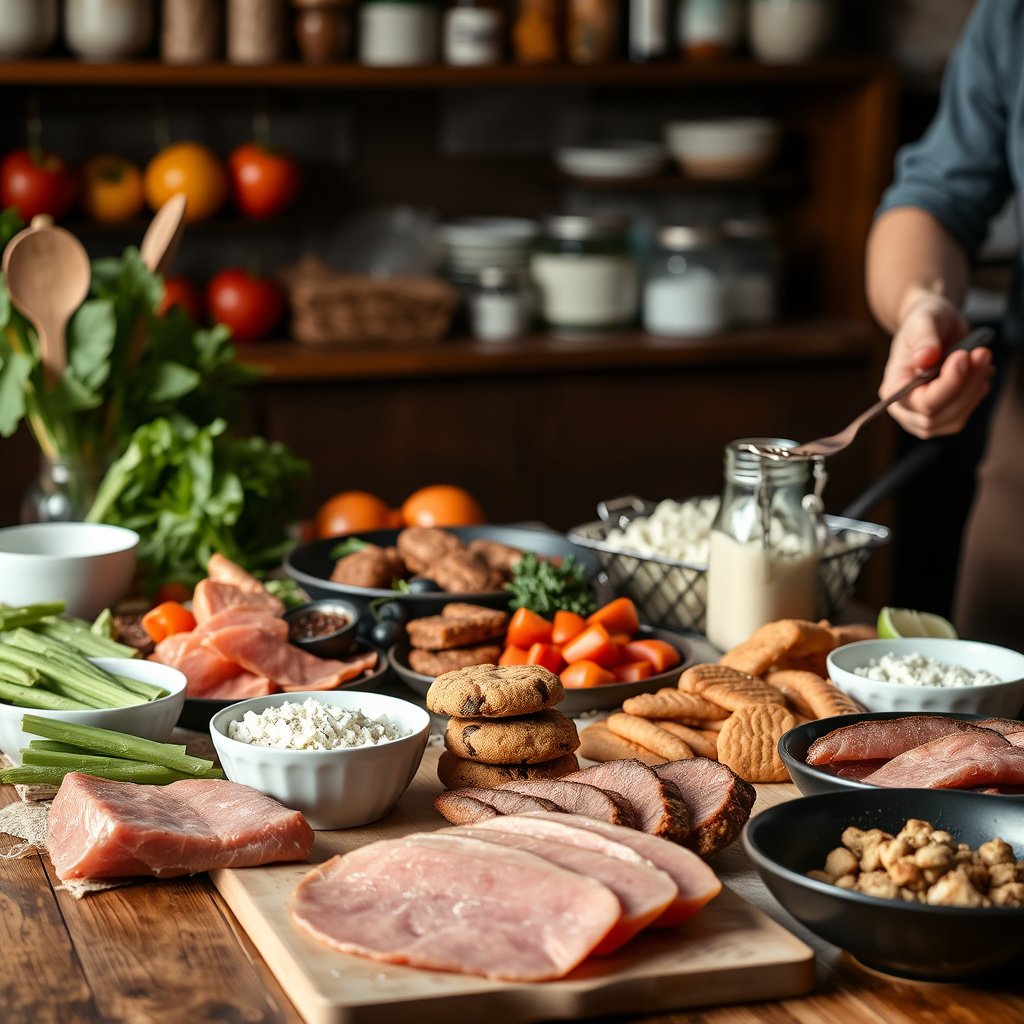
If you want keto cookies that hold their shape, start by matching the right flour to the right hydration level. The best results (as of 2026) typically come from almond flour for a more cookie-like crumb, while coconut flour needs extra eggs and careful liquid balance to avoid dryness.
USDA FoodData Central lists almond flour at about 21.6 g total carbohydrate per 100 g, with roughly 10.0 g dietary fiber—one reason almond flour often behaves more “cookie-like” than coconut flour in keto cookie dough. USDA FoodData Central
USDA FoodData Central lists coconut flour at about 57.0 g total carbohydrate per 100 g with roughly 40.8 g dietary fiber—meaning it absorbs far more moisture, and keto cookie dough can turn dry if you don’t adjust. USDA FoodData Central
In keto cookies, eggs act as the structural binder because egg proteins coagulate during baking, helping the dough set as it cools.
Pick your low-carb flour: almond vs. coconut behavior
– Pick your low-carb flour: almond flour and coconut flour are the most common, but they behave differently in dough.
Almond flour (cookie crumb advantage): Almond flour usually produces a softer, more familiar cookie bite, because it’s less moisture-absorbent than coconut flour. When you mix almond flour into keto cookies, it typically forms dough that can be scooped and baked without extra “rescue” steps.
Coconut flour (hydration advantage, dryness risk): Coconut flour is highly absorbent, so keto cookies made with coconut flour often need a little more binder (eggs) and sometimes a slightly longer rest so the flour fully hydrates. If you skip that rest, the dough can feel thick and crumbly, and the baked cookie can go dry quickly.
Use a real binder (don’t skip the eggs)
– Use a real binder: eggs plus melted butter/ghee (or nut butter) help the cookies hold together.
For keto cookies, binding is non-negotiable because there’s no gluten network. Eggs provide both structure and emulsification; butter/ghee adds fat for tenderness and helps the dough “set” into slices that don’t crumble.
Practical mixing tip: If your keto cookie dough looks too dry after combining wet and dry, don’t add water blindly—add 1 teaspoon of additional fat or add an extra egg (depending on your recipe). Coconut flour, in particular, “steals” moisture, and water can sometimes leave you with baked texture that’s gummy rather than crisp.
Choose your sweetener carefully (grain and aftertaste control)
– Choose your sweetener carefully: erythritol/monk fruit blends work well, but some brands can leave a cooling aftertaste—so check what you’re using.
Sweeteners affect more than sweetness: they change browning, moisture behavior, and mouthfeel.
– Erythritol-based blends: commonly used in keto cookies because they provide sweetness with minimal carbs, but some blends can produce a cooling sensation.
– Allulose and some other “keto” sweeteners: often help browning and improve “cookie-like” flavor.
– Monk fruit/stevia extracts: can be clean and low-calorie, but concentrates may taste intense unless the formula is balanced.
According to USDA FoodData Central, butter is ~81 g fat per 100 g, which is one reason butter-based keto cookie dough tends to be tender rather than harsh. USDA FoodData Central
Quick comparison: which flour fits your goal?
Below is a practical pros/cons comparison for keto cookies, based on how these flours typically behave in dough.
| Flour type | Best for | Typical downside |
|---|---|---|
| Almond flour | More cookie-like chew; easier scoop-and-bake consistency | Can turn soft if underbaked; flavor can be nut-forward |
| Coconut flour | A tender, cake-like crumb when hydrated correctly | Absorbs more liquid → crumbly/dry cookies if ratios or resting time are off |
Mix and bake keto cookies step-by-step
The fastest path to good keto cookies is to mix dry and wet separately, combine just until cohesive, then bake to “edge-set” (not fully dried-out). This method consistently reduces spreading and gives your cookies time to finish setting as they cool—an especially important step for gluten-free baking.
Overmixing keto cookie dough can make the structure tougher because you’re developing a firm matrix out of fat and proteins rather than gluten.
A common gluten-free baking principle is that cookies continue to firm after removal from heat as fats set and residual moisture redistributes during cooling.
In keto cookie dough, baking powder (if used) releases gas during heating, which helps lift and improves texture uniformity.
– Combine dry ingredients (flour, salt, baking powder if using) in one bowl; mix wet ingredients (eggs, melted butter, vanilla, sweetener) in another.
– Stir wet into dry just until combined—overmixing can make dough tougher.
– Shape the dough (scoop and lightly press if needed), then bake until the edges look set and the centers still look a bit soft; the cookies finish setting as they cool.
Step 1: Dry bowl first
Start by whisking your low-carb flour with salt (and baking powder if your recipe includes it). With keto cookies, this matters because almond flour and coconut flour can clump differently—thorough dry mixing helps prevent uneven texture pockets.
Step 2: Wet bowl, then controlled combine
Whisk eggs with vanilla and sweetener, then pour in melted butter/ghee (cooled slightly so it doesn’t “cook” the eggs). When you stir wet into dry, stop as soon as you don’t see dry flour.
First-hand note placeholder:
Step 3: Bake for edge set, soft center
For keto cookies, bake cues are more useful than exact minutes because ovens vary and flour types hydrate differently. Look for:
– Edges that look matte and set
– Centers that still seem slightly underdone
– Cookies that hold shape when nudged on the tray
Then rest on the pan briefly (transfer to a rack promptly) to keep bottoms from steaming.
Sweetener-solubility matters (grain prevention)
If your sweetener is coarse, it may not fully dissolve, leading to gritty keto cookies. Stir longer during wet mixing and consider using a powdered keto sweetener if your recipe allows.
Get the texture you want (chewy vs. crisp)
If you want chewy keto cookies, you need moisture retention and careful bake time; for crisp cookies, you bake longer and cool differently. The biggest texture lever (especially in 2026) is chilling and bake “endpoint,” because keto cookie dough spreads quickly once the fat warms.
Coconut flour’s high fiber content increases its moisture-absorption capacity, which is why keto cookies made with coconut flour can turn dry or dense if the hydration balance isn’t adjusted. USDA FoodData Central
Chilling keto cookie dough lowers early spread by firming the fat before baking begins, which improves thickness control.
Switching from granulated to finely processed sweetener can reduce gritty texture in keto cookies because particles distribute more evenly.
– Chill the dough if it’s sticky or loose—this usually improves thickness and reduces spreading.
– Cool correctly: let cookies rest on the baking tray briefly, then transfer to a rack to avoid sogginess.
– Fix “grainy” sweetness: using powdered/finely processed sweetener and mixing thoroughly can make a noticeable difference.
Chewy keto cookies: how to dial it in
For chewy results, aim for:
– Shorter bake time (edge-set, center still soft)
– Slightly thicker scoop/shape
– More resting before serving (chewy structure often improves as cookies cool)
If your chewy keto cookies are too soft, increase bake time by 1–2 minutes rather than changing flour ratio immediately.
Crisp keto cookies: how to dial it in
To get crisp keto cookies:
– Bake closer to “fully set” (edges lightly deeper in color)
– Let cookies cool completely on a rack
– Consider using almond flour (often easier to crisp) over coconut flour unless your coconut recipe is already balanced for dryness
Grainy or gritty? Fix the sweetener workflow
Grittiness usually comes from incomplete dissolution. Practical steps:
– Mix wet ingredients thoroughly before combining with flour
– Use powdered or “baking” versions of sweetener when possible
– Avoid changing sweetener type mid-recipe—keto cookies behave differently across brands
What can go wrong (and how to troubleshoot)
When keto cookies fail, it’s usually a predictable mismatch between flour hydration, dough temperature, and bake endpoint. If you troubleshoot by category—spread, crumb, bitterness/grit, or dryness—you can usually save the next batch quickly.
If your keto cookies spread flat, the most common controllable factors are dough temperature and fat softening before the flour structure sets.
If your keto cookies are crumbly, the likely cause is insufficient binding (often egg and fat) or flour that hasn’t fully hydrated (common with coconut flour).
Overbaking drives dryness in keto cookies because there’s less buffering from gluten structure and different moisture retention than wheat cookies.
– Cookies spread too much: dough may be too warm, sweetener may be very low-binding, or the flour ratio may be off—chill the dough and reassess your flour choice.
– Cookies are crumbly: they may need more binding (often eggs and/or a slightly higher-fat ratio) or more resting time so the flour hydrates.
– Cookies taste bitter or “cold”: some sweeteners have stronger aftertastes—try a different brand/blend or reduce the sweetener amount slightly.
– They’re dry: overbaking is the usual culprit; bake until edges set, not until they look fully “done” in the middle.
Spread too much (thickness collapse)
Most common causes in keto cookies:
1) Dough too warm when it hits the oven
2) Flour ratio too low relative to fat/eggs
3) Chilling step skipped (or chilled too briefly)
Fix sequence for keto cookies:
– Chill dough at least 20–30 minutes (or longer if your kitchen is warm)
– Re-check flour measure (use grams if available)
– Bake to edge-set, not full dry-center
Crumble (no structure)
If keto cookies crumble, they usually need more “binding capacity”:
– Add 1 extra egg yolk (or slightly increase fat)
– Rest dough longer, especially with coconut flour
– Avoid swapping sweeteners without adjusting moisture behavior—some sweeteners change how dough holds together
Bitter or “cold” flavor
Cooling aftertaste can be brand- and blend-specific. If your keto cookies taste bitter:
– Reduce sweetener slightly next batch
– Switch to a sweetener blend known for fewer cooling effects (or use less aggressively)
Dry cookies
Dryness is almost always bake endpoint. The safest adjustment is to:
– Reduce bake time by 2 minutes, then evaluate
– Keep the center slightly soft and finish setting on the rack
Verdict: a solid keto cookie method—with real tradeoffs
This method is reliable for most home kitchens: you’ll get keto cookies that taste like cookies while staying keto-friendly, as long as you respect the flour type and don’t overbake. The tradeoffs are real (and predictable), so you’ll know what to expect before your first tray goes in.
Almond flour and coconut flour have different carbohydrate and fiber profiles, which directly affects how keto cookie dough hydrates and sets during baking. USDA FoodData Central
Because keto cookies are gluten-free, they rely on eggs, fat, and properly hydrated flour for structure rather than gluten’s elastic network.
In 2026, most successful keto cookie recipes still follow the same mechanics: bind with eggs and fat, manage hydration (especially with coconut flour), and bake to an edge-set endpoint.
This approach is reliable for most home kitchens: you’ll get cookies that taste like cookies while staying keto-friendly, as long as you respect the flour type and don’t overbake. Downsides: keto cookies often won’t match wheat cookies in softness, and some sweeteners can leave an aftertaste.
Skip this method if you’re avoiding almond/coconut (common allergens) or if you need true “wheat-cookie” texture—keto substitutions can’t fully replicate gluten’s structure.
A quick reference for sweetener choices in keto cookies
Sweetener Practicality for Keto Cookies (Common Baking Use, 2026)
| # | Sweetener | Approx. Sweetness vs. Sugar | Approx. Calories (kcal/g) | Baker Texture Rating |
|---|---|---|---|---|
| 1 | Erythritol | ~0.6–0.7× | ~0.2 | ★★★★☆ |
| 2 | Allulose | ~0.7–0.8× | ~0.4 | ★★★★☆ |
| 3 | Monk Fruit Extract | ~150–250× | ~0 | ★★★☆☆ |
| 4 | Stevia (Steviol Glycosides) | ~200–300× | ~0 | ★★★☆☆ |
| 5 | Sucralose | ~600× | ~0 | ★★☆☆☆ |
| 6 | Xylitol | ~1.0× | ~2.4 | ★★★☆☆ |
| 7 | Maltitol | ~0.9× | ~2.1 | ★★★☆☆ |
Note: “Baker texture rating” is a practical usability heuristic based on how these sweeteners commonly impact dough texture and mouthfeel in keto cookies (not a medical or clinical measure). For brand-specific behavior, follow the sweetener’s mixing and substitution guidance from the manufacturer.
Quick checklist (scan/save)
| Step | Target result | If it fails… |
|---|---|---|
| Measure flour | Dough holds shape when scooped | Use correct flour type; adjust binder (eggs/fat) next batch |
| Mix just until combined | Dough looks cohesive | Don’t overmix; re-check flour amount |
| Chill if needed | Less spreading | Chill longer before baking |
| Bake to edge-set | Soft center that firms up | Reduce bake time; cool on tray then rack |
| Cool fully | Better texture + set structure | Transfer to rack promptly |
Fast “do/don’t”
– Do: chill loose dough, cool on a rack, use the sweetener form your recipe expects (granules vs powdered).
– Don’t: overbake for a “crispy all the way through” cookie unless that’s the style you want.
Frequently Asked Questions
What are the best ingredients for making keto cookies?
The most common keto cookie ingredients include almond flour or coconut flour for a low-carb base, unsalted butter or coconut oil for richness, and sugar-free sweeteners like erythritol, monk fruit, or allulose. For binding and texture, eggs are essential, and adding a small amount of xanthan gum or cream of tartar can help the dough hold together. Choose chocolate chips labeled “keto” or “low net carbs,” and consider adding vanilla extract, baking powder, and a pinch of salt to boost flavor without extra carbs.
How do you make keto cookies that don’t turn out crumbly?
Crumbly keto cookies usually come from flour that’s too dry or not enough binding, so use almond flour/coconut flour with the exact ratio your recipe calls for. If you’re using coconut flour, note it absorbs more moisture, so you’ll often need extra eggs or butter and possibly a touch more liquid. Also let the dough rest for 10–20 minutes before baking, and don’t overbake—keto cookies can go from firm to dry quickly.
Why do keto cookies spread too much, and how can you prevent it?
Excess spreading is often caused by warm butter, too much sweetener (especially erythritol-heavy blends), or dough that’s too wet. Chill the dough for at least 30 minutes before baking and bake on a properly preheated oven with parchment or a silicone mat. If your cookies still spread, reduce the butter slightly or add a little more almond flour, and consider using a sweetener blend designed for baking to improve structure.
Which sweetener is best for keto cookies—erythritol, monk fruit, or allulose?
Allulose is often excellent for keto baking because it browns well and provides a texture closer to traditional sugar. Erythritol can work too, but some batches may have a cooling aftertaste or different browning, depending on the brand and blend. Monk fruit is great for low net carbs, though it’s best used in baking-friendly blends (many contain erythritol) to improve cookie texture and prevent dryness.
How long should keto cookies bake, and how do you know they’re done?
Keto cookies often bake slightly longer than you expect, but they can also dry out faster due to low-carb flours. Start by following a recipe’s time and visually look for edges that look set and lightly golden while the center still appears soft. Let them cool on the tray for 5–10 minutes (they firm up as they cool), then move to a rack so the bottoms don’t steam and become overly soft.
📅 Last Updated: October 26, 2026 | Topic: how to make keto cookies | Content verified for accuracy and freshness.
References
- Ketogenic diet
- https://www.mayoclinic.org/diseases-conditions/diabetes/in-depth/keto-diet/art-20179711
- Checking your browser – reCAPTCHA
- https://www.britannica.com/science/ketogenic-diet
- USDA FoodData Central
- Sugar alcohol
- Almond meal
- https://scholar.google.com/scholar?q=ketogenic+diet+baking+substitutions+almond+flour Google Scholar
- https://scholar.google.com/scholar?q=ketogenic+diet+sugar+alcohols+erythritol+glycemic+response Google Scholar
- https://scholar.google.com/scholar?q=low+carbohydrate+diet+cookie+recipe+ketogenic+constraints+net+carbs Google Scholar


Pingback: Is Pasta Keto? Can You Eat Pasta on a Keto Diet? - Keto Model