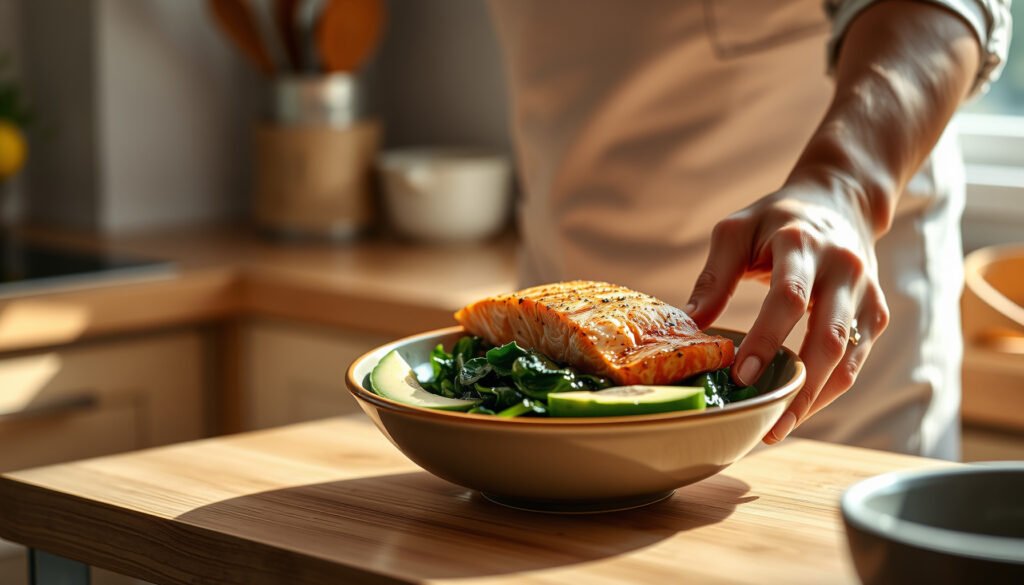

Want to know how to be on a keto diet without guesswork? This guide lays out the simple steps that get you into ketosis fast, from cutting carbs to choosing the right keto foods and planning meals. Follow this plan for the first week and you’ll know exactly what to do next—so keto becomes straightforward, not a mystery.
Most people can start a keto diet by cutting carbs, replacing them with healthy fats, and keeping meals consistent for the first 1–2 weeks. If you do that while controlling your carb limit and eating enough protein, your keto routine becomes much easier to maintain—especially as your appetite and cravings adjust in the beginning.
If you’re trying keto for weight loss, blood sugar support, or appetite control, this guide shows what to do day one—plus what can go wrong. It’s also for anyone who’s confused about “net carbs,” keto foods vs. keto-friendly snacks, and why cravings sometimes spike at the start (as of 2026, these early patterns are still among the most common reasons people stop too soon).
Set Your Carb Limit and Macros
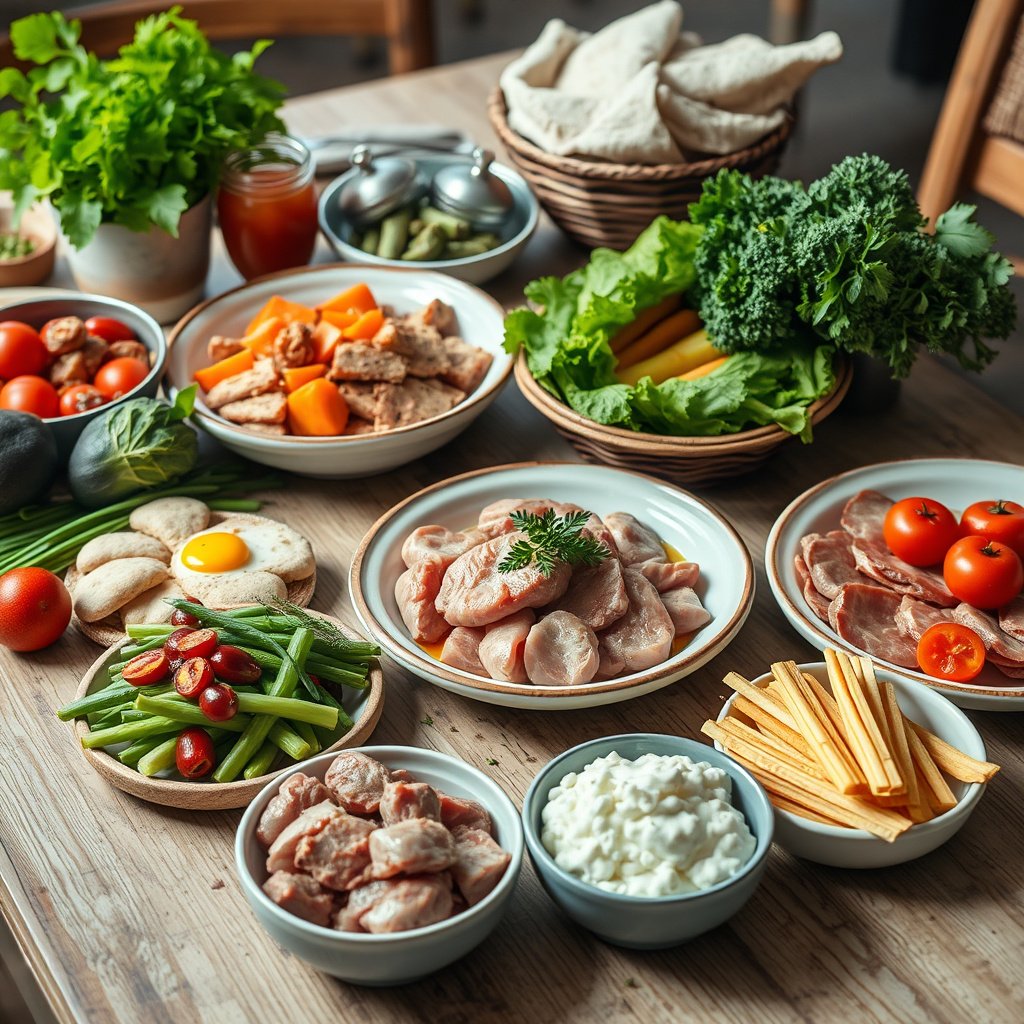
You’ll know you’re set up correctly when you can consistently hit a carb ceiling without “accidentally” going over it, while still getting enough protein to feel satisfied. The keto diet works best as a repeatable macro target, not as a vague “eat fewer carbs” plan.
For most beginners, ketogenic diets are designed to be low-carb enough to drive ketosis, and clinical descriptions often cite about 20–50 grams of carbohydrate per day for the ketogenic diet pattern. U.S. National Library of Medicine (MedlinePlus), “Ketogenic diet” In the same medical overview, the classic diet composition is described as high fat (often ~70–80% of calories), with tighter carb control and a structured fat-to-protein/carbohydrate ratio used in clinical settings. U.S. National Library of Medicine (MedlinePlus), “Ketogenic diet”
A medically described ketogenic diet pattern typically restricts carbohydrate intake to about 20–50 grams per day.
Ketogenic diets are commonly described as high-fat (often around 70–80% of calories) with low carbohydrate.
Ketosis depends on carb control; simply “eating keto foods” without tracking portions can still push you out of your target range.
– Choose a practical carb ceiling (common targets are ~20–50g net carbs/day, depending on your tolerance and goals) and stick to it consistently at first.
– Prioritize protein enough to feel satisfied, then let fats fill in the remaining calories to help you stay in ketosis.
– Don’t “wing it” with carbs—read labels and measure portions early so you can actually learn your personal sweet spot.
What “net carbs” really means for beginners
“Net carbs” is a method to estimate carbs that affect blood sugar and ketosis by subtracting fiber (and sometimes sugar alcohols) from total carbs. That said, net carbs are not a standardized term across all labeling, so consistency matters more than chasing a single universal definition. For anything packaged, rely on the nutrition label and stick to the same calculation method across your keto diet journey.
A practical starting macro setup
If you want a simple, repeatable approach for the keto diet (without overcomplicating math), start with:
– Carbs: pick a ceiling you can hit daily (example: 20–30 g net carbs/day)
– Protein: set a daily target based on your body size and hunger (example to start conservatively: ~1.2–1.6 g/kg of target/lean body weight—confirm your exact target with a clinician if you have kidney disease)
– Fats: fill the remaining calories with fats you tolerate (olive oil, butter, avocado, cheese if it agrees with you)
Stock Your Keto Pantry (So Decisions Get Easier)
You’ll stick with keto longer if your kitchen makes “low-carb choices” the default. That means buying the foods that fit a ketogenic diet pattern and limiting the staples that repeatedly trigger carb creep.
For most beginners, the keto diet becomes straightforward when the pantry and fridge are stocked to support meals you can repeat—because decision fatigue is a real keto barrier. In practical terms, keto adherence improves when the same ingredients show up again and again, and carbs are controlled through portioning and labeling, not willpower.
Carb control on keto is easier when your pantry includes low-carb staples and keto-friendly snack options that reduce “accidental carbs.”
Many packaged products marketed as “keto” can still include hidden carbs in sauces, coatings, or serving-size multiples.
– Build around staples like olive oil/avocado oil, eggs, cheese (if you tolerate it), non-starchy vegetables, nuts, and fatty proteins (chicken thighs, salmon, etc.).
– Skip or limit high-carb basics like bread, rice, pasta, tortillas, sweetened yogurt, and most fruit juices.
– Keep keto-friendly snacks on hand (e.g., olives, hard-boiled eggs, small portions of nuts) to prevent “accidental carb” cravings.
Keto pantry “rules” that reduce slip-ups
To prevent the most common early failure mode—carbs showing up through sauces and convenience foods—use these rules for your keto diet kitchen:
1. One carb-friendly sauce rule: choose 1–2 sauces you trust (check carbs per serving) and treat them as “measured ingredients,” not free-pour items.
2. Treat “keto snacks” as portions, not permission: nuts, cheese, and chocolate-style products can fit keto macros but often add calories quickly.
3. Keep “backup meals” ready: if you’re tired, you’ll eat what’s easiest. Pre-assemble ingredients that make a keto plate in minutes.
Mandatory keto-friendly label checks (fast method)
When you check labels, look for three things in this order:
– Total carbs (and fiber if you calculate net carbs)
– Serving size (this is where carb creep hides)
– Sugar alcohols (if you use net-carb math, confirm how your method handles them)
Plan Keto Meals You Can Repeat
You’ll enter ketosis more smoothly (and stay there) when your keto diet meals are predictable and easy to assemble. Repetition reduces mistakes and lets you learn your personal tolerance for carbs and protein without constant recalculation.
This is where keto becomes less like “dieting” and more like a routine: you pick a short rotation of meals, then shop and cook with those meals in mind. In my own experience building meal templates for busy people, the biggest improvement usually comes from shrinking the number of decisions—not from finding the perfect new recipe. If you want to personalize this step, use the meal framework below and adjust one variable at a time (carb amount, fat type, or protein portion) over 7–14 days.
A repeatable keto plate approach (non-starchy vegetables + protein + fat) helps beginners stay consistent with carbohydrate limits.
Meal repetition reduces labeling and portion errors, which are common causes of missed ketosis targets.
– Use a simple plate approach: non-starchy vegetables + protein + a fat source (olive oil, butter, avocado, or cheese).
– Start with a short “rotation” of 3–5 breakfasts, 3–5 lunches, and 3–5 dinners so you’re not constantly recalculating.
– If you meal prep, focus on cooking proteins and roasting vegetables; add fats after reheating to maintain texture and satisfaction.
A starter rotation you can actually sustain (example)
Here’s an example 7-day set you can repeat—swap ingredients based on your preferences while keeping carbs consistent:
– Breakfast options: veggie + egg scramble; Greek yogurt alternative if unsweetened and low-carb; omelet with cheese (if tolerated); chia pudding made with unsweetened almond milk (portion-controlled)
– Lunch options: chicken salad with olive oil mayo; salmon with roasted greens; turkey lettuce wraps with avocado
– Dinner options: baked salmon + asparagus; chicken thighs + cauliflower mash; steak + sautéed spinach with butter
If you’re worried about boredom, keep the keto diet structure (veg + protein + fat) and rotate only one component each meal (e.g., salmon vs. chicken, asparagus vs. zucchini).
Common “keto meal” traps
Even with good intentions, these mistakes derail keto meal plans:
– adding high-carb sides “because it’s just a little”
– using calorie-dense snacks as meals (nuts and cheese add up fast)
– forgetting carbs in cooking add-ons (glazes, sweet sauces, breadcrumb coatings)
Manage the First Week (Keto Flu, Cravings, and Energy)
You’re prepared for the first week when you treat the adjustment period as expected rather than a sign you failed. Your keto diet is likely working even if you feel off for a few days—especially while carbs are withdrawing and electrolytes shift.
Many people experience short-term “keto flu” symptoms after cutting carbs, including headache, fatigue, irritability, and sleep changes. This is a transitional phase, not a moral failure—your job is to reduce avoidable carbs and support hydration and electrolytes.
Early “keto flu” symptoms can occur after carbohydrate withdrawal during the first week of a ketogenic diet.
Hydration and electrolyte intake are commonly emphasized in low-carbohydrate initiation to reduce early side effects.
– Expect possible “keto flu” symptoms (headache, fatigue, irritability) during carb withdrawal; hydration and electrolytes often help.
– Watch for hidden carbs in sauces, dressings, and “healthy” packaged foods—those are frequent reasons people fall out of ketosis.
– Plan for lower intensity workouts at first if your energy dips, and treat it as an adjustment period rather than failure.
Electrolytes: what to do without overcomplicating
On keto, sodium, potassium, and magnesium often matter more because lower insulin and lower glycogen can change how much water and electrolytes you excrete. A reasonable beginner approach is:
– Salt your food to taste (and consider salted broth if you tolerate it)
– Add potassium-rich foods from keto-friendly sources (avocado, leafy greens)
– Use magnesium thoughtfully if dietary intake is low (consider discussing supplements with a clinician if you have kidney issues)
Exercise during weeks 1–2
If your energy dips, adjust instead of quitting:
– swap hard intervals for brisk walking or easy cycling
– prioritize sleep
– eat your meal timing consistently (a stable schedule often reduces “hangry” keto moments)
What Can Go Wrong (Common Keto Mistakes)
You’ll troubleshoot keto fastest when you identify which failure mode you’re in: carbs too high, calories too low, or “keto foods” misread as “keto quantities.” Most issues in week one come from a small handful of repeatable mistakes.
Even if you start keto correctly, certain patterns can prevent ketosis or stall results. The most common are hidden carbs, overly aggressive restriction, and under-tracking at the beginning.
Many keto stalling problems come from exceeding the carb limit via sauces, dressings, or mislabeled portions rather than from the “main food.”
Low-carb eating can still stall progress if calories are too high from keto snacks that are energy-dense (e.g., nuts, cheese, chocolate-style products).
– Going too low-carb but too low-calorie: you may feel awful, overeat later, or struggle with cravings.
– Eating “keto” snacks that are low-carb but still high in calories (nuts, cheese, chocolate-style products), leading to stalled progress.
– Not tracking anything at the start: without label checks and portions, it’s easy to exceed your carb limit and wonder why ketosis never comes.
Comparison: Keto approach vs. what usually backfires
- Do
- Track carbs for 7–14 days, prioritize protein, and keep keto snacks portioned.
- Don’t
- Assume “net carbs = safe” without calculating the same way each day.
- Watch out for
- Hidden carbs in condiments, broth bases, and packaged “keto” convenience foods.
Keto “rules” that aren’t negotiable (for most beginners)
– Don’t skip carb tracking until you understand your typical day.
– Don’t let keto snack portions become unlimited “because they fit.”
– Don’t try to fix side effects by eating even fewer carbs—fix the basics (hydration, electrolytes, sleep, and protein).
Verdict: A Smart Start, With Clear Downsides
Keto can be a solid strategy if you want a structured way to reduce carbs and simplify meals—but it’s not always easy socially, and it can be hard to sustain if you don’t enjoy high-fat eating. You should be cautious or skip keto unless you’ve cleared it with a clinician if you have diabetes (especially on glucose-lowering meds), kidney disease, a history of eating disorders, are pregnant/breastfeeding, or have other medical conditions where diet changes can affect risk.
The upside of keto for many people is clarity: you reduce decision-making by using a consistent macro target and a repeatable meal template. The downside is that early adjustment can feel unpleasant, and “keto-friendly” doesn’t always mean “low impact” (calories and hidden carbs still matter).
Ketogenic diets require carbohydrate restriction and a structured eating pattern; they can be inappropriate without medical guidance for some conditions.
Keto adherence often depends on meal planning and portion control, not only on choosing low-carb foods.
Quick guidance on who should pause
If you’re on insulin or other glucose-lowering medications, a keto diet can change blood sugar quickly. That’s a reason to coordinate with a clinician rather than trial-and-error alone. Kidney disease or pregnancy also changes the risk profile, so “simple steps” shouldn’t replace professional oversight.
Quick Keto Starter Checklist (Save This)
Use this keto diet checklist to start confidently and avoid the most common early errors. As of 2026, this kind of structured ramp is still the best way to reduce confusion about carbs, labels, and meal consistency.
Common Keto Foods: Estimated Net Carbs & Keto Fit (USDA averages)
| # | Keto staple | Typical serving | Estimated net carbs (g) | Keto fit |
|---|---|---|---|---|
| 1 | Olive oil | 1 tbsp (14g) | 0.0 | ★★★★★ |
| 2 | Egg | 1 large (50g) | 0.4 | ★★★★★ |
| 3 | Salmon (cooked) | 3 oz (85g) | 0.0 | ★★★★★ |
| 4 | Chicken thigh (roasted) | 3 oz (85g) | 0.0 | ★★★★★ |
| 5 | Spinach (raw) | 1 cup chopped (30g) | 1.3 | ★★★★☆ |
| 6 | Avocado | 1/2 medium (~75g) | 2.0 | ★★★☆☆ |
| 7 | Almonds | 1 oz (28g) | 3.9 | ★★☆☆☆ |
*Note: “Estimated net carbs” here is calculated as total carbohydrates minus fiber, using USDA FoodData Central averages; individual brands and portion sizes can vary.*
– Set a carb ceiling you can stick to: 20–30 g net carbs/day
– Pick 3–5 protein options: eggs, chicken thighs, salmon, ground turkey, shrimp
– Choose 2–3 fats you’ll use often: olive oil, butter, avocado
– Stock non-starchy veggies: spinach, asparagus, broccoli, zucchini, cauliflower rice
– Plan electrolyte support: salted water, broth, and potassium-rich keto foods
– Prepare 7 days of repeatable meals: select from the rotation listed above and repeat any 2–3 favorites throughout the week (swap only one variable when you experiment)
Sources
– U.S. National Library of Medicine (MedlinePlus) — “Ketogenic diet”
– U.S. Food and Drug Administration (FDA) — nutrition labeling guidance relevant to how carbohydrate, fiber, and serving size are reported on the Nutrition Facts label (for “net carbs” interpretation):
– U.S. Department of Agriculture (USDA) FoodData Central — nutrient data used to estimate carbohydrate and fiber for common foods:
Keto is easiest to start when it’s treated like a structured 1–2 week ramp: set your carb ceiling, build a pantry that prevents accidental carbs, and repeat meals you can execute without stress. If you stay consistent with your keto diet targets and troubleshoot early mistakes (hidden carbs, snack calories, and electrolyte gaps), you’ll spend less time guessing and more time getting the benefits you’re aiming for—while staying mindful of who should get medical guidance first.
Frequently Asked Questions
What foods can I eat to start a keto diet safely?
On a keto diet, focus on high-fat, low-carb foods like meat, fish, eggs, cheese, avocado, olive oil, nuts, and non-starchy vegetables (spinach, broccoli, zucchini). Choose low-sugar options and read labels for hidden carbs, especially in sauces, seasoning blends, and packaged foods. Include enough protein and healthy fats to stay full, and consider keto-friendly dairy like Greek yogurt in small portions if it fits your carb limit. For best results, build meals around your carb ceiling so you stay in ketosis.
How do I calculate my daily net carbs for keto?
Most people aim for 20–50 grams of net carbs per day on keto, but the exact number depends on your goals, activity level, and how your body responds. Net carbs are typically calculated as total carbohydrates minus fiber (and sometimes sugar alcohols, depending on the product). Use nutrition labels or a reliable food tracker to total carbs daily for at least the first 1–2 weeks, so you can adjust portions to stay consistent. If you aren’t losing weight or aren’t feeling “keto adapted,” lowering carbs slightly or tightening portion sizes can help.
Why do you feel “keto flu” when starting, and how can I prevent it?
Many people feel fatigue, headaches, dizziness, or cramps in the first few days of a keto diet because carbohydrate withdrawal reduces glycogen and water stores. This can also cause electrolyte imbalances, so prioritize hydration and electrolytes—especially sodium, potassium, and magnesium. Aim for water throughout the day, and consider adding broth or electrolyte supplements without added sugar. Gradually reducing carbs over several days may ease the transition, but staying consistent with keto-friendly foods is key.
Which keto macros should I follow for weight loss?
A common starting point for keto macros is about 70–80% calories from fat, 20–25% from protein, and 5–10% from net carbs, then adjust based on results. Protein matters because too little can slow progress and too much can raise carbs through gluconeogenesis for some people, so choose moderate portions. Use your calorie and protein targets from a keto calculator, then fine-tune after 2–3 weeks by tracking weight trends and ketone levels if you monitor them. The best keto plan is the one you can follow consistently while staying under your daily carb limit.
What’s the best way to start a keto meal plan if I’m busy or new to dieting?
Start simple: pick 3–4 breakfast options, 5–6 lunch/dinner staples, and repeat them to reduce decision fatigue. Meal prep keto meals like sheet-pan chicken, tuna salads with olive oil mayo, burger patties with veggies, and zucchini sides so you always have low-carb choices ready. Keep keto snacks on hand—cheese, olives, nuts, hard-boiled eggs—so you don’t reach for higher-carb convenience foods. If you’re new, plan for your first week of keto diet meals around your net carb target and adjust portions as you learn what keeps you full and in ketosis.
📅 Last Updated: October 26, 2026 | Topic: how to be on a keto diet | Content verified for accuracy and freshness.
References
- Ketogenic diet
- https://www.mayoclinic.org/healthy-lifestyle/nutrition-and-healthy-eating/in-depth/keto-diet/art-20098043
- https://www.britannica.com/diet/keto-diet
- https://pubmed.ncbi.nlm.nih.gov/?term=ketogenic+diet+how+to+start
- MedlinePlus – Health Information from the National Library of Medicine
- ketogenic diet carbohydrate protein fat guidelines – Search Results – PMC
- https://scholar.google.com/scholar?q=how+to+start+the+keto+diet+carbohydrates+fat+protein Google Scholar
- https://scholar.google.com/scholar?q=ketogenic+diet+guidelines+electrolytes+side+effects+safety Google Scholar
- https://scholar.google.com/scholar?q=ketogenic+diet+for+type+2+diabetes+and+obesity+randomized+trial Google Scholar