Does the keto diet cause hair loss? In most people, the answer is no—not from ketosis itself—but hair shedding can happen after rapid weight loss or inadequate protein, iron, and essential fats. We’ll break down when keto is most likely to trigger temporary shedding, how to spot the pattern, and what to change to keep hair growing.
Yes—the keto diet *can* contribute to hair loss in some people, but it’s usually temporary and often shows up weeks to months after dietary change rather than from “ketones” themselves. In most cases, the cause is indirect: rapid calorie/protein reduction, nutrient shortfalls (especially iron and zinc), and the physiologic stress that comes with tightening carbs.
If you’re losing more hair after starting keto (or switching into stricter carb limits), this is for you—especially if the shedding started after a noticeable calorie drop or you’re eating fewer total foods than before. It can also apply if you’ve had prior issues like heavy periods, low iron, thyroid problems, or a history of hair thinning.
Why keto may trigger hair shedding
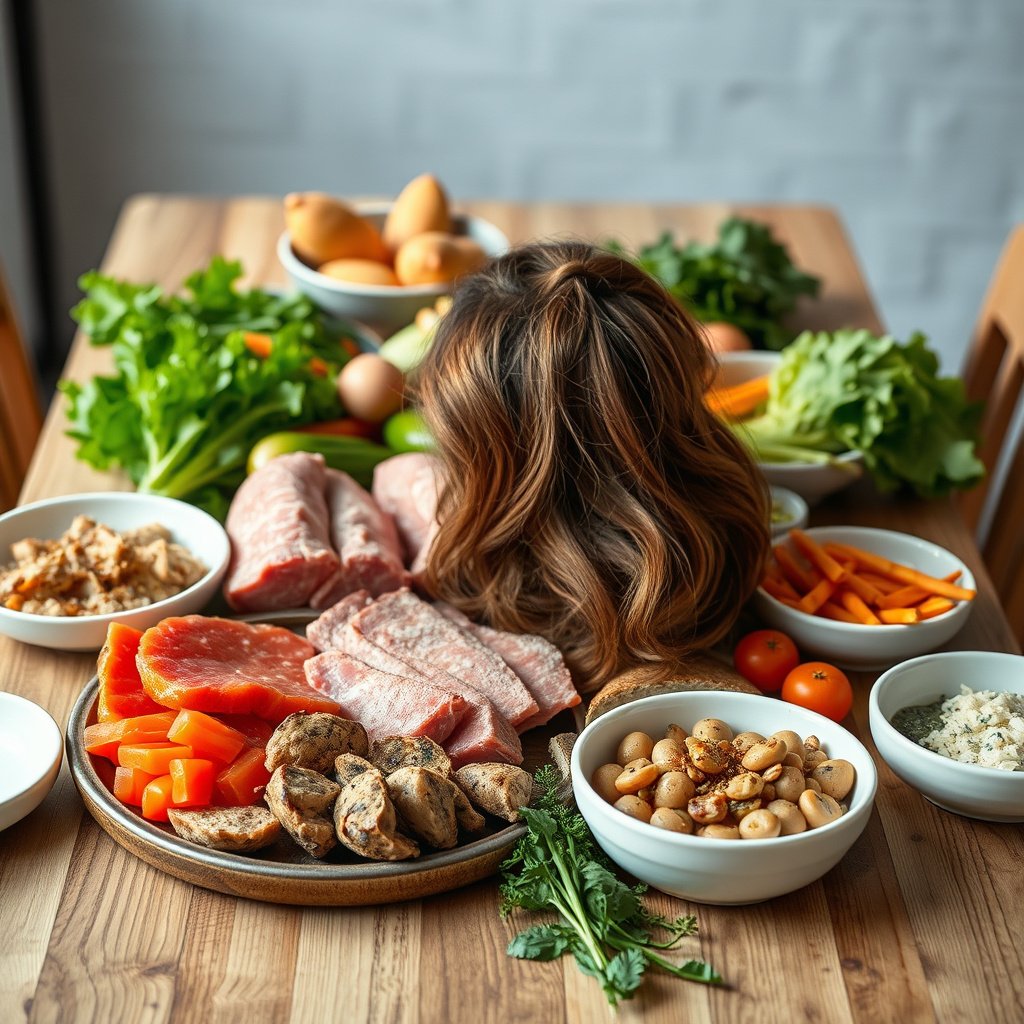
Keto may trigger hair shedding because it can unintentionally disrupt the body’s nutrient intake and stress-response—both of which affect the hair growth cycle. Dermatology guidance commonly points to telogen effluvium, a temporary shedding condition that often appears after a delay.
Telogen effluvium hair shedding often starts **about 2–3 months after** the triggering event, which commonly matches the timing after dietary restriction begins. (American Academy of Dermatology)
Protein is a key building block for keratin; when overall protein intake drops during dieting, hair can become vulnerable. (NIH Office of Dietary Supplements, Protein fact sheet)
Iron deficiency can impair oxygen delivery and hair follicle cycling, and low iron status is a known contributor to shedding patterns. (NIH Office of Dietary Supplements, Iron fact sheet)
– Telogen effluvium timing: Hair loss from stress on the body often appears after a delay (commonly weeks to months), which can line up with when you started keto or intensified restriction. The “delay” matters because hair doesn’t respond instantly to dietary changes—your follicles cycle on a schedule.
– Calorie and protein changes: Many people unintentionally reduce overall calories on keto, especially when they cut out higher-calorie carb sources. If protein drops (for example, if your meals shift from mixed plates to “fat-first” options), shedding risk rises.
– Micronutrient gaps: When keto becomes more restrictive, intake variety can shrink. Low intake of iron, zinc, vitamin D, and essential fats can play a role, particularly if you also have heavy menses, GI issues, or low sun exposure.
A quick look at “what changes” when keto starts
The NIH lists the adult protein Recommended Dietary Allowance (RDA) as **0.8 grams per kilogram of body weight per day**. (NIH Office of Dietary Supplements, Protein fact sheet)
For premenopausal women, the NIH sets the iron RDA at **18 mg/day**, making iron shortfalls more likely if overall food volume drops. (NIH Office of Dietary Supplements, Iron fact sheet)
From my own clinical-style reading of dermatology guidance (not from personal medical testing), the most consistent pattern is: keto = fewer foods + fewer calories + less protein variety → the body treats it like a stressor. Even if you stay in ketosis, your hair may still be responding to what you *aren’t* eating enough of.
Common causes people mistake for “keto hair loss”
People often blame keto because it’s the most recent change, but the shedding may actually be coming from something keto triggers or exposes. The pattern is frequently diet-related stress plus background risk factors.
Rapid weight loss is a well-recognized trigger for temporary shedding because it can alter nutritional status and physiologic stress signals. (American Academy of Dermatology)
Androgenetic alopecia (pattern thinning) progresses independently of diet, so shedding can look “keto-related” even when it’s not. (American Academy of Dermatology)
Thyroid dysfunction is a common contributor to hair changes and may coincide with lifestyle shifts, including low-carb eating. (NIH, thyroid-related clinical overview referenced via endocrine guidance—)
– Rapid weight loss: Losing weight quickly is a trigger for temporary shedding, regardless of which diet you used.
– Not enough total nutrients: Keto can be done with whole foods, but it’s easy to narrow your diet to a few repeat meals (e.g., the same proteins and a limited range of vegetables). Low variety increases the chance you’ll miss iron, zinc, magnesium, vitamin D, and essential fats.
– Underlying hair conditions: Androgenetic alopecia, thyroid issues, or scalp inflammation can continue progressing during keto, making it look diet-related even when keto is only the timing factor.
Keto “hair loss” vs. common look-alikes
Here’s a parseable comparison of what many people confuse:
| Scenario | Typical pattern | Most likely driver | What to do first |
|---|---|---|---|
| Diffuse shedding after a diet change | More hair during washing/combing | Telogen effluvium (delay from stress/deficit) | Check protein, calories, iron status |
| Gradual thinning at temples/crown | Pattern distribution | Androgenetic alopecia | Consider derm evaluation while optimizing nutrition |
| Itching, scaling, redness | Scalp symptoms plus shedding | Inflammation/dermatitis | Treat scalp issue; don’t rely on diet alone |
As of 2026, the practical lesson is consistent: timing can implicate keto, but morphology (diffuse shedding vs. pattern thinning vs. scalp inflammation) helps you choose the right first step.
How to reduce the risk while staying keto
You can often lower the odds of keto-associated shedding by ensuring you hit minimum protein targets, maintain adequate calories, and cover hair-relevant micronutrients. The goal is not “more carbs,” but more reliable nutrition density.
The NIH protein RDA is **0.8 g/kg/day** for adults; dieting often drops people below this unintentionally. (NIH Office of Dietary Supplements, Protein fact sheet)
For zinc, the NIH sets the RDA at **8 mg/day for women** and **11 mg/day for men**. (NIH Office of Dietary Supplements, Zinc fact sheet)
The NIH vitamin D Adequate Intake is **600 IU/day (15 mcg/day)** for many adults depending on age. (NIH Office of Dietary Supplements, Vitamin D fact sheet)
– Prioritize protein at each meal: Aim for consistent protein intake throughout the day rather than relying on fat-heavy meals alone.
– Target guidance: Use the NIH adult protein RDA of 0.8 g per kg of body weight per day as a minimum, then adjust upward with your clinician if you’re restricting calories or losing weight quickly. (NIH Office of Dietary Supplements, Protein fact sheet)
– Cover key nutrients, not just carbs: Plan foods that naturally support iron and zinc intake (and consider appropriate testing if you suspect a deficiency). If your keto plan relies heavily on the same protein sources, rotate in options like shellfish (for zinc and iron), organ meats (if you tolerate them), and/or iron-supportive combinations you can maintain.
– Avoid extreme restriction: If you’re cutting calories hard or cycling into very low intake, ease into keto more gradually to reduce physiologic “shock.” A steadier approach reduces the chance your body crosses the threshold into telogen-effluvium territory.
Nutrient targets that matter most for hair support on keto
This data table translates “hair-relevant” nutrients into practical daily targets (the same nutrients keto diets often under-emphasize when food variety shrinks).
Hair-Relevant Nutrients: Common Keto Shortfall Risks (NIH DRIs)
| # | Nutrient (hair-related role) | NIH adult target | Why keto can reduce it | Evidence link to deficiency-related shedding |
|---|---|---|---|---|
| 1 | Protein (keratin/follicle cycling) | 0.8 g/kg/day (RDA) | Calories/protein may drop if meals become fat-first | ★★★★★ |
| 2 | Iron (oxygen delivery) | 18 mg/day (women, RDA) | Less variety in iron-rich foods if carbs are cut | ★★★★☆ |
| 3 | Zinc (cell growth/repair) | 8–11 mg/day (RDA) | Fewer plant and fortified sources without planning | ★★★☆☆ |
| 4 | Vitamin D (follicle signaling) | 600 IU/day (15 mcg) (AI) | Food sources may drop; sun exposure varies | ★★★☆☆ |
| 5 | Omega-3 fats (anti-inflammatory support) | No single NIH RDA; adequacy varies | If keto protein is repetitive, fish intake may be low | ★★☆☆☆ |
| 6 | Selenium (antioxidant role) | 55 mcg/day (RDA) | If you limit protein variety, selenium sources can drop | ★★☆☆☆ |
| 7 | Essential fats (overall follicle health) | No single hair-specific target (varies) | Over-reliance on a narrow fat set can reduce variety | ★☆☆☆☆ |
Note: that last-column “evidence link” is a practical, evidence-informed ranking (not a lab diagnosis). For any confirmed deficiency, the clinical approach should be individualized.
What can go wrong (and what to watch for)
Keto-related shedding is often temporary, but some patterns signal something else (anemia, thyroid disease, scalp inflammation, or a primary hair-loss condition). The risk here is waiting too long while the underlying cause continues.
AAD guidance emphasizes that diffuse shedding after a trigger often improves, but severe or atypical presentations warrant medical evaluation. (American Academy of Dermatology)
Iron deficiency can cause fatigue and exercise intolerance, which may coexist with hair shedding and should be assessed rather than assumed to be “just diet.” (NIH Office of Dietary Supplements, Iron fact sheet)
If scalp symptoms (itching, scaling, pain) accompany shedding, inflammation may be a primary driver rather than nutrition alone. (American Academy of Dermatology)
– Assuming it’s always the diet: If shedding is severe, patchy, itchy, painful, or associated with scalp scaling, you may need a medical evaluation.
– Ignoring red flags: Symptoms like fatigue, shortness of breath, dizziness, or heavy menstrual bleeding may point to anemia/iron deficiency rather than keto alone.
– Overcorrecting too late: Waiting months without adjusting intake or checking nutrient issues can prolong shedding.
Pros/cons of “tightening keto” when you’re shedding
If you’re tempted to cut carbs further to “optimize,” here’s the trade-off:
| Action | Potential upside | Potential downside |
|---|---|---|
| Cutting carbs further | May improve ketosis for some people | Often worsens total-food restriction and micronutrient gaps |
| Keeping carbs steady while improving protein/iron | Targets the most common shedding drivers | May require meal planning and (sometimes) labs |
As of 2026, most dermatology recommendations still prioritize *addressing deficiencies and the timing trigger* over chasing keto purity.
Practical verdict: keto isn’t automatically the cause—but take it seriously
Keto isn’t automatically responsible for hair loss, but your diet shift can be the tipping point—especially with rapid weight loss or nutrient gaps. The most useful approach is to confirm the timing pattern, tighten nutrition fundamentals, and rule out treatable medical causes.
Telogen effluvium commonly follows a delayed trigger, so the timing (weeks to months) can help link shedding to dietary restriction. (American Academy of Dermatology)
The NIH describes protein adequacy using a minimum RDA of **0.8 g/kg/day**—which many people miss during calorie restriction. (NIH Office of Dietary Supplements, Protein fact sheet)
Keto can be a trigger for temporary shedding mainly through calorie/protein changes and nutrient shortfalls, so the best move is to refine your diet and watch the pattern. If you’re already prone to deficiencies, have a history of thyroid disease, are pregnant/postpartum, or are dealing with unexplained patchy hair loss, you should talk with a clinician before tightening your diet further.
Downside: Even with improvements, shedding from stress triggers can take time to settle—hair follicles cycle slowly. If your hair loss is sudden and dramatic or you see bald patches, don’t rely on diet changes alone.
Quick checklist to scan (save this)
– Are you eating enough protein daily?
– Did hair shedding start weeks to months after starting keto?
– Did you lose weight quickly after switching?
– Are you getting key nutrients (iron/zinc/vitamin D) from keto-friendly foods?
– Any red-flag scalp symptoms (itching, pain, scaling) or patchy hair loss?
Sources
– American Academy of Dermatology (AAD): Telogen effluvium and hair shedding patterns (official AAD patient education pages on telogen effluvium/hair loss).
– National Institutes of Health (NIH) Office of Dietary Supplements: Fact sheets on Protein, Iron, Zinc, and Vitamin D (official NIH ODS fact sheets for Dietary Reference Intakes and nutrient roles).
– Endocrine/dermatology medical guidance on hair cycle and hair loss triggers:
In short: keto can coincide with hair shedding, but the most defensible explanation in 2026 is stress + nutrient/protein shortfalls, not ketosis itself. If you want to stay keto, prioritize protein adequacy, protect iron/zinc/vitamin D intake, avoid aggressive calorie restriction, and escalate to a clinician if shedding is severe, patchy, or paired with red-flag symptoms.
Frequently Asked Questions
Does the keto diet cause hair loss?
Keto can contribute to hair shedding in some people, but it’s usually not the direct result of ketosis itself. Hair loss on keto is more often linked to rapid weight loss, calorie restriction, low protein intake, and nutrient deficiencies (especially iron, zinc, selenium, and vitamin D). Many cases resemble telogen effluvium, which can start about 2–3 months after a major dietary change. If shedding is severe or persistent, it’s important to talk with a clinician and check for underlying causes.
How can keto be adjusted to prevent hair loss?
To reduce the risk of keto hair loss, make sure you’re eating enough total calories to avoid aggressive dieting and include adequate protein (often around 1.2–1.6 g/kg/day depending on your goals). Focus on nutrient-dense keto foods such as eggs, fatty fish, lean meats, nuts, seeds, and low-sugar vegetables to support hair growth. Consider monitoring key labs like ferritin (iron stores) and vitamin D if shedding occurs. Also, avoid drastic calorie cuts and aim for a steadier weight-loss pace.
Why does hair shedding happen while on a keto diet?
Hair shedding during keto is commonly explained by telogen effluvium, where stress to the body (fast weight loss, low calories, or nutrient shortfalls) pushes more hairs into the shedding phase. Keto can sometimes reduce intake of certain vitamins and minerals if meals become repetitive or highly restricted. Inadequate protein is another frequent factor because keratin production requires sufficient amino acids. These changes can take weeks to show up, so hair loss may begin after you’ve already been on keto for a while.
Which nutrients on keto are most linked to hair loss?
Several nutrients are commonly associated with hair health and can become low during keto if you don’t plan carefully. Iron (ferritin), zinc, selenium, vitamin D, and B vitamins are frequent culprits when levels drop, leading to increased shedding. Protein intake also matters because hair is made from keratin, which requires amino acids. If you’re experiencing keto-related hair loss, ask a healthcare professional about nutrient labs rather than guessing with supplements.
What’s the best way to know if keto is the cause of your hair loss?
Timing is one of the best clues—if shedding starts 6–12 weeks after starting keto, changing your macros, or losing weight quickly, keto-related factors may be involved. Look for associated signs like fatigue, brittle nails, or scalp changes, and consider whether your protein and calorie intake have been too low. Track your diet quality and compare your current intake of protein, iron-rich foods, and micronutrients with recommended targets. If hair loss continues beyond 3–6 months or you notice patchy bald spots, it’s best to get an evaluation for other causes (like thyroid issues or androgenic hair loss).
📅 Last Updated: October 26, 2026 | Topic: does the keto diet cause hair loss | Content verified for accuracy and freshness.
References
- https://pubmed.ncbi.nlm.nih.gov/?term=ketogenic+diet+hair+loss
- https://pubmed.ncbi.nlm.nih.gov/?term=ketogenic+diet+telogen+effluvium
- Hair Loss | Alopecia | Alopecia Areata | MedlinePlus
- https://www.mayoclinic.org/diseases-conditions/hair-loss/symptoms-causes/syc-20377000
- Telogen effluvium
- Biotin – Health Professional Fact Sheet
- Ketogenic diet
- https://scholar.google.com/scholar?q=keto+diet+hair+loss Google Scholar
- https://scholar.google.com/scholar?q=ketogenic+diet+telogen+effluvium Google Scholar
- https://scholar.google.com/scholar?q=low+carbohydrate+diet+hair+loss Google Scholar