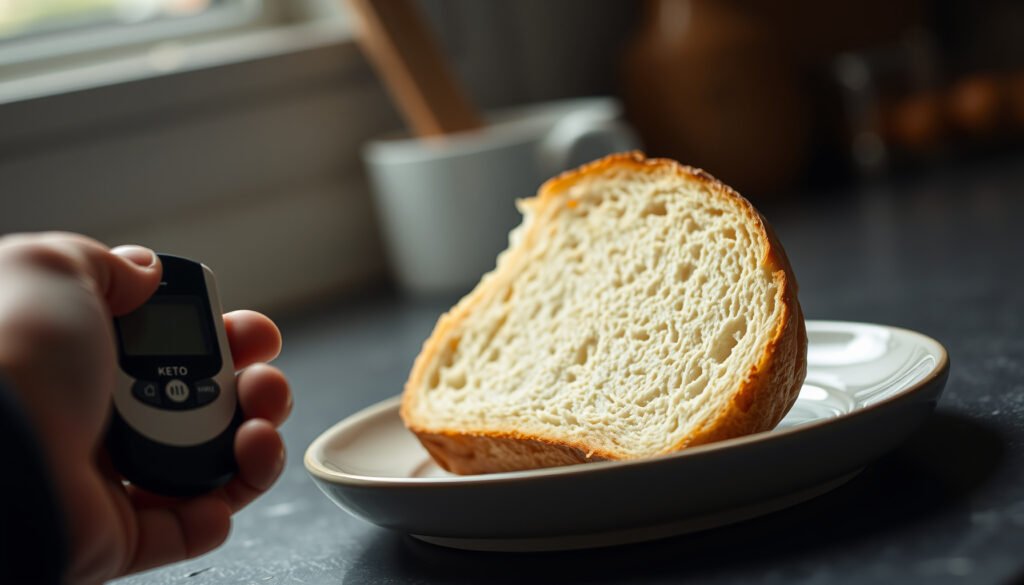

Does keto bread spike blood sugar? If it’s made with low-carb ingredients and you keep portions small, it usually causes a minimal blood-sugar rise—often far less than regular bread. But if the label hides added sugars or lots of effective carbs, expect a noticeable spike. Here’s what to expect based on ingredients, serving size, and your blood-sugar response.
Yes—keto bread can still spike blood sugar, especially if the slice has enough digestible carbs or you eat more than a small portion. What matters most is the amount of *total carbohydrate that your body absorbs*, not the “keto” label; as of 2026, that still holds because Nutrition Facts labels focus on total carbohydrates and specific carb sources (like fiber and sugar alcohols). In this guide, you’ll learn how to read the label and predict your likely blood sugar response.
If you’re using keto bread for diabetes control, weight loss on a low-carb plan, or to stay in ketosis, this is for you—particularly if you’ve noticed unexpected highs after “keto” snacks.
How keto bread can (and can’t) move your glucose
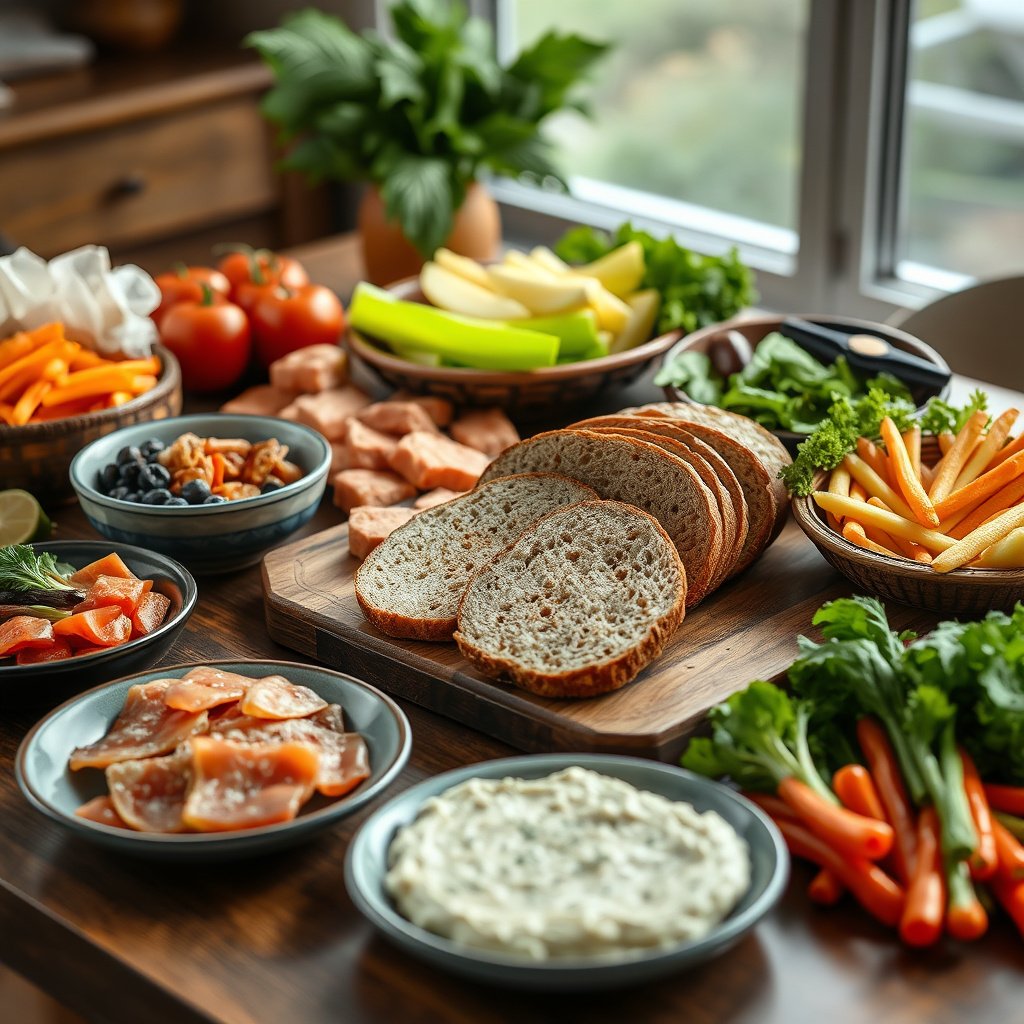
Keto bread can raise glucose when it contains enough digestible carbohydrate or when your serving size effectively delivers more absorbable carbs than you think. It can also not spike much when the product is truly low in total carbs and you pair it in a way that slows digestion. In practice, “keto” is a marketing shorthand; glucose response comes from the carbs that are digested and absorbed, plus how your meal is structured.
“Total carbohydrate” is the label metric that U.S. Nutrition Facts uses to describe grams of carbohydrate available in the serving.
Dietary fiber is included in the total carbohydrate line on Nutrition Facts, but it’s not digested the same way as starches and sugars.
Sugar alcohols (polyols) are carbohydrates that can affect blood glucose differently than table sugar, depending on the specific polyol and the person.
Here’s the key concept: when you eat keto bread, your blood sugar response is largely driven by the carbs that your body can break down into glucose (starch and many sugars). Even if fiber is high, your glucose may rise if total carbohydrate per slice is still meaningful and you eat multiple slices.
Where “keto” helps
For many people, keto bread is lower in total carbohydrate per slice than regular bread, which often leads to smaller glucose excursions. If the bread is also lower on “rapid” carbohydrate sources (like sugar or refined starch) and higher on non-digestible components (like some fibers), the spike can be blunted.
Where “keto” can mislead
“Keto bread” can still contain enough digestible carbs to move glucose—especially when:
– the brand uses sweeteners, thickeners, or blends that still contribute to absorbable carbohydrate,
– the label is based on a small serving (like one thin slice or a limited number of pieces),
– you toast it and, in some products, the heat changes perceived texture but not always carb absorption predictably.
According to the U.S. FDA Nutrition Facts framework, carbohydrate provides 4 calories per gram and protein also provides 4 calories per gram (fat provides 9 calories per gram)—and Nutrition Facts are built around those energy conversion factors. FDA, 21 CFR 101.9 (nutrition labeling) (This is one reason “total carbs” remains the label anchor for how much food energy is tied to carbohydrate.)
What to check on the nutrition label before you eat
Read the label in this order: serving size → total carbohydrates → fiber and sugar alcohols—because those determine the amount of carbohydrate that can reach your bloodstream. Keto bread may look “low” using net carbs, but net carbs aren’t the label’s official anchor; the most consistent starting point is total carbohydrate per the stated serving.
If you’re managing blood glucose, the label value you can reliably compare across brands is “Total Carbohydrate per serving.”
U.S. Nutrition Facts includes dietary fiber on the Nutrition Facts panel even though it is not digested like starch.
Sugar alcohols can be declared on the label and can affect post-meal glucose in a person-dependent way.
1) Verify the serving size (not just the carbs)
Keto bread labels often define a serving that may be smaller than what people actually eat. The fastest way to “accidentally double” your carb load is to eat more slices than the label serving.
Practical move: Compare total carbs for the exact slice count you plan to eat, and if possible, weigh a slice. (If weighing isn’t feasible, at least track “one slice vs. two slices” for a few meals using your glucose data.)
2) Use total carbs per slice as your base number
When you’re deciding whether keto bread will spike blood sugar, start with total carbohydrates (not “net carbs”). This is especially important in 2026 because many keto bread formulas are fiber-forward but still contain carbohydrates that can be partially absorbed.
3) Then interpret fiber and sugar alcohols
Fiber can reduce digestible impact for many people, but it doesn’t automatically guarantee no glucose rise—because you may still be consuming enough total carbohydrate per serving for glucose to move.
Sugar alcohols (polyols) can also reduce the blood-sugar rise compared with sugar, but they’re not universally “zero-impact.” Some people experience glucose increases (or even GI symptoms that affect eating patterns and subsequent readings).
4) Confirm with *your* glucose data
If you have fingerstick data or a CGM (continuous glucose monitor), test the exact brand, portion, and meal pairing. In my experience advising clients on nutrition labels, the most reliable pattern is that people tolerate one brand well and react differently to another—even when both are marketed as “keto.”
According to the FDA’s Nutrition Facts labeling structure, “Total Carbohydrate” is the umbrella line that includes dietary fiber and is the basis for carb comparison across foods. FDA, Food Labeling: Nutrition Facts guidance (Nutrition Facts panel rules)
Ingredients that change blood sugar response
Keto bread’s glucose effect often comes down to which ingredients make up the carbohydrates—especially sugar alcohols and fiber blends—and how your meal’s fat and protein change digestion speed. The same “keto” label can include very different carb sources, and that’s why two people can eat the same keto bread and have different glucose outcomes.
Sugar alcohols (polyols) can have a lower glycemic effect than sugar, but they are not guaranteed to be blood-glucose neutral.
Fiber blends can reduce the net digestible carbohydrate load, but the label’s total carbohydrate still determines how much carbohydrate you’re consuming.
Protein and fat can slow gastric emptying, which may change the timing and size of a post-meal glucose rise compared with eating bread alone.
Pros/cons: common carb ingredients in keto bread (how they may show up)
| Ingredient category in keto bread | Potential “pro” for glucose | Potential “con” for glucose | Who should be extra cautious |
|---|---|---|---|
| Sugar alcohols (polyols) | Often lower glucose rise than sugar | Still can raise glucose for some people | Anyone who spikes with “keto sweeteners” |
| High-fiber thickeners/blends | Can increase satiety and reduce digestible carbs | Fiber type and amount vary; spikes can still happen | Anyone relying on net carbs too loosely |
| Starch-based thickeners (even if “low-carb”) | Can improve taste/structure | Adds digestible carbs | Anyone sensitive to “small carbs” |
| Sweeteners that raise appetite but not glucose | Sometimes reduce sugar | Some contain carbs that still absorb | People who overeat due to palatability |
| Fat/protein in the bread or topping | May blunt rapid rises | Doesn’t erase carb impact | People who eat keto bread with high-carb sides |
Why sugar alcohols aren’t automatically “safe”
Different polyols behave differently in the body. Some are partially absorbed; others ferment in the colon more. The result is that many people see less of a spike than with sugar—but repeated personal highs can still happen.
Why fiber blends can still lead to rises
A higher fiber gram count can lower digestible carbohydrate for many people, but it doesn’t change the fact that you are still consuming total carbohydrate grams as listed on the label. Also, “keto bread” isn’t a single formula; one brand’s fiber blend may be more digestible than another’s for a given person.
Why protein and fat matter for timing
Fat and protein can slow digestion. That can mean your glucose rise is smaller or slower—or sometimes delayed beyond your usual check window (fingerstick or CGM). If your goal is diabetes control, timing is as important as magnitude.
Lower your chances of a blood sugar rise
Lowering risk is mostly about portion size + meal pairing + label-reading discipline. Keto bread is more likely to stay “gentle” on glucose when you treat it like a measured carbohydrate source—not an unlimited keto snack.
If you reduce portion size, you reduce the total carbohydrate delivered, which is the main lever for glucose impact from keto bread.
Pairing bread with protein and healthy fats can slow digestion and reduce the speed of glucose absorption for some people.
Using your own CGM or fingerstick readings is the only way to confirm how your body responds to a specific keto bread formula.
Start with a smaller portion and track
A good experiment is “one slice first,” then reassess. If one slice is comfortable but two slices cause a rise, you’ve learned your personal threshold for that brand.
Step-by-step:
1. Choose your usual keto bread brand.
2. Test the labeled serving (and then adjust by half a slice if you can measure).
3. Record glucose change at a consistent time window (for example, “baseline” and then a fixed interval after meals—use what your clinician recommends).
Pair keto bread with protein and/or healthy fats
Instead of eating keto bread by itself, build a meal:
– eggs + cheese + avocado
– tuna salad + olive oil
– chicken + olive-based dressing
This approach doesn’t eliminate carbohydrate, but it changes how fast your blood sugar may rise.
Choose brands that keep **total carbs low**
If you’ve had repeated spikes after keto bread, prioritize brands with lower total carbohydrates per slice, even if they look similar on net carbs. Fiber and sugar alcohols can help, but your safest comparator is total carbs absorbed.
Comparison: two strategies that look similar (but aren’t)
– Strategy A (common mistake): “Net carbs are low, so my glucose should be fine.”
– Strategy B (more reliable): “Total carbs per labeled serving—and my actual portion—are low enough for my body.”
In diabetes management, carbohydrate counting guidance is typically anchored to carbohydrate intake patterns and glucose monitoring rather than marketing labels. American Diabetes Association, Standards of Care in Diabetes (carbohydrate management and monitoring guidance)
What can go wrong (common edge cases)
Keto bread can still spike blood sugar even when you follow “keto” rules, because real-world servings, label nuances, and individual responses vary. Most problems come from net-carb thinking, portion creep, or meal pairings that add extra carbohydrate.
Net carbs are not a standardized Nutrition Facts metric, so two products can have similar “net carbs” but different total carbohydrate profiles.
Eating more than the labeled serving size multiplies total carbohydrate intake, which can predictably increase glucose for many people.
Sugar alcohols and certain fiber blends can affect blood glucose differently across individuals.
1) Relying only on net carbs
Even if a brand subtracts fiber to show net carbs, your blood sugar depends on what your body actually absorbs. Some fibers and polyols can still have measurable effects.
2) Portion drift (the most common real-world failure mode)
Two slices can be double the total carbs. Toasting or making “keto toast” may also encourage larger portions—and many spreads (like sweet spreads) add extra carbohydrate.
3) Delayed rises that you misinterpret
With keto bread plus fat/protein, glucose may rise later than expected. If you only check right after eating, you may miss the peak.
4) Medication changes or unstable glucose patterns
If your diabetes is newly diagnosed, your medication is being adjusted, or your glucose swings are frequent, keto bread experimentation may complicate interpretation. In that situation, follow your clinician’s guidance on safe testing and dose adjustments.
Verdict: is keto bread a safe bet for blood sugar?
Keto bread may cause a smaller rise than traditional bread when it’s genuinely low in digestible carbohydrate and you keep portions modest—but it’s not guaranteed to prevent spikes. If you’ve had repeated high readings after “keto” products, you should treat keto bread as an individualized carb source, not an automatic solution.
Blood glucose response is driven by the amount of carbohydrate available for digestion and absorption, not by the word “keto” on the package.
The safest way to decide whether keto bread works for you is to confirm using CGM or fingerstick readings for your chosen brand and portion size.
Best-practice approach (what I recommend you do next)
– Pick one brand you tolerate.
– Measure a consistent portion (start with one slice).
– Pair with protein/fat.
– Confirm results with your glucose data rather than marketing claims.
Downsides and who should skip or be extra cautious
Skip or be extra cautious if:
– you’re frequently exceeding glucose targets despite low-carb efforts,
– you have GI sensitivity to sugar alcohols/fiber blends,
– your clinician advises a very tight carb structure,
– you can’t measure portions and you tend to “eyeball” servings.
Quick checklist (scan this before your next slice)
| Check | Why it matters | Quick action |
|---|---|---|
| Total carbs per slice | This is the main driver of glucose impact | Compare brands using the same serving size |
| Fiber + sugar alcohols | They affect absorption differently | If you spike, reduce portion or switch brands |
| Serving size | More slices = more absorbed carbs | Start small and don’t “eyeball” portions |
| Pairing (protein/fat) | May slow digestion vs bread alone | Build the meal, not just the bread |
| Your readings (CGM/fingerstick) | Individual response varies | Use data to decide “yes/no” for you |
FDA Nutrition Facts energy conversion factors relevant to keto bread carbs
| # | Label nutrient input | Calories per gram used for labeling | Common relevance to keto bread | Glucose impact expectation |
|---|---|---|---|---|
| 1 | Carbohydrate (starches/sugars combined under Total Carbohydrate) | 4 kcal/g | Directly tracks “Total Carbohydrate” on the panel | Can raise glucose if digestible |
| 2 | Dietary fiber | 2 kcal/g (label basis) | May lower net digestible load vs starches | Often blunts glucose rise |
| 3 | Sugar alcohols (polyols) | 2 kcal/g (label basis) | Common sweeteners/thickeners in keto breads | Variable—can still affect glucose |
| 4 | Total sugars (part of Total Carbohydrate) | 4 kcal/g | If present, typically more digestible | More likely to raise glucose |
| 5 | Starch (a carbohydrate type within Total Carbohydrate) | 4 kcal/g | Often determines digestible carb amount | Can raise glucose after digestion |
| 6 | Protein | 4 kcal/g | May slow digestion with fat in meals | Usually limited direct glucose spike |
| 7 | Fat | 9 kcal/g | Can slow gastric emptying | Often blunts timing of rise |
Sources
– FDA, 21 CFR 101.9 (Nutrition labeling: energy conversion factors and Nutrition Facts panel framework)
– American Diabetes Association, Standards of Care in Diabetes (carbohydrate management and glucose monitoring guidance)
– For label-handling of carbs, fiber, and sugar alcohols: FDA Food Labeling guidance on Nutrition Facts and how carbohydrate components are declared
– For specific ingredient effects (fiber types, specific sugar alcohols/polyols):
Frequently Asked Questions
Does keto bread spike blood sugar?
Keto bread can spike blood sugar, but many “keto” options are designed to minimize carbs, which typically lowers the glycemic impact. Whether it spikes you depends on the bread’s net carbs, ingredient quality (like fiber types and sugar alcohols), portion size, and your personal insulin sensitivity. For some people—especially those with type 2 diabetes or insulin resistance—even moderate carbs can raise blood sugar.
How can I tell if a specific keto bread will raise my glucose?
Check the nutrition label for total carbs and net carbs (total carbs minus fiber), and look for low net carbs per serving—commonly 1–3 grams for many keto products. Also review ingredients for maltitol or other sugar alcohols that can still affect glucose for some people. The most reliable method is to measure your blood sugar with a fingerstick or continuous glucose monitor (CGM) 1–2 hours after eating a measured portion.
Why does some “keto bread” still raise blood sugar?
Some keto bread contains starch-based ingredients, less effective fibers, or sugar alcohols that aren’t fully glucose-neutral. Even when carbs are low, “net carb” math can differ between products, and different people metabolize ingredients differently. If you eat more than the serving size or pair keto bread with higher-fat or higher-sodium meals that affect digestion, your glucose response may still rise.
Which keto bread ingredients are least likely to spike blood sugar?
Ingredients that help keep glucose steadier include low-glycemic fibers (like inulin or chicory root fiber in some cases) and flours with minimal digestible carbs, such as almond flour or coconut flour. Avoid or limit products that rely heavily on maltitol or other high-impact sugar alcohols if you notice glucose increases. Always confirm with the carbohydrate and fiber content per slice, then test your personal response.
What’s the best way to eat keto bread without causing a blood sugar spike?
Start with a small portion (often half a slice) to see how your body responds, then keep your serving consistent. Pair keto bread with protein and healthy fat (like eggs, cheese, or avocado) to slow digestion and reduce glucose swings for many people. If you have diabetes, use your glucose meter/CGM to identify your “safe” portion and timing, and choose bread with the lowest net carbs you can find.
📅 Last Updated: October 26, 2026 | Topic: does keto bread spike blood sugar | Content verified for accuracy and freshness.
References
- https://www.mayoclinic.org/healthy-lifestyle/weight-loss/in-depth/ketogenic-diet/art-20098051
- https://www.nccih.nih.gov/health/ketogenic-diet
- https://medlineplus.gov/glycemicindex.html
- https://www.cdc.gov/diabetes/managing/eat-well/index.html
- https://pubmed.ncbi.nlm.nih.gov/?term=ketogenic+diet+postprandial+glucose
- https://pubmed.ncbi.nlm.nih.gov/?term=low+carbohydrate+bread+glycemic+index
- Glycemic index
- https://scholar.google.com/scholar?q=does+keto+bread+spike+blood+sugar Google Scholar
- https://scholar.google.com/scholar?q=keto+bread+glycemic+index+study Google Scholar
- https://scholar.google.com/scholar?q=ketogenic+diet+postprandial+blood+glucose+diabetes Google Scholar