

Eating lentils on a keto diet is generally not recommended due to their higher carbohydrate content. While lentils are an excellent source of nutrition and provide numerous health benefits, their carb levels can obstruct your ability to maintain ketosis, a metabolic state central to the ketogenic diet. This article delves into the reasons why lentils may not align with a strict keto plan, presents alternative options, and offers tips for including lentils in moderation if you choose to do so.
Understanding Keto and Carb Limits
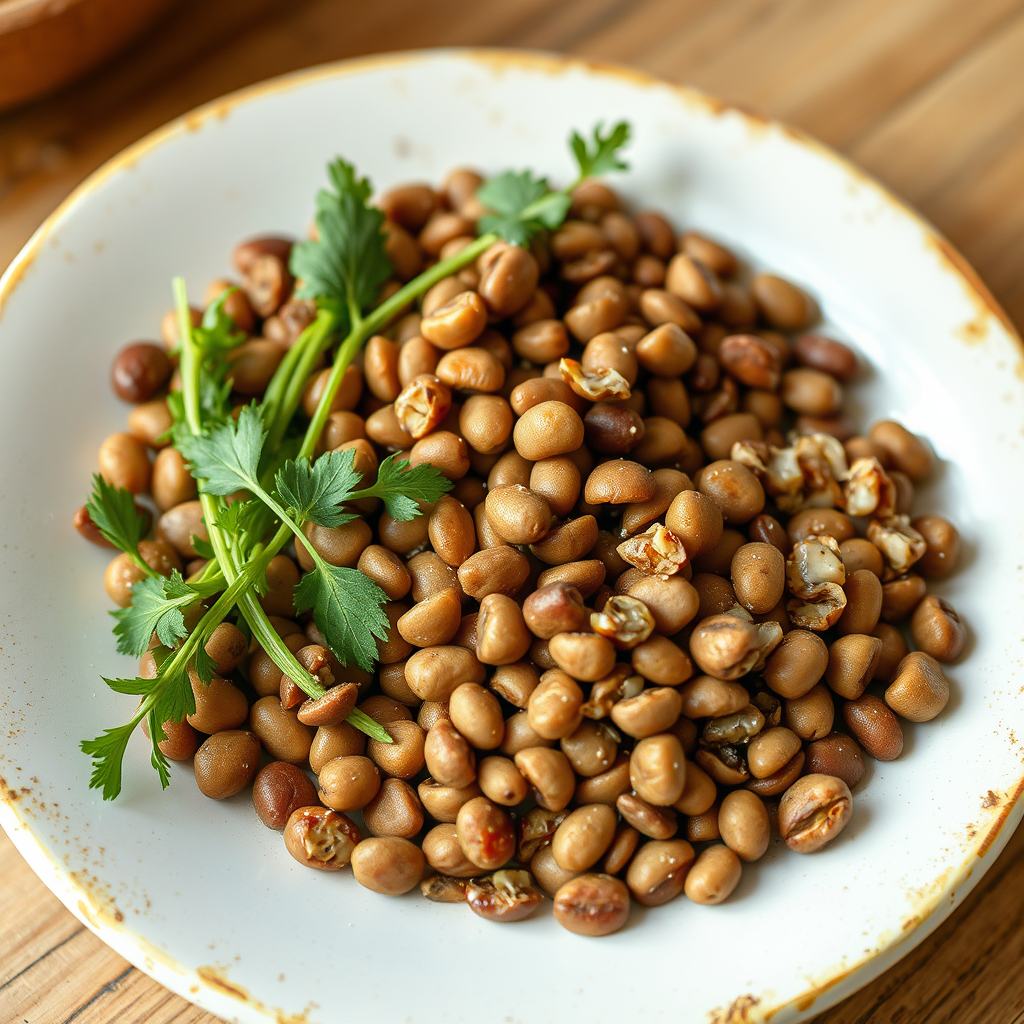
The ketogenic diet is characterized by its low carbohydrate intake, typically restricting carbs to about 20-50 grams per day. This significant reduction in carbohydrates is designed to shift the body from relying on glucose for energy to utilizing fats, a process known as ketosis. Lentils, however, contain approximately 20 grams of carbohydrates per cooked cup. This means that consuming just one serving could potentially exceed your daily carbohydrate limit, especially if you are trying to adhere strictly to a keto regimen.
Moreover, the types of carbohydrates found in lentils are not just simple sugars; they are complex carbohydrates that can affect blood sugar levels. For individuals aiming for a stable and consistent state of ketosis, even a small amount of lentils can pose a challenge. Understanding these carbohydrate limits is crucial for anyone considering integrating lentils into their keto lifestyle.
Nutritional Profile of Lentils
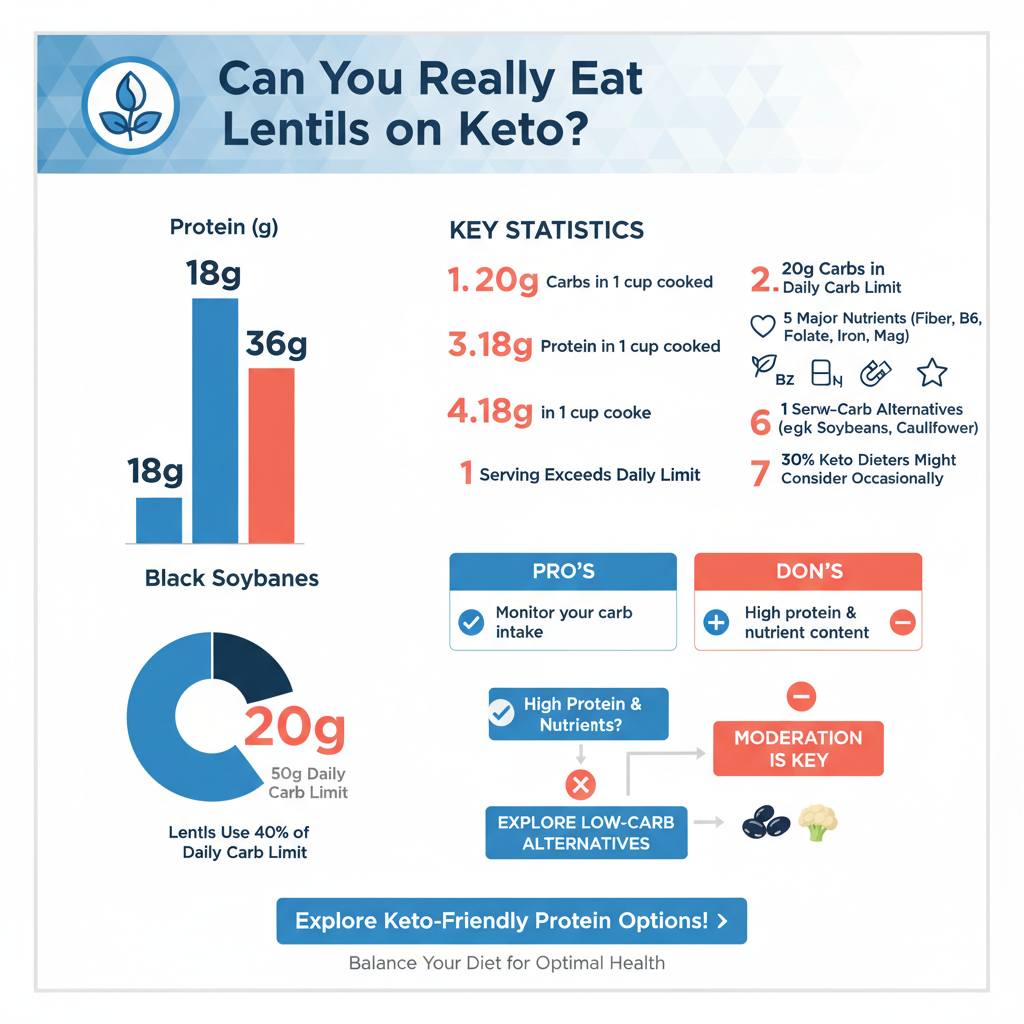
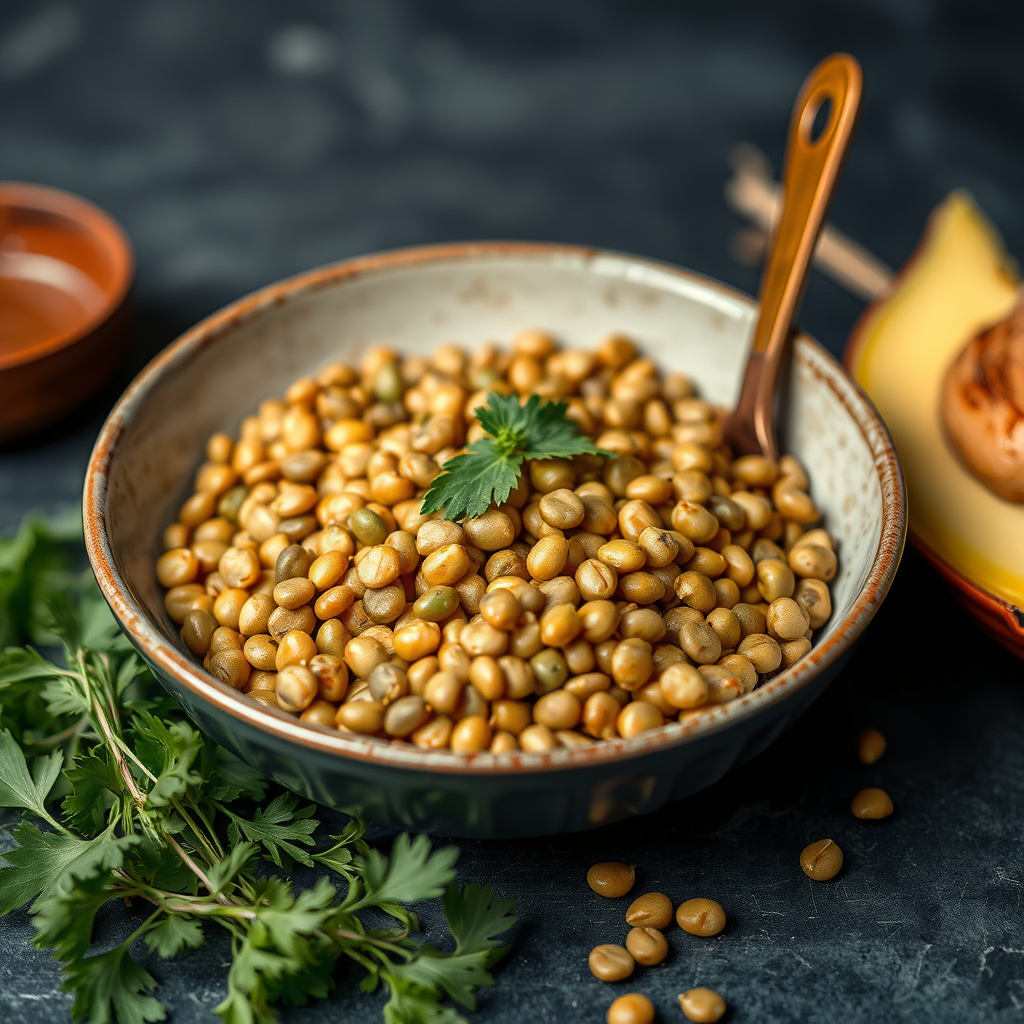
Lentils are a powerhouse of nutrition, offering a myriad of health benefits. They are rich in protein, providing approximately 18 grams per cooked cup, making them an excellent choice for those seeking to increase their protein intake. Furthermore, lentils are abundant in dietary fiber, vitamins such as B6 and folate, and essential minerals including iron and magnesium. These nutrients contribute to improved digestion, enhanced heart health, and better blood sugar control, which can be beneficial for overall wellness.
However, despite their impressive nutritional profile, the carbohydrate content remains a concern for those adhering to a ketogenic lifestyle. While lentils can support a balanced diet, especially for vegetarians and those looking for plant-based protein sources, the potential to disrupt ketosis must be taken into account. Therefore, while they offer numerous health benefits, their role in a keto diet is limited.
Alternatives to Lentils on Keto
For those looking for low-carb alternatives to lentils, there are several options worth considering. Black soybeans are an excellent substitute, providing about 2 grams of net carbs per half-cup serving, making them a favorable choice for keto dieters. Edamame, or immature soybeans, also offer a low-carb protein source, with around 4 grams of net carbs per half-cup serving. Both alternatives can be incorporated into various dishes, from salads to stir-fries, without compromising your ketosis goals.
In addition to legumes, exploring non-legume protein sources can further enhance your diet. Meats such as chicken, beef, and pork are all high in protein and contain zero carbohydrates. Fish like salmon and sardines not only provide protein but are also rich in heart-healthy omega-3 fatty acids. Eggs are another versatile option, offering high protein and fat content while being low in carbohydrates. Additionally, incorporating low-carb vegetables such as spinach, zucchini, and broccoli can help maintain a balanced intake while providing essential vitamins and minerals.
Ways to Incorporate Lentils in Moderation
If you are determined to include lentils in your keto diet, moderation is key. Limiting your portion sizes can help you stay within your daily carbohydrate limits. For example, consider consuming a quarter-cup of cooked lentils, which would contribute around 5 grams of carbs, allowing you to enjoy the flavor and nutritional benefits without overstepping your carbohydrate boundaries.
To complement lentils and align better with keto macronutrient goals, consider pairing them with high-fat ingredients. Olive oil, avocado, cheese, or nuts can boost the fat content of your meal, helping you reach your desired fat-to-protein ratio. For instance, a salad incorporating a small amount of lentils might be enhanced with feta cheese and a drizzle of olive oil, making it not only more keto-friendly but also delicious.
Other Nutritional Considerations
When following a ketogenic diet, it is essential to maintain overall dietary balance. While focusing on reducing carbohydrates, it is equally crucial to ensure that you are consuming enough healthy fats and proteins. This balance is vital for sustaining energy levels and promoting overall health.
Additionally, when avoiding certain foods, particularly high-carb options like fruits and grains, you may be at risk of missing out on essential micronutrients. Consider incorporating a variety of low-carb, nutrient-dense foods to ensure you are meeting your nutritional needs. Supplements may also be beneficial, particularly for vitamins and minerals that are harder to obtain in a strict keto diet. Consulting a healthcare provider or nutritionist can provide personalized recommendations based on your dietary choices.
Tips for Maintaining Ketosis
To successfully maintain ketosis while navigating a low-carb lifestyle, monitoring your food intake is crucial. Utilizing apps or food diaries can help you keep track of your carbohydrate consumption, ensuring that you remain within your daily limits. This practice not only aids in maintaining ketosis but also enhances your awareness of what you are eating daily.
For those who find strict adherence challenging, experimenting with variations of the ketogenic diet, such as intermittent fasting or cyclical keto, can provide flexibility. Intermittent fasting allows for periods of eating and fasting, which can help manage cravings and reduce overall caloric intake. Cyclical keto, on the other hand, involves specific days where higher-carb foods are consumed, allowing for more variety in your diet without derailing progress.
In conclusion, incorporating lentils into a keto diet poses challenges primarily due to their carbohydrate content. While these legumes provide valuable nutrients and health benefits, they can quickly lead to exceeding your daily carb limits. By understanding these factors, exploring low-carb alternatives, and employing moderation when consuming lentils, you can make informed dietary choices that align with your health goals. Always consider your individual nutritional needs and consult with a professional if necessary to achieve a balanced and enjoyable keto lifestyle.
Frequently Asked Questions
Can you eat lentils on a keto diet?
Lentils are generally not considered keto-friendly due to their relatively high carbohydrate content. A standard serving of lentils contains about 20 grams of carbs, which can easily exceed the daily carb limit for those following a strict ketogenic diet. However, if you’re on a more moderate low-carb plan, you might include lentils in small portions while ensuring your overall carb intake remains within your target.
What are the carb counts in different types of lentils?
The carb counts can vary among the different types of lentils. For example, cooked green lentils contain about 20 grams of carbs per half-cup serving, while red lentils have around 28 grams of carbs per half-cup. Black lentils are similar, falling in the range of 20 grams of carbs. For those on a ketogenic diet, it’s essential to monitor these numbers and consider alternatives that are lower in carbohydrates.
What are some low-carb alternatives to lentils on a keto diet?
If you’re looking for low-carb alternatives to lentils while on a keto diet, consider options like cauliflower rice, zucchini noodles, or shirataki noodles. Other protein-rich options include beans like black soybeans or edamame, which contain fewer carbs and can provide similar textures in various dishes. Incorporating leafy greens and non-starchy vegetables can also help maintain a balanced keto-friendly meal plan.
Why are lentils not ideal for a ketogenic lifestyle?
Lentils are not ideal for a ketogenic lifestyle primarily due to their high carbohydrate content, which can hinder the body’s ability to enter or maintain ketosis. For most people on keto, the goal is to keep carb intake below 20-50 grams per day. Since lentils can contribute a significant portion of those carbs in a single serving, they can disrupt the metabolic state that keto aims to achieve.
How can I incorporate lentils into a low-carb diet without exceeding carb limits?
If you want to include lentils in a low-carb diet, consider using them in small amounts as a flavoring or side dish rather than a main ingredient. Pair lentils with high-fat foods like avocado or cheese to balance the meal and keep overall carbs in check. Additionally, mixing lentils with low-carb vegetables can help you enjoy their nutritional benefits without drastically increasing your carb intake.
References
- Lentil
- https://www.healthline.com/nutrition/keto-diet-foods
- https://www.ncbi.nlm.nih.gov/pmc/articles/PMC6313448/
- https://www.webmd.com/diet/what-is-the-keto-diet
- Keto Vegetables – The Visual Guide to the Best and Worst – Diet Doctor
- https://www.verywellfit.com/what-is-the-keto-diet-5113004
- Gas pain during pregnancy: Causes by trimester and treatment
- https://www.hsph.harvard.edu/nutritionsource/healthy-weight/diet-reviews/keto-diet/