

The keto diet can indeed increase the risk of developing kidney stones for some individuals. This is primarily due to the high intake of protein and low carbohydrate consumption, which can lead to changes in urine composition. Understanding the intricacies of the keto diet and its potential implications for kidney health is crucial for anyone considering or currently following this dietary approach. In this article, we will explore how the keto diet can influence kidney stone formation and what you can do to mitigate this risk.
Understanding Kidney Stones

Kidney stones are hard deposits made of minerals and salts that form inside your kidneys. These stones can vary in size and shape, ranging from tiny crystals to large stones that can block the urinary tract. They can be caused by various factors including dehydration, dietary habits, and certain medical conditions such as metabolic disorders or urinary tract infections. When urine becomes concentrated due to insufficient fluid intake or dietary imbalances, minerals can crystallize and form stones, leading to significant discomfort and health complications.
There are several types of kidney stones, with calcium oxalate stones being the most common. Other types include uric acid, struvite, and cystine stones. Each type has different causes and requires specific dietary considerations to prevent recurrence.
The Keto Diet Explained
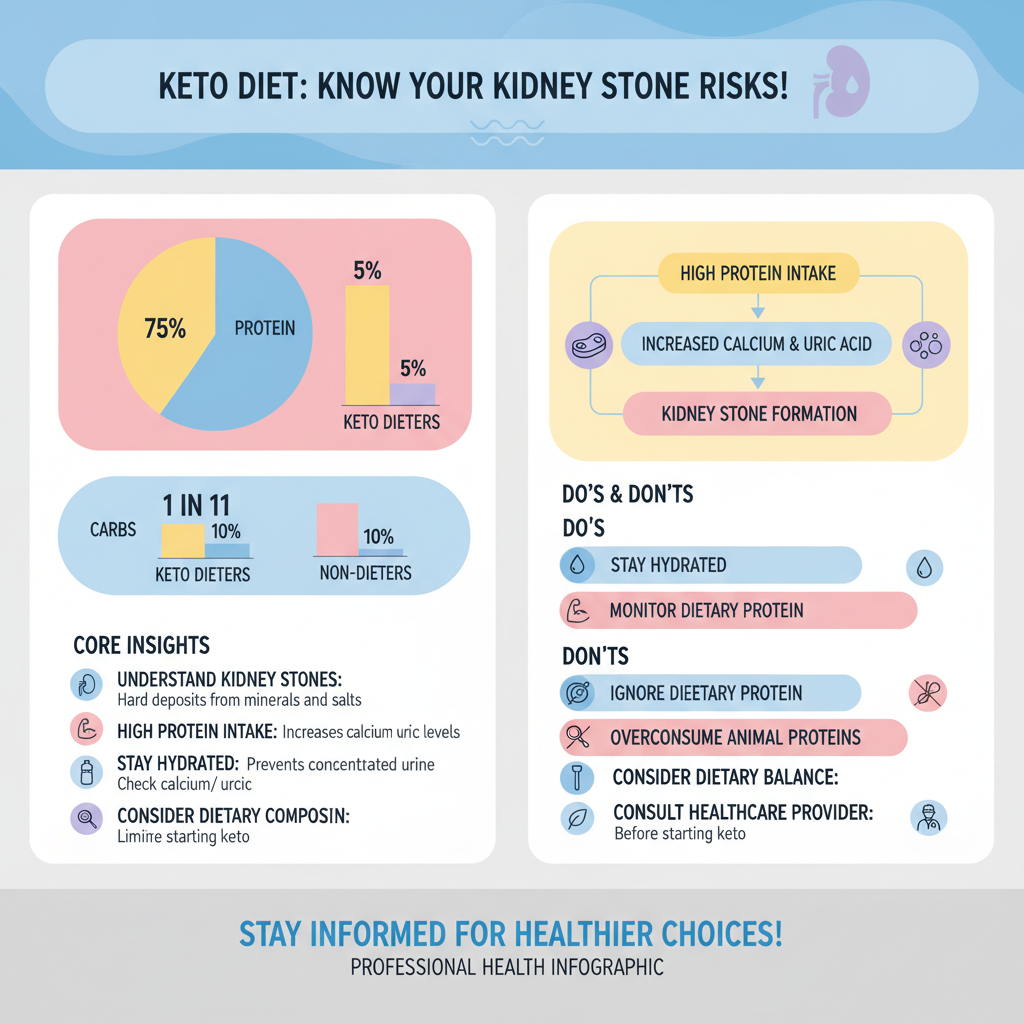

The ketogenic diet, often referred to simply as the keto diet, is a high-fat, low-carbohydrate eating plan that induces a metabolic state known as ketosis in the body. In ketosis, the body becomes highly efficient at burning fat for energy instead of carbohydrates, which can lead to significant weight loss and various health benefits such as improved blood sugar control and increased mental clarity.
Typically, the keto diet consists of approximately 70-80% fats, 20-25% protein, and only 5-10% carbohydrates. This dramatic reduction in carbohydrate intake forces the body to use fat as its primary energy source, resulting in the production of ketones. While many people experience positive effects from this dietary shift, it is essential to recognize that the keto diet can also lead to adverse health outcomes, particularly concerning kidney health.
How Keto Affects Kidney Stone Formation
A high intake of protein can increase calcium and uric acid levels in urine, which are key contributors to stone formation. When individuals consume more protein, especially from animal sources, it can lead to an increase in the breakdown of purines, resulting in elevated uric acid levels. This excess uric acid can crystallize, forming uric acid stones. Additionally, a diet high in protein may also increase calcium excretion in the urine, which can contribute to the formation of calcium oxalate stones.
Moreover, the low carbohydrate intake associated with the keto diet can lead to dehydration. Carbohydrates assist in retaining water in the body; therefore, a significant reduction in carbs can result in concentrated urine. When urine is concentrated, it increases the likelihood of minerals crystallizing and forming stones. Dehydration is a well-documented risk factor for kidney stones, and those on a keto diet must be particularly vigilant about their fluid intake.
Types of Kidney Stones Associated with Keto
Calcium oxalate stones are the most common type and can be influenced by the keto diet. Foods high in oxalates—such as spinach, nuts, and chocolate—can exacerbate the risk when consumed in excess on a keto diet. Although these foods are often regarded as healthy, their high oxalate content can lead to an increased likelihood of stone formation, especially when combined with a high-protein diet.
Uric acid stones may also form due to increased uric acid levels resulting from high protein consumption. Foods rich in purines, such as red meat, shellfish, and organ meats, can further elevate uric acid levels, leading to the formation of these stones. For individuals on a keto diet, it is crucial to be mindful of the types of protein consumed and their potential impact on kidney stone formation.
Symptoms of Kidney Stones
Common symptoms of kidney stones include severe pain in the back and side, often described as one of the most intense pains a person can experience. This pain may radiate to the lower abdomen and groin as the stone moves through the urinary tract. Other symptoms include blood in urine, cloudy or foul-smelling urine, and frequent urination. Some individuals may also experience nausea and vomiting. Recognizing these symptoms early can significantly improve the chances of seeking timely medical intervention and preventing further complications, such as urinary tract infections or kidney damage.
Preventing Kidney Stones on Keto
Staying hydrated is paramount for anyone on a keto diet. Drinking plenty of water helps to dilute urine, reducing the concentration of minerals that can lead to stone formation. A general recommendation is to aim for at least 2-3 liters of water daily, although individual needs may vary based on activity level and environmental factors.Additionally, balancing your diet with adequate fruits and vegetables can provide essential nutrients that help prevent stones. While many fruits are higher in carbohydrates, low-carb options such as berries can be incorporated into the diet. Furthermore, leafy greens can help alkalinize urine, which may reduce the risk of certain types of stones.
Monitoring calcium intake is also important. While calcium is necessary for bone health, excessive calcium excretion can lead to stone formation. Consulting with a healthcare provider or a registered dietitian can help tailor a diet that ensures adequate calcium intake without increasing stone risk.
When to Seek Medical Advice
If you experience symptoms of kidney stones or have a history of stone formation, it is essential to consult a healthcare professional. Regular check-ups can help monitor your kidney health while on a keto diet. A healthcare provider can provide personalized advice based on your medical history, dietary habits, and lifestyle factors. Additionally, if you are considering starting a keto diet, discussing your plans with a healthcare professional can help you understand the potential risks and benefits specific to your health circumstances.
Maintaining a keto diet does carry some risks for kidney stones, but with proper hydration and dietary management, you can significantly reduce these risks. Be proactive about your health, listen to your body, and consider consulting a healthcare provider if you’re unsure about your dietary choices. Balancing the benefits of the keto diet with a mindful approach to kidney health can lead to a more sustainable and enjoyable dietary experience.
Frequently Asked Questions
Can following a ketogenic diet increase my risk of developing kidney stones?
Yes, following a ketogenic diet can increase the risk of developing kidney stones for some individuals. The high intake of fats and proteins, along with reduced carbohydrate consumption, can lead to changes in urine chemistry, promoting the formation of stones, particularly calcium oxalate stones. Staying hydrated and consuming adequate amounts of electrolytes can help mitigate this risk.
What types of kidney stones are associated with a keto diet?
The most common type of kidney stones associated with a ketogenic diet are calcium oxalate stones. This is primarily due to the higher intake of oxalate-rich foods such as spinach, nuts, and seeds, which are often consumed on a keto diet. Additionally, a higher protein intake can lead to increased calcium excretion in the urine, further contributing to stone formation.
How can I prevent kidney stones while on a ketogenic diet?
To prevent kidney stones while following a ketogenic diet, it is crucial to stay well-hydrated by drinking plenty of water throughout the day. Incorporating potassium-rich foods such as avocados and leafy greens can help balance electrolytes. Additionally, moderating the intake of oxalate-rich foods and ensuring adequate calcium intake can reduce the likelihood of stone formation.
Why do some people develop kidney stones on a keto diet while others do not?
The development of kidney stones on a ketogenic diet can vary based on individual factors such as genetics, hydration levels, dietary choices, and overall health. Some people may have a predisposition to stone formation due to their metabolic profile or existing medical conditions. Additionally, those who do not adequately manage their fluid intake or consume high levels of oxalate-rich foods may be at a higher risk.
Which dietary choices are best to minimize kidney stone risk on a keto diet?
To minimize kidney stone risk while on a ketogenic diet, focus on incorporating low-oxalate vegetables such as zucchini, broccoli, and cauliflower, while limiting high-oxalate foods. Make sure to consume sufficient healthy fats and moderate protein sources, like fish and poultry, rather than excessive red meat. Remember to stay hydrated and consider adding citrus fruits or lemon juice to your water, as citric acid may help prevent stone formation.
References
- https://www.ncbi.nlm.nih.gov/pmc/articles/PMC7282364/
- https://www.healthline.com/nutrition/keto-diet-kidney-stones
- Kidney Stones | National Kidney Foundation
- Vitamin C (Ascorbic Acid) – StatPearls – NCBI Bookshelf
- UpToDate
- https://www.webmd.com/diet/ss/slideshow-ketogenic-diet-overview
- https://www.sciencedirect.com/science/article/pii/S089543562100118X
- https://www.cdc.gov/nutrition/resources-publications/healthy-eating.html