Prunes are not considered keto-friendly due to their high carbohydrate content. While they offer numerous health benefits, those following a strict ketogenic diet may need to limit or avoid them. In this article, we will explore the carbohydrate content of prunes, their nutritional benefits, and alternatives that fit better within a keto lifestyle.
The Carbohydrate Content of Prunes
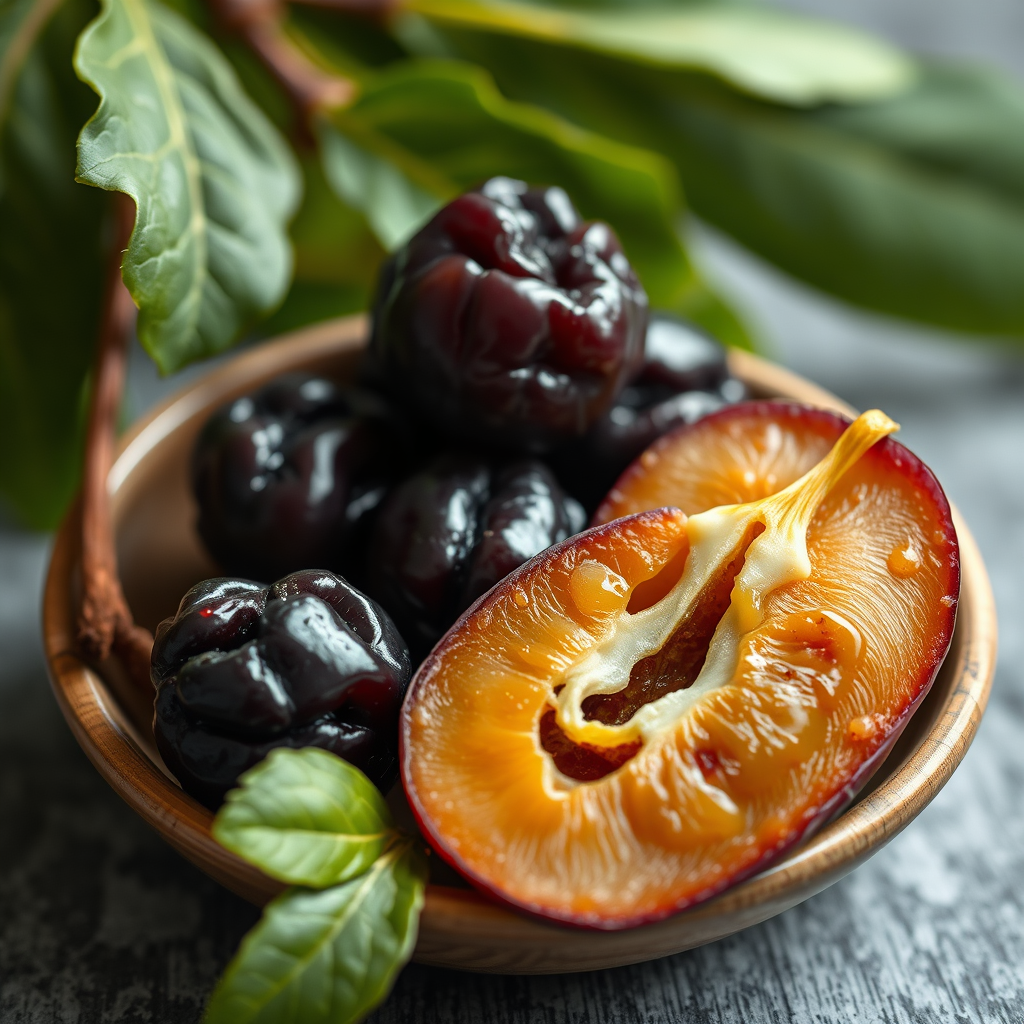
Prunes contain approximately 63 grams of carbohydrates per 100 grams, making them a high-carb food choice. This carbohydrate content is primarily derived from natural sugars, particularly fructose and glucose. For individuals adhering to a strict ketogenic diet, which typically limits daily carbohydrate intake to around 20-50 grams, consuming prunes can quickly exceed these limits, potentially disrupting ketosis.
Additionally, it is important to note that prunes are often consumed in smaller serving sizes; however, even a modest portion can contribute a significant amount of carbohydrates. For example, a single serving of about 4-5 prunes (approximately 30 grams) contains around 19 grams of carbohydrates. This fact emphasizes the need for careful consideration of portion sizes when contemplating the inclusion of prunes in a keto diet.
Nutritional Benefits of Prunes
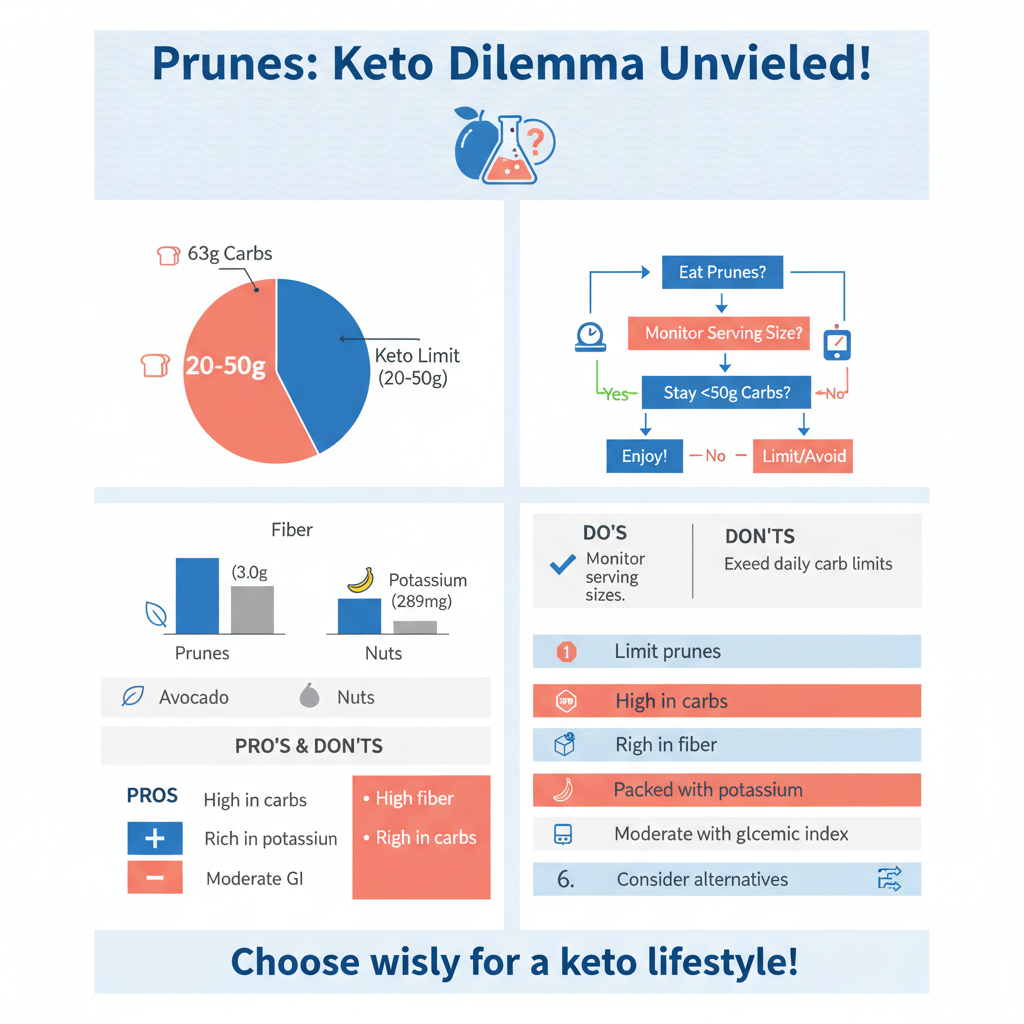
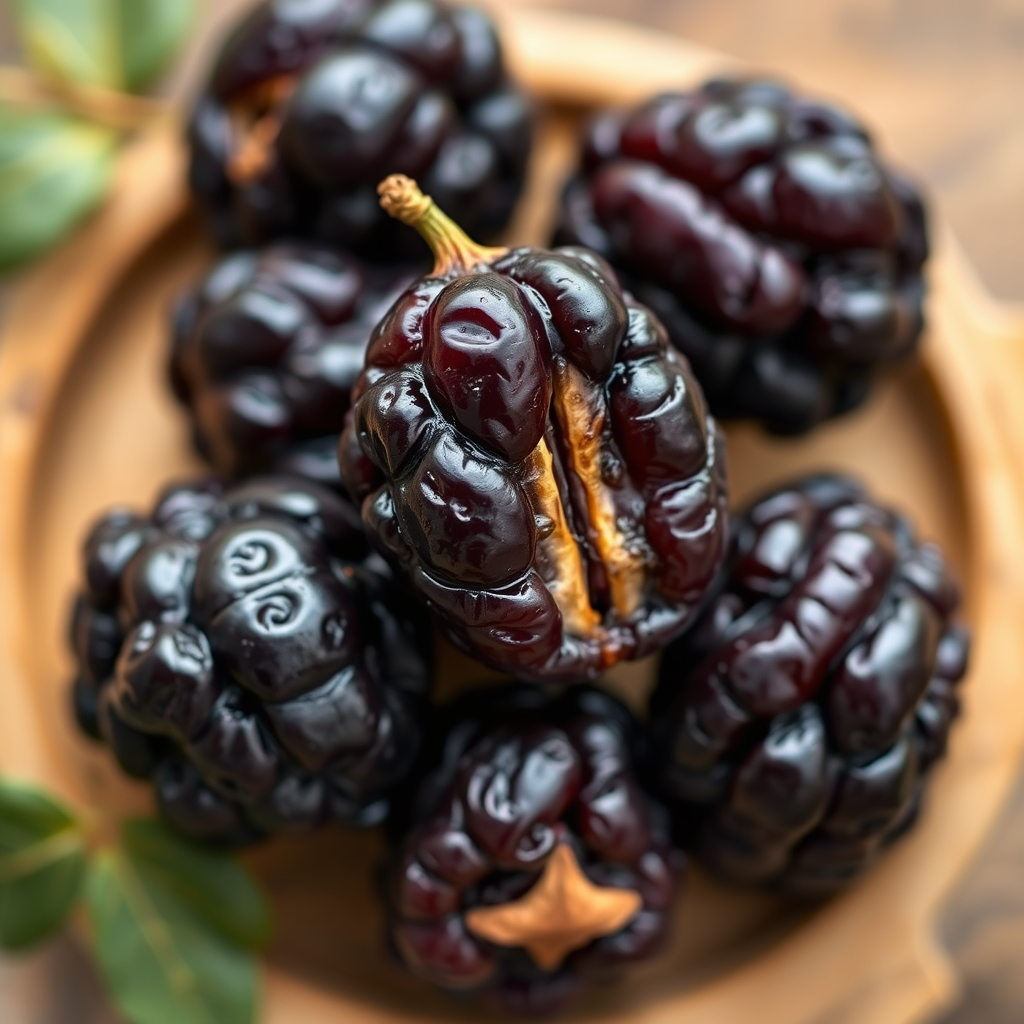
Despite their high carbohydrate content, prunes offer several nutritional benefits that can contribute positively to overall health. They are rich in dietary fiber, which is essential for aiding digestion and promoting gut health. Fiber helps regulate bowel movements and can alleviate issues such as constipation, making prunes a popular choice for digestive health.
In addition to fiber, prunes are packed with vitamins and minerals. They are an excellent source of potassium, which is vital for maintaining healthy blood pressure levels and proper muscle function. Furthermore, prunes are rich in vitamin K, an essential nutrient that supports bone health and plays a role in blood clotting. The antioxidants found in prunes, such as phenolic compounds, also contribute to their potential health benefits, including reducing oxidative stress and inflammation.
How Prunes Affect Blood Sugar Levels
Prunes have a moderate glycemic index (GI), which means they can influence blood sugar levels in a significant way. While they are less likely to cause a rapid spike in blood sugar compared to high-GI foods, their carbohydrate content still poses a concern for individuals monitoring their carb intake on a keto diet. Understanding the glycemic response to prunes is crucial for those who may be insulin-resistant or have diabetes, as even moderate carbohydrate intake can affect blood sugar control.
For keto dieters, it’s essential to consider how the consumption of prunes may impact their overall dietary goals. The moderate GI of prunes means that, while they may provide a slower release of sugar into the bloodstream, they can still cause an increase in blood sugar levels that could hinder ketosis. Therefore, careful monitoring of blood sugar responses is recommended when incorporating prunes into one’s diet.
Alternatives to Prunes on a Keto Diet
For those following a ketogenic diet, there are several alternatives to prunes that are lower in carbohydrates and can provide similar health benefits. Berries, such as raspberries and strawberries, are excellent choices due to their low carbohydrate content and high levels of antioxidants. For instance, a 100-gram serving of raspberries contains only about 12 grams of carbohydrates, making it a more suitable option for keto dieters.
Nuts and seeds are also viable alternatives that can provide fiber and healthy fats without the high carb content found in prunes. Almonds, walnuts, and chia seeds, for example, are not only low in carbohydrates but also high in protein and beneficial fats, making them ideal for maintaining energy levels while adhering to a keto lifestyle.
Incorporating these alternatives can help individuals enjoy the benefits of fruits and fiber while staying within their carb limits.
Moderation: When to Include Prunes
If one chooses to include prunes in their diet, moderation is key to avoid exceeding carb limits. For those who enjoy the unique flavor and health benefits of prunes, it may be possible to incorporate them into a keto diet by using them in smaller servings or in conjunction with other low-carb foods. For example, adding a few chopped prunes to a salad or a nut-based snack can provide added flavor without significantly impacting overall carbohydrate intake.
It is also advisable to track daily carbohydrate consumption to ensure that the inclusion of prunes does not lead to an unintended breach of keto guidelines. By keeping portions in check and being mindful of overall carb intake, individuals can find a balance that allows them to enjoy prunes while remaining aligned with their dietary goals.
Tips for Balancing a Keto Diet with Fruits
To successfully balance a keto diet with fruit consumption, it is essential to focus on low-carb fruits and practice portion control. This means prioritizing fruits that are lower in sugar and carbohydrates, such as berries, avocados, and olives, while minimizing higher-carb options like prunes and bananas.
Additionally, learning to read labels and track your macros can significantly aid in making informed choices. Various apps and tools are available that can help individuals monitor their carbohydrate intake and ensure they remain within their desired limits. By being proactive about tracking food intake, keto dieters can enjoy a wider variety of foods without compromising their dietary goals.
Incorporating low-carb fruits in moderation, alongside a well-rounded diet of healthy fats and proteins, can help maintain ketosis while allowing for the enjoyment of flavorful and nutritious options.
Summarizing the key points, prunes are high in carbohydrates and not the best option for a strict keto diet. However, their nutritional benefits can be enjoyed in moderation. If you’re looking for keto-friendly alternatives, opt for lower-carb fruits and monitor your overall intake. For more tips and recipes that align with your dietary goals, explore resources available on our blog. By understanding the role of prunes and making informed choices, you can effectively navigate the complexities of a ketogenic lifestyle while still enjoying a variety of foods.
Frequently Asked Questions
Are prunes considered keto-friendly?
Prunes are not typically considered keto-friendly due to their high carbohydrate content. A standard serving of prunes (about 4-5 prunes) contains around 20-25 grams of carbohydrates, which can significantly impact your daily carb limit on a ketogenic diet, typically set at 20-50 grams. Therefore, if you’re following a strict keto regimen, it’s best to limit or avoid prunes.
What are the carb counts of prunes compared to other fruits?
Prunes contain approximately 57 grams of carbohydrates per 100 grams, which is considerably higher than many other fruits. For comparison, strawberries have about 7.7 grams of carbs per 100 grams, while avocados contain only about 9 grams. When considering fruits for a keto diet, it’s essential to choose those with lower carb counts, such as berries or avocados, rather than higher-carb options like prunes.
How can I satisfy a sweet craving on keto without prunes?
If you’re looking to satisfy a sweet craving on a keto diet without using prunes, consider alternatives like berries, which are lower in carbs and high in fiber. You can also enjoy sugar-free dark chocolate, coconut yogurt, or even keto-friendly desserts made with almond flour and sweeteners like erythritol or stevia. These options can help you indulge your sweet tooth while keeping your carb intake in check.
Why do people eat prunes if they’re not keto-friendly?
People often consume prunes because they are rich in dietary fiber, vitamins, and minerals, making them a popular choice for digestive health and overall wellness. Prunes are well-known for their ability to alleviate constipation due to their sorbitol content, and they provide antioxidants that can contribute to heart health. For those not on a keto diet, the nutritional benefits of prunes can outweigh the carbohydrate concerns.
Which fruits are the best options for a keto diet instead of prunes?
The best fruits for a keto diet include berries such as strawberries, blueberries, and raspberries, which are lower in carbohydrates and high in fiber. Other great options are avocados, which are rich in healthy fats and low in carbs, and melons like cantaloupe and watermelon, which can be enjoyed in moderation. By focusing on these low-carb fruits, you can maintain your ketosis while still enjoying delicious flavors.
References
- https://www.healthline.com/nutrition/prunes-keto
- https://www.washingtonpost.com/lifestyle/wellness/keto-diet-fruits/2020/10/01/9f66b1e0-0208-11eb-9bba-0d5b28a53db5_story.html
- https://www.ncbi.nlm.nih.gov/pmc/articles/PMC6510549/
- USDA
- https://www.mayoclinic.org/healthy-lifestyle/nutrition-and-healthy-eating/expert-answers/prunes/faq-20058147