

The keto diet can be beneficial for some people, particularly for weight loss and improving certain health markers, but it may not be suitable for everyone. This high-fat, low-carbohydrate eating plan has gained significant popularity, but its implications on health are multifaceted. In this article, we will explore the science behind the keto diet, its potential benefits, risks, and whether it could be the right choice for you.
Understanding the Keto Diet

The keto diet, short for ketogenic diet, is a high-fat, low-carbohydrate eating plan that aims to shift the body into a state of ketosis. Ketosis occurs when the body starts to burn fat for fuel instead of carbohydrates, leading to the production of ketones. This dietary regimen typically consists of about 70-75% fat, 20-25% protein, and only 5-10% carbohydrates. By drastically reducing carbohydrate intake, the body is forced to utilize stored fat, leading to potential weight loss. Foods commonly featured in a keto diet include avocados, nuts, seeds, oily fish, and low-carb vegetables, while foods high in carbohydrates, such as bread, pasta, and sugar, are eliminated or significantly reduced.
The appeal of the keto diet lies in its potential for rapid weight loss and its ability to create a sustained feeling of satiety due to the high-fat content. However, understanding the underlying biochemical processes and the nutritional aspects of the diet is crucial before embarking on this journey.
Potential Benefits of Keto Diets
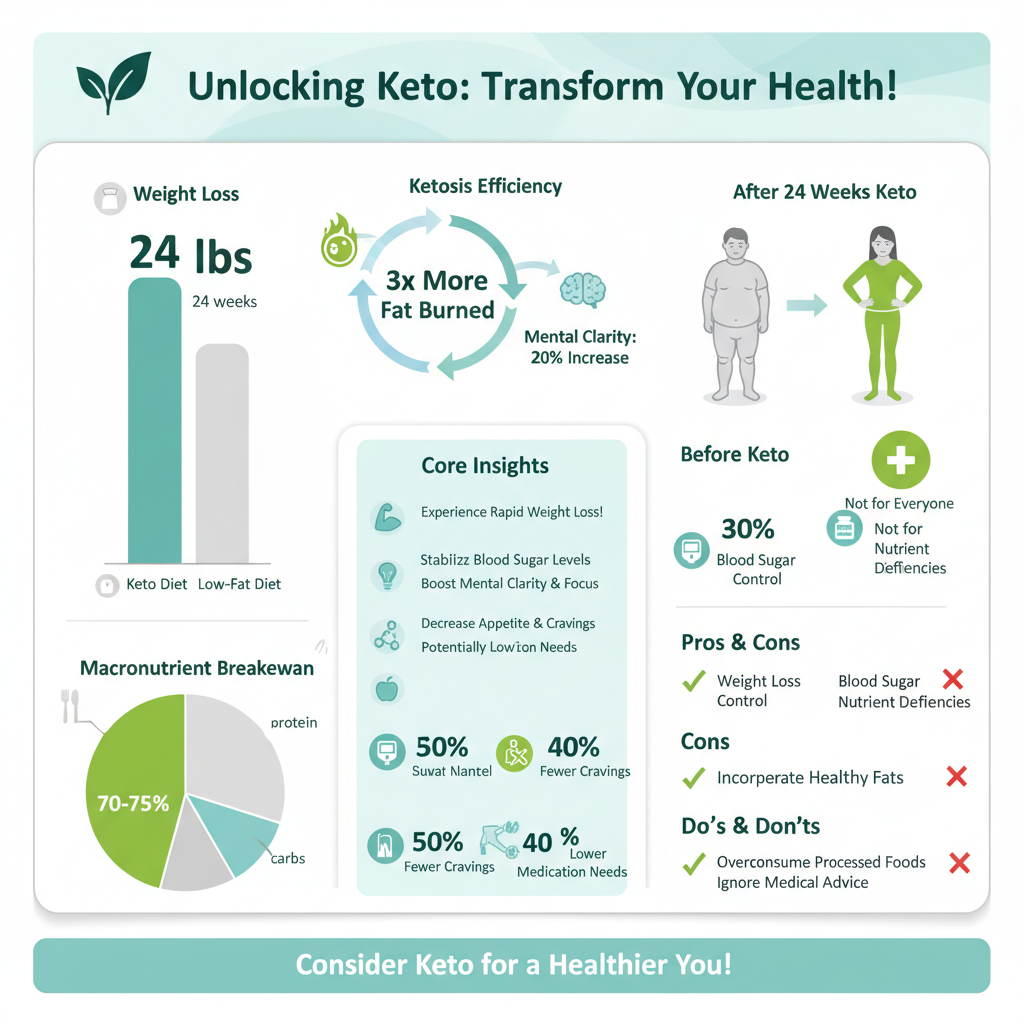

One of the most notable benefits of the keto diet is weight loss. Many individuals report significant reductions in body weight, primarily due to a decrease in appetite and caloric intake. When the body is in ketosis, it becomes more efficient at burning fat, which can lead to substantial weight loss over time. For instance, a 2020 study published in Nutrition & Metabolism found that participants following a ketogenic diet lost more weight than those on a low-fat diet over a 24-week period.
Improved blood sugar control is another potential benefit of the keto diet, particularly for individuals with type 2 diabetes. By minimizing carbohydrate intake, the diet may help stabilize blood sugar levels and reduce insulin resistance. Research indicates that the keto diet can lead to significant improvements in glycemic control, which is crucial for managing diabetes effectively. Furthermore, the diet may reduce the need for diabetes medication, although any changes should be made under medical supervision.
In addition to weight loss and blood sugar control, the keto diet has been associated with enhanced mental clarity and focus. Some studies suggest that ketones can provide a more efficient source of energy for the brain, potentially leading to improved cognitive function.
Risks and Considerations
Despite its potential benefits, the keto diet also presents several risks and considerations that individuals should be aware of. One of the primary concerns is the potential for nutritional deficiencies. Because the diet is highly restrictive, it may lead to inadequate intake of essential nutrients, including vitamins, minerals, and fiber. For example, the reduction of fruits and whole grains can result in lower levels of vitamins C and K, as well as potassium and magnesium.
Another notable risk is the occurrence of side effects commonly referred to as the “keto flu.” During the initial transition to ketosis, individuals may experience symptoms such as headaches, fatigue, irritability, and digestive issues. These symptoms are often temporary but can be uncomfortable and deter adherence to the diet. Ensuring adequate hydration and electrolyte intake during this phase can help alleviate some of these symptoms.
Moreover, the long-term effects of the keto diet are still not fully understood. Some health professionals express concern about the potential impact of a high-fat diet on cardiovascular health, particularly in individuals predisposed to heart disease. It is crucial to choose healthy fats, such as those from avocados, nuts, and olive oil, rather than relying on saturated fats from processed sources.
Who Might Benefit from a Keto Diet?
The keto diet may be particularly beneficial for individuals with obesity or those struggling with weight management. Research shows that the diet can lead to significant weight loss, which can, in turn, reduce the risk of various chronic conditions, including heart disease and type 2 diabetes. Those who have not achieved success with traditional calorie-restricted diets may find the keto approach more effective due to its appetite-suppressing effects.
Certain medical conditions also show positive responses to a ketogenic diet, especially epilepsy. The keto diet was originally developed in the 1920s as a treatment for epilepsy in children who did not respond to traditional medication. Today, it is still used under medical supervision to help manage seizures in epilepsy patients, indicating its therapeutic potential.
However, it is essential for individuals considering the keto diet for medical reasons to do so under the care of a healthcare professional, as monitoring is necessary to ensure safety and efficacy.
Alternative Diets to Consider
For those who may find the keto diet too restrictive or are concerned about its long-term implications, there are alternatives worth considering. The Mediterranean diet is one such option, emphasizing a balanced approach that includes healthy fats, whole grains, lean proteins, and a variety of fruits and vegetables. This diet is associated with numerous health benefits, including improved heart health and enhanced longevity.
Another alternative is a plant-based diet, which focuses on whole foods and provides a variety of nutrients without strict carbohydrate limitations. Research shows that plant-based diets can improve overall health markers, reduce the risk of chronic diseases, and promote sustainable weight loss while being less restrictive than a keto diet.
Both the Mediterranean and plant-based diets can offer a more holistic approach to nutrition, allowing for more variety and a broader spectrum of nutrients while still promoting health and well-being.
How to Start a Keto Diet Safely
If you decide to pursue a keto diet, it is crucial to do so safely and effectively. First and foremost, consultation with a healthcare professional or nutritionist is essential to ensure that the diet aligns with your health goals and individual needs. They can help tailor the diet to suit your lifestyle and monitor any potential health concerns.
A gradual transition is also advisable when starting a keto diet. Instead of cutting carbohydrates drastically, slowly reduce your intake to help your body adjust without severe side effects. This could involve gradually replacing carbohydrate-rich foods with healthier fats and proteins over a period of weeks.
Additionally, it is important to focus on the quality of the foods consumed on a keto diet. Prioritize whole, nutrient-dense foods, and avoid processed options high in unhealthy fats and additives. This will help mitigate the risk of nutritional deficiencies and promote overall health during your keto journey.
Incorporating regular physical activity and monitoring your progress can also enhance the effectiveness and sustainability of the diet, making it easier to achieve your health and wellness goals.
The keto diet has both potential benefits and risks, making it essential to consider your individual health needs and consult with a professional. If you’re curious about this diet, research further and evaluate if it aligns with your lifestyle and health objectives. Ultimately, the best diet is one that is balanced, sustainable, and tailored to your unique needs.
Frequently Asked Questions
What are the health benefits of a keto diet?
The ketogenic diet, characterized by low carbohydrate and high fat intake, can lead to several health benefits. These may include weight loss, improved blood sugar control, enhanced mental clarity, and increased energy levels. Additionally, research suggests that a keto diet can help manage certain medical conditions, such as epilepsy, type 2 diabetes, and metabolic syndrome.
How does a keto diet affect cholesterol levels?
A common concern with the ketogenic diet is its impact on cholesterol levels. While some individuals may experience an increase in LDL cholesterol (often referred to as “bad” cholesterol), many also see a rise in HDL cholesterol (“good” cholesterol). It’s essential to monitor these levels regularly and consult with a healthcare professional to manage heart health effectively while on a keto diet.
Why do some people experience the “keto flu” when starting a keto diet?
The “keto flu” refers to a group of symptoms some people experience when transitioning to a ketogenic diet. This can include fatigue, headaches, nausea, and irritability, typically occurring as the body adjusts to burning fat for fuel instead of carbohydrates. Staying hydrated, replenishing electrolytes, and gradually reducing carb intake can help ease these symptoms during the initial adjustment period.
What foods should I avoid on a keto diet?
On a ketogenic diet, it’s crucial to avoid foods high in carbohydrates, which can hinder your ability to enter ketosis. This includes sugary snacks, bread, pasta, rice, and starchy vegetables like potatoes. Instead, focus on consuming healthy fats, lean proteins, and low-carb vegetables to ensure you meet your nutritional needs while adhering to the diet.
Which types of people should avoid a keto diet?
While the keto diet can offer benefits for many, certain individuals should approach it with caution or avoid it altogether. Those with pancreatitis, liver disease, or certain metabolic disorders, as well as pregnant or breastfeeding women, may experience adverse effects. It’s essential to consult with a healthcare provider before starting a keto diet to ensure it’s appropriate for your health status and lifestyle.
References
- Ketogenic diet
- https://www.ncbi.nlm.nih.gov/pmc/articles/PMC7072410/
- https://www.health.harvard.edu/blog/the-ketogenic-diet-2019061817034
- https://www.mayoclinic.org/healthy-lifestyle/nutrition-and-healthy-eating/in-depth/keto-diet/art-20460103
- https://www.cdc.gov/healthyweight/assessing/bmi/adult_bmi/index.html
- Overweight and Obesity – What Are Overweight and Obesity? | NHLBI, NIH
- https://www.webmd.com/diet/what-is-the-keto-diet
- https://www.reuters.com/article/us-health-keto-idUSKBN1W32D7