

Keto foods are low in carbohydrates and high in fats, specifically designed to trigger a metabolic state known as ketosis. In this state, the body shifts its primary energy source from glucose to fat, which can promote weight loss and improve overall health. This comprehensive guide will delve into the main types of keto foods, their numerous benefits, and practical ways to incorporate them into your diet.
Understanding the Keto Diet

The ketogenic diet, commonly referred to as the keto diet, typically consists of about 70% fat, 25% protein, and only 5% carbohydrates. This macronutrient distribution is pivotal for achieving and maintaining ketosis, where the body effectively burns stored fat for energy. By drastically reducing carbohydrate intake—often to less than 50 grams per day—the body depletes its glycogen stores and begins to convert fat into ketones, an alternative fuel source. This metabolic shift not only aids in weight loss but can also enhance mental clarity and stabilize energy levels throughout the day.
Moreover, the keto diet encourages a focus on whole, nutrient-dense foods while minimizing processed carbohydrates, which can lead to a myriad of health benefits beyond weight loss, including improved blood sugar control and reduced inflammation.
Key Components of Keto Foods
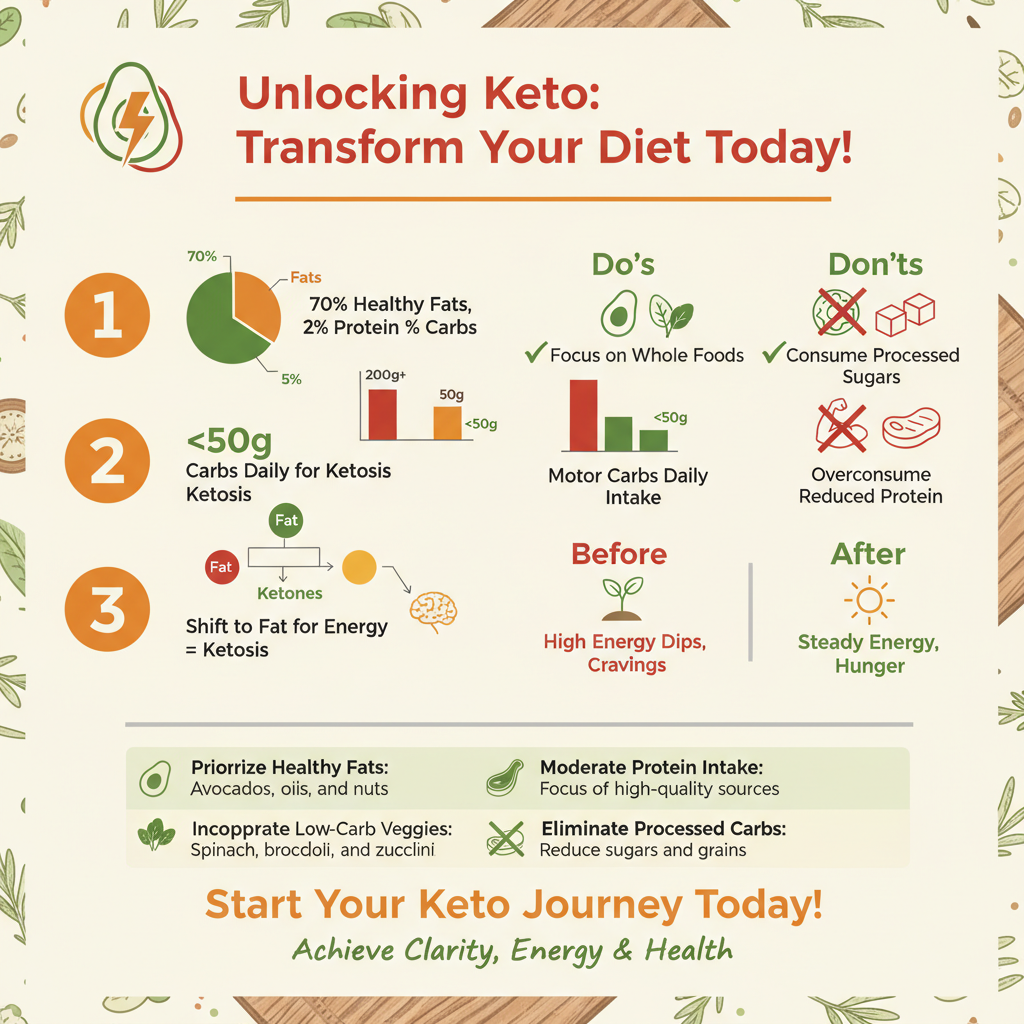

To successfully follow a keto diet, it’s crucial to understand the key components of keto foods:
– Healthy Fats: These are the cornerstone of the keto diet. Foods such as avocados, olive oil, coconut oil, butter, and various nuts (like almonds and macadamia nuts) provide the essential fats necessary for energy. These fats also play a critical role in supporting cellular health and hormone production.
– Low-Carb Vegetables: Non-starchy vegetables are vital for providing fiber, vitamins, and minerals while keeping carbohydrate intake low. Leafy greens (such as spinach and kale), broccoli, cauliflower, zucchini, and bell peppers are excellent choices. These vegetables can be incorporated into salads, stir-fries, and various dishes, ensuring that you maintain a balanced nutrient intake.
– Proteins: While protein is an important component, it should be consumed in moderation to avoid kicking the body out of ketosis. Focus on high-quality animal sources such as grass-fed meat, wild-caught fish, free-range eggs, and full-fat dairy products like cheese and Greek yogurt.
Common Keto Food Categories
Understanding the various categories of keto foods can simplify meal planning and enhance dietary adherence:
– Proteins: As mentioned, proteins should primarily come from sources like beef, pork, chicken, turkey, fish, and eggs. These foods not only provide essential amino acids but also contribute to satiety, helping to curb cravings.
– Snacks: When hunger strikes between meals, opt for keto-friendly snacks. Options include pork rinds, cheese crisps, nut butters, and olives, which are all low in carbohydrates yet satisfying. You can also create your own snacks using ingredients like coconut flour or almond flour to make keto-friendly baked goods.
– Condiments and Sauces: Many condiments can be high in sugars and carbs; however, there are keto-friendly choices available. Look for mustard, mayonnaise (made with oils like avocado or olive), and low-carb sauces that enhance flavor without adding unnecessary carbohydrates.
Benefits of Eating Keto Foods
The benefits of adopting a diet rich in keto foods are extensive:
– Potential Weight Loss: One of the most significant advantages of the keto diet is its potential for weight loss. By reducing insulin levels and increasing fat burning, individuals often experience effective weight loss, especially in the initial stages of the diet.
– Improved Energy Levels: As the body adapts to burning fat for fuel, many individuals report experiencing more sustained energy levels throughout the day, without the typical crashes associated with high-carb diets.
– Enhanced Mental Clarity: Ketones are an efficient source of energy for the brain. Many people on a keto diet experience improved focus and mental clarity, which can be beneficial in both professional and personal settings.
– Blood Sugar Control: The reduction in carbohydrate intake can lead to improved insulin sensitivity and stable blood sugar levels, which is particularly beneficial for individuals with type 2 diabetes or those at risk.
Tips for Incorporating Keto Foods into Your Diet
Successfully integrating keto foods into your daily routine can be achieved with these practical tips:
– Meal Prepping: Planning and preparing meals in advance can help you stay on track with your macronutrient goals. Set aside time each week to cook large batches of keto-friendly dishes that can be stored in the refrigerator or freezer for easy access.
– Explore New Recipes: Keeping meals exciting is crucial for adherence. Experiment with new recipes that align with keto principles, such as cauliflower rice stir-fries, zucchini noodles, and fat bombs. There are countless resources available online that provide innovative keto recipes to inspire your culinary creativity.
– Track Your Macros: Using a food diary or a mobile app to track your macronutrient intake can help ensure that you are meeting your dietary goals. This can be particularly useful when starting out, as it allows you to understand how different foods impact your macronutrient ratios.
Common Mistakes to Avoid
While transitioning to a keto diet, it’s important to be aware of common pitfalls that can hinder success:
– Overeating Protein: Many newcomers to the keto diet mistakenly think that protein should be the primary focus. However, consuming too much protein can lead to gluconeogenesis, where excess protein is converted into glucose, potentially disrupting ketosis. Aim for a balanced intake of fats, protein, and minimal carbohydrates.
– Hidden Carbohydrates: Be vigilant about hidden carbs in sauces, dressings, and processed foods. Always check labels and consider making homemade versions of your favorite condiments to control the ingredients and carb content.
Maintaining a Balanced Keto Lifestyle
To ensure long-term success on a keto diet, maintaining a balanced lifestyle is essential:
– Focus on Micronutrients: While reducing carbohydrate intake, it’s crucial to ensure that you are still getting enough vitamins and minerals. Incorporate a variety of low-carb vegetables to provide essential nutrients and prevent deficiencies.
– Hydration and Electrolyte Balance: As the body shifts into ketosis, it can lead to a loss of water and electrolytes. Staying hydrated and considering electrolyte supplementation (such as magnesium, potassium, and sodium) can help mitigate symptoms of the “keto flu,” which some individuals may experience during the initial transition.
By understanding what keto foods are and how they fit into a ketogenic lifestyle, you can make informed choices that support your health and weight loss goals. Start by exploring recipes and meal plans that align with these principles, and enjoy the journey to better health! The keto diet offers a unique approach to nutrition that, when followed correctly, can lead to significant improvements in both physical and mental well-being.
Frequently Asked Questions
What are keto foods and how do they fit into a ketogenic diet?
Keto foods are those that are low in carbohydrates and high in fats, designed to help the body enter a state of ketosis, where it burns fat for fuel instead of carbohydrates. Common keto foods include meat, poultry, fish, eggs, dairy products, non-starchy vegetables, nuts, seeds, and healthy fats like olive oil and avocados. By focusing on these food categories, individuals can effectively reduce their carb intake to trigger and maintain ketosis.
Why should I consider incorporating keto foods into my diet?
Incorporating keto foods into your diet can lead to various health benefits, such as weight loss, improved blood sugar control, and increased energy levels. Many people find that a ketogenic diet helps reduce cravings and hunger due to its high-fat content, making it easier to stick to a healthy eating plan. Additionally, some studies suggest that a ketogenic diet may have cognitive benefits and could support certain medical conditions, although it’s essential to consult with a healthcare professional before making significant dietary changes.
How can I determine which foods are keto-friendly?
To determine which foods are keto-friendly, aim for items that are low in net carbohydrates (total carbs minus fiber) and high in fats. Reading nutrition labels is crucial; look for foods with fewer than 20-50 grams of total carbohydrates per day, depending on your specific keto plan. Familiarizing yourself with common categories of keto foods—such as leafy greens, fatty fish, and full-fat dairy—will also help you make informed choices while grocery shopping.
What are some of the best snacks for a ketogenic diet?
Some of the best snacks for a ketogenic diet include cheese, nuts (like almonds and walnuts), hard-boiled eggs, and low-carb vegetables with dips such as guacamole or hummus. Additionally, you can enjoy beef jerky, olives, and coconut chips as satisfying options that align with keto principles. These snacks not only help maintain ketosis but also provide essential nutrients and healthy fats to keep you energized throughout the day.
Which foods should I avoid on a keto diet?
On a keto diet, you should avoid foods high in carbohydrates, such as bread, pasta, rice, and sugary snacks or beverages. Starchy vegetables like potatoes and corn, as well as grains and most fruits, should also be limited due to their high carbohydrate content. By steering clear of these foods, you can better maintain a state of ketosis and maximize the benefits of your ketogenic eating plan.
References
- Ketogenic diet
- https://www.ncbi.nlm.nih.gov/pmc/articles/PMC6079055/
- https://www.healthline.com/nutrition/what-is-keto-diet
- https://www.cdc.gov/healthyweight/assessing/bmi/adult_bmi/english_bmi_calculator/weight_calculator.html
- https://www.mayoclinic.org/healthy-lifestyle/nutrition-and-healthy-eating/expert-answers/keto-diet/faq-20454888
- Nutrition Programs | USDA
- https://www.hsph.harvard.edu/nutritionsource/keto-diet/
- https://www.webmd.com/diet/what-is-the-keto-diet
- https://www.nutrition.org.uk/healthyliving/basics/keto-diet.html