

The keto diet is a low-carbohydrate, high-fat eating plan designed to shift your body into a state of ketosis, where it burns fat for fuel instead of carbohydrates. This dietary approach not only promotes weight loss but also has potential therapeutic benefits, particularly for individuals with certain medical conditions. In this article, you will learn about the fundamental principles of the keto diet, its benefits, potential drawbacks, and how to get started effectively.
Understanding the Keto Diet
The ketogenic diet typically consists of about 70-75% fats, 20-25% protein, and only 5-10% carbohydrates. This macronutrient ratio is essential for inducing ketosis, a metabolic state characterized by the breakdown of fat for energy. When carbohydrate intake is significantly reduced, the body is deprived of its primary energy source—glucose. In response, the liver begins to convert fatty acids into ketones, which can then be utilized as an alternative fuel source.
This shift in energy metabolism is not only efficient but also promotes several physiological changes that can lead to improved health outcomes. Foods that are staples of the keto diet include avocados, nuts, seeds, fatty fish, olive oil, and low-carb vegetables, all of which are rich in healthy fats while being low in carbohydrates.
How Ketosis Works
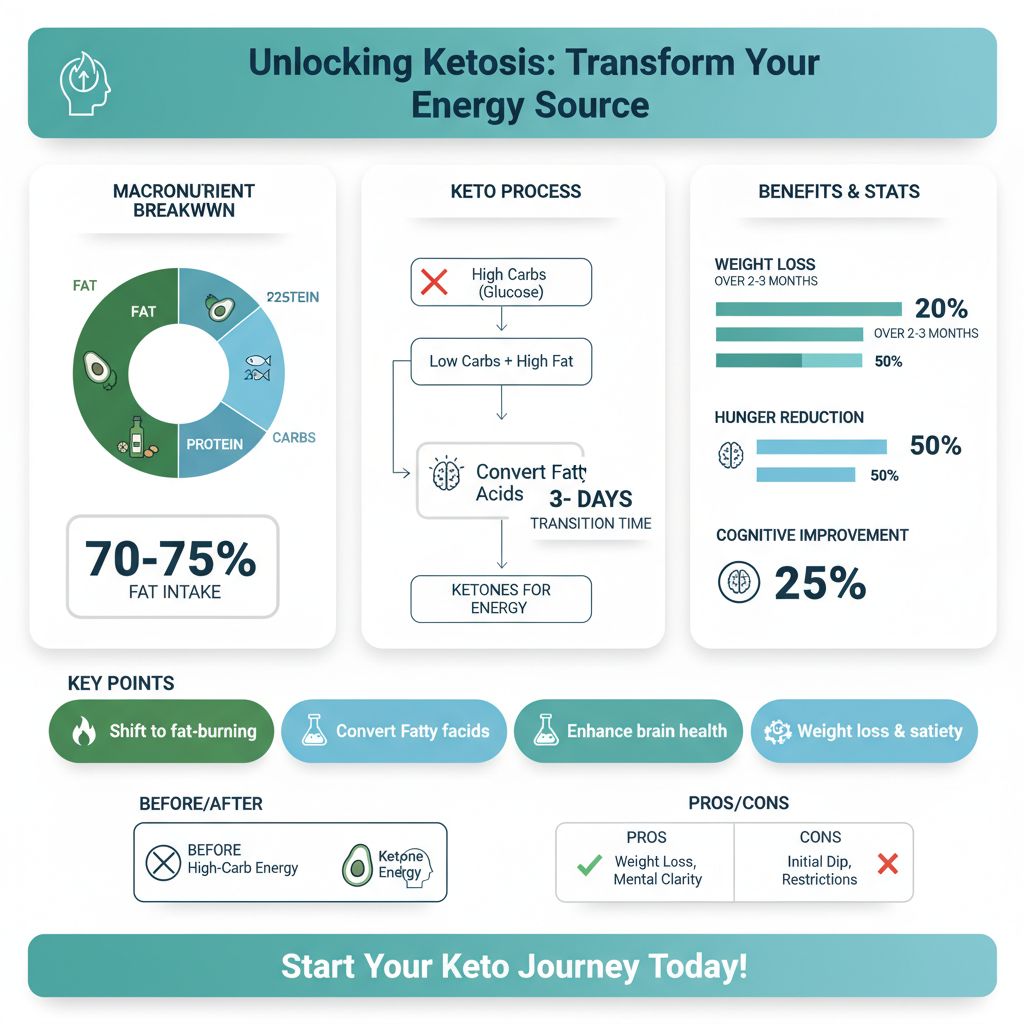

In ketosis, your liver converts fatty acids into ketones, which serve as an alternative energy source when glucose levels are low. Ketones can cross the blood-brain barrier, making them particularly valuable for brain health, as they can provide energy to neurons and support cognitive function. This metabolic state encourages the body to burn stored fat, which can lead to significant weight loss over time.
The transition into ketosis typically takes a few days and may involve a decrease in energy levels as the body adapts. However, once fully in ketosis, many individuals report increased energy, improved mental clarity, and reduced hunger, which can facilitate weight management. Additionally, ketosis can help stabilize blood sugar levels, making it especially beneficial for those with insulin resistance or type 2 diabetes.
Benefits of the Keto Diet
Many followers report significant weight loss and improved body composition as a result of the keto diet. The high-fat content promotes satiety, which can lead to reduced caloric intake throughout the day. Moreover, the diet may offer benefits for brain health, including enhanced focus and reduced symptoms of neurological disorders such as epilepsy and Alzheimer’s disease. Research has shown that the ketogenic diet can be effective in managing seizures in children with epilepsy who do not respond to conventional treatments.
Furthermore, the keto diet may improve cholesterol levels by increasing HDL cholesterol (the “good” cholesterol) and decreasing triglycerides. This can contribute to better cardiovascular health, particularly in individuals who are at risk for heart disease. Additionally, the anti-inflammatory properties of the diet can help reduce symptoms of various chronic conditions, including metabolic syndrome and polycystic ovary syndrome (PCOS).
Potential Drawbacks and Risks
Despite its numerous benefits, the keto diet is not without potential drawbacks and risks. Common side effects, known as the “keto flu,” may occur during the initial transition phase. Symptoms can include fatigue, headache, irritability, and digestive discomfort, which are typically temporary and resolve as the body adjusts to the new energy source.
It’s also important to be aware of potential nutrient deficiencies due to the restrictive nature of the diet. Since many fruits, whole grains, and certain vegetables are limited, individuals may miss out on essential vitamins and minerals, such as vitamin C, magnesium, and fiber. Therefore, careful planning is required to ensure that nutritional needs are met, possibly incorporating supplements if necessary.
Moreover, the long-term effects of the ketogenic diet are still being studied, and it may not be suitable for everyone, particularly those with certain health conditions. Consulting with a healthcare provider or a registered dietitian can help determine if the keto diet is a safe and appropriate choice for you.
Getting Started on a Keto Diet
To effectively embark on a keto diet, begin by calculating your daily macronutrient needs to maintain ketosis. Numerous online calculators can assist you in determining the right balance of fats, proteins, and carbohydrates based on your individual goals, activity level, and metabolic health.
Focus on whole, nutrient-dense foods such as avocados, nuts, seeds, fatty fish, and low-carb vegetables like spinach, kale, and broccoli. These foods will provide essential nutrients while keeping carbohydrate intake low. It is also critical to avoid sugars, grains, and high-carb foods, which can disrupt ketosis. Meal planning is a valuable strategy to ensure you have keto-friendly options readily available and to prevent impulsive eating.
Additionally, tracking your food intake with apps can help you stay accountable and monitor your macronutrient ratios. Regularly testing your ketone levels through urine strips or blood tests can provide insights into your state of ketosis, allowing for adjustments as needed.
Tips for Sustaining a Keto Lifestyle
Sustaining a keto lifestyle requires commitment and organization. Meal prepping can help you stay on track and avoid high-carb temptations. Preparing meals in advance ensures that you have compliant options readily available, reducing the likelihood of reaching for non-keto snacks or meals.
Consider joining online communities or local support groups for motivation and recipe ideas. These platforms can provide encouragement, share experiences, and offer solutions to common challenges faced on the keto diet. Engaging with others on a similar journey can help maintain motivation and provide accountability.
Experimenting with new recipes and cooking methods can also keep your meals interesting and enjoyable. Incorporating diverse flavors and ingredients can help you avoid monotony while still adhering to your dietary goals.
In summary, the keto diet is a powerful tool for those looking to lose weight, improve metabolic health, and enhance cognitive function. By understanding its principles, benefits, potential risks, and practical steps to get started, individuals can make informed decisions about whether this dietary approach is right for them. Whether you’re considering trying the keto diet for weight loss or health improvement, thorough planning and support can help you navigate this journey successfully.
Frequently Asked Questions
What is a keto diet and what are its main components?
A keto diet, or ketogenic diet, is a high-fat, moderate-protein, and very low-carbohydrate eating plan designed to induce a state of ketosis in the body. In ketosis, the body shifts its primary energy source from carbohydrates to fats, which are broken down into ketones. Main components of the diet typically include healthy fats (like avocados, olive oil, and nuts), moderate amounts of protein (such as meat, fish, and dairy), and minimal carbohydrates (from leafy greens and non-starchy vegetables).
How does the keto diet work for weight loss?
The keto diet works for weight loss primarily by reducing carbohydrate intake, which lowers insulin levels and encourages the body to burn stored fat for energy. This metabolic shift helps to suppress appetite, leading to reduced calorie consumption. Additionally, the increased ketones produced during ketosis can enhance fat oxidation, further contributing to weight loss. Many people find that they lose weight more effectively on a keto diet compared to traditional low-fat diets due to these combined effects.
Why is the keto diet considered effective for some health conditions?
The keto diet is considered effective for some health conditions, such as epilepsy, type 2 diabetes, and metabolic syndrome, because it can improve insulin sensitivity and regulate blood sugar levels. By providing a steady source of energy from fats rather than fluctuating carbohydrates, the keto diet may help reduce seizure frequency in epilepsy patients and aid in weight management for those with diabetes. Furthermore, the anti-inflammatory properties of ketones can positively impact overall health.
What are the best foods to eat on a keto diet?
The best foods to eat on a keto diet include healthy fats like olive oil, coconut oil, and avocados, as well as high-quality protein sources such as fatty fish, poultry, and grass-fed beef. Low-carb vegetables, like spinach, kale, and zucchini, are also excellent choices. Additionally, incorporating foods rich in nuts and seeds, dairy (like cheese and yogurt), and berries in moderation can help maintain nutritional balance while adhering to the low-carb requirement of the diet.
Which mistakes should I avoid when starting a keto diet?
Common mistakes to avoid when starting a keto diet include not tracking your macronutrient intake, which can lead to unintentional carbohydrate consumption, and neglecting to drink enough water, which is crucial for managing potential side effects like the “keto flu.” Additionally, some people may fail to include enough fiber-rich foods, leading to digestive issues, so incorporating low-carb vegetables is essential. Lastly, it’s important to gradually adjust to the diet rather than making drastic changes all at once, to allow your body to adapt effectively.
References
- Ketogenic diet
- https://www.healthline.com/nutrition/what-is-a-keto-diet
- https://www.ncbi.nlm.nih.gov/pmc/articles/PMC7071790/
- https://www.hsph.harvard.edu/nutritionsource/keto-diet/
- https://www.cdc.gov/healthyweight/assessing/bmi/adult_bmi/english_bmi_calculator/bmi_calculator.html
- https://www.mayoclinic.org/healthy-lifestyle/nutrition-and-healthy-eating/expert-answers/keto-diet/faq-20447038
- https://www.webmd.com/diet/what-is-the-keto-diet
- https://www.nutrition.gov/topics/nutrition-through-life/health-eating-ketogenic-diet
- https://www.nih.gov/news-events/nih-research-matters/keto-diet-may-help-treat-epilepsy