

Keto flu is primarily caused by the body’s transition from burning carbohydrates to burning fat for fuel, leading to a range of symptoms as it adapts. This phenomenon typically occurs when individuals initially adopt a ketogenic diet, which drastically reduces carbohydrate intake while increasing fat consumption. As the body undergoes this metabolic shift, it can experience various withdrawal-like symptoms that can be uncomfortable but are generally temporary. In this article, you will learn about the specific reasons behind keto flu, its symptoms, and how to alleviate them effectively.
What is Keto Flu?

Keto flu refers to a collection of symptoms experienced when starting a ketogenic diet. Unlike the traditional flu, which is caused by a virus, keto flu is a metabolic response characterized by discomfort as the body transitions to a state of ketosis. This process requires the body to adapt to using fat instead of carbohydrates as its primary energy source. Symptoms typically include fatigue, headaches, irritability, and digestive issues, which can vary in intensity among individuals. Understanding these symptoms is essential for anyone considering or currently following a ketogenic diet, as it prepares them for this initial adjustment period.
Reasons Behind Keto Flu
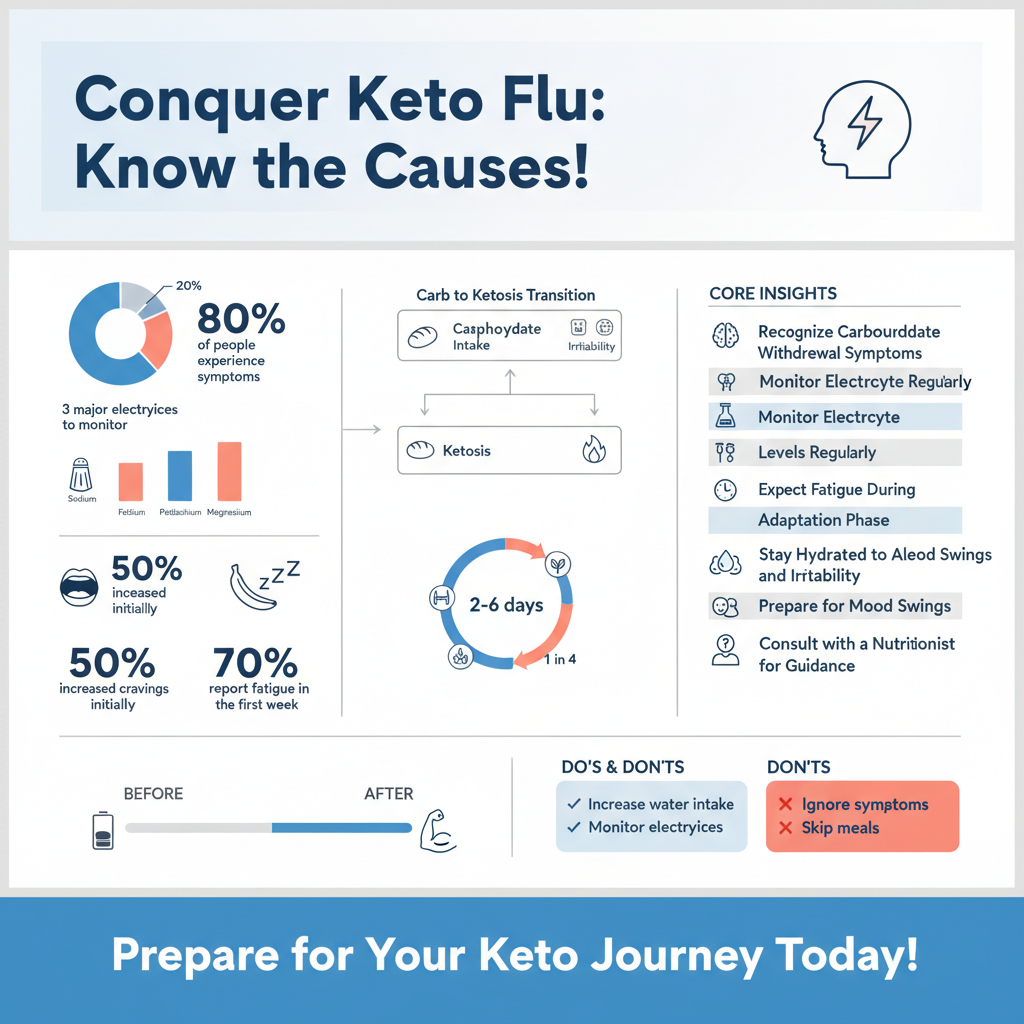

– Carbohydrate Withdrawal: One of the most significant contributors to keto flu is carbohydrate withdrawal. When individuals drastically reduce their carbohydrate intake, the body can react similarly to withdrawal symptoms experienced by substance users. The abrupt decrease in glucose availability can lead to irritability, mood swings, and even cravings for sugary foods. As the body seeks to regain its preferred energy source, individuals may find themselves battling intense cravings and withdrawal-like symptoms.
– Electrolyte Imbalance: Another key factor that exacerbates keto flu symptoms is an electrolyte imbalance. As the body transitions into ketosis, it often excretes more water and electrolytes due to reduced insulin levels and increased urination. Essential electrolytes such as sodium, potassium, and magnesium may become depleted, leading to muscle cramps, headaches, and fatigue. This depletion is a common yet often overlooked aspect of starting a ketogenic diet, making it crucial to actively manage electrolyte intake during this phase.
Common Symptoms of Keto Flu
– Fatigue and Lethargy: Many individuals report feelings of tiredness and lethargy as the body adapts to burning fat for fuel. This fatigue can stem from the initial drop in blood sugar levels and the body’s efforts to switch its primary energy source. During this adaptation period, energy may be less accessible, leading to reduced physical and mental performance.
– Headaches and Dizziness: Fluctuating blood sugar levels can also lead to headaches and feelings of lightheadedness. As the body transitions to ketosis, it may struggle to stabilize blood sugar levels, resulting in discomfort. Additionally, dehydration and electrolyte imbalances can further contribute to these symptoms, creating a cycle of discomfort that many individuals find challenging to navigate.
Duration and Severity of Symptoms
Symptoms usually appear within the first few days of starting the diet and can last from a few days to a week. The duration and severity of keto flu symptoms can vary significantly from person to person, depending on several factors, including individual metabolic rates, prior dietary habits, and overall health. Some may experience mild symptoms that resolve quickly, while others may find the adjustment period more challenging. Understanding this variability is essential for managing expectations and seeking appropriate interventions.
How to Alleviate Keto Flu
– Stay Hydrated: Increasing water intake is vital during this transition. Proper hydration not only helps flush out toxins but also aids in maintaining energy levels and supporting overall bodily functions. Aim for at least 8-10 glasses of water a day, and consider incorporating electrolyte-rich beverages or bone broth to replenish lost nutrients.
– Increase Electrolytes: Consuming electrolyte-rich foods or supplements can help balance your body’s needs during this transition. Foods such as avocados, leafy greens, nuts, and seeds are excellent sources of potassium and magnesium. Additionally, adding a pinch of salt to meals can help boost sodium levels, which are often depleted during the initial stages of a ketogenic diet. Some individuals find that taking electrolyte supplements can be particularly beneficial in managing symptoms effectively.
When to Seek Medical Advice
If symptoms persist beyond a week or worsen significantly, it’s essential to consult a healthcare professional. While keto flu is generally temporary, it’s important to differentiate between typical symptoms and potential underlying health issues. A healthcare provider can help assess whether the symptoms are indeed related to dietary changes or if there are other health concerns that need to be addressed. Being proactive in seeking medical advice can ensure that individuals remain healthy and safe while pursuing their dietary goals.
The transition into ketosis can be challenging, but understanding what causes keto flu can help you manage its symptoms effectively. By staying hydrated, balancing your electrolytes, and allowing your body time to adjust, you can minimize discomfort and enjoy the benefits of a ketogenic lifestyle. If you’re thinking of starting a keto diet or are currently facing challenges, consider these insights and take control of your journey! By preparing yourself for the initial adjustment period and being proactive in addressing symptoms, you can pave the way for a successful and sustainable ketogenic lifestyle.
Frequently Asked Questions
What is keto flu and what are its symptoms?
Keto flu refers to a group of flu-like symptoms that some individuals may experience when transitioning to a ketogenic diet, which is low in carbohydrates and high in fats. Common symptoms include headaches, fatigue, nausea, dizziness, irritability, and muscle cramps. These symptoms typically arise as the body adapts to burning fat for fuel instead of carbohydrates, which can take several days to weeks.
What causes keto flu when starting a ketogenic diet?
The primary cause of keto flu is the body’s adjustment to a drastic reduction in carbohydrate intake. As glycogen stores deplete, the body enters a state of ketosis, leading to a drop in electrolytes like sodium, potassium, and magnesium. Additionally, the initial shift in metabolism can lead to dehydration and imbalances, which contribute to the unpleasant symptoms associated with the keto flu.
How can I prevent or alleviate keto flu symptoms?
To prevent or alleviate keto flu symptoms, it’s essential to stay hydrated and maintain proper electrolyte balance by increasing your intake of sodium, potassium, and magnesium-rich foods or supplements. Gradually reducing carbohydrate intake rather than cutting it out suddenly can also help ease the transition. Eating enough fat and ensuring that you are consuming enough calories can minimize symptoms as your body adjusts to ketosis.
Why do some people experience severe keto flu while others have mild symptoms?
The severity of keto flu symptoms can vary based on individual factors such as metabolic health, prior dietary habits, and genetic predispositions. People who have been consuming a high-carb diet may experience more severe symptoms due to their body’s sudden need to adapt to a low-carb environment. Additionally, factors like hydration levels, electrolyte intake, and overall health can influence the intensity of symptoms experienced during this adjustment phase.
Which foods can help ease keto flu symptoms during the transition?
Foods that are rich in electrolytes can significantly help ease keto flu symptoms. Incorporating avocados, leafy greens, nuts, seeds, and bone broth into your meals can provide essential minerals like potassium and magnesium. Additionally, consuming healthy fats such as olive oil, coconut oil, and fatty fish can help maintain energy levels and provide the necessary fuel as your body adapts to a ketogenic diet.
References
- Ketogenic diet
- https://www.ncbi.nlm.nih.gov/pmc/articles/PMC6326553/
- https://www.healthline.com/nutrition/keto-flu
- https://www.webmd.com/diet/what-is-keto-flu
- https://www.sciencedirect.com/science/article/pii/S2212267217300863
- https://www.cdc.gov/healthyweight/assessing/bmi/adult_bmi/index.html
- Pseudomonas aeruginosa – StatPearls – NCBI Bookshelf