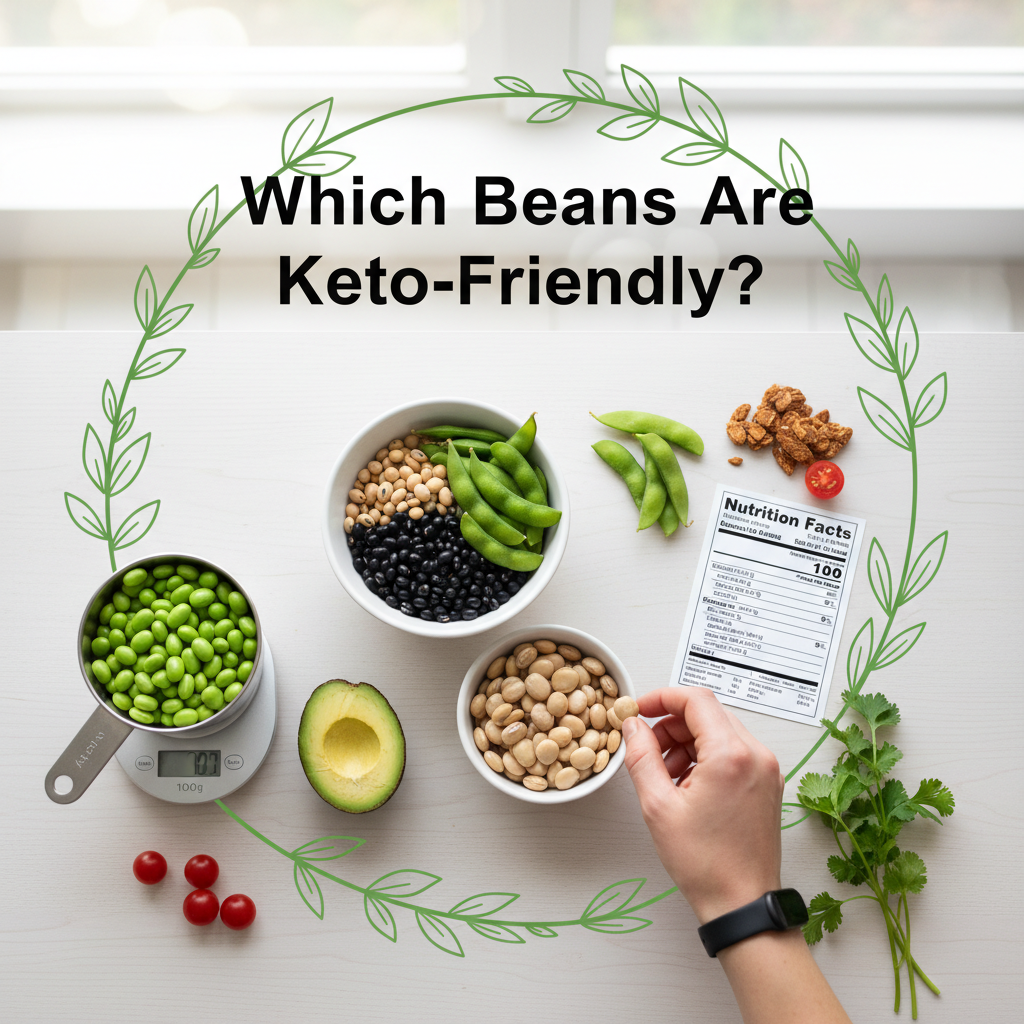

While most beans are typically high in carbohydrates and not suitable for a keto diet, there are a few exceptions that can be enjoyed in moderation. Specifically, green beans and black soybeans are the most notable options that fit into a ketogenic lifestyle. In this article, you will learn which beans are low in carbs and can fit into your ketogenic lifestyle, along with tips on how to incorporate them into your meals.
Understanding Keto and Carbs
The ketogenic diet is low in carbohydrates and high in fats, aiming to shift the body into a state of ketosis, where it primarily burns fat for fuel instead of carbohydrates. This diet typically restricts carbohydrate intake to around 20-50 grams per day, depending on individual goals. Most beans contain significant amounts of carbohydrates, often exceeding these limits, which can disrupt ketosis and hinder weight loss efforts. Therefore, it is crucial to choose beans wisely, focusing on those that are low in carbs and high in essential nutrients, to maintain ketosis while still enjoying the benefits of legumes.
Low-Carb Bean Options
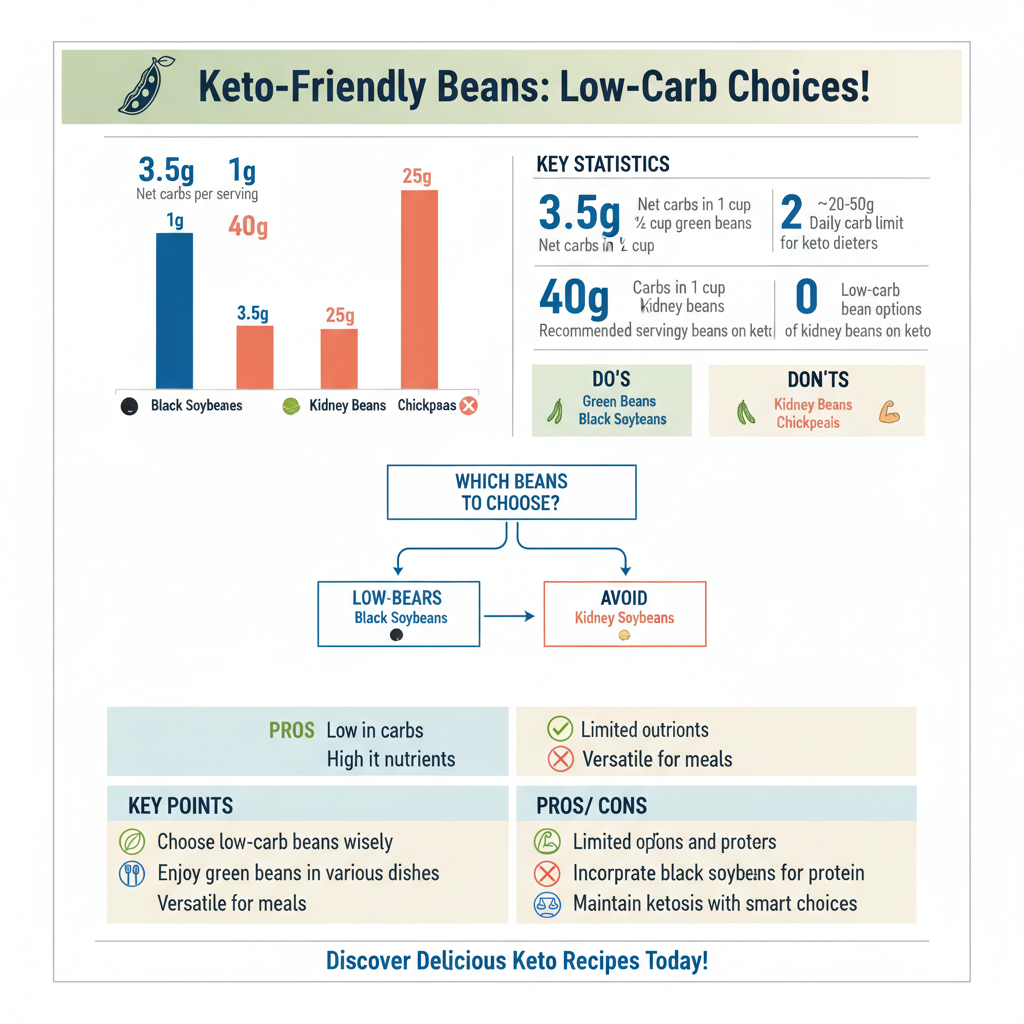
Green Beans: Although they are technically classified as legumes, green beans are a popular vegetable option that is low in carbohydrates. One cup of cooked green beans contains around 7 grams of carbohydrates, with about 3.5 grams of fiber, resulting in a net carb count of approximately 3.5 grams. This makes them an excellent choice for keto dieters looking to add a nutritious vegetable to their meals. You can enjoy green beans steamed, roasted, or sautéed, making them a versatile addition to various dishes.
Black Soybeans: Another fantastic low-carb option is black soybeans, which are often overlooked in the keto community. With around 1 gram of net carbs per half-cup serving, they are not only low in carbohydrates but also high in protein and fiber, making them a nutrient-dense choice. Black soybeans can be easily incorporated into various recipes, from salads to stir-fries, adding a hearty texture and flavor while keeping your carb count in check.
Beans to Avoid on Keto
Kidney Beans: Unfortunately, kidney beans are not suitable for a keto diet due to their high carbohydrate content. A single cup of cooked kidney beans contains approximately 40 grams of carbohydrates, making them a poor choice for anyone aiming to maintain ketosis. Their high starch content can lead to an increase in blood sugar levels, which is counterproductive for those following a ketogenic lifestyle.
Chickpeas: Similar to kidney beans, chickpeas, also known as garbanzo beans, are another legume to avoid on a strict keto diet. One cup of cooked chickpeas contains about 45 grams of carbohydrates, which exceeds the daily carb limits for most keto practitioners. Despite their nutritional benefits, such as being rich in protein and fiber, the high carbohydrate content makes them unsuitable for maintaining a ketogenic state.
How to Incorporate Keto-Friendly Beans
Incorporating keto-friendly beans into your meals can be both simple and enjoyable. Use green beans as a side dish or in salads to add a delightful crunch and essential nutrients. For instance, you can steam green beans and toss them with olive oil, garlic, and lemon juice for a refreshing side dish.
For black soybeans, consider adding them to soups or stews for a protein boost without excessive carbs. They can also be blended into dips or spreads, such as a black soybean hummus, providing a satisfying alternative to traditional chickpea hummus. The versatility of these beans allows you to experiment with various flavors and cuisines while staying within your carbohydrate limits.
Nutritional Benefits of Keto Beans
Low-carb beans offer several nutritional benefits that can support your overall health. Firstly, they provide a source of dietary fiber, which is essential for digestive health and can help promote a feeling of fullness, aiding in weight management. With an increased fiber intake, you can also support healthy gut bacteria, which plays a crucial role in overall wellness.
Additionally, keto-friendly beans contain essential vitamins and minerals, such as potassium, magnesium, and folate, which are vital for maintaining bodily functions. This nutritional profile can help bridge the gap in nutrient intake that sometimes occurs on a restrictive diet like keto. By including low-carb beans in your meals, you can enhance your nutrient density while still adhering to your dietary goals.
Recipes Featuring Keto Beans
Green Bean Almondine: This classic dish is a delightful way to enjoy green beans. Simply sauté fresh or frozen green beans in butter or olive oil, adding sliced almonds for a crunchy texture. Season with salt, pepper, and a squeeze of lemon juice for a burst of flavor. This recipe is quick and makes for a perfect side dish that complements any protein.
Black Soybean Chili: For a hearty and satisfying meal, consider making a black soybean chili. Start by sautéing onions, garlic, and bell peppers in a pot. Add ground beef or turkey for protein, and then incorporate diced tomatoes, chili powder, and black soybeans. Let it simmer until the flavors meld together, and serve with a dollop of sour cream or avocado on top. This chili is not only low in carbs but also packed with flavor and nutrients.
Tips for Staying Keto with Beans
To successfully maintain a ketogenic diet while incorporating beans, it is essential to always check nutrition labels for carb counts, especially for canned beans. Some brands may add sugars or other ingredients that can increase the carbohydrate content. Monitoring portion sizes is also crucial; even low-carb beans can add up if consumed in large quantities. Aim to keep your intake of keto-friendly beans moderate, using them as a complement to your meals rather than the main focus.
Experiment with various cooking methods and recipes to keep your meals exciting and nutritious while adhering to your keto lifestyle.
By understanding which beans are keto-friendly and how to include them in your meals, you can enjoy the benefits of legumes without compromising your dietary goals. Incorporate green beans and black soybeans into your meal planning and try out the delicious recipes provided. With careful monitoring and creativity in the kitchen, you can enhance your ketogenic journey while keeping your carbohydrate intake in check.
Frequently Asked Questions
What beans can I eat on a keto diet?
While most beans are high in carbohydrates and not typically considered keto-friendly, there are a few exceptions. Green beans, black soybeans, and edamame are lower in carbs and can be included in a keto meal plan. For example, a half-cup of black soybeans contains about 4 grams of net carbs, making them a suitable option for those following a ketogenic lifestyle.
How do beans fit into a ketogenic diet?
Beans generally contain high amounts of carbohydrates, which can hinder ketosis, the metabolic state sought in a ketogenic diet. However, certain low-carb beans like black soybeans and green beans can be included in moderation. To effectively incorporate beans into your keto diet, track your carbohydrate intake closely and opt for beans that provide fiber and protein while keeping net carbs low.
Why are most beans not considered keto-friendly?
Most beans, such as kidney beans, chickpeas, and black beans, are high in carbohydrates, which can exceed the daily carb limit for those on a ketogenic diet. A typical serving of these beans can contain 20 grams or more of carbohydrates, making it challenging to maintain ketosis. Consequently, individuals on keto need to choose lower-carb alternatives to meet their dietary goals without exceeding their carb limits.
Which low-carb beans are best for keto recipes?
The best low-carb beans for keto recipes include black soybeans, green beans, and edamame. Among these, black soybeans are particularly popular due to their high protein content and low net carbs. You can use them in salads, stews, or as a meat substitute in various dishes, allowing you to enjoy the texture of beans without compromising your ketogenic diet.
Can I eat beans occasionally on a keto diet?
Yes, you can eat beans occasionally on a keto diet, but it’s crucial to monitor your overall carbohydrate intake. If you choose to indulge in higher-carb beans, such as black beans or chickpeas, do so in very small portions and balance them with other low-carb foods throughout the day. This strategy can help you enjoy the flavors and benefits of beans while staying within your carb limits and maintaining ketosis.
References
- Ketogenic diet
- https://www.healthline.com/nutrition/keto-diet-foods
- https://www.ncbi.nlm.nih.gov/pmc/articles/PMC6072310/
- https://www.cdc.gov/healthyweight/healthy_eating/beans.html
- Breast cancer: Symptoms, causes, stages, types, and more
- https://www.jamanetwork.com/journals/jama/fullarticle/2762525
- https://www.nutrition.gov/topics/nutrition-basics/beans-and-peas