

Yes, wine can be keto-friendly if you choose wisely. Opt for dry red or white wines, which usually have 2-4 grams of carbs per 5 oz serving. Avoid sweet wines that can exceed 10 grams of carbs and disrupt ketosis. Be mindful of alcohol’s impact on fat burning, as it can complicate maintaining ketosis. Moderation is key, so limit yourself to one or two glasses. Discover more tips to enjoy wine while sticking to your keto lifestyle.
Understanding the Ketogenic Diet

When you’re looking to understand the ketogenic diet, it’s essential to grasp its fundamental principles. At its core, the ketogenic diet emphasizes a macronutrient balance that greatly reduces carbohydrates while increasing fats. This shift prompts your body to enter a state of ketosis, where it efficiently burns fat for energy instead of glucose. You’ll typically aim for a ratio of about 70-75% of your daily calories from fats, 20-25% from protein, and only 5-10% from carbohydrates. Understanding these ketogenic principles helps you make informed choices about what to eat, promoting metabolic flexibility and potentially enhancing your well-being. With the right approach, you can enjoy the freedom of a diet designed to support your lifestyle and health goals.
Carbohydrates in Wine

While many people enjoy a glass of wine, it’s important to contemplate its carbohydrate content, especially if you’re following a ketogenic diet. Different wine varieties can have varying levels of carbs, primarily coming from residual sugars. Understanding these carbohydrate sources helps you make informed choices while enjoying your favorite drinks.
Here’s a quick breakdown:
| Wine Type | Carbohydrates (g per 5 oz) | Sugar Content (g) |
|---|---|---|
| Dry Red | 2-3 | 0.5-1 |
| Dry White | 2-4 | 0.5-2 |
| Sweet White | 6-10 | 3-7 |
| Sparkling Wine | 3-6 | 1-5 |
Types of Wine: A Keto Perspective
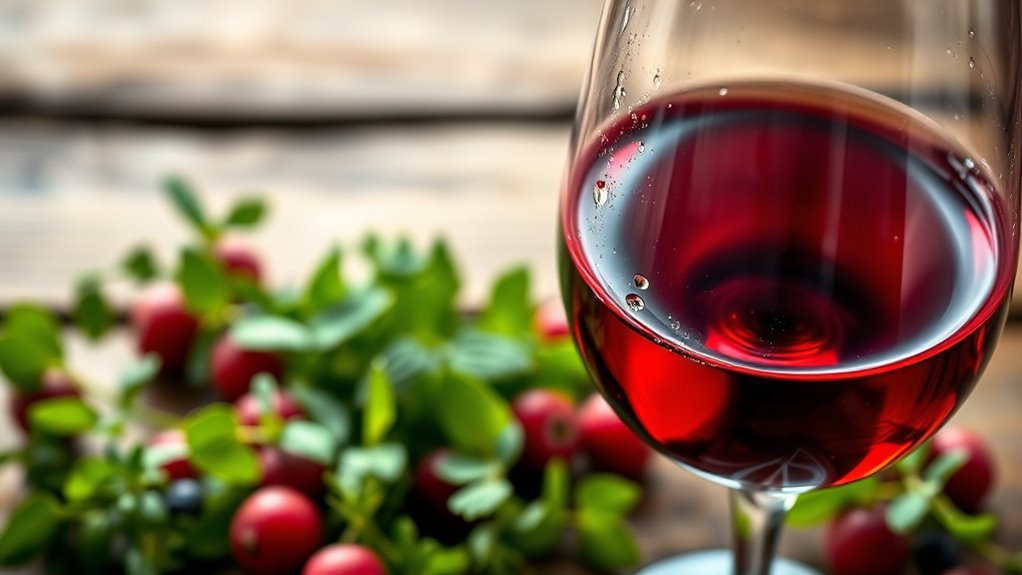
Understanding the types of wine available can greatly impact your keto journey. Red wine, often lower in carbs, can be a great option, while white wine typically varies in sugar content. Sparkling wine, like prosecco, can also fit into your keto lifestyle if you choose carefully. Rosé wine offers a balance of flavors, but it’s crucial to check the specifics of each bottle. Organic wine might be a healthier choice, reflecting cleaner wine production practices. Explore different wine regions and their unique wine varieties, as they can influence carb levels and taste profiles. Whether you’re indulging in a wine tasting or enjoying a glass at home, being informed about wine styles will help you make choices that align with your keto goals.
Dry vs. Sweet Wines
When choosing between dry and sweet wines, it’s crucial to evaluate their sugar content and carbohydrate levels. Dry wines typically have lower residual sugar, making them more compatible with a keto diet, while sweet wines can contain considerably higher sugar and carbs. Understanding these differences can help you make informed choices that align with your dietary goals.
Sugar Content Comparison
Although many wine enthusiasts enjoy a variety of flavors, it’s essential to recognize how sugar content varies greatly between dry and sweet wines. Dry wines typically contain less residual sugar, often less than 1 gram per liter, making them more suitable for low-carb diets. In contrast, sweet wines can have notably higher sugar levels, sometimes exceeding 20 grams per liter, due to the fermentation process, where more sugars remain unconverted. If you’re on a keto diet, opting for dry wines is advisable. You might also consider wines that use sugar alternatives, which can offer a lower sugar option without sacrificing taste. Understanding these differences can help you make informed choices while still enjoying your wine.
Carbohydrates in Wines
The carbohydrate content in wine plays a notable role in determining its suitability for a keto diet. When considering wine types, dry wines typically have lower carbohydrate levels compared to sweet wines. For instance, a dry red or white wine can contain as little as 1-2 grams of carbs per glass, making it a better choice for keto enthusiasts. In contrast, sweet wines can have considerably higher carb counts, often exceeding 10 grams per glass due to their higher sugar content. This difference in carbohydrate sources is essential when you’re planning your meals and drinks on a keto diet. So, if you’re looking to indulge while staying in ketosis, opting for dry wines is your best bet.
Flavor Profiles Explained
While both dry and sweet wines have their unique appeal, understanding their flavor profiles can greatly enhance your tasting experience. Dry wines typically showcase higher wine acidity and complex flavor notes, allowing varietal characteristics to shine through. You’ll often find these wines offer rich aroma profiles, perfect for honing your tasting techniques. On the other hand, sweet wines tend to have lower acidity and a more straightforward sweetness that can delight your palate preferences. Exploring different wine regions can provide insight into how climate influences these profiles. Ultimately, whether you prefer the crispness of dry wines or the lush sweetness of dessert varieties, knowing these distinctions can elevate your wine tasting journey.
The Impact of Alcohol on Ketosis
When you consume alcohol, your body prioritizes metabolizing it over other sources of energy, which can affect your state of ketosis. It’s important to compare the carbohydrate content of different alcoholic beverages, as this can influence how your body responds. Understanding these factors can help you make informed choices about drinking while on a keto diet.
Alcohol Metabolism Process
Understanding how your body metabolizes alcohol is essential for anyone weighing a keto lifestyle, as it can greatly influence your state of ketosis. When you consume alcohol, your body prioritizes alcohol digestion over fat burning, which can temporarily halt ketosis. Here are three key points to weigh:
- Liver Processing: Your liver processes alcohol first, converting it to acetaldehyde, which can affect fat metabolism.
- Energy Source: The body uses alcohol as a quick energy source, potentially leading to increased fat storage if not managed.
- Impact on Ketosis: Alcohol consumption may lower your ketone levels, making it harder to maintain ketosis.
Being aware of these factors can help you make informed choices while enjoying your keto journey without sacrificing your freedom.
Carbohydrate Content Comparison
How do different alcoholic beverages stack up regarding carbohydrate content, and what does that mean for your ketogenic diet? When considering wine, dry varieties generally contain around 2-4 grams of carbs per glass, making them relatively keto-friendly. However, sweet wines can pack in 10 grams or more. Beer often has higher carb counts, averaging 10-15 grams. If you’re looking for wine alternatives or alcohol substitutes, spirits like vodka or whiskey have zero carbs, which could be a better option for maintaining ketosis. Always check labels, as flavored liquors can introduce hidden sugars. Balancing your beverage choices while enjoying freedom in your diet can help you stay aligned with your keto goals without sacrificing enjoyment.
Effects on Ketosis Levels
While enjoying a glass of wine might seem harmless on a ketogenic diet, it’s important to recognize that alcohol can significantly impact your ketosis levels. Here are three effects of wine consumption on your metabolism:
- Alcohol Metabolism: Your body prioritizes breaking down alcohol over fats, which can slow down ketosis.
- Blood Sugar Spikes: Some wines can cause fluctuations in blood sugar, potentially disrupting your ketogenic state.
- Caloric Intake: Wine adds extra calories that may lead to overeating, further complicating your metabolic goals.
Understanding these effects on metabolism can help you make informed choices. If you’re committed to staying in ketosis, moderation is key. Enjoying wine occasionally is possible, but be mindful of how it fits into your overall dietary strategy.
How to Enjoy Wine on a Keto Diet
If you’re following a keto diet and still want to enjoy a glass of wine, it’s important to choose wisely. Opt for dry wines, as they’re typically lower in sugar and carbs. Look for options like Cabernet Sauvignon, Merlot, or Sauvignon Blanc, which often fit within your keto lifestyle. Always check the label for carb content; aim for wines with less than 5 grams of carbs per serving. Moderation is key, so consider limiting your intake to one glass to maintain ketosis. Pair your wine with keto-friendly snacks like cheese or olives to enhance your experience. By making informed wine choices, you can savor your favorite drink while staying true to your dietary goals. Enjoy the freedom of balance!
Low-Carb Wine Brands to Consider
When exploring low-carb wine brands, it’s beneficial to know a few standout options that cater to your keto lifestyle. Here are some low carb options that you might find appealing:
- Dry Farm Wines – Known for their low-sugar, organic selections, these wines often have under 1 gram of carbs per glass.
- FitVine Wine – With less than 1 gram of sugar and a focus on clean ingredients, this brand is a great option for keto enthusiasts.
- Rombauer Vineyards – Offering a variety of wines, many of their dry reds and whites contain minimal carbs, making them solid wine recommendations.
These brands can enhance your wine experience while keeping your carb intake in check, allowing you to enjoy without compromise.
Pairing Wine With Keto-Friendly Foods
Pairing wine with keto-friendly foods can elevate your dining experience, as the right combinations enhance both flavors and textures. For those following a ketogenic diet, consider classic wine and cheese pairings. A sharp cheddar or creamy brie complements a full-bodied red, while a tangy goat cheese pairs beautifully with a crisp white.
Charcuterie pairings also shine on a keto menu; think cured meats like prosciutto or salami alongside a glass of dry rosé. These choices not only align with your low-carb lifestyle but also create a delightful tasting experience. Remember, the key is to balance the richness of the food with the wine’s acidity, allowing both to shine without overshadowing each other. Enjoy the freedom to explore these delicious combos!
Moderation: The Key to Enjoying Wine on Keto
While enjoying wine on a ketogenic diet can be a delightful experience, moderation is essential to maintain your low-carb goals. Here are three tips for mindful drinking:
- Track Your Wine Servings: Limit yourself to one or two servings to avoid excess carbs and calories.
- Choose Low-Carb Options: Opt for dry wines, as they typically have fewer sugars and carbs compared to sweet varieties.
- Stay Hydrated: Drink water alongside your wine to help manage your intake and reduce any hangover effects.
Frequently Asked Questions about Wine and the Keto Diet
Is wine keto-friendly?
Yes, wine can be keto-friendly, especially dry wines that are lower in sugar and carbs. Dry red and white wines typically contain about 2-4 grams of carbs per glass, making them a suitable choice for those following a ketogenic diet. However, it’s essential to choose wines with lower residual sugar and to moderate your intake.
What types of wine are best for a keto diet?
The best types of wine for a keto diet are dry wines. Examples include Sauvignon Blanc, Chardonnay, Pinot Grigio, Cabernet Sauvignon, and Merlot. These wines usually have lower sugar content. Sweet wines and dessert wines, on the other hand, tend to have higher sugar levels and should be avoided.
How many carbs are in a glass of wine?
A typical glass (5 oz) of dry wine contains between 2 to 4 grams of carbohydrates. However, the exact amount can vary by brand and type, so it’s advisable to check the label. In contrast, sweet wines can contain 10 grams of carbs or more per glass, which may not be suitable for a keto diet.
Can I drink wine while on a keto diet?
Yes, you can drink wine while on a keto diet, but moderation is key. It’s best to limit your consumption to one or two glasses to stay within your daily carb limit. Always choose dry wines and be mindful of how wine fits into your overall macro goals for the day.
What should I avoid when drinking wine on keto?
When drinking wine on a keto diet, you should avoid sweet wines, dessert wines, and any wine-based cocktails that include sugary mixers. Additionally, be cautious of wine brands that do not disclose their sugar content, as hidden sugars can spike your carb intake. Always prioritize low-carb options and enjoy wine in moderation.
References
- https://www.health.harvard.edu/staying-healthy/the-ketogenic-diet
- https://www.ncbi.nlm.nih.gov/pmc/articles/PMC6837325/
- https://www.eatright.org/health/wellness/healthy-lifestyle/the-ketogenic-diet
- https://www.cdc.gov/healthyweight/healthy_eating/index.html
- https://www.webmd.com/diet/obesity/how-ketogenic-diet-works
- https://www.mayoclinic.org/healthy-lifestyle/nutrition-and-healthy-eating/expert-answers/keto-diet/faq-20449884
- https://www.thekitchn.com/a-complete-guide-to-the-keto-diet-229027
- https://www.healthline.com/nutrition/keto-diet-foods#alcohol
- https://www.verywellfit.com/the-keto-diet-4175429