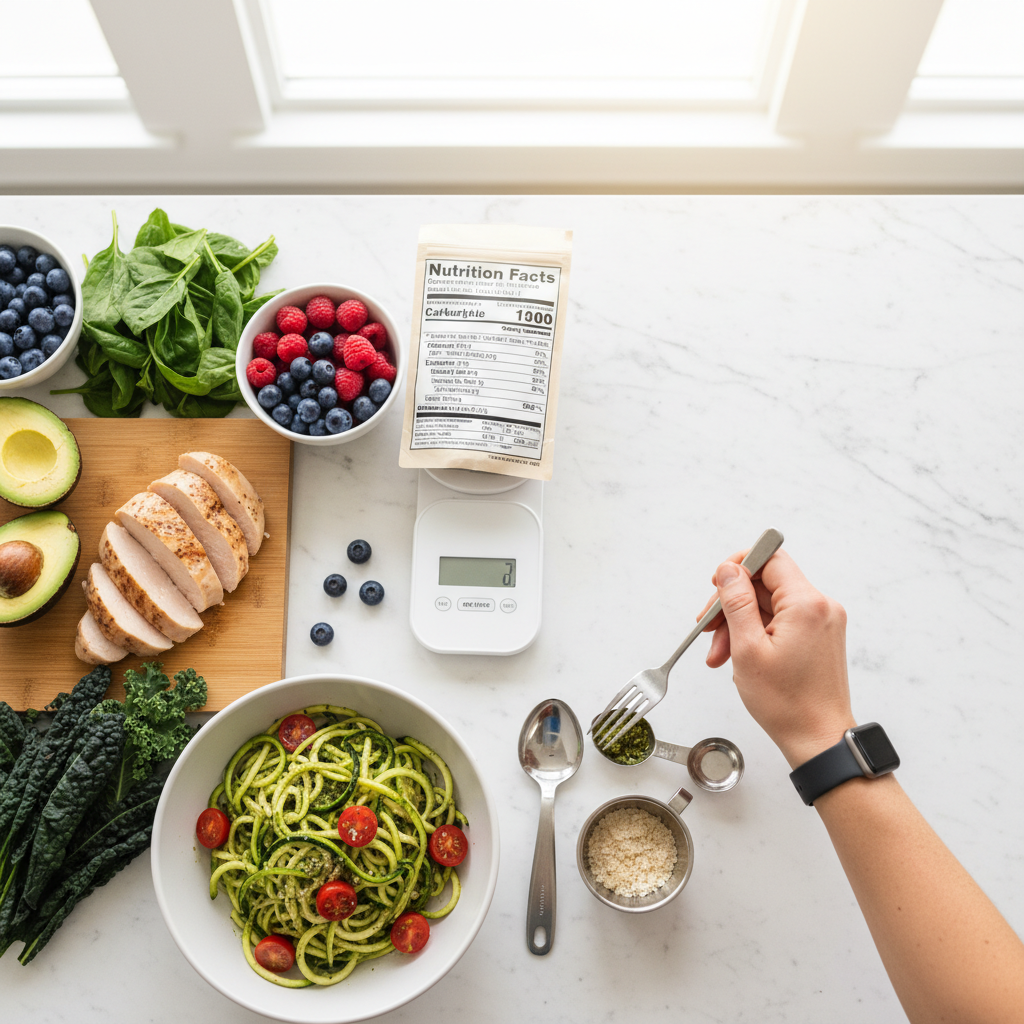

The keto diet is inherently gluten-free, as it emphasizes low-carb, high-fat foods that typically do not contain gluten. However, it’s essential to be cautious about certain food choices and ingredients that may sneak gluten into your meals. In this article, we’ll explore the relationship between the keto diet and gluten, ensuring you can navigate your dietary choices effectively.
What is the Keto Diet?
The keto diet, short for ketogenic diet, is a dietary approach that significantly reduces carbohydrate intake while increasing fat consumption. This low-carb strategy aims to induce a metabolic state known as ketosis, where the body shifts from using glucose for energy to burning fat. Typically, the macronutrient breakdown of a standard keto diet consists of about 70-75% fat, 20-25% protein, and only 5-10% carbohydrates.
The high-fat consumption on the keto diet emphasizes healthy fats from sources such as avocados, nuts, seeds, olive oil, and fatty fish. This shift not only supports weight loss but also has been associated with improved mental clarity, increased energy levels, and better control of blood sugar levels. Understanding these foundational principles of the keto diet allows individuals to make informed dietary choices that align with their health goals.
Understanding Gluten
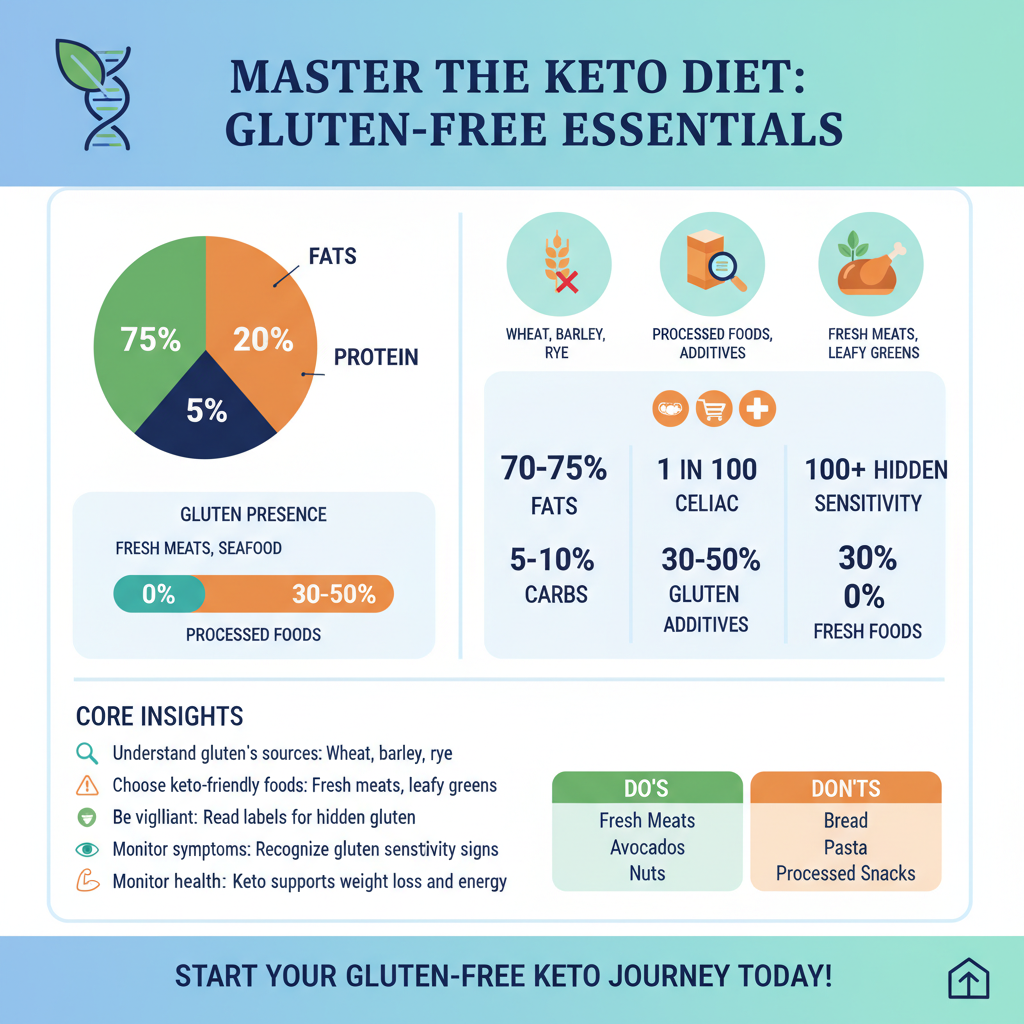
Gluten is a protein found in grains such as wheat, barley, and rye. It is primarily responsible for the elasticity and chewiness of bread and other baked goods. For individuals with celiac disease—a serious autoimmune disorder—consumption of gluten can lead to severe health consequences, including damage to the small intestine. Additionally, some people may experience non-celiac gluten sensitivity, where gluten causes discomfort and adverse symptoms without the autoimmune response.
Common sources of gluten include a variety of everyday foods, such as breads, pasta, cereals, and many processed foods that may contain gluten as a stabilizer or thickening agent. Given the prevalence of gluten in many diets, it’s critical for those following a gluten-free or keto lifestyle to be vigilant about their food choices to avoid unintentional gluten consumption.
Keto-Friendly Foods Without Gluten
When following a keto diet, there are numerous food options that are naturally gluten-free. Fresh meats, poultry, and seafood are prime examples, as they do not contain gluten and are excellent sources of protein and healthy fats. For instance, grilled salmon paired with a side of sautéed leafy greens can serve as a delicious and nutrient-dense meal.
Vegetables also play a significant role in a gluten-free keto diet. Non-starchy vegetables, such as leafy greens (spinach, kale), broccoli, cauliflower, zucchini, and bell peppers, are low in carbohydrates and rich in vitamins and minerals. Incorporating these vegetables into meals not only helps maintain ketosis but also ensures a well-rounded intake of essential nutrients.
In addition to whole foods, there are various gluten-free alternatives available, such as almond flour and coconut flour, which can be used in baking or cooking. These substitutes allow for the preparation of keto-friendly snacks and desserts without the risk of gluten exposure.
Potential Gluten Sources in Keto Diet
While the keto diet can be gluten-free, certain pitfalls can lead to unintended gluten consumption. One significant source is processed keto products. While many companies market low-carb snacks, bars, and baked goods as keto-friendly, they can still contain gluten. Ingredients like wheat protein or malt extract—common in processed foods—can introduce gluten into your diet. Therefore, it is crucial to always read labels and choose products that are certified gluten-free.
Another potential source of gluten exposure is cross-contamination. When dining out or purchasing pre-packaged foods, there is always a risk that gluten-containing products were prepared or packaged in the same facility. For instance, a restaurant that serves both gluten-free and gluten-containing dishes might use the same cooking equipment, increasing the risk of gluten exposure. Asking about food preparation methods and ensuring restaurants understand your dietary restrictions can help mitigate this risk.
Tips for Maintaining a Gluten-Free Keto Diet
To successfully maintain a gluten-free keto diet, meal preparation is key. Preparing meals at home allows you to have complete control over the ingredients, minimizing the risk of gluten exposure. By planning meals ahead of time and cooking in bulk, you can ensure that your meals align with both keto and gluten-free guidelines.
Additionally, reading labels carefully is critical when shopping for groceries. Look for products that are labeled as “certified gluten-free,” which indicates that they have undergone testing to ensure they contain no gluten. This diligence also extends to condiments and sauces, as many may contain hidden gluten ingredients.
When dining out, consider choosing establishments that specialize in gluten-free options or have clear protocols for preventing cross-contamination. Communication with restaurant staff about your dietary restrictions can help ensure a safer dining experience.
Common Misconceptions About Keto and Gluten
Several misconceptions can lead to confusion regarding the keto diet and gluten. One common misunderstanding is regarding gluten-free grains. While some grains, such as quinoa or oats, may be considered healthy in other diets, they are not typically low in carbohydrates and may not align with keto principles. Furthermore, even gluten-free grains can pose a risk of gluten contamination if not sourced correctly.
Another misconception is the belief that all keto foods are inherently gluten-free. Despite the emphasis on low-carb foods, many commercially available keto snacks and meals may still contain gluten. It is essential to approach products labeled as keto with the same caution as any other processed food, ensuring that they meet both your carb and gluten-free criteria.
The key takeaway is that while the keto diet can be gluten-free, it requires awareness and diligence in food selection and preparation.
The keto diet can be a gluten-free eating plan with some careful consideration. By focusing on whole, unprocessed foods and being aware of potential gluten sources, you can enjoy the benefits of this low-carb lifestyle without the complications of gluten. Whether you’re managing a gluten sensitivity or simply aiming for a healthier diet, make informed choices to ensure your meals support your health goals. Embracing this dietary approach with the right knowledge and strategies can lead to a fulfilling and health-enhancing experience.
Frequently Asked Questions
Is the keto diet inherently gluten-free?
Yes, the ketogenic (keto) diet is inherently gluten-free because it primarily focuses on low-carbohydrate, high-fat foods that do not include gluten-containing grains like wheat, barley, and rye. Common keto foods such as meats, fish, eggs, dairy, non-starchy vegetables, nuts, and healthy fats are all naturally gluten-free. However, it’s important to check labels for processed or packaged foods to ensure they don’t contain gluten or cross-contaminants.
What are some gluten-free keto-friendly foods I can eat?
There are numerous gluten-free keto-friendly foods available. Some great options include avocados, leafy greens, cauliflower, zucchini, eggs, grass-fed meats, fatty fish, and full-fat dairy products like cheese and cream. Additionally, nuts and seeds such as almonds, walnuts, and chia seeds can be excellent snacks or ingredients in keto recipes.
How can I ensure my keto diet remains gluten-free while eating out?
To maintain a gluten-free keto diet while dining out, opt for grilled or roasted meats and seafood, salads without croutons, and vegetable sides. Always communicate your dietary restrictions to the restaurant staff and inquire about preparation methods to avoid cross-contact with gluten-containing foods. Many restaurants now offer gluten-free options, so looking for those can help you enjoy your meal without compromising your diet.
Why is gluten-free important on a keto diet for those with sensitivities?
For individuals with gluten sensitivities or celiac disease, maintaining a gluten-free diet is crucial to avoid adverse health effects. Consuming gluten can lead to inflammation, digestive issues, and other serious symptoms. Since the keto diet limits carbohydrates, it naturally excludes gluten-containing grains, making it easier for those with such sensitivities to adhere to their dietary needs while benefiting from the weight loss and health improvements associated with keto.
Which are the best gluten-free substitutes for common keto ingredients?
The best gluten-free substitutes for common keto ingredients include using almond flour or coconut flour instead of traditional wheat flour for baking and cooking. For pasta, spiralized vegetables like zucchini (zoodles) or shirataki noodles can be excellent alternatives. Additionally, cauliflower rice can be used in place of regular rice, allowing you to enjoy your favorite dishes while staying compliant with both keto and gluten-free guidelines.
References
- https://www.healthline.com/nutrition/keto-diet-and-gluten
- https://www.ncbi.nlm.nih.gov/pmc/articles/PMC7020809/
- https://www.reuters.com/article/us-health-keto-diet-idUSKBN1WZ1AW
- https://www.cdc.gov/nutrition/about-nutrition/gluten-free.html
- https://www.mayoclinic.org/healthy-lifestyle/nutrition-and-healthy-eating/expert-answers/keto-diet/faq-20451146