

Kimchi can be considered keto-friendly due to its low carbohydrate content and high fiber, making it a suitable addition to a ketogenic diet. This traditional Korean dish, primarily made from fermented vegetables such as napa cabbage and radishes, offers a plethora of health benefits that align perfectly with keto principles. In this article, we will explore the nutritional profile of kimchi, its benefits for those on a keto diet, and how to effectively incorporate it into your meals to enhance your overall dietary experience.
Nutritional Profile of Kimchi
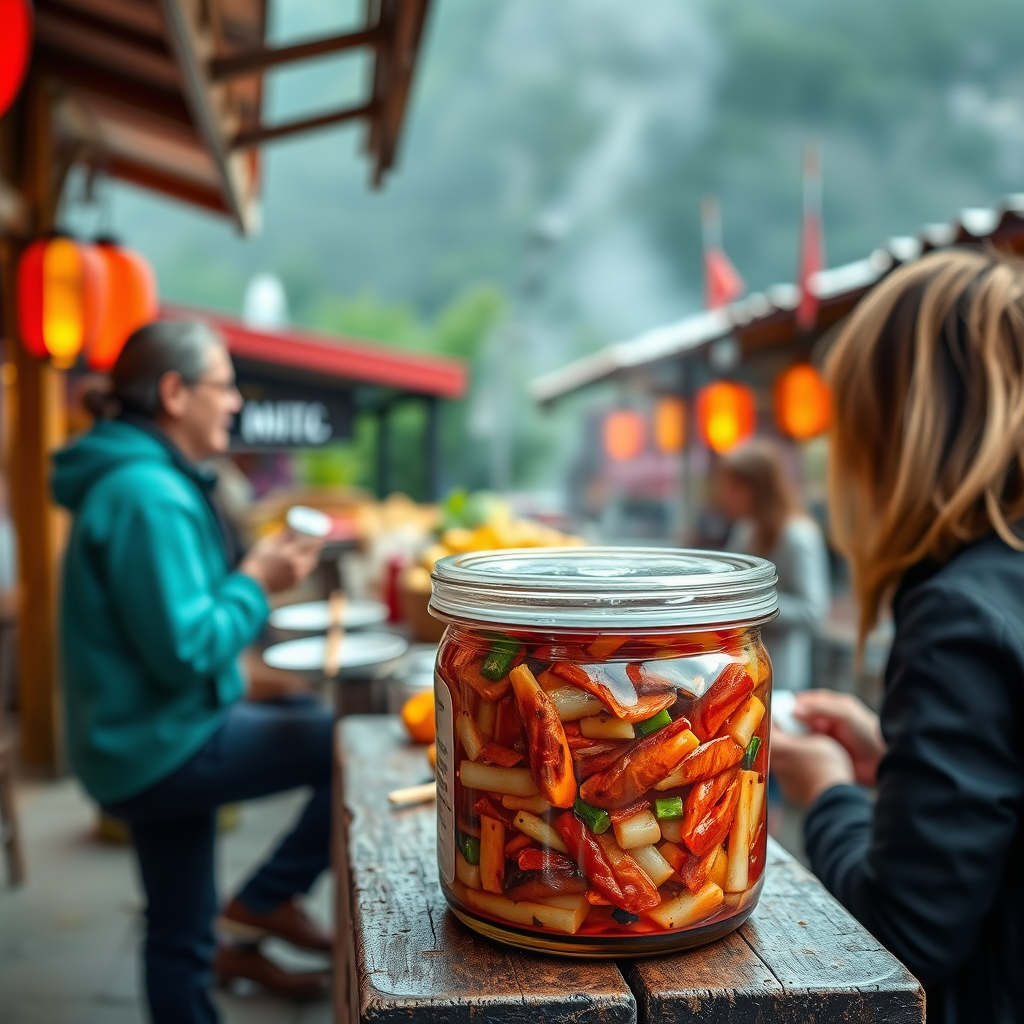
Kimchi is celebrated not only for its unique flavor but also for its impressive nutritional profile. A typical serving of kimchi contains about 1-2 grams of net carbs, which is significantly low compared to many other condiments and side dishes. This makes it an excellent option for those adhering to strict carbohydrate limits, as found in a ketogenic diet. In addition to being low in carbs, kimchi is rich in vitamins and minerals. It is particularly high in vitamin C, which boosts the immune system, and vitamin K, which is essential for blood clotting and bone health. Furthermore, kimchi contains potassium, an important mineral that helps regulate blood pressure and maintain fluid balance in the body.
The fermentation process not only preserves the vegetables but also enhances their nutritional value, making kimchi a powerhouse of nutrients that can complement a well-rounded keto diet.
Health Benefits of Kimchi
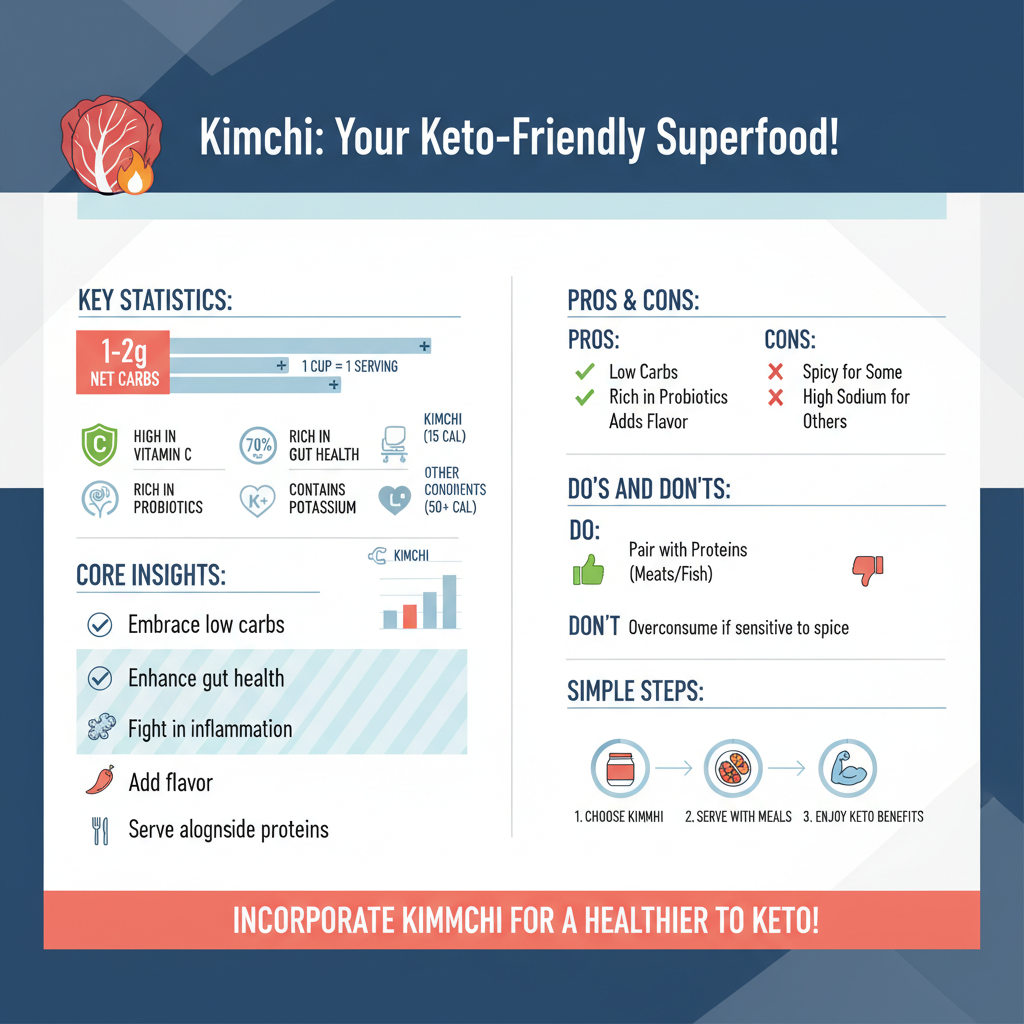
One of the standout features of kimchi is its probiotic properties. The fermentation process involved in making kimchi allows beneficial bacteria, such as Lactobacillus, to thrive. These probiotics promote gut health by supporting healthy digestion and contributing to a balanced microbiome. A healthy gut is crucial for overall well-being and can even enhance weight management efforts, making kimchi a strategic addition for those on a ketogenic journey.
Moreover, the ingredients found in kimchi, such as garlic and ginger, are known for their anti-inflammatory effects. Chronic inflammation has been linked to several health conditions, including obesity and metabolic syndrome. By incorporating anti-inflammatory foods like kimchi into your diet, you may help mitigate these risks while also enjoying the bold flavors it brings to your meals.
How to Incorporate Kimchi into a Keto Diet
Incorporating kimchi into your keto diet can be both easy and delicious. One of the simplest ways is to serve kimchi as a side dish alongside grilled meats or fish. The spicy, tangy flavor of kimchi complements the savory notes of protein-rich foods, elevating the overall dining experience.
Another creative way to include kimchi in your meals is by adding it to salads. Tossing kimchi into a fresh salad not only provides a spicy twist but also adds a satisfying crunch. You can create a vibrant salad with mixed greens, avocado, and a protein of choice, topped off with a generous serving of kimchi for a nourishing and filling dish.
Types of Kimchi Suitable for Keto
When exploring kimchi options, it’s essential to choose varieties that align with keto guidelines. Napa cabbage kimchi, the most common type, is low in carbs and widely available in both grocery stores and Asian markets. Its crunchy texture and bold flavors make it a versatile ingredient in various dishes.
Cucumber kimchi, another refreshing alternative, fits perfectly within keto parameters. This version is often lighter and can be enjoyed as a snack or added to meals for an extra layer of flavor. Both types are excellent choices for those seeking to maintain a low-carb lifestyle while enjoying the benefits of fermented foods.
Potential Concerns with Kimchi on Keto
While kimchi is largely beneficial, there are some potential concerns to consider when incorporating it into a keto diet. One of the most significant is its sodium content. Kimchi is often high in salt due to the fermentation process, which can be a concern for individuals watching their sodium intake. It is advisable to monitor your overall salt consumption, particularly if you have hypertension or other cardiovascular issues.
Additionally, some commercially-produced kimchi varieties may contain added sugars, which can increase their carbohydrate content. To avoid this, it’s crucial to read labels carefully and choose brands that use minimal or no added sugars. Alternatively, making your own kimchi at home allows you to control the ingredients and ensure it aligns perfectly with your dietary needs.
Recipes Featuring Kimchi for Keto Dieters
Exploring various recipes featuring kimchi can help you enjoy its benefits while adhering to your keto diet. For instance, kimchi fried rice can be made with cauliflower rice as a low-carb base. Simply sauté cauliflower rice with vegetables, scrambled eggs, and a generous portion of kimchi for a delicious and satisfying meal.
Another flavorful option is kimchi soup, which can be made using bone broth for added nutrition. To prepare this dish, simmer kimchi with bone broth, tofu, and vegetables of your choice. This hearty soup not only warms you up but also provides a rich source of nutrients that support a healthy keto lifestyle.
Incorporating kimchi into your meals can be an exciting culinary journey, allowing you to explore flavors while sticking to your dietary goals.
By understanding the nutritional profile, health benefits, and various ways to incorporate kimchi into your meals, you can effectively enhance your keto diet. Embrace the versatility of kimchi and consider trying different recipes to discover how this fermented delight can elevate your culinary experience while supporting your health.
In summary, kimchi is a low-carb, nutrient-dense food that can be a valuable addition to a ketogenic diet. Just be mindful of sodium levels and sugar content in certain varieties. Start experimenting with kimchi today and enjoy the delicious flavors and health benefits it has to offer!
Frequently Asked Questions
Is kimchi keto-friendly?
Yes, kimchi is generally considered keto-friendly due to its low carbohydrate content. A typical serving of kimchi contains around 1 to 2 grams of net carbs, making it a suitable option for those following a ketogenic diet. Additionally, kimchi is rich in probiotics and nutrients, which can support gut health, an important aspect of the keto lifestyle.
How many carbs are in kimchi?
The carbohydrate content in kimchi can vary depending on the ingredients and fermentation process, but most varieties contain about 1 to 2 grams of net carbs per serving (approximately 100 grams). This low carb count allows kimchi to fit easily into a keto diet, making it a great side dish or condiment for a variety of meals.
Why is kimchi beneficial for a ketogenic diet?
Kimchi is beneficial for a ketogenic diet because it is low in carbs while being high in vitamins, minerals, and probiotics. The fermentation process not only enhances its nutritional profile but also promotes gut health, which can be particularly beneficial for individuals on a keto diet who might experience digestive issues during the initial transition. Moreover, kimchi can add flavor and variety to meals without compromising carb limits.
What are the best ways to incorporate kimchi into a keto meal plan?
To incorporate kimchi into a keto meal plan, consider using it as a topping for grilled meats, adding it to stir-fries, or mixing it into salads for an extra kick of flavor. You can also enjoy kimchi as a side dish alongside eggs, avocado, and other low-carb foods. Its versatility makes it an excellent addition to many keto recipes, enhancing both taste and nutritional value.
Which types of kimchi are the best for a keto diet?
The best types of kimchi for a keto diet are those that contain minimal added sugars and focus on traditional ingredients like napa cabbage, radishes, garlic, and spices. Variants like baechu (cabbage) kimchi or kkakdugi (cubed radish) kimchi are often lower in carbs. Always check the nutrition label for any hidden sugars or high-carb ingredients to ensure it aligns with your keto goals.
References
- Kimchi
- https://www.ncbi.nlm.nih.gov/pmc/articles/PMC6464347/
- https://www.healthline.com/nutrition/what-is-kimchi
- https://www.ncbi.nlm.nih.gov/pmc/articles/PMC6464346/
- https://www.bbc.com/future/article/20200831-the-science-of-fermented-foods
- https://www.foodnetwork.com/how-to/articles/what-is-kimchi
- https://www.cdc.gov/foodsafety/communication/fermented-foods.html