

While keto rash can be uncomfortable and alarming, it is generally not considered dangerous. This skin condition, often experienced by individuals embarking on a ketogenic diet, is usually self-limiting and resolves with appropriate lifestyle modifications. However, understanding the underlying causes and managing symptoms effectively is essential for maintaining overall health and comfort during this dietary transition.
What is Keto Rash?

Keto rash, or prurigo pigmentosa, is a skin condition characterized by a red, itchy rash that typically appears in skin folds such as the armpits, groin, and neck. It often emerges as individuals initiate a ketogenic diet, which involves a significant shift in metabolism as the body transitions from burning carbohydrates to utilizing fats for energy. This metabolic shift can lead to the production of elevated levels of ketones, which some research suggests may contribute to skin reactions in susceptible individuals.
The appearance of keto rash can be alarming, especially for those new to the ketogenic lifestyle. While the rash is not harmful in most cases, it can be uncomfortable and may deter individuals from sticking with their dietary goals. Understanding what keto rash is and how it manifests is the first step in managing this condition effectively.
Causes of Keto Rash
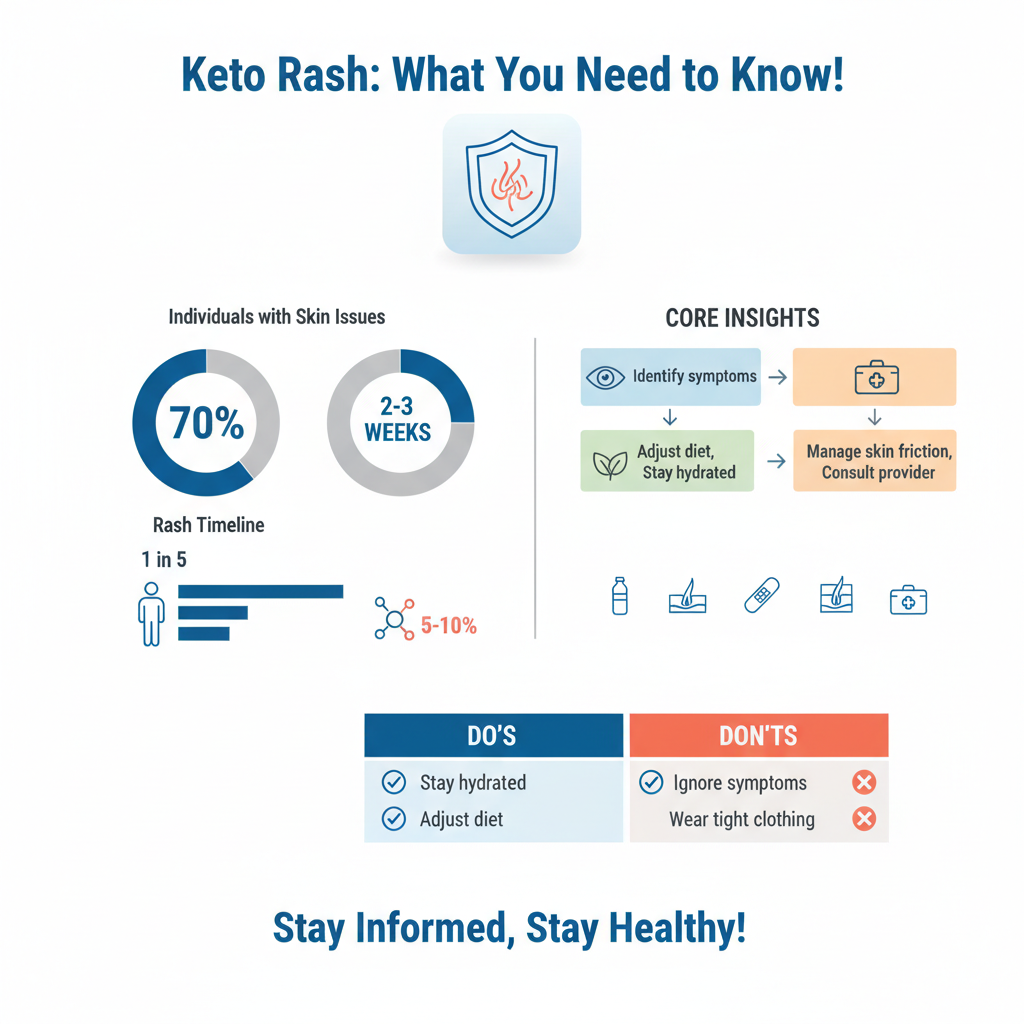

The exact cause of keto rash remains somewhat unclear, but several factors are believed to contribute to its development. One primary consideration is the elevated levels of ketones in the bloodstream during ketosis, which can lead to changes in fat metabolism and potential inflammation of the skin. Additionally, the ketogenic diet typically emphasizes high-fat foods, which may introduce allergens or irritants that can provoke a skin reaction in some individuals.
Dehydration is another factor often linked to keto rash. As the body adjusts to ketosis, fluid and electrolyte imbalances can occur, leading to dry skin and irritation. Furthermore, physical factors like skin friction from tight clothing, excessive sweating, or inadequate skin hygiene can exacerbate the condition. For some individuals, the rash may also be influenced by an allergic reaction to specific foods commonly consumed on a ketogenic diet, such as dairy or nuts.
Symptoms of Keto Rash
Keto rash can manifest in various ways, but common symptoms include red bumps or patches on the skin, intense itching, and discomfort. The rash often appears in areas prone to friction, such as the armpits, groin, and neck, where skin folds can trap moisture and heat. The severity of the rash can vary significantly; it may range from mild irritation to more pronounced skin changes that can impact the individual’s quality of life.
In some cases, keto rash may also present with a blistering or scaly appearance, leading to further distress for those experiencing it. It is essential to recognize that while the symptoms can be bothersome, they are typically not indicative of a severe underlying health issue.
Is Keto Rash Harmful?
Generally, keto rash is not harmful and tends to resolve on its own with appropriate dietary adjustments. Most individuals find that the rash diminishes as their bodies adapt to the ketogenic diet, typically within a few weeks. However, it is crucial to monitor the rash closely; persistent or severe cases may warrant medical attention to rule out other skin conditions such as eczema, contact dermatitis, or even infections.
If you notice that the rash is not improving despite home care measures or if it worsens, consulting a healthcare professional is advisable. They may recommend topical treatments, such as corticosteroids or antihistamines, to alleviate symptoms and ensure that there are no underlying issues that need to be addressed.
How to Manage and Prevent Keto Rash
Effective management and prevention of keto rash primarily involve hydration and skin care. Staying well-hydrated is crucial during the transition into ketosis, as it helps to mitigate dehydration and maintains skin elasticity. Aim to drink plenty of water throughout the day, and consider electrolyte supplementation if necessary to maintain a balanced intake of essential minerals.
Incorporating skin-friendly practices can also significantly reduce the risk of developing keto rash. Use gentle, fragrance-free soaps and moisturizers to avoid irritation, and consider wearing loose-fitting clothing that allows the skin to breathe. Additionally, maintaining good hygiene, particularly in areas prone to rashes, can help minimize the risk of irritation and infection.
Introducing new foods gradually into your diet can also help identify potential allergens. If you suspect that a specific food is causing your rash, consider eliminating it temporarily and observing whether symptoms improve.
When to Seek Medical Attention
If the rash persists despite home care and dietary changes, or if it worsens, it is essential to consult a healthcare professional. They can evaluate the rash and rule out other potential skin issues or allergies that may require targeted treatment. Early intervention can prevent complications and ensure that any underlying conditions are appropriately managed.
Be vigilant for signs of infection, such as increased redness, swelling, pus, or fever, which warrant immediate medical attention. Taking these steps will not only help address the rash but also contribute to your overall well-being while on a ketogenic diet.
Lifestyle Tips While on Keto
To minimize the likelihood of developing keto rash and to ensure a smoother transition into the ketogenic lifestyle, consider the following tips:
1. Gradual Transition: Instead of abruptly cutting out carbohydrates, gradually reduce your intake over a week or two. This can help your body adjust more comfortably to ketosis and may reduce the incidence of keto rash.
2. Balanced Nutrient Intake: Ensure that you are consuming a balanced diet rich in vitamins and minerals. This includes a variety of vegetables, healthy fats, and adequate protein. Nutritional deficiencies can exacerbate skin issues.
3. Consider Supplements: Depending on your dietary choices, you may want to consider supplements such as omega-3 fatty acids, magnesium, and electrolytes to support skin health and overall wellness.
4. Listen to Your Body: Pay attention to how your body responds to different foods and adjust your diet accordingly. If certain high-fat foods seem to trigger a rash, consider reducing or eliminating them from your meals.
Keto rash may cause discomfort, but it is typically not dangerous and can be managed effectively. If you’re experiencing this rash, consider making lifestyle changes to alleviate symptoms, and consult a healthcare professional if needed. Staying informed and proactive will help ensure your ketogenic journey remains a healthy one.
Frequently Asked Questions
What is keto rash and why does it occur?
Keto rash, also known as prurigo pigmentosa, is a skin condition that can develop in some individuals following a ketogenic diet. It typically presents as red, itchy, and inflamed bumps, often appearing on the torso, neck, and armpits. The rash is believed to occur due to a combination of factors, including ketosis-induced changes in the body’s metabolism, dehydration, and possible deficiencies in nutrients like electrolytes.
Is keto rash dangerous or harmful to my health?
While keto rash can be uncomfortable and unsightly, it is not considered dangerous or harmful to your overall health. The condition is generally temporary and resolves on its own once the body adjusts to the ketogenic diet. However, if the rash becomes severe or persistent, it’s advisable to consult a healthcare professional to rule out other skin conditions or allergic reactions.
How can I prevent keto rash while on a ketogenic diet?
To prevent keto rash, it’s essential to maintain proper hydration and ensure you’re getting adequate nutrients, particularly electrolytes like sodium, potassium, and magnesium. Gradually transitioning into a keto diet instead of making drastic changes can also help your body adapt better. Additionally, applying topical treatments like anti-itch cream or moisturizing regularly may alleviate symptoms if a rash does develop.
What are the best treatments for managing keto rash symptoms?
The best treatment for managing keto rash symptoms includes topical corticosteroids or over-the-counter anti-itch creams that can help reduce inflammation and itching. Keeping the affected area clean and well-moisturized is also crucial. If symptoms persist, consulting a healthcare provider for personalized treatment options, such as prescription-strength medications, may be beneficial.
Which dietary adjustments could help ease or eliminate keto rash?
To ease or eliminate keto rash, consider increasing your intake of nutrient-rich foods that provide essential vitamins and minerals, especially those high in antioxidants. Foods like leafy greens, avocados, and nuts can help support skin health. Additionally, ensuring a balanced intake of fats, proteins, and carbohydrates can help stabilize your body’s metabolism and potentially reduce the severity of the rash.