

The keto diet can be both beneficial and potentially risky for diabetics, as it may help stabilize blood sugar levels and assist with weight loss. However, it is crucial to approach this high-fat, low-carb diet with caution and under the supervision of a healthcare professional. In this article, we will explore the pros and cons of the keto diet specifically for those managing diabetes, providing a comprehensive overview of its impact on health.
Understanding the Keto Diet

The ketogenic (keto) diet is characterized by a high intake of fats, moderate consumption of proteins, and a severe restriction of carbohydrates. Typically, the macronutrient breakdown is around 70-75% fat, 20-25% protein, and only 5-10% carbohydrates. The primary goal of this diet is to shift the body’s metabolism from relying on glucose for energy to utilizing fat through a process known as ketosis. During ketosis, the liver converts fatty acids into ketones, which then serve as a vital energy source. This metabolic state can lead to decreased blood sugar levels, which is particularly relevant for individuals with diabetes, as it may contribute to better glycemic control.
Benefits of Keto for Diabetics
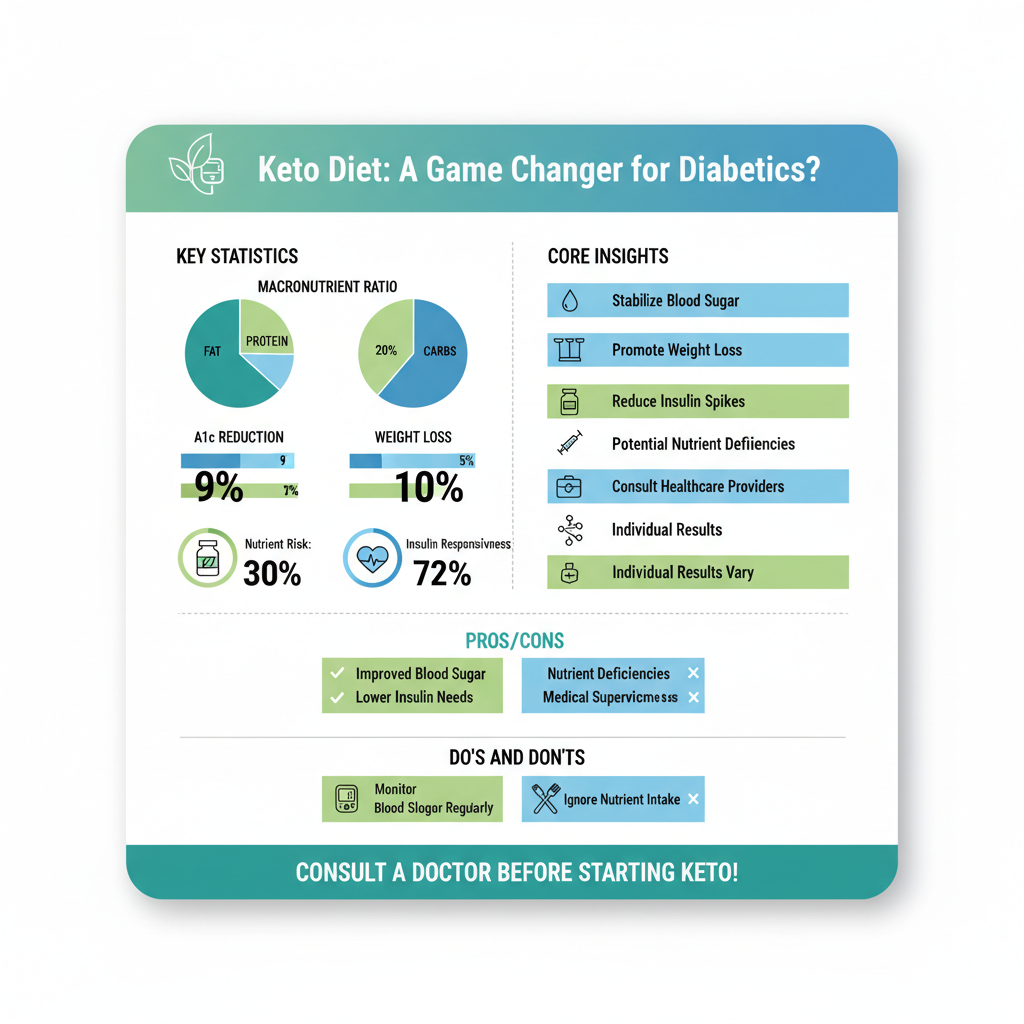

One of the most notable benefits of the keto diet for diabetics is its potential for improved blood sugar control. By significantly reducing carbohydrate intake, the diet may help lower insulin levels and reduce blood sugar spikes, which is essential for managing diabetes. A study published in the journal Diabetes Therapy indicated that participants following a keto diet experienced a substantial decrease in hemoglobin A1c levels, a key marker for long-term glucose control.
Additionally, the keto diet can promote weight loss, which is a critical factor for individuals with type 2 diabetes. Excess weight is often associated with insulin resistance, and losing even a small percentage of body weight can lead to significant improvements in insulin sensitivity and overall health. Many people on the keto diet report substantial weight loss within the first few months, contributing to better diabetes management and potentially reducing the risk of diabetes-related complications.
Risks and Considerations
Despite its potential benefits, the keto diet is not without risks, particularly for diabetics. One significant concern is the possibility of nutrient deficiencies due to the restrictive nature of the diet. Many fruits, vegetables, and whole grains that are rich in essential vitamins and minerals are eliminated or severely limited. Without careful planning, individuals may miss out on important nutrients such as fiber, vitamins A, C, and K, and various minerals necessary for overall health.
Another risk is the phenomenon known as the “keto flu,” which can occur during the initial stages of the diet. Individuals may experience symptoms such as fatigue, irritability, dizziness, and headache as their bodies adjust to ketosis. Additionally, the keto diet may lead to hypoglycemia (low blood sugar) in diabetics who are on medication, necessitating close monitoring of blood sugar levels and possible adjustments to medication dosages.
Monitoring Blood Sugar Levels
For diabetics on the keto diet, regular monitoring of blood sugar levels is paramount. The drastic reduction of carbohydrates can significantly alter insulin requirements and blood glucose readings. Individuals should use a glucose meter to check their levels frequently, particularly during the first few weeks of the diet, to prevent hypoglycemia. If blood sugar levels drop too low, it may be necessary to adjust the diet or medications accordingly.
Healthcare professionals often recommend setting specific blood sugar targets and creating a management plan tailored to individual needs. This proactive approach ensures that diabetics can safely navigate the dietary changes while minimizing the risks associated with both the diet and their condition.
Consulting Healthcare Professionals
Before embarking on the keto diet, it is essential for diabetics to consult with healthcare providers or registered dietitians. Professional guidance is critical for creating a personalized plan that accommodates individual health needs, preferences, and medical history. Dietitians can help identify which foods to include, how to maintain nutrient balance, and how to adjust medication as necessary.
Additionally, ongoing support from healthcare professionals can assist individuals in overcoming challenges and ensuring that the diet remains practical and sustainable. Regular check-ins can facilitate adjustments to the diet or treatment plan based on progress and health outcomes.
Success Stories and Case Studies
Numerous success stories highlight the potential benefits of the keto diet for diabetics. For example, a case study featured in the Journal of Diabetes Research described a 45-year-old woman with type 2 diabetes who adopted the keto diet. After just three months, she achieved a significant reduction in her A1c levels and lost over 25 pounds. She reported improved energy levels, better mood stability, and a decreased reliance on diabetes medication.
These personal accounts illustrate that with careful management and commitment, many diabetics can successfully integrate the keto diet into their lifestyle, leading to remarkable health improvements. However, it is essential to consider each individual’s unique circumstances, as results can vary widely.
Alternatives to the Keto Diet
While the keto diet may be effective for some diabetics, it is not the only dietary approach worth considering. Other options, such as the Mediterranean diet or low-glycemic index (GI) diets, have also shown promise in managing diabetes. The Mediterranean diet emphasizes whole grains, healthy fats (like olive oil), lean proteins, and plenty of fruits and vegetables, making it a well-rounded option that can support overall health and weight management.
Low-GI diets focus on choosing carbohydrates that release glucose more slowly into the bloodstream, which can help maintain stable blood sugar levels. Both alternatives offer flexibility and a broader range of foods compared to the restrictive nature of the keto diet, potentially making them easier to adhere to over the long term.
In conclusion, the keto diet can be a useful tool for managing diabetes, particularly for individuals aiming to improve blood sugar control and facilitate weight loss. However, it is essential to approach this dietary strategy thoughtfully and with professional guidance to ensure safety and effectiveness. For those considering the keto diet, consulting a healthcare professional is vital to determine if it aligns with personal health goals and overall well-being.
Frequently Asked Questions
Is the keto diet safe for diabetics?
The ketogenic diet can be safe for diabetics, particularly those with type 2 diabetes, as it often leads to improved blood sugar control and weight loss. However, it’s crucial for diabetics to consult with a healthcare professional before starting the diet, as the drastic reduction in carbohydrate intake can lead to hypoglycemia (low blood sugar), especially for those on insulin or certain diabetes medications.
How does the keto diet affect blood sugar levels in diabetics?
The keto diet can stabilize blood sugar levels in diabetics by significantly reducing carbohydrate intake, which is known to cause spikes in blood glucose. By replacing carbs with healthy fats and moderate protein, the body enters a state of ketosis, where it burns fat for energy instead of glucose, leading to more consistent and lower blood sugar levels.
What are the potential benefits of the keto diet for diabetics?
The potential benefits of the keto diet for diabetics include significant weight loss, improved insulin sensitivity, and better overall blood glucose management. Additionally, many individuals report increased energy levels and reduced cravings, which can further aid in maintaining healthy eating habits and lifestyle choices that support diabetes management.
Which foods should diabetics include in a keto diet?
Diabetics on a keto diet should focus on low-carb, high-fat foods that have a minimal impact on blood sugar levels. Ideal foods include non-starchy vegetables (like leafy greens and zucchini), healthy fats (such as avocados, olive oil, and nuts), and high-quality protein sources (like fish, eggs, and poultry). It’s important to avoid high-carb foods like grains, sugars, and starchy vegetables to maintain ketosis effectively.
Why might some diabetics struggle with the keto diet?
Some diabetics may struggle with the keto diet due to the initial adjustment period, commonly known as the “keto flu,” which can cause fatigue, irritability, and headaches as the body adapts to burning fat instead of carbs. Additionally, the strict carbohydrate restrictions can make it challenging to find suitable meal options, and individuals may also face social pressures or difficulty sustaining the diet long-term. Consulting with a dietitian can help overcome these challenges and ensure nutritional balance.
References
- https://www.ncbi.nlm.nih.gov/pmc/articles/PMC6520718/
- https://www.diabetes.org/healthy-living/recipes-nutrition/understanding-foods/keto-diet-diabetes
- https://www.cdc.gov/diabetes/basics/type2.html
- https://www.healthline.com/nutrition/keto-diet-and-diabetes
- https://www.webmd.com/diabetes/what-is-the-keto-diet
- https://www.mayoclinic.org/healthy-lifestyle/nutrition-and-healthy-eating/expert-answers/keto-diet-and-diabetes/faq-20472181
- https://www.hopkinsmedicine.org/health/wellness-and-prevention/the-ketogenic-diet-and-diabetes
- https://www.diabetes.org/research/research-news/keto-diet-what-you-need-know