

Keto bread can be a beneficial option for individuals with diabetes due to its low carbohydrate content, which aids in stabilizing blood sugar levels. Unlike traditional breads that can cause significant spikes in glucose, keto bread is formulated to fit within a ketogenic diet, emphasizing high-fat and low-carb ingredients. This article delves into the advantages of keto bread, its core ingredients, potential drawbacks, and how it stands up against traditional bread for those managing diabetes.
Understanding Keto Bread
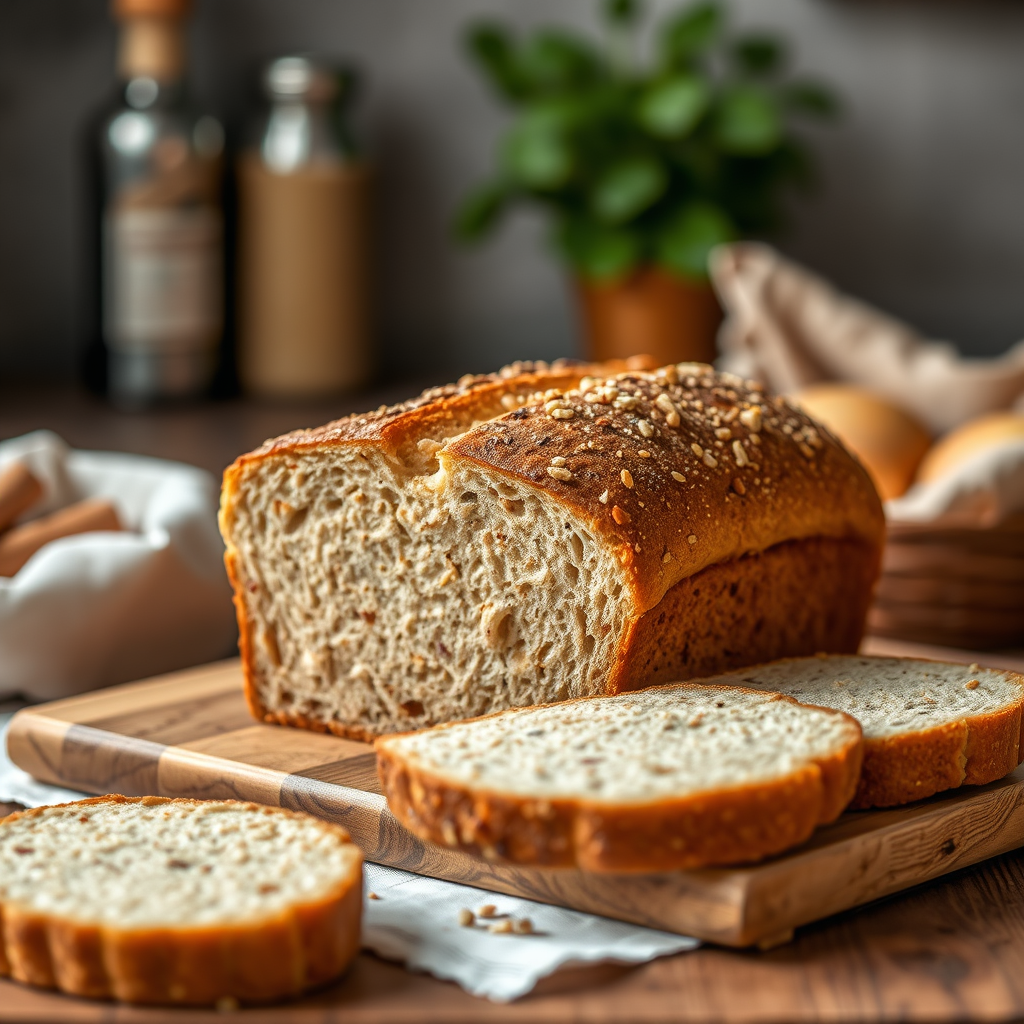
Keto bread is a unique alternative to conventional bread, primarily made from low-carb ingredients such as almond flour, coconut flour, or flaxseed meal. These ingredients are low in carbohydrates and high in healthy fats, aligning with the principles of a ketogenic diet, which is designed to promote ketosis—a metabolic state where the body burns fat for energy rather than carbohydrates. The primary goal of keto bread is to provide a satisfying bread-like experience while minimizing carbohydrate intake, making it a popular choice for those looking to manage their weight and blood sugar levels.
The base ingredients in keto bread not only contribute to its low carbohydrate profile but also offer a variety of nutrients that can be beneficial for overall health. By replacing high-glycemic traditional grains with these low-carb alternatives, individuals with diabetes can enjoy bread products without the adverse effects associated with conventional options.
Benefits of Keto Bread for Diabetics
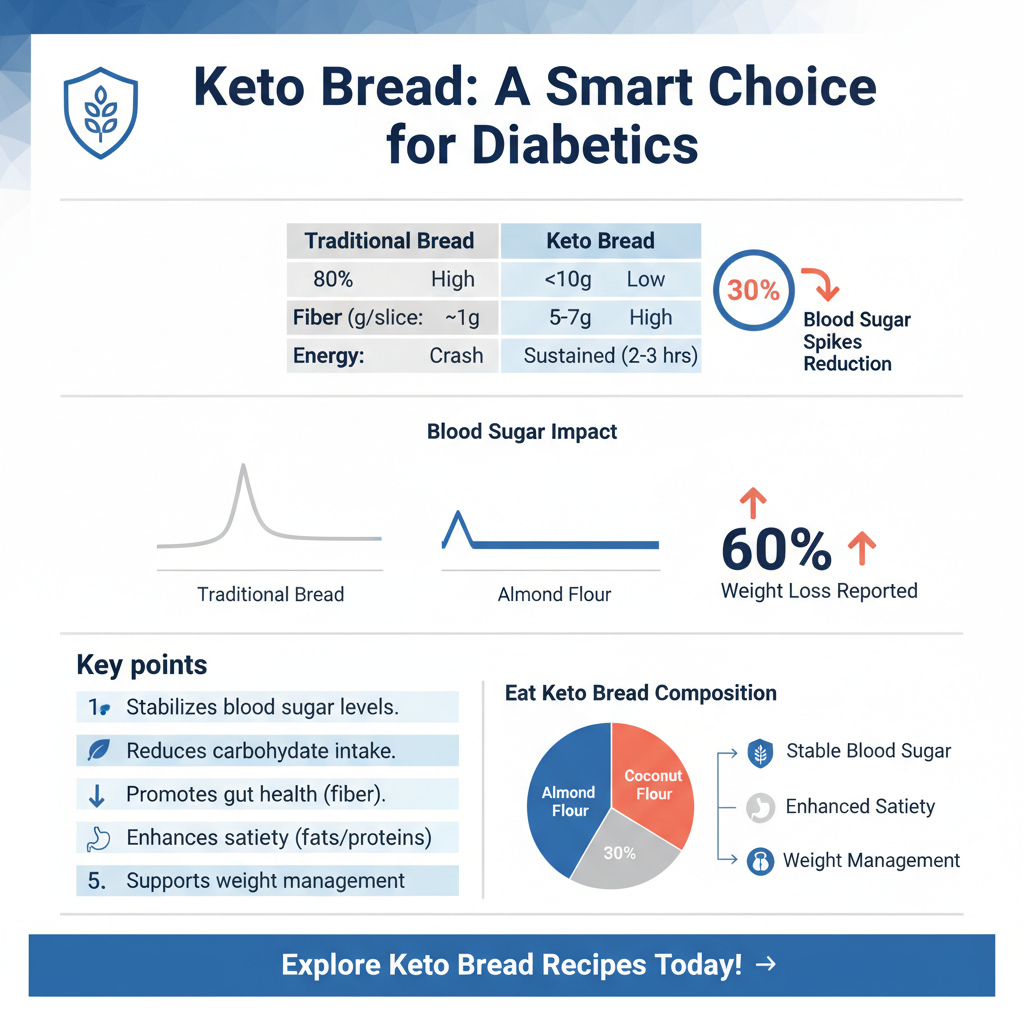

One of the most significant advantages of keto bread for people with diabetes is its lower carbohydrate content. Traditional breads, especially those made from wheat flour, can lead to rapid spikes in blood sugar levels. In contrast, keto bread typically contains significantly fewer carbs, which helps prevent these spikes and supports more stable blood sugar management throughout the day.
Additionally, many keto bread recipes incorporate ingredients that are high in dietary fiber, such as flaxseed meal or psyllium husk. Fiber plays a crucial role in digestion and can help improve gut health, as it promotes regular bowel movements and supports a balanced microbiome. For diabetics, fiber can also help regulate blood sugar levels by slowing down the absorption of sugar into the bloodstream, thereby minimizing post-meal blood sugar surges.
Moreover, keto bread often contains healthy fats and proteins, which can further enhance satiety and stabilize energy levels. This combination can be particularly useful for individuals with diabetes who need to manage their hunger and maintain consistent energy throughout the day.
Key Ingredients in Keto Bread
Keto bread is crafted from a variety of low-carb ingredients that contribute to its unique nutritional profile. Common components include almond flour, coconut flour, and flaxseed meal, all of which are rich in healthy fats and fiber. Almond flour, for instance, is lower in carbohydrates than wheat flour and provides essential nutrients such as vitamin E and magnesium. Coconut flour is similarly low in carbs and high in fiber, making it a suitable choice for those on a ketogenic diet.
Other ingredients often found in keto bread recipes include eggs and cheese. Eggs are a great source of protein and healthy fats, while cheese not only adds flavor but also provides additional protein and calcium. These ingredients work together to create a product that is not only low in carbs but also nutrient-dense, supporting better overall health and blood sugar management.
When considering pre-packaged keto breads, it’s important to examine the ingredient list closely. Some commercially available options may contain added sugars or unhealthy fats, which can negate the benefits of choosing a low-carb bread alternative.
Comparing Keto Bread to Traditional Bread
The contrast between keto bread and traditional bread is stark, particularly regarding their carbohydrate content. Traditional breads, particularly white and whole wheat varieties, are often high in simple carbohydrates that quickly convert to sugar in the body. This rapid conversion can lead to elevated blood sugar levels, which is a significant concern for individuals with diabetes.
In contrast, keto bread offers a satisfying alternative that can fulfill cravings without the same glycemic impact. For instance, a slice of traditional white bread may contain around 15 grams of carbohydrates, while a slice of keto bread can contain as little as 2-3 grams. This lower carbohydrate count allows individuals with diabetes to enjoy similar meal experiences without compromising their blood sugar control.
Furthermore, the high fiber content of keto bread helps in mitigating the blood sugar response that typically follows carbohydrate consumption. This means that individuals can enjoy sandwiches or toast while better managing their condition.
Considerations When Choosing Keto Bread
While keto bread presents many advantages, not all versions are created equal. It’s crucial for consumers to read labels carefully to ensure they are selecting a product that aligns with their dietary needs. Some keto breads may contain added sugars, preservatives, or unhealthy fats, which can undermine the benefits of a low-carb diet.
For those who are concerned about ingredient quality or want to customize their bread to suit their tastes and nutritional requirements, homemade keto bread may be the best option. By preparing bread at home, individuals can control the ingredients, ensuring that they are using high-quality, wholesome components that are beneficial for their health.
When choosing keto bread, it is also essential to consider personal tolerance to specific ingredients. Some individuals may experience digestive issues with certain types of flours, such as almond flour. Monitoring how one’s body responds to different ingredients can help tailor the diet to individual needs.
Tips for Incorporating Keto Bread into Your Diet
Incorporating keto bread into a diabetic-friendly diet can be simple and enjoyable. One effective strategy is to pair keto bread with high-protein spreads, such as nut butters or avocado, which can enhance satiety and provide a balanced meal. For example, a slice of keto bread topped with almond butter and chia seeds can create a nutritious breakfast or snack that helps stabilize blood sugar levels.
Keto bread can also serve as a versatile base for various meals. It can be used to create hearty sandwiches or toasted for a satisfying side with soups and salads. By using keto bread creatively, individuals can maintain their enjoyment of meals while adhering to their dietary requirements.
Additionally, experimenting with different recipes can reveal a range of textures and flavors that enhance the overall eating experience. From keto bagels to focaccia, the possibilities are vast, making it easier to include this low-carb alternative in everyday meals.
Potential Drawbacks of Keto Bread
Despite its many benefits, there are potential drawbacks to consider when incorporating keto bread into a diet. Some individuals may experience digestive discomfort due to certain ingredients commonly used in keto baking, particularly almond flour or coconut flour. These ingredients can be high in fiber, which, while beneficial in moderation, may cause gastrointestinal issues for some people, such as bloating or gas.
Another concern is that keto bread may not provide the same sensory satisfaction as traditional bread for certain individuals. The texture and flavor of keto bread can differ from what many are accustomed to, leading to a less fulfilling experience for those who enjoy the taste of traditional bread. This may result in cravings or dissatisfaction, prompting some to revert to higher-carb options.
Additionally, it’s important to remember that while keto bread can be a useful tool for managing diabetes, it should be consumed as part of a balanced diet. Relying solely on keto bread without considering overall dietary variety may lead to nutrient deficiencies over time.
Keto bread can be a valuable addition to a diabetic-friendly diet, offering a low-carb alternative that helps manage blood sugar levels. Its lower carbohydrate content, fiber-rich ingredients, and satisfying nature can make it an appealing choice for those looking to enjoy bread without the detrimental effects of traditional options. However, it’s crucial to consider individual responses to its ingredients and maintain a balanced approach to overall nutrition. Exploring different recipes and options, while consulting with a healthcare professional, can help individuals find the best choices for their dietary needs.
Frequently Asked Questions
Is keto bread suitable for people with diabetes?
Yes, keto bread can be suitable for people with diabetes, as it typically has a low carbohydrate content, which helps to maintain stable blood sugar levels. Unlike traditional bread made from wheat flour, keto bread often uses almond flour or coconut flour, which have a lower glycemic index and can minimize spikes in blood sugar. However, it’s essential to monitor individual responses and consult with a healthcare professional before incorporating it into your diet.
How does keto bread affect blood sugar levels in diabetics?
Keto bread generally has a lower glycemic index than regular bread, meaning it is less likely to cause rapid spikes in blood sugar levels. The high fiber content found in many keto bread recipes also contributes to a more gradual release of glucose into the bloodstream. However, it’s crucial for individuals with diabetes to test their blood sugar levels regularly after consuming keto bread to understand its impact on their unique metabolic response.
What are the best ingredients for making diabetic-friendly keto bread?
The best ingredients for diabetic-friendly keto bread include low-carb flours such as almond flour or coconut flour, which offer healthy fats and fiber. Adding ingredients like eggs, flaxseed meal, and psyllium husk can enhance the bread’s texture while keeping carbohydrate counts low. Additionally, using sugar substitutes such as erythritol or stevia can provide sweetness without raising blood sugar levels.
Why should someone with diabetes consider keto bread over regular bread?
Someone with diabetes should consider keto bread over regular bread primarily due to its lower carbohydrate content, which can help in better blood sugar management. Regular bread is often made from refined flour, leading to higher glycemic responses and potential weight gain. Keto bread, on the other hand, promotes a diet rich in healthy fats and proteins, which can support overall metabolic health and assist in weight management, crucial for diabetes control.
Which brands offer the best keto bread options for diabetics?
Some of the best brands offering keto bread options suitable for diabetics include “Bread SRSLY,” “Base Culture,” and “Keto Bread.” These brands typically provide gluten-free, low-carb alternatives that are high in fiber and healthy fats, making them ideal for blood sugar management. When choosing a brand, it’s essential to check the nutrition label for total carbohydrates and fiber content to ensure it aligns with your dietary needs.
References
- https://www.ncbi.nlm.nih.gov/pmc/articles/PMC7072314/
- https://www.diabetes.org/nutrition/healthy-foods/what-to-eat
- https://www.healthline.com/nutrition/keto-diet-for-diabetes
- https://www.webmd.com/diabetes/keto-diet-and-diabetes
- https://www.cdc.gov/diabetes/basics/food-nutrition.html
- https://www.jamanetwork.com/journals/jama/fullarticle/2737322
- https://www.mayoclinic.org/healthy-lifestyle/nutrition-and-healthy-eating/expert-answers/keto-diet-and-diabetes/faq-20462643