

The keto diet can indeed pose risks for kidney health, particularly for individuals with pre-existing kidney conditions. This article delves into the potential effects of a ketogenic diet on kidney function and provides essential insights for those contemplating or currently adhering to this dietary regimen.
Understanding the Keto Diet

The ketogenic diet, commonly known as the keto diet, is characterized by a high-fat, low-carbohydrate intake that encourages the body to enter a state of ketosis. In this metabolic state, the body shifts its primary energy source from carbohydrates to fats, leading to the production of ketones. While this dietary approach can facilitate rapid weight loss and improve certain health markers, it is also associated with potential drawbacks that warrant careful consideration, particularly regarding kidney health.
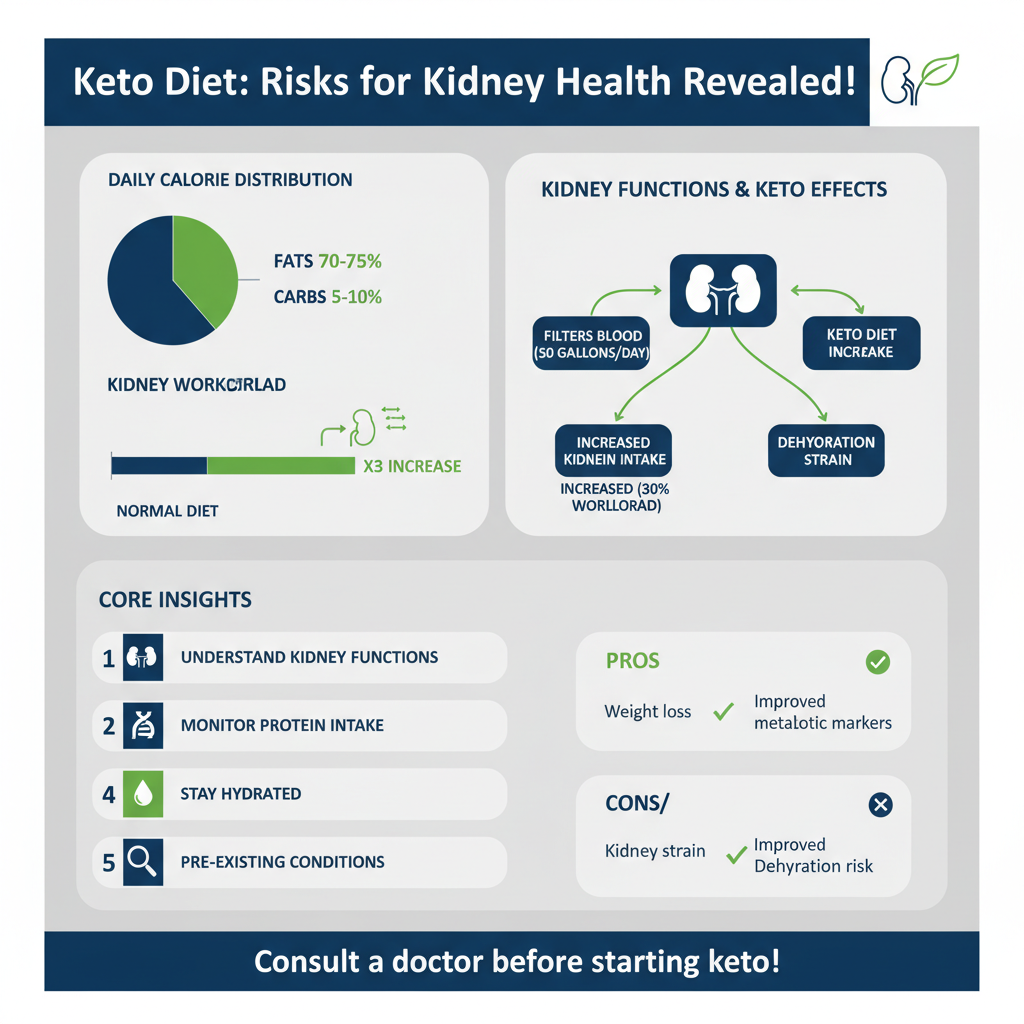
On a standard keto diet, approximately 70-75% of total daily calories come from fats, while carbohydrates make up only about 5-10%. This shift can result in significant weight loss and improvements in conditions such as type 2 diabetes and metabolic syndrome. However, the long-term effects on various organs, including the kidneys, remain a topic of ongoing research and debate.
Kidney Function and Health
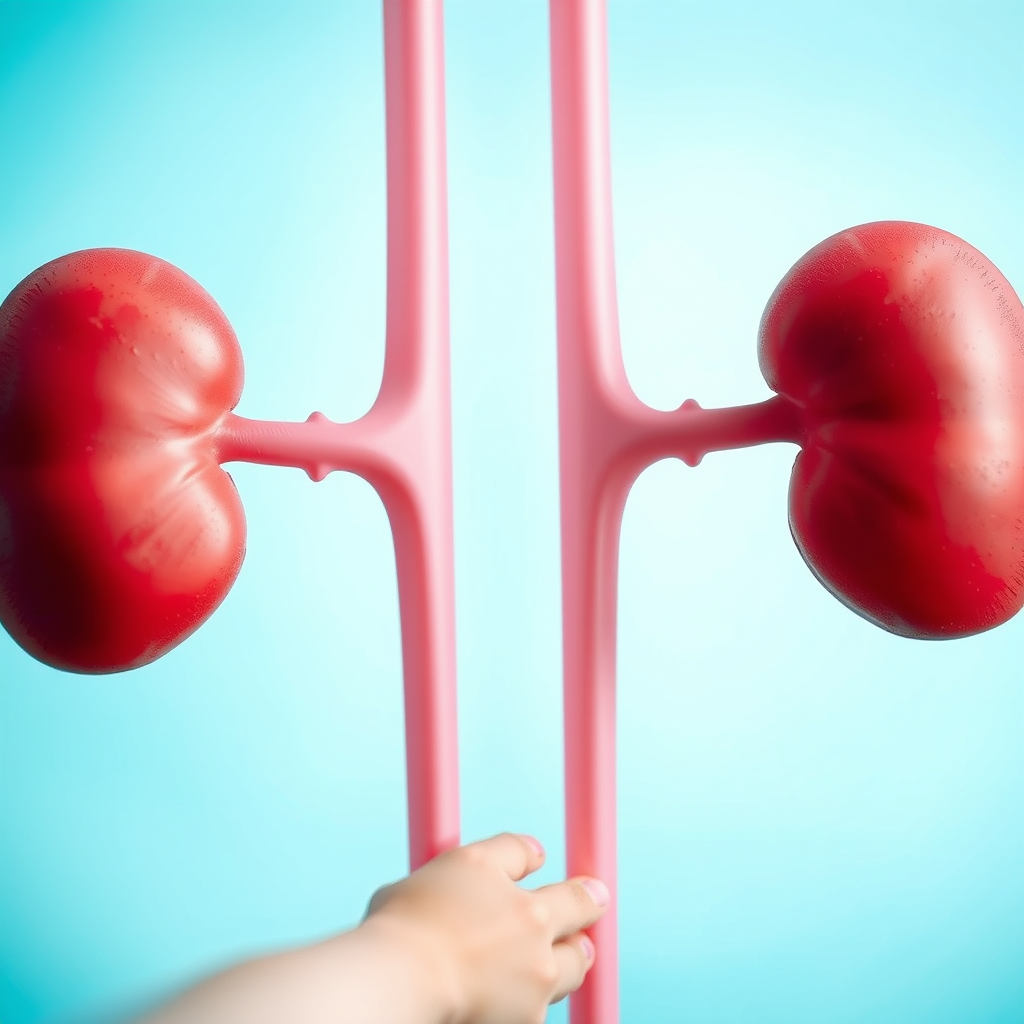
The kidneys are vital organs responsible for filtering waste products and excess substances from the bloodstream, thus playing a crucial role in maintaining the body’s homeostasis. They regulate fluid balance, electrolyte levels, and blood pressure while also producing hormones that are essential for red blood cell production and bone health. Understanding the intricate functions of the kidneys is essential for assessing how dietary changes, such as adopting a ketogenic lifestyle, may impact overall health.
The kidneys filter approximately 50 gallons of blood daily, removing toxins and waste through urine. Any alterations in diet that lead to increased metabolic byproducts, such as those associated with a high-fat intake, can challenge kidney function, particularly if the kidneys are already compromised due to underlying health issues.
Potential Risks of Keto for Kidneys
While the keto diet might offer benefits for weight loss and certain health conditions, it also carries potential risks, especially concerning kidney health. One of the primary concerns is the high protein intake often associated with the keto diet. Elevated protein consumption can place additional strain on the kidneys, particularly in individuals with existing kidney disease or reduced kidney function. When the body metabolizes protein, it produces waste products like urea, which the kidneys must filter out. For those with compromised kidney function, this increased workload can lead to further deterioration of kidney health.
Additionally, dehydration is a common issue for individuals on the keto diet. As the body transitions into ketosis, it tends to excrete more water and electrolytes, which can lead to dehydration if fluid intake is not adequately maintained. Dehydration can increase the risk of developing kidney stones, as concentrated urine can facilitate the crystallization of minerals.
Furthermore, some research suggests that the high levels of uric acid produced during ketosis may contribute to the formation of kidney stones, particularly in susceptible individuals. The increased excretion of uric acid and calcium through urine can create an environment conducive to stone formation, which can lead to pain and further renal complications.
Signs of Kidney Stress on Keto
It is essential to be vigilant for signs of kidney stress, especially when following a keto diet. Symptoms such as fatigue, swelling in the extremities, changes in urination frequency or volume, and persistent back pain can indicate potential kidney issues. These symptoms may arise due to the kidneys struggling to process increased waste products or due to fluid imbalances caused by dehydration.
Regular monitoring of kidney function through lab tests is advisable for individuals on the keto diet, particularly those with pre-existing kidney conditions or risk factors. Blood tests measuring creatinine levels and glomerular filtration rate (GFR) can provide crucial insights into kidney health. Additionally, urinalysis can detect abnormalities such as proteinuria, which may signify kidney stress or damage.
Engaging in proactive health measures, such as routine check-ups and open communication with healthcare providers, can help mitigate potential risks associated with the keto diet.
Recommendations for Safe Keto Practices
If you are considering the keto diet or are already following it, several recommendations can help ensure a safer approach to this dietary strategy. First and foremost, staying adequately hydrated is essential. Increasing your water intake can help counteract the dehydrating effects of ketosis and minimize the risk of kidney stones.
Additionally, consider incorporating electrolyte supplementation, particularly potassium, magnesium, and sodium, to maintain proper balance and support kidney function. These electrolytes can help mitigate the loss associated with the initial stages of the diet and ensure your body remains in equilibrium.
Monitoring protein intake is also crucial, especially for those with existing kidney concerns. While the keto diet can involve higher protein consumption, it may be beneficial to moderate protein intake to prevent excessive strain on the kidneys. Consulting with a healthcare professional or a registered dietitian can provide personalized guidance tailored to your health needs and dietary preferences.
Alternatives to Keto for Weight Loss
For individuals seeking weight loss without compromising kidney function, numerous dietary alternatives exist that may be gentler on the kidneys. The Mediterranean diet, for instance, emphasizes whole grains, healthy fats (such as olive oil), lean proteins, and an abundance of fruits and vegetables. This diet can promote weight loss while supporting overall health and wellness.
Similarly, plant-based diets focus on whole, minimally processed foods and can provide high fiber and low-fat options that are beneficial for weight management. These diets are often associated with lower risks of chronic diseases and can be easier on kidney function due to their lower protein content and emphasis on hydration through fruits and vegetables.
Incorporating a variety of dietary approaches can help individuals achieve their weight loss goals without the potential complications that may arise from more restrictive diets like keto.
The keto diet can negatively impact kidney health, particularly for individuals with existing conditions. It’s crucial to be aware of potential risks and manage dietary choices carefully. If you’re considering keto, consult a healthcare provider to ensure it’s safe for you. By understanding the implications of this diet and taking necessary precautions, individuals can make informed decisions about their dietary choices and overall health.
Frequently Asked Questions
Is the ketogenic diet safe for people with pre-existing kidney conditions?
The ketogenic diet may not be safe for individuals with pre-existing kidney conditions, such as chronic kidney disease (CKD). This diet typically involves high protein and fat intake, which can increase the burden on the kidneys. It’s essential for those with kidney issues to consult a healthcare professional before starting a keto diet to assess risks and tailor the diet according to their specific health needs.
How can the ketogenic diet affect kidney function in healthy individuals?
In healthy individuals, the ketogenic diet does not seem to have a significant negative impact on kidney function in the short term. However, high levels of protein and dehydration from ketosis can potentially lead to kidney stones or other complications over time. Staying hydrated and monitoring protein intake is crucial to prevent any adverse effects on kidney health while following a keto diet.
Why do some experts believe the keto diet might be harmful to kidney health?
Some experts express concerns that the ketogenic diet can be harmful to kidney health due to its high protein content and the risk of dehydration. As the body enters ketosis, it may produce more waste products, which can place additional stress on the kidneys. Furthermore, the diet may lead to a higher intake of oxalate-rich foods, increasing the risk of kidney stones, particularly in susceptible individuals.
What are the best practices for maintaining kidney health while on a ketogenic diet?
To maintain kidney health while on a ketogenic diet, it is crucial to stay well-hydrated, as proper hydration helps dilute the concentration of waste products. Additionally, individuals should monitor their protein intake, opting for high-quality protein sources, and include a variety of low-oxalate vegetables to reduce the risk of kidney stones. Regular check-ups with a healthcare provider can also help monitor kidney function and overall health while following this diet.
Which symptoms should I watch for that could indicate kidney problems while on a keto diet?
While on a ketogenic diet, watch for symptoms such as persistent fatigue, swelling in the legs or ankles, changes in urine output, or back pain, which could indicate kidney issues. Other warning signs include blood in urine and frequent urination, especially at night. If you experience any of these symptoms, it is important to consult a healthcare professional promptly to assess your kidney health and make necessary dietary adjustments.
References
- https://www.ncbi.nlm.nih.gov/pmc/articles/PMC7076610/
- https://www.kidney.org/atoz/content/keto-diet-kidney-health
- https://www.health.harvard.edu/staying-healthy/the-ketogenic-diet-and-kidney-health
- https://www.ncbi.nlm.nih.gov/pmc/articles/PMC6971617/
- https://www.bmj.com/content/369/bmj.m1942
- https://www.washingtonpost.com/health/2021/06/23/keto-diet-kidneys/