

Jello can be keto-friendly, but it largely depends on the ingredients used and the specific brand. While traditional Jello is often high in sugar, there are sugar-free options available that can fit into a ketogenic diet. In this article, we’ll explore the considerations for consuming Jello on keto, including alternatives and tips for enjoying this popular dessert.
Understanding Jello Ingredients
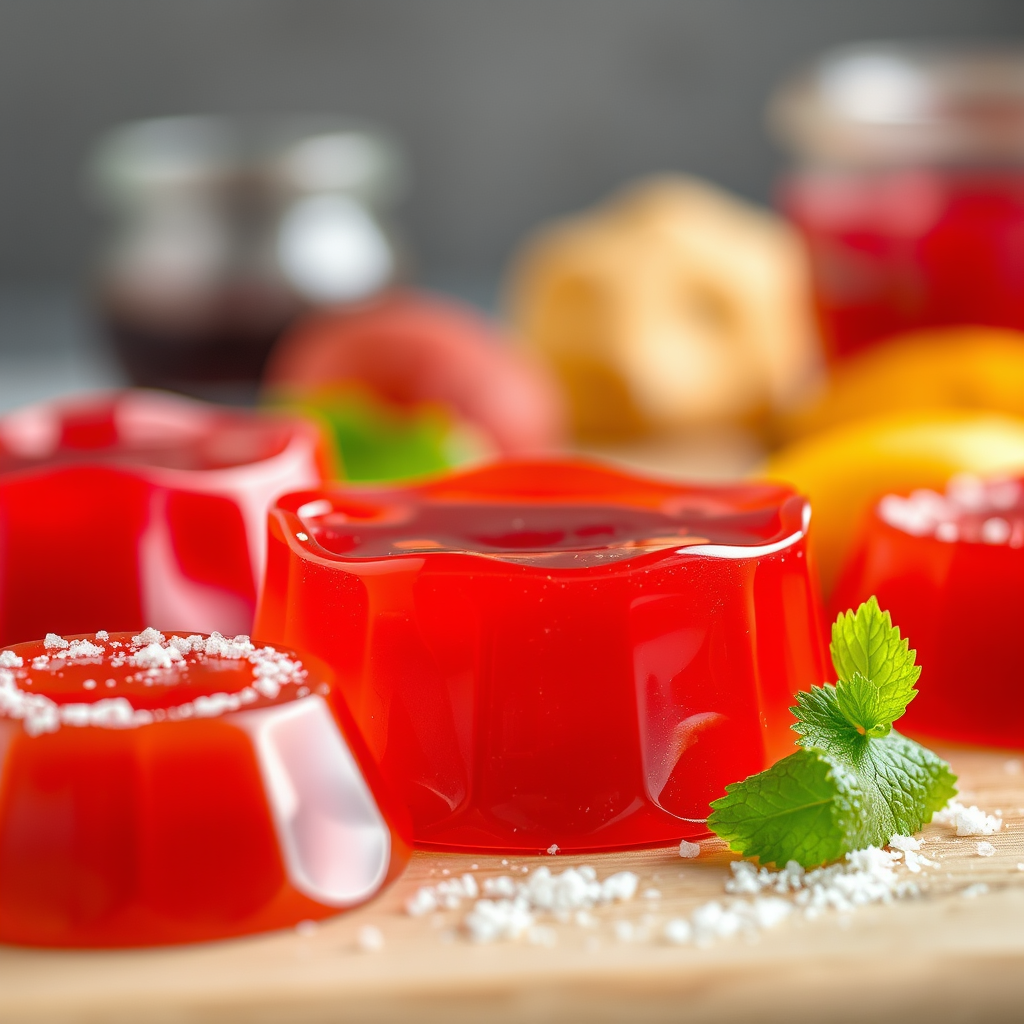
Most commercial Jello products contain sugar, a significant concern for those on a ketogenic diet, which typically restricts carbohydrate intake to less than 20-50 grams per day. Standard Jello formulations, such as those made by brands like Jell-O, can contain as much as 20 grams of sugar per serving, making them unsuitable for anyone aiming to maintain ketosis. However, sugar-free Jello options are widely available and typically use artificial sweeteners like aspartame or sucralose, which can be more compatible with a keto lifestyle. These sweeteners offer the sweetness of sugar without the associated carbohydrates, allowing individuals to indulge in a sweet treat without compromising their dietary goals.
It’s crucial to read ingredient labels carefully, as some sugar-free options may still contain small amounts of carbohydrates, often from added flavorings or thickeners. Furthermore, while artificial sweeteners are generally considered safe, individual responses can vary, necessitating a personalized approach to their consumption.
The Role of Carbohydrates in Keto
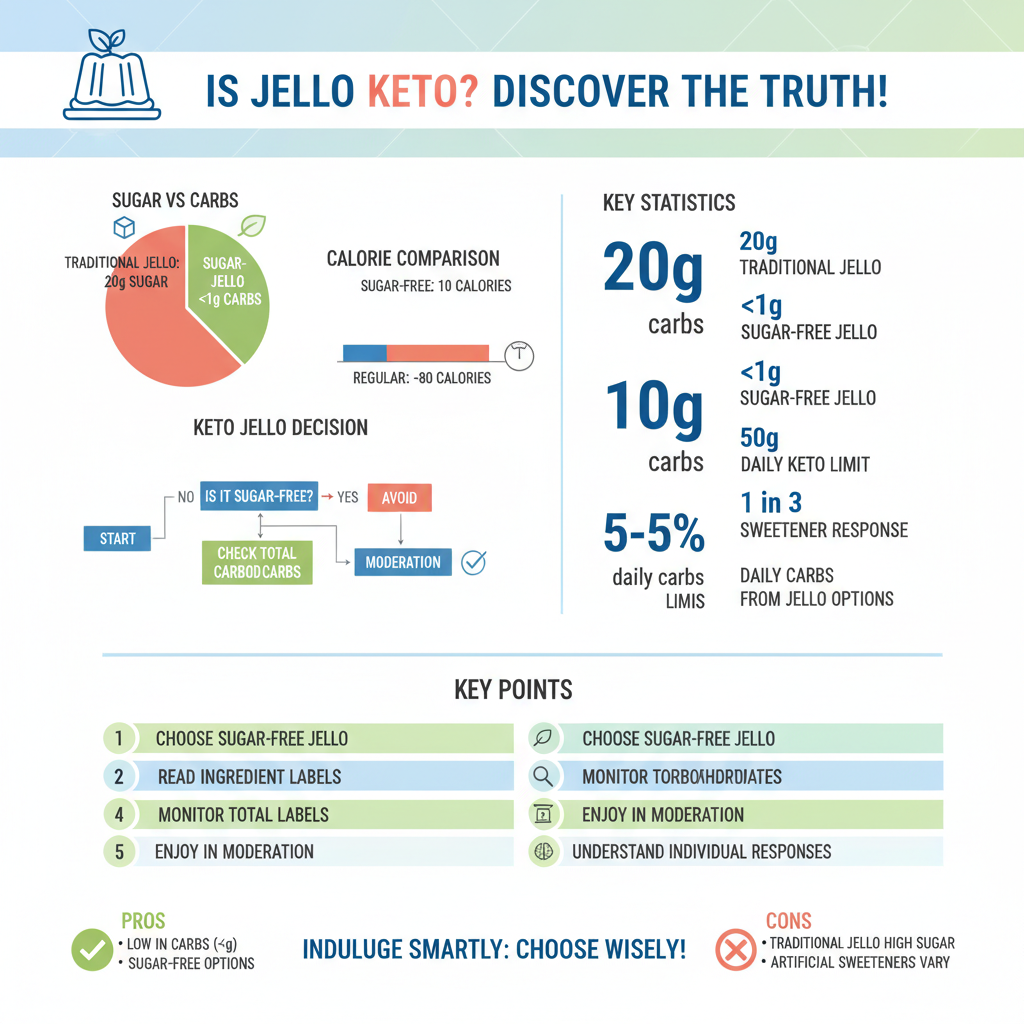
A ketogenic diet is fundamentally low in carbohydrates, designed to induce a metabolic state known as ketosis, where the body burns fat for fuel instead of carbohydrates. This state is achieved by drastically reducing carbohydrate intake and increasing fat consumption. Sugar-free Jello generally contains minimal carbohydrates, often less than 1 gram per serving, making it a potential option for those adhering to a strict low-carb regimen.
However, it is essential to consider the cumulative effect of all foods consumed during the day. While a single serving of sugar-free Jello may fit within daily carb limits, it is important to ensure that the total carbohydrate intake from all meals and snacks remains within the desired range to maintain ketosis.
Nutritional Breakdown of Jello Options
When evaluating the nutritional information of Jello, it is crucial to differentiate between traditional and sugar-free varieties. Regular Jello, as noted, can contain significant amounts of sugar and carbohydrates, while sugar-free options typically contain fewer than 1 gram of carbohydrates per serving. For example, Jell-O’s sugar-free gelatin has around 10 calories and negligible carbs per serving, making it a more viable choice for keto dieters.
The sweeteners used in sugar-free Jello can vary significantly. Common substitutes include aspartame, sucralose, and stevia. While aspartame and sucralose are low in calories and carbohydrates, some individuals may experience digestive discomfort or other side effects from consuming artificial sweeteners. Stevia, a natural sweetener derived from the leaves of the Stevia plant, is another option that may be more suitable for those seeking to avoid artificial ingredients. It is essential to monitor how your body reacts to these sweeteners and choose the type that aligns with both your dietary preferences and health goals.
Alternatives to Traditional Jello
For those looking to enjoy Jello while adhering to a ketogenic diet, homemade alternatives can provide a delicious and nutritious option. By using unflavored gelatin, which is carbohydrate-free, and combining it with keto-friendly ingredients like coconut milk or almond milk, you can create a rich, flavorful dessert. Additionally, natural sweeteners such as erythritol or monk fruit can be added to achieve the desired level of sweetness without the carbs.
Other low-carb dessert options that can replace Jello include chia seed pudding, which is rich in fiber and healthy fats, or mousse made with heavy cream and cocoa powder. These alternatives not only fit within a ketogenic framework but also ensure that you are consuming wholesome, nutrient-dense ingredients.
Tips for Including Jello in a Keto Diet
When considering Jello as part of your ketogenic diet, it’s crucial to keep portion sizes in mind. Even sugar-free options can contribute to your overall carbohydrate intake, so moderation is key. It’s advisable to check the total carbs in your daily meal plan and account for Jello accordingly.
To enhance the nutritional value of your Jello, consider combining it with other keto-friendly foods. For example, adding berries, such as raspberries or strawberries, can elevate the flavor while providing additional fiber and vitamins. Furthermore, incorporating whipped cream made from heavy whipping cream can add richness and increase the fat content of your dessert, aligning with the macronutrient ratios required for a ketogenic diet.
Potential Concerns with Jello on Keto
While sugar-free Jello can be a convenient treat for those on a ketogenic diet, there are potential concerns regarding the consumption of artificial sweeteners. Some studies suggest that these sweeteners may affect insulin sensitivity and gut health, although research is still ongoing. Additionally, individuals may have varying tolerances to specific sweeteners, necessitating careful monitoring of how your body responds to different types.
Another consideration is the presence of additives and preservatives in commercial Jello products, which may not align with a clean-eating philosophy. Therefore, opting for homemade Jello allows for greater control over the ingredients, ensuring that you can enjoy a treat without unwanted additives.
In summary, while traditional Jello is not keto-friendly due to its sugar content, sugar-free options can be suitable for those following a ketogenic diet. Always check labels for carb counts and consider making homemade versions for better control over ingredients. Enjoy Jello in moderation and explore creative ways to include it in your keto lifestyle!
Frequently Asked Questions
Is Jello keto-friendly for a low-carb diet?
Yes, Jello can be considered keto-friendly when made with sugar-free options. Traditional Jello is high in sugar and carbohydrates, which are not suitable for a ketogenic diet. However, sugar-free Jello contains minimal carbohydrates, typically around 1 gram per serving, making it a viable dessert option for those on a keto diet. Always check the label for net carbs to ensure it fits within your daily allowance.
How can I make homemade Jello that is keto-friendly?
To make homemade keto-friendly Jello, use sugar-free gelatin powder and a low-carb sweetener, such as erythritol or stevia. Dissolve the gelatin in hot water and mix in your choice of unsweetened fruit juice or flavored extracts while ensuring the total carbs remain low. This way, you can enjoy a delicious and satisfying dessert without compromising your keto lifestyle.
Why is regular Jello not suitable for a ketogenic diet?
Regular Jello is not suitable for a ketogenic diet primarily because it is typically made with added sugars, which significantly increase its carbohydrate content. A standard serving of regular Jello can contain anywhere from 10 to 15 grams of carbohydrates, which can quickly exceed the daily carb limit for those following a strict keto diet. Opting for sugar-free versions helps you avoid these excess carbs.
What are the best sugar substitutes to use in homemade keto Jello?
The best sugar substitutes for homemade keto Jello include erythritol, stevia, and monk fruit sweetener. These alternatives provide sweetness without the added carbohydrates found in sugar. Erythritol is particularly popular because it has a similar texture and sweetness level to sugar, making it a great choice for achieving the desired taste and consistency in your keto-friendly Jello.
Which brands offer keto-friendly Jello options?
Several brands offer keto-friendly Jello options, including Jell-O’s sugar-free line and Knox Gelatin. These products have low or zero sugar content and minimal carbohydrates, making them suitable for a ketogenic diet. Always verify the nutritional information on the packaging to ensure it meets your dietary needs and fits within your daily carbohydrate goals.
References
- https://www.healthline.com/nutrition/keto-jello
- https://www.medicalnewstoday.com/articles/327912
- https://www.thekitchn.com/jello-keto-friendly-22905059
- https://www.ncbi.nlm.nih.gov/pmc/articles/PMC6313445/
- https://www.webmd.com/diet/qa/is-jell-o-keto-friendly
- https://www.nutrition.gov/topics/nutrition-education/healthy-eating
- https://www.ketodietapp.com/Blog/post/Is-Jello-Keto-Friendly
- Everyday Health: Trusted Medical Information, Expert Health Advice, News, Tools, and Resources