


Hominy is generally not considered keto-friendly due to its higher carbohydrate content. While it can be enjoyed in moderation, those strictly adhering to a ketogenic diet should be cautious. The ketogenic diet, which emphasizes low carbohydrate intake to induce ketosis, makes it essential for dieters to evaluate the nutritional profile of foods closely. In this article, we will explore the nutritional breakdown of hominy, examine its carbohydrate content, compare it with other corn products, discuss its potential benefits, and suggest alternative options for those committed to a keto lifestyle.
Nutritional Breakdown of Hominy
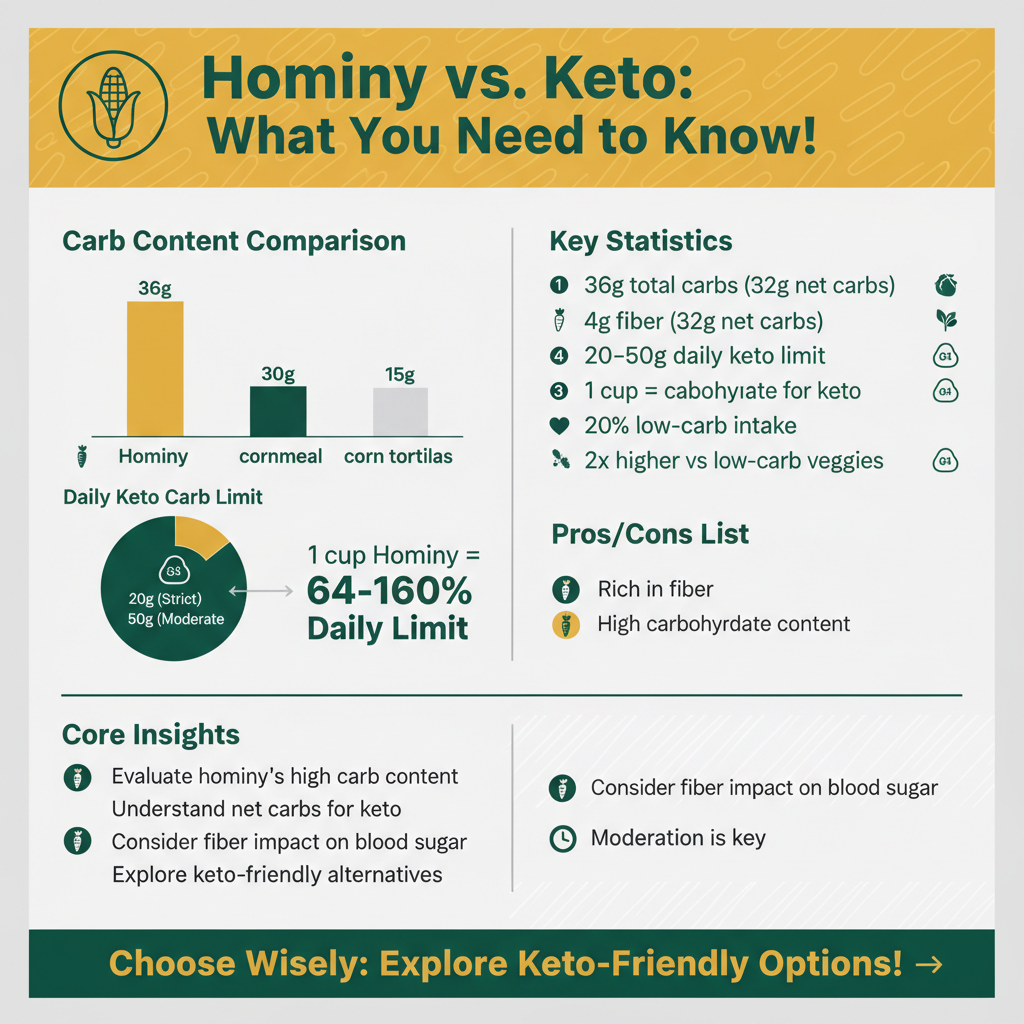
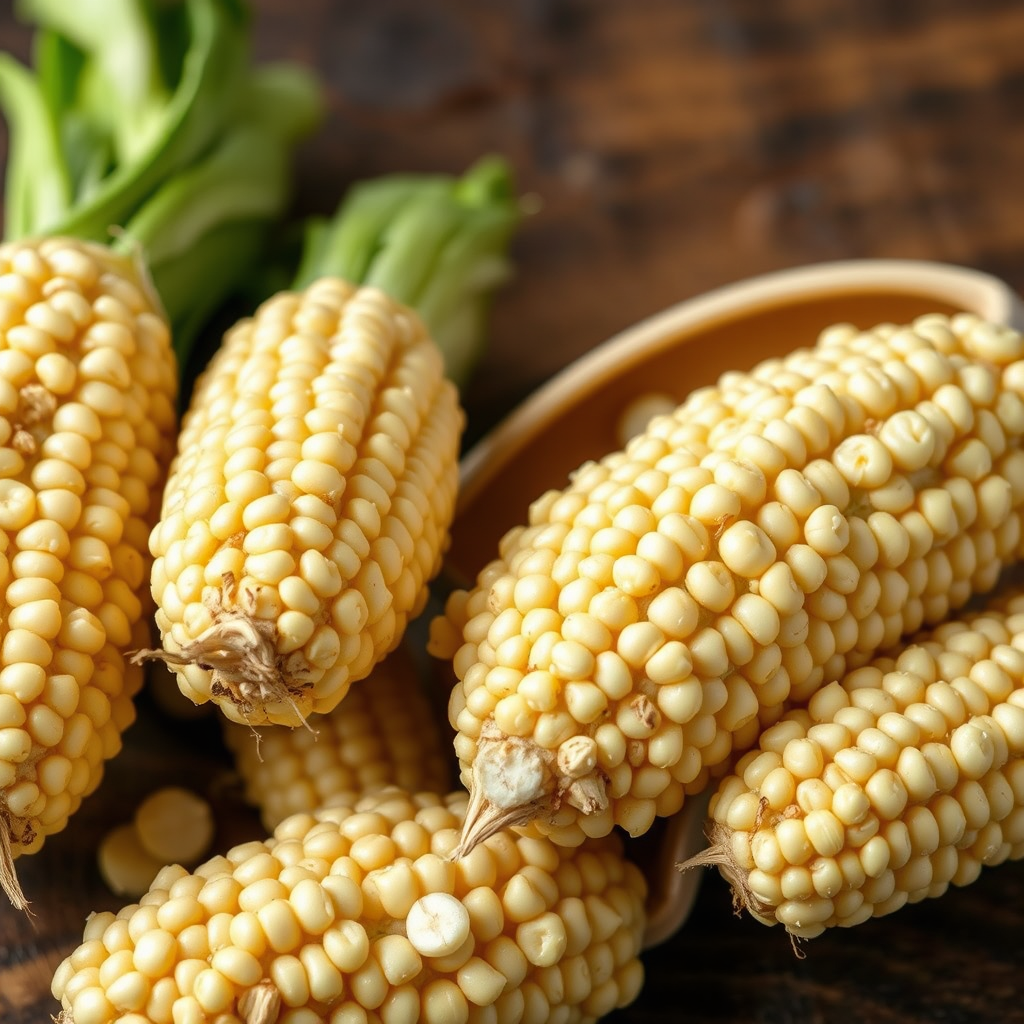
Hominy is made from corn, which is inherently higher in carbohydrates compared to many other vegetables. Specifically, hominy is produced by soaking corn kernels in an alkali solution, a process known as nixtamalization, which enhances its nutritional value and digestibility. However, this process does not significantly reduce the carbohydrate content. One cup of hominy contains approximately 36 grams of carbohydrates, making it a significant source of carbs for keto dieters, whose diets typically emphasize low carb intake.
Additionally, hominy contains about 4 grams of fiber per cup, which can play a role in the net carbohydrate count. For those on a strict ketogenic diet, understanding net carbs—total carbohydrates minus dietary fiber—is crucial. This means that while one cup of hominy has a high total carb count, the effective impact on blood sugar might be slightly lower due to its fiber content. Nonetheless, this still places hominy on the higher end of the carb spectrum, requiring careful consideration when incorporating it into a ketogenic meal plan.
Carbohydrates and Keto: The Basics
The ketogenic diet typically limits daily carbohydrate intake to about 20-50 grams, depending on individual goals and metabolic responses. The aim is to shift the body’s primary energy source from glucose to ketones, which are produced from fats. This metabolic state, known as ketosis, is achieved by significantly reducing carbohydrate consumption and increasing fat intake.
Understanding net carbs is essential for evaluating foods like hominy. When assessing its suitability for a keto diet, one must subtract the fiber content from the total carbohydrates. In the case of hominy, while it contains 36 grams of carbohydrates, after accounting for fiber, the effective carb count is around 32 grams. Hence, consuming an entire cup of hominy may account for a significant portion of the daily carb limit for those following a stringent keto regimen, making it a less-than-ideal option.
How Hominy Compares to Other Corn Products
When evaluating hominy within the context of other corn products, it’s vital to consider their respective carbohydrate contents and glycemic indexes. For instance, compared to cornmeal, hominy has a lower glycemic index, which means it may cause a slower rise in blood sugar levels. However, when it comes to overall carbohydrate content, hominy still falls short for those adhering to a strict ketogenic diet.
Other corn derivatives, such as corn tortillas and polenta, also present challenges for keto dieters. A single corn tortilla can contain around 12-15 grams of carbohydrates, while polenta can be even higher, depending on the preparation. In contrast, alternatives like cauliflower rice or zucchini can provide similar textures and flavors in recipes without the high carb content, making them more suitable for a keto-friendly meal.
Potential Benefits of Hominy
Despite its higher carbohydrate content, hominy does offer some potential benefits worth noting. It is rich in dietary fiber, which can aid in digestion and promote feelings of satiety. This can be particularly beneficial for individuals looking to manage their hunger levels while following a reduced-calorie diet.
Moreover, hominy contains essential vitamins and minerals that can contribute to overall health. It provides nutrients such as magnesium and folate, which play critical roles in various bodily functions, including energy production and cell division. While these benefits are notable, it is essential to consume hominy in moderation, especially for those who are strictly limiting carbohydrate intake.
Alternatives to Hominy on a Keto Diet
For those who wish to avoid hominy due to its carbohydrate content, several excellent alternatives can be utilized in various recipes. Cauliflower rice, for instance, is a popular low-carb substitute that can mimic the texture of hominy while offering significantly fewer carbohydrates. One cup of cauliflower rice contains only about 5 grams of carbs, making it a much more keto-friendly option.
Zucchini and turnips are also versatile vegetables that can be creatively incorporated into dishes that traditionally call for hominy. Zucchini can be spiralized to create “zoodles” or diced and sautéed, while turnips can be roasted or mashed as a hearty side dish. These alternatives not only provide low-carb options but also add a variety of flavors and nutrients to meals.
Tips for Including Hominy in a Keto Diet
If you are determined to include hominy in your keto diet, portion control is essential. Consider using small amounts as an ingredient rather than the main focus of a dish. For example, you might incorporate a few tablespoons of hominy into a stew or casserole, balancing it with plenty of low-carb vegetables and protein sources.
Combining hominy with low-carb food options can help create a more balanced meal. For instance, adding hominy to a hearty chili that includes high-protein ingredients like ground turkey or chicken and low-carb vegetables can enhance the dish’s flavor without significantly blowing your carbohydrate allowance for the day.
In addition, always be mindful of tracking your carbohydrate intake throughout the day. Keeping a food diary or using a nutrition app can help ensure that you stay within your desired carb limits while enjoying a variety of foods, including hominy.
In summary, while hominy is not the most keto-friendly option due to its high carb content, it can be consumed in moderation if you track your intake carefully. Alternatives like cauliflower or zucchini provide low-carb meal options that align better with ketogenic principles. For more tips on maintaining a keto diet, subscribe for our latest updates and recipes!
Frequently Asked Questions
Is hominy keto-friendly for a low-carb diet?
Hominy is made from corn that has been treated with an alkali solution, which alters its structure and nutritional profile. However, it is still primarily composed of carbohydrates. A standard serving of hominy contains about 30 grams of carbs, making it typically unsuitable for a strict ketogenic diet, which usually limits daily carb intake to around 20-50 grams. If you’re following a ketogenic diet, it’s best to avoid hominy and opt for lower-carb alternatives.
How many carbs are in hominy compared to other grains?
A one-cup serving of hominy contains approximately 30 grams of carbohydrates. In comparison, a similar serving of cooked quinoa has about 39 grams of carbs, while brown rice contains around 45 grams. For those on a low-carb or ketogenic diet, hominy is still on the higher end of the carbohydrate spectrum, making it less favorable compared to alternatives like cauliflower rice or zucchini noodles.
What are some keto-friendly alternatives to hominy?
If you’re looking for keto-friendly substitutes for hominy, consider options like cauliflower rice, which has only about 5 grams of carbs per cup, or shredded cabbage. These alternatives can provide a similar texture or volume in dishes without significantly increasing carb intake. Additionally, you can explore using mushrooms or spaghetti squash as low-carb alternatives in recipes that traditionally call for hominy.
Can hominy be included in a moderate-carb diet?
Yes, hominy can be included in a moderate-carb diet, depending on your individual carb allowance and overall meal plan. If you can accommodate around 30 grams of carbs for a meal, you might include a small portion of hominy while balancing it with low-carb vegetables and protein sources. Always be mindful of portion sizes and total daily carb intake to ensure that you remain within your dietary goals.
Why do some people consider hominy a healthy food option?
Hominy is often considered a healthy food option due to its fiber content and the fact that it is a whole grain. It provides essential nutrients like B vitamins, magnesium, and iron. Additionally, the nixtamalization process used to make hominy enhances its nutritional value by making certain nutrients more bioavailable. However, while it has health benefits, those on strict low-carb diets should weigh these benefits against its high carbohydrate content before including it in their meals.
References
- Hominy
- https://www.ncbi.nlm.nih.gov/pmc/articles/PMC6520900/
- https://www.healthline.com/nutrition/keto-diet-food-list
- https://www.webmd.com/diet/obesity/hominy-nutrition-facts
- https://www.verywellfit.com/hominy-nutrition-facts-5118708
- Alzheimer’s disease: Symptoms, stages, causes, and treatments
- USDA
- https://www.cdc.gov/healthyweight/assessing/bmi/adult_bmi/index.html