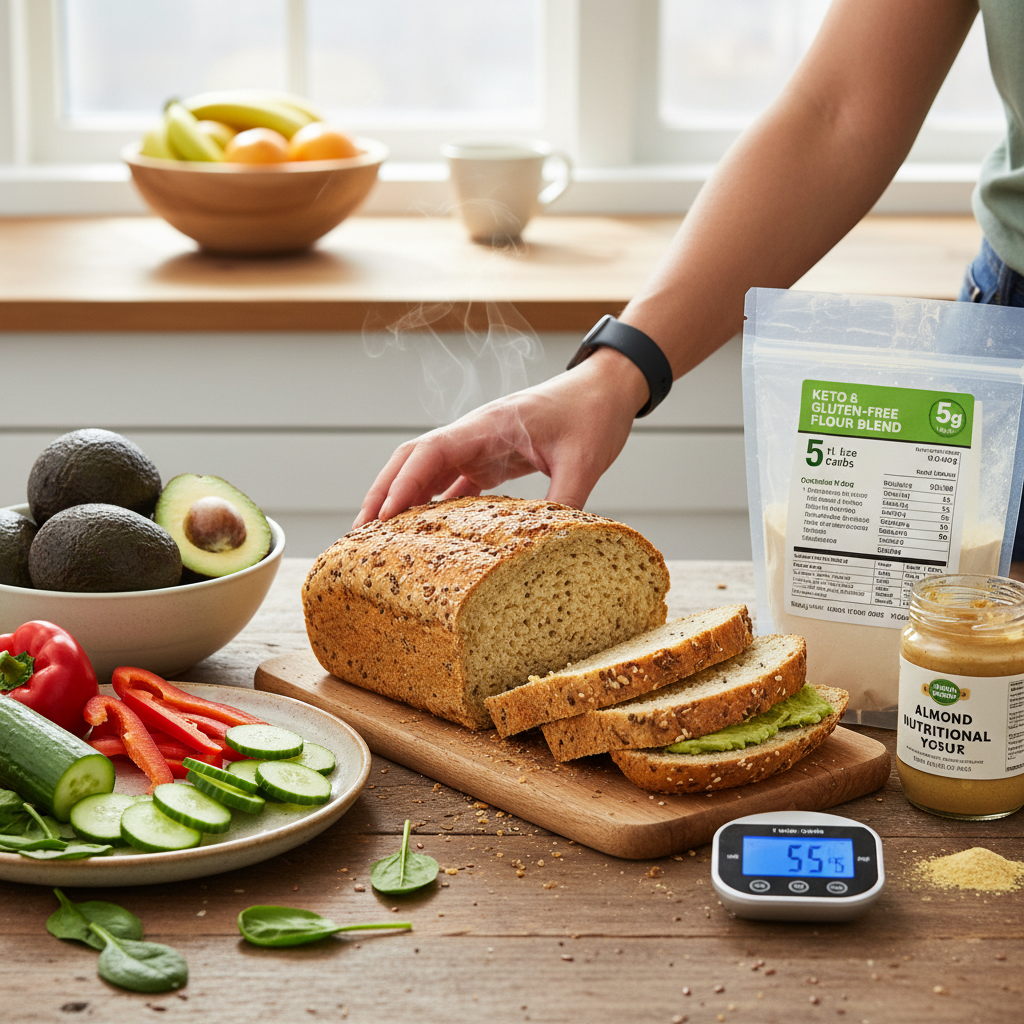

If you’re wondering whether gluten-free bread fits into a ketogenic diet, the answer is generally no. While gluten-free bread eliminates gluten, it often contains high-carb ingredients that can disrupt ketosis. In this article, we’ll explore the carbohydrate content of gluten-free bread, alternatives, and how to make keto-friendly choices. Understanding the intersection of gluten-free and keto diets is essential for those who wish to maintain a low-carb lifestyle while avoiding gluten for health reasons.
Understanding Gluten and Keto
Gluten is a protein found in grains such as wheat, barley, and rye, which can cause adverse reactions for individuals with gluten sensitivities or celiac disease. As a result, many people choose to follow a gluten-free diet to alleviate discomfort or health complications associated with gluten consumption. In contrast, a ketogenic diet emphasizes low-carbohydrate, high-fat foods to induce a metabolic state known as ketosis, where the body becomes efficient at burning fat for fuel instead of carbohydrates. While both dietary approaches aim to improve health and well-being, they operate on different principles and may not always align in practice, especially when it comes to bread choices.
Carbohydrate Content in Gluten-Free Bread
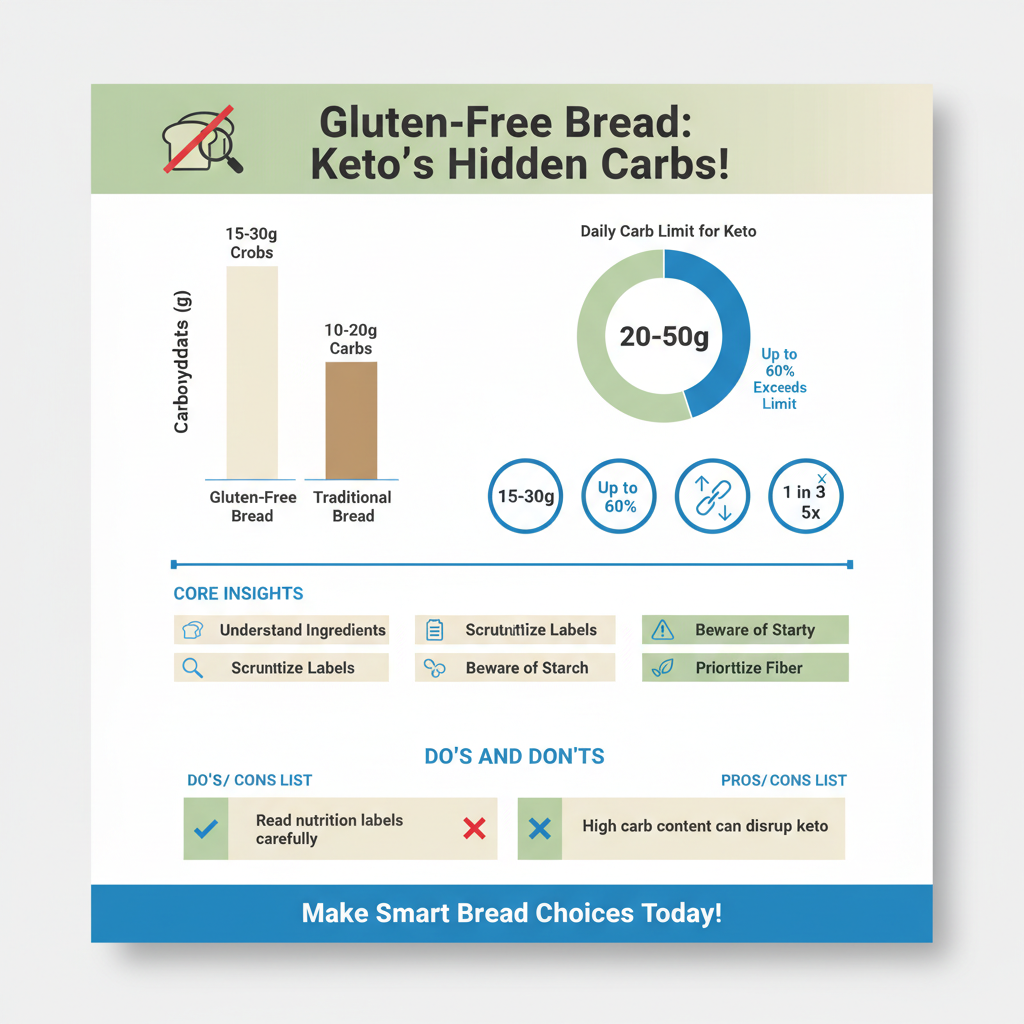
The carbohydrate content in gluten-free bread can vary significantly depending on the ingredients used. Many commercially available gluten-free breads are made from rice flour, potato starch, or tapioca flour—ingredients that are inherently high in carbohydrates. For instance, a slice of gluten-free bread can contain anywhere from 15 to 30 grams of carbs, which can quickly add up, particularly when considering the daily carbohydrate limits of a ketogenic diet, typically set at around 20 to 50 grams per day. Therefore, it is crucial to scrutinize nutrition labels for not only total carbohydrate content but also dietary fiber, as this can impact the net carbs, which are critical for maintaining ketosis.
Comparing Gluten-Free and Traditional Bread
When comparing gluten-free bread to traditional bread, the differences extend beyond gluten content. Traditional bread is characterized by its high gluten and carbohydrate levels, primarily derived from wheat flour. Gluten-free options, however, can vary widely in their carbohydrate content, leading to a potential pitfall for those on a ketogenic diet. In fact, some gluten-free breads may have even more carbohydrates than their traditional counterparts due to the use of starchy ingredients designed to mimic the texture and flavor of gluten-containing breads. This variability highlights the importance of thorough label reading and ingredient analysis when selecting bread products.
Keto-Friendly Bread Alternatives
Fortunately, there are several keto-friendly bread alternatives that cater to both gluten-free and low-carb dietary needs. Options like almond flour bread, coconut flour bread, and cloud bread are excellent substitutes that offer a significantly lower carbohydrate content. For example, almond flour has approximately 6 grams of carbs per 1/4 cup, making it a popular choice for keto baking. These alternatives can often be made at home, providing the added benefit of customization based on personal taste preferences. Specialty stores also offer pre-made keto-friendly bread, which can be a convenient solution for busy individuals. When selecting these products, always verify that they are labeled as “keto-friendly” and check their nutritional information to ensure they align with your dietary goals.
Tips for Choosing Bread on a Keto Diet
Choosing the right bread on a ketogenic diet requires diligence and awareness. Always read ingredient lists and nutrition facts to determine if the bread is truly supportive of your keto lifestyle. Look for products that are specifically marketed as “low-carb” or “keto-friendly,” but do not rely solely on these claims; verify their carbohydrate count as well. Additionally, consider the overall ingredients—avoid breads that contain added sugars or high-carb fillers. A good rule of thumb is to aim for bread products with no more than 5 grams of net carbs per serving, allowing for flexibility within your daily carbohydrate allowance.
Making Your Own Keto Bread
For those committed to maintaining strict carb control, making your own keto bread can be a rewarding alternative. Recipes typically incorporate low-carb ingredients such as almond flour, coconut flour, eggs, and cheese, resulting in a delicious and satisfying bread that aligns with keto principles. For example, a simple almond flour bread recipe may include ground almonds, eggs, baking powder, and butter, providing a fluffy texture while keeping carbohydrate levels low. There are a plethora of resources available online, including blogs and cooking channels dedicated to keto-friendly baking, making it easier than ever to experiment with different recipes and find the perfect bread for your taste.
In summary, gluten-free bread is typically not compatible with a keto diet due to its often high carbohydrate content. If you’re looking to maintain ketosis, consider low-carb alternatives or make your own bread at home. Start exploring these options today to find the best fit for your dietary needs! By making informed choices and understanding the differences between gluten-free and traditional bread, you can successfully navigate your dietary journey while enjoying delicious and satisfying meals.
Frequently Asked Questions
Is gluten-free bread suitable for a keto diet?
Gluten-free bread is not inherently suitable for a keto diet because many gluten-free breads are made from high-carb ingredients like rice flour, potato starch, or tapioca flour. For a bread to be considered keto-friendly, it should contain low-carb alternatives like almond flour or coconut flour. Always check the nutritional information to ensure that the carb count aligns with your daily keto goals.
What types of gluten-free bread are keto-friendly?
Keto-friendly gluten-free breads typically use low-carb ingredients such as almond flour, coconut flour, or flaxseed meal. Brands that specialize in keto products often offer options without gluten that are also low in carbohydrates, making them suitable for those following a ketogenic diet. Look for breads labeled specifically as “keto” or check the nutritional label for low net carbs per serving.
How can I make my own gluten-free keto bread at home?
To make your own gluten-free keto bread, combine almond flour, eggs, baking powder, and a pinch of salt. You can also add ingredients like psyllium husk for texture or flavorings such as garlic powder or herbs. Bake the mixture in a preheated oven at 350°F (175°C) until golden brown, usually about 30 minutes, ensuring you maintain low-carb ratios for a successful keto bread.
Why is gluten-free bread often higher in carbs?
Gluten-free bread is often higher in carbs because it replaces gluten-containing grains with starches and flours that are more carbohydrate-dense, such as rice flour or potato starch. These ingredients provide the essential texture and structure but can significantly increase the carbohydrate content. For a gluten-free option to be keto-friendly, it needs to utilize low-carb ingredients, which is not common in mainstream gluten-free products.
Which store-bought gluten-free breads are the best for a keto diet?
When looking for store-bought gluten-free breads suitable for a keto diet, brands like Base Culture, Keto Bread by Franz, and ThinSlim Foods offer products specifically designed to be low in carbs. These breads usually contain almond flour or other low-carb ingredients. Always read the nutrition labels to confirm that they fit your keto macros, focusing on low net carbs and minimal added sugars.
References
- https://www.healthline.com/nutrition/gluten-free-diet-and-keto
- https://www.webmd.com/diet/what-is-keto-diet
- https://www.ncbi.nlm.nih.gov/pmc/articles/PMC5901643/
- Everyday Health: Trusted Medical Information, Expert Health Advice, News, Tools, and Resources
- https://www.verywellfit.com/gluten-free-keto-diet-5190760