

Dragon fruit, also known as pitaya, can be considered keto-friendly when consumed in moderation. While it contains some carbohydrates, its high fiber content helps balance out the net carbs, making it a potential addition to a ketogenic diet. In this article, we will explore the nutritional profile of dragon fruit, how it fits into a keto diet, and tips for incorporating it into your meals.
Nutritional Profile of Dragon Fruit
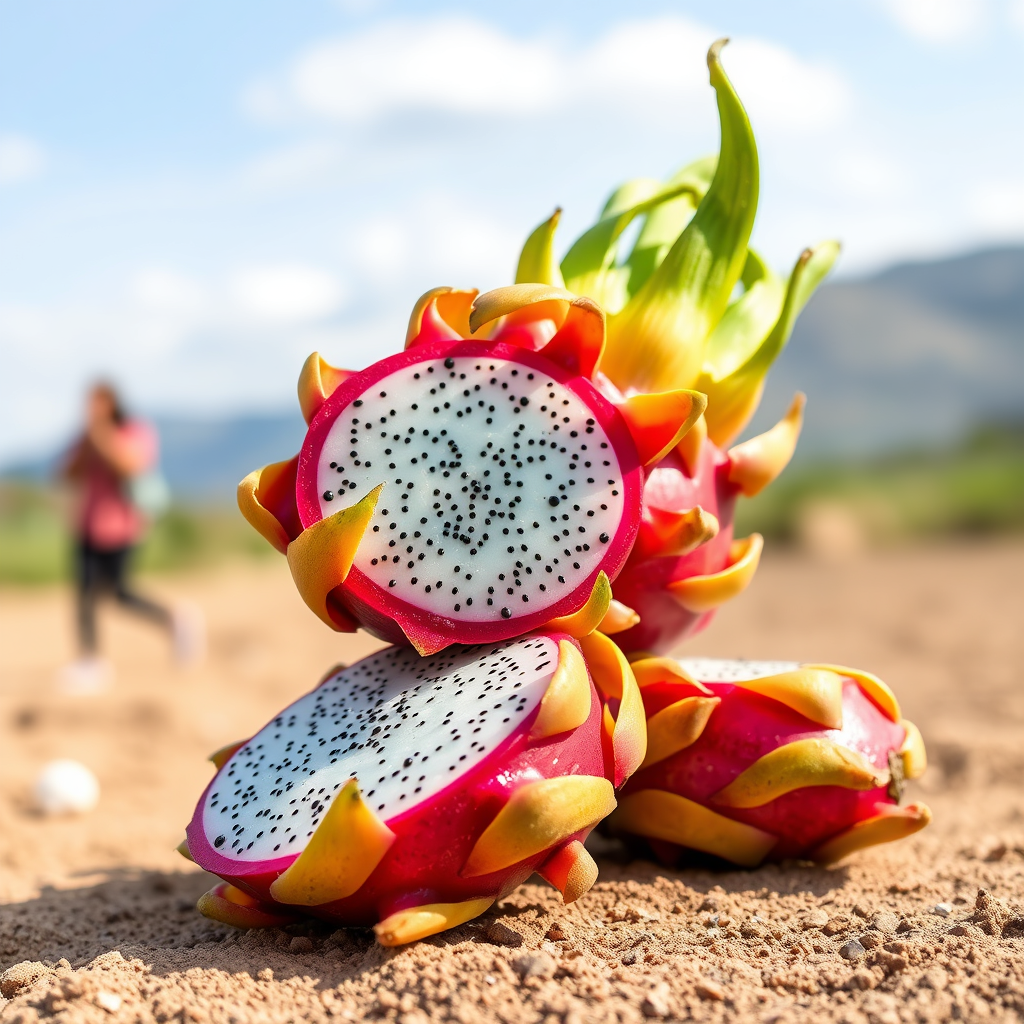
Dragon fruit is not only visually striking with its vibrant pink skin and white or red flesh speckled with tiny black seeds, but it also offers a range of nutritional benefits. A typical serving of dragon fruit has around 60 calories, making it a low-calorie option for those watching their caloric intake. In terms of carbohydrate content, one cup of dragon fruit contains approximately 13 grams of carbohydrates. However, what sets dragon fruit apart from many other fruits is its impressive fiber profile. With around 7 grams of fiber per cup, this fruit offers significant bulk, which can aid in digestion and contribute to a feeling of fullness. This unique combination of low calories and moderate carbohydrate content makes dragon fruit an appealing choice for those on a keto diet.
Understanding Net Carbs
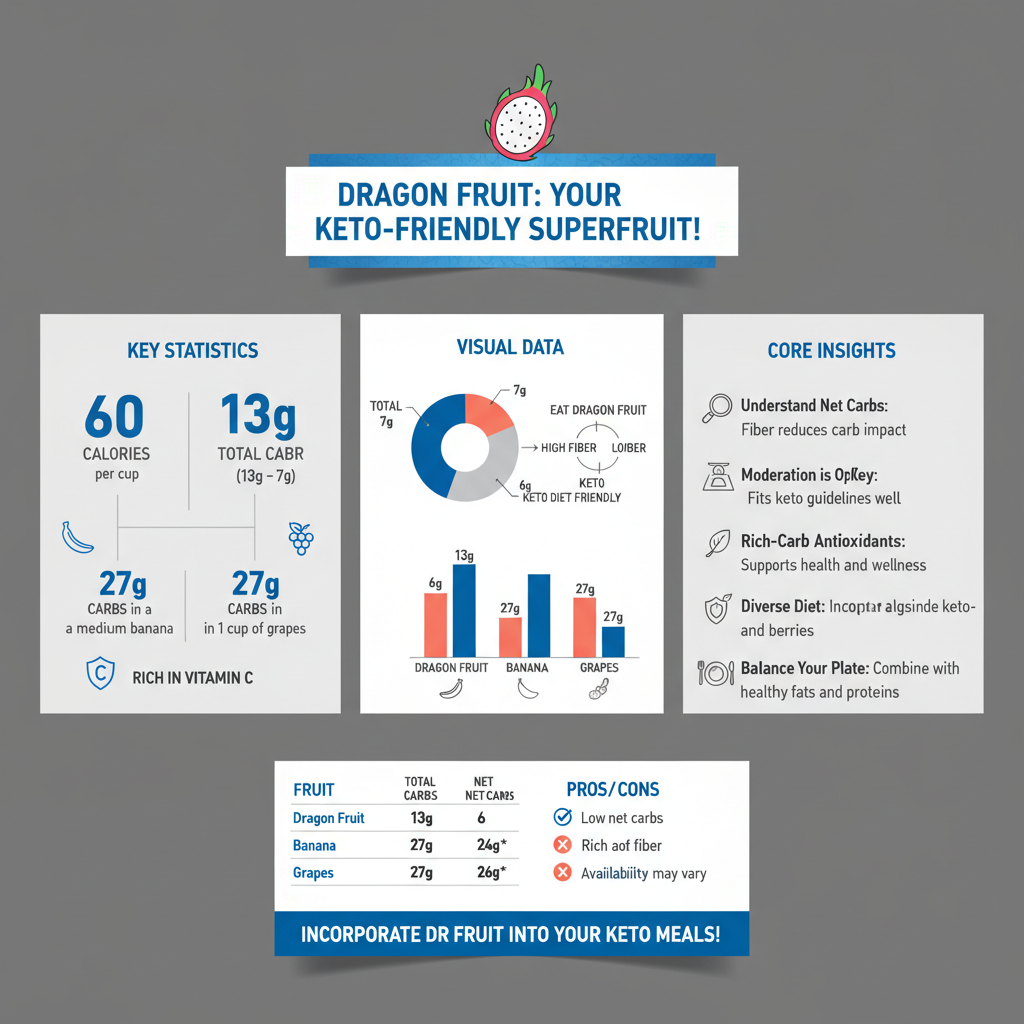
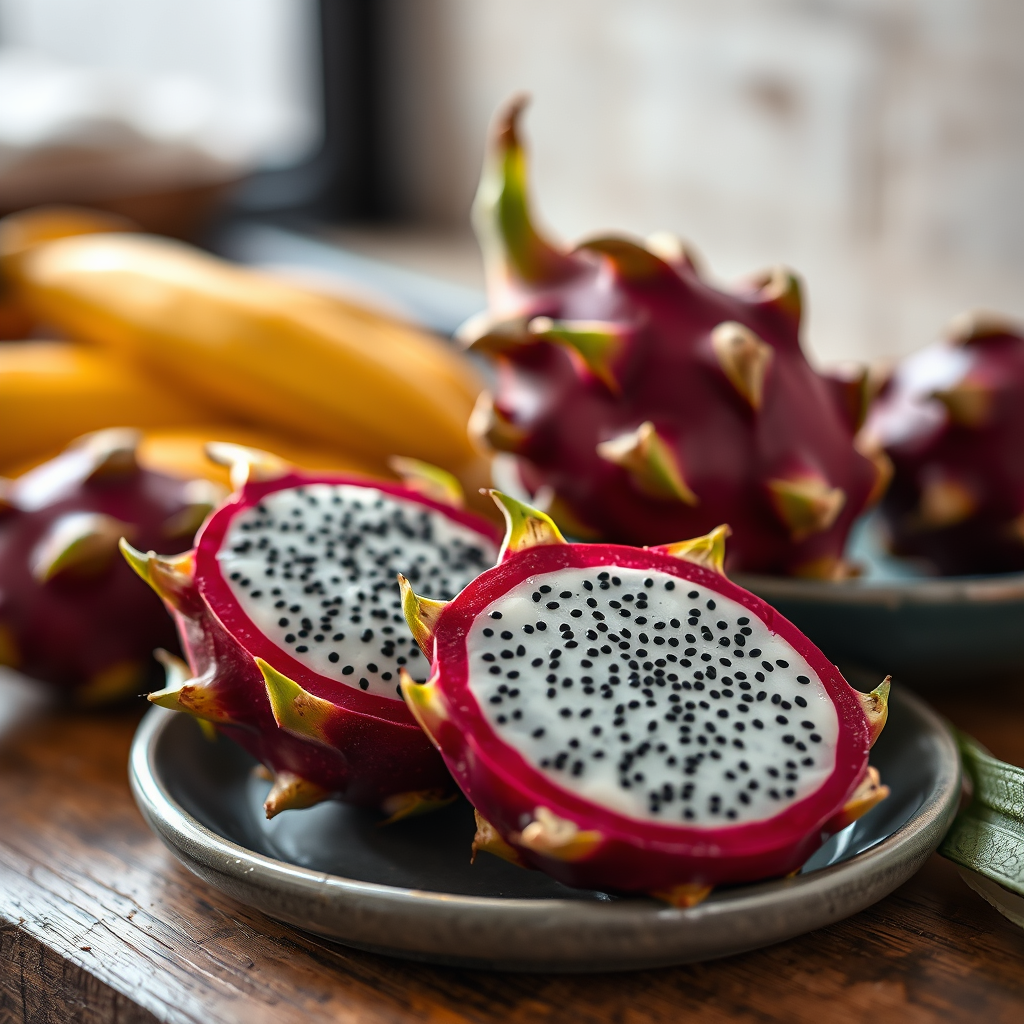
To effectively manage carbohydrate intake on a ketogenic diet, it’s essential to understand the concept of net carbs. Net carbs are calculated by subtracting fiber from total carbohydrates because fiber is not digested and does not raise blood sugar levels. Therefore, when we analyze dragon fruit, the total carbohydrate count of approximately 13 grams, minus its 7 grams of fiber, results in about 6 grams of net carbs per cup. This low net carb count places dragon fruit in a favorable light for keto dieters, as it allows for a more diverse menu without significantly impacting ketosis.
Comparing Dragon Fruit to Other Fruits
When considering fruit options on a keto diet, it’s crucial to compare their carbohydrate content. Dragon fruit stands out as a lower-carb alternative, especially when stacked against higher-carb fruits such as bananas and grapes. For instance, a medium banana contains around 27 grams of carbohydrates, while one cup of grapes can have up to 27 grams as well. In contrast, dragon fruit’s 6 grams of net carbs per serving make it a much more suitable choice for those adhering to strict ketogenic guidelines. To further enhance your diet, consider fruits that are lower in carbohydrates, such as berries—strawberries and raspberries are excellent choices that can fit well into a keto lifestyle.
Health Benefits of Dragon Fruit
Beyond its keto-friendly credentials, dragon fruit is rich in antioxidants, particularly vitamin C. Antioxidants are crucial for combating oxidative stress and reducing inflammation in the body. In addition to vitamin C, dragon fruit contains other beneficial compounds, including betalains and polyphenols, which contribute to its antioxidant properties. Moreover, the high fiber content in dragon fruit supports digestive health by promoting regular bowel movements and feeding beneficial gut bacteria. This dual benefit of nutritional value and health promotion makes dragon fruit a compelling addition to any diet.
Tips for Incorporating Dragon Fruit into a Keto Diet
To enjoy dragon fruit while maintaining adherence to your ketogenic diet, practice portion control. A serving size of one cup is sufficient to reap the benefits without overstepping your carb limit. One practical approach is to use dragon fruit as an ingredient in smoothies, where it can be blended with low-carb vegetables such as spinach or kale, providing a refreshing and nutritious beverage. Additionally, dragon fruit can be sliced and added to salads for a pop of color and flavor, or used as a unique topping for keto-friendly desserts like coconut chia pudding. When preparing meals, consider pairing dragon fruit with sources of healthy fats, such as avocado or nuts, to create balanced dishes that align with keto principles.
Potential Drawbacks
While dragon fruit can be a healthy addition to a ketogenic diet, individual tolerance to carbohydrates varies. Some people may find that even small amounts of certain fruits can hinder their ability to maintain ketosis. Therefore, it’s essential to monitor your body’s response when introducing dragon fruit into your diet. Additionally, overconsumption of any fruit, including dragon fruit, can lead to an intake of excess carbohydrates, potentially disrupting ketosis. Moderation is key; therefore, it’s advisable to incorporate dragon fruit thoughtfully and in conjunction with other low-carb foods to maintain a balanced ketogenic approach.
In summary, dragon fruit can be a keto-friendly option when consumed in moderation due to its low net carb content and nutritional benefits. By understanding its carb profile and incorporating it wisely into your diet, you can enjoy this exotic fruit while staying on track with your ketogenic goals. Consider experimenting with dragon fruit in your next meal or snack!
Frequently Asked Questions
Is dragon fruit low in carbohydrates and suitable for a keto diet?
Yes, dragon fruit is relatively low in carbohydrates, making it suitable for a keto diet in moderation. A 100-gram serving contains approximately 11-13 grams of carbohydrates, with about 5-6 grams of fiber. This means the net carbs are around 5-8 grams, which can fit into a keto meal plan, especially if you monitor your overall daily carb intake.
How can I incorporate dragon fruit into my keto meal plan?
You can incorporate dragon fruit into your keto meal plan by using it as a topping for low-carb yogurt or smoothies, adding it to salads for a refreshing twist, or enjoying it as a snack on its own. Just be mindful of portion sizes to ensure you stay within your daily carb limit. Pairing it with high-fat foods, such as avocado or nut butter, can also help balance your macronutrient ratios.
Why is dragon fruit considered a good source of antioxidants despite its carb content?
Dragon fruit is rich in antioxidants, such as vitamin C, betalains, and carotenoids, which help combat oxidative stress and promote overall health. While it does contain carbohydrates, the health benefits from its antioxidant properties can be valuable, especially for those on a keto diet looking to maintain a nutrient-rich intake. The fiber content also aids digestion, making it a beneficial addition when consumed mindfully.
What is the best way to eat dragon fruit on a keto diet?
The best way to eat dragon fruit on a keto diet is to enjoy it fresh and raw, as this preserves its nutrients. You can cut it in half and scoop out the flesh, or blend it into a smoothie with other low-carb ingredients like spinach or coconut milk. Alternatively, you can use it in keto-friendly desserts, such as chia seed pudding, to add a pop of color and flavor while keeping carbs in check.
Which variety of dragon fruit is the most keto-friendly?
The white-fleshed dragon fruit (Hylocereus undatus) is generally considered the most keto-friendly variety due to its lower carbohydrate content compared to the red-fleshed (Hylocereus costaricensis) and yellow-fleshed (Hylocereus megalanthus) varieties. While all types of dragon fruit can be enjoyed in moderation, opting for the white-fleshed version may help you stay within your carb limit while still enjoying the unique taste and health benefits of this exotic fruit.
References
- Pitaya
- Dragon Fruit: Nutrition, Benefits, and How to Eat It
- https://www.medicalnewstoday.com/articles/dragon-fruit-nutrition
- https://www.ncbi.nlm.nih.gov/pmc/articles/PMC6412415/
- https://www.webmd.com/diet/health-benefits-dragon-fruit
- https://www.eatright.org/food/nutrition/dietary-guidelines-and-myplate/what-is-dragon-fruit
- https://www.cdc.gov/nutrition/food-safety.html