

Corn starch is not considered keto-friendly due to its high carbohydrate content, which can disrupt ketosis—a metabolic state that many keto dieters aim to maintain. In this article, we will explore the carbohydrate profile of corn starch, its effects on a ketogenic diet, and potential alternatives that fit better within keto guidelines. Understanding these aspects is crucial for those seeking to adhere to a low-carb lifestyle while still enjoying the culinary benefits of thickening agents in their meals.
The Carbohydrate Content of Corn Starch
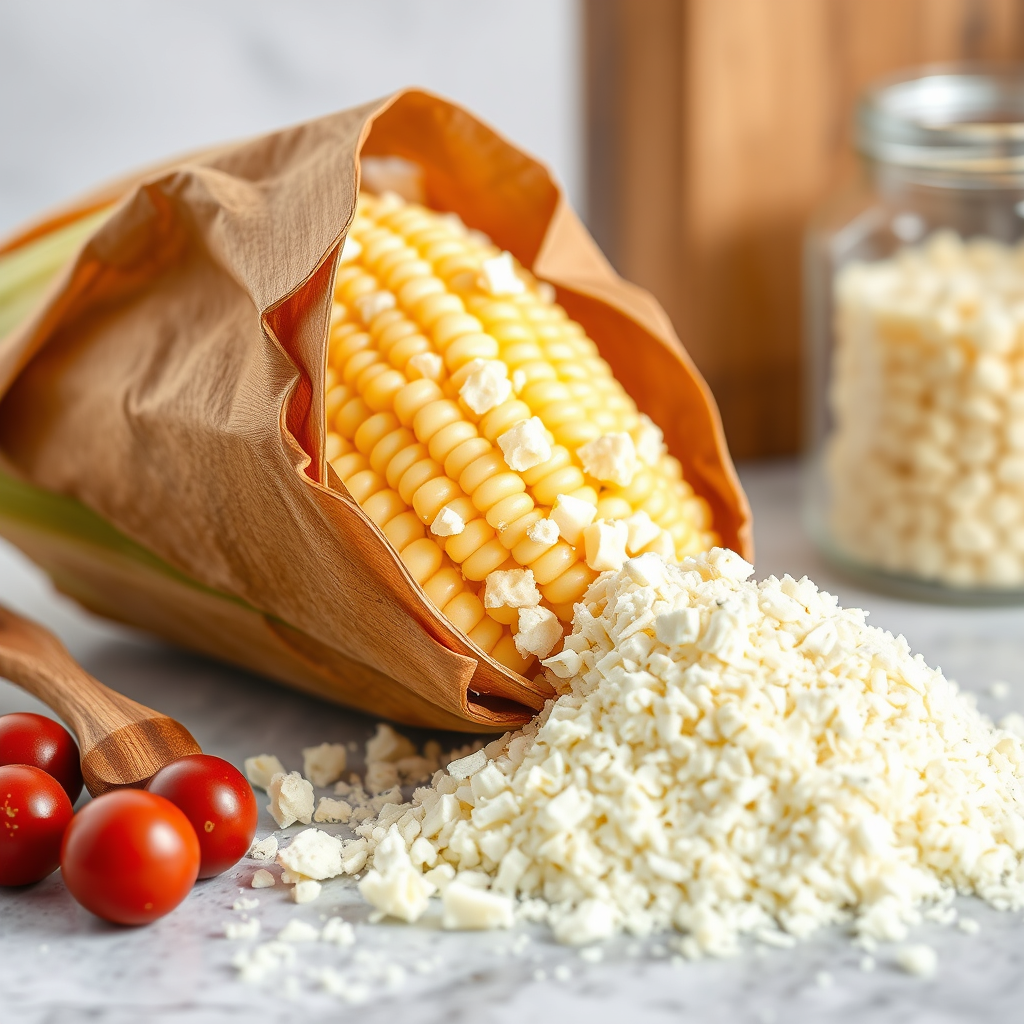
Corn starch is derived from the endosperm of corn kernels and is a common ingredient used for thickening sauces, soups, and gravies. When assessing its suitability for a ketogenic diet, one of the most critical factors is its carbohydrate content. A standard serving size of corn starch, approximately 1/4 cup, contains around 30 grams of carbohydrates. This amount is significant for those following a strict ketogenic diet, where daily carbohydrate intake is often limited to 20-50 grams to maintain ketosis.
The high carbohydrate content of corn starch can quickly exceed the daily carb limit for keto dieters, making it an unsuitable option for those looking to restrict their carbohydrate intake. The primary concern is not just the immediate carbohydrate load but also how such consumption can impact long-term dietary goals. A single serving of corn starch can disrupt the delicate balance required to maintain ketosis, ultimately hindering fat-burning processes and weight loss efforts.
How Corn Starch Affects Ketosis
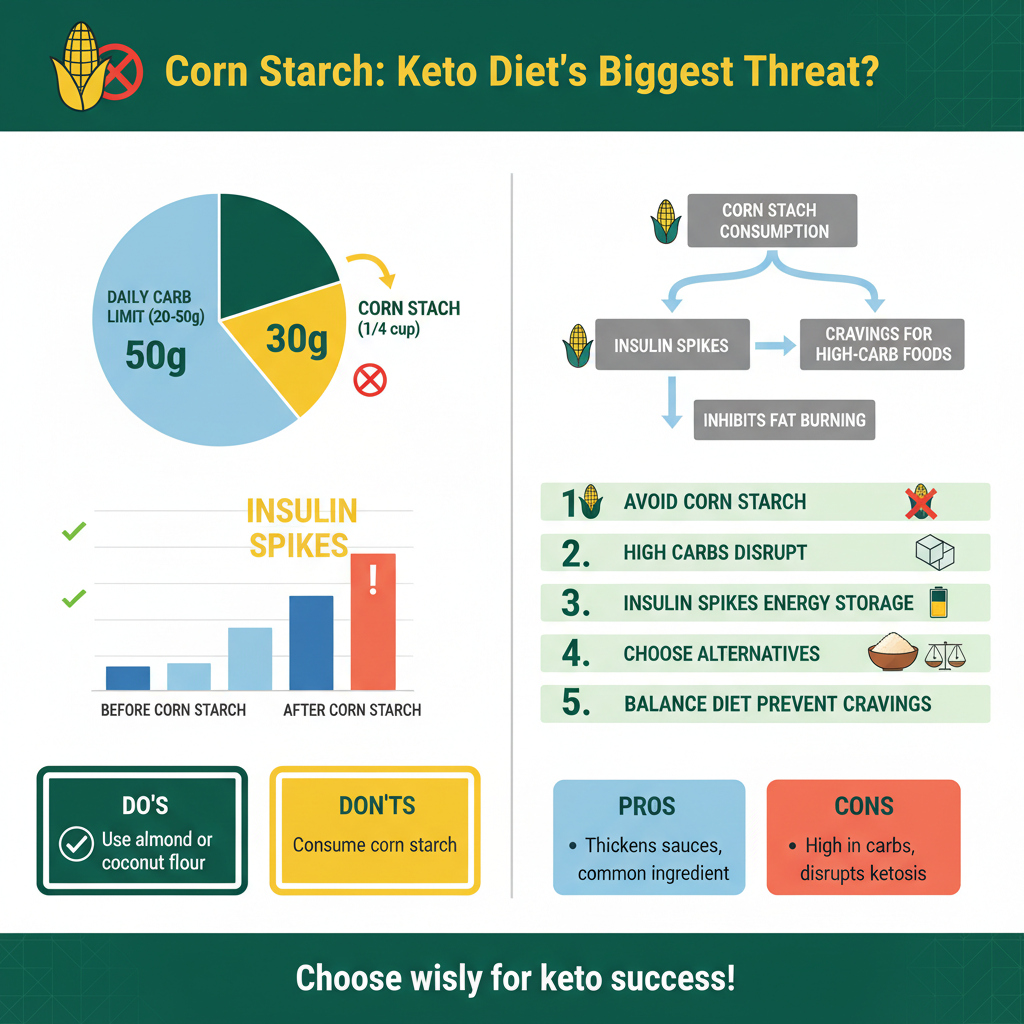
The impact of corn starch on ketosis is substantial, primarily due to its ability to spike blood sugar levels. When consumed, corn starch is rapidly broken down into glucose, leading to a surge in blood sugar. In response, the body secretes insulin to help transport glucose into cells for energy. While insulin is essential for overall metabolic function, elevated levels can inhibit fat burning, which is the primary goal of a ketogenic diet.
When insulin levels are high, the body is less likely to utilize fat stores for energy, making it challenging for individuals to maintain a state of ketosis. In fact, frequent consumption of high-carb ingredients like corn starch can lead to fluctuations in blood sugar and insulin levels, potentially resulting in cravings for more high-carb foods. This cycle can be detrimental for those trying to adhere to a keto lifestyle, as it may lead to emotional eating and derailment from their dietary goals.
Alternatives to Corn Starch for Keto Dieters
Fortunately, there are several alternatives to corn starch that are more compatible with a ketogenic diet. Options like almond flour and coconut flour can serve as effective thickeners while also providing additional flavor and nutritional benefits. Almond flour, for example, is low in carbohydrates and high in healthy fats, making it an excellent choice for those following a ketogenic regimen.
In addition to these flours, other thickening agents such as psyllium husk and xanthan gum can be utilized. Psyllium husk is a soluble fiber that can add bulk and thickness to recipes without the carb content associated with corn starch. Xanthan gum, a polysaccharide, is another popular thickener that can mimic the texture of corn starch while remaining low in carbohydrates. Both options are versatile and can be used in various recipes, from sauces to baked goods, allowing keto dieters to achieve the desired consistency without sacrificing their dietary principles.
Nutritional Comparison: Corn Starch vs. Keto Alternatives
When comparing corn starch to keto-friendly alternatives, the differences in nutritional content are striking. As previously mentioned, corn starch contains approximately 30 grams of carbohydrates per 1/4 cup. In contrast, almond flour boasts about 6 grams of carbohydrates per 1/4 cup, while coconut flour contains around 12 grams for the same serving size. This stark contrast highlights why almond flour and coconut flour are favored among keto dieters.
Moreover, these alternatives also offer added nutritional benefits. Almond flour is rich in vitamin E, magnesium, and healthy monounsaturated fats, which can contribute to overall health. Coconut flour, on the other hand, is high in fiber, which can aid digestion and promote satiety. By opting for these low-carb alternatives, individuals not only reduce their carbohydrate intake but also enhance the nutritional profile of their meals, making for a healthier eating experience.
Recipes Using Keto-Friendly Thickeners
Incorporating keto-friendly thickeners into your cooking can be straightforward and rewarding. Here are a few sample recipes that utilize alternatives to corn starch:
1. Keto-Friendly Creamy Mushroom Soup:
– Ingredients: 2 cups of mushrooms, 1 cup of heavy cream, 1/4 cup of almond flour, vegetable broth, garlic, and thyme.
– Instructions: Sauté mushrooms and garlic in butter, add broth, then stir in almond flour to thicken. Finally, incorporate heavy cream and season with thyme before serving.
2. Keto Chicken Gravy:
– Ingredients: 2 cups of chicken broth, 1/4 cup of coconut flour, cooked chicken, and seasonings.
– Instructions: In a saucepan, heat the chicken broth and slowly whisk in coconut flour until thickened. Add diced chicken and season to taste.
These recipes demonstrate how easily keto-friendly alternatives can be integrated into everyday cooking. When using these thickening agents, it’s essential to adjust cooking techniques slightly—such as adding the thickener gradually and whisking continuously to avoid clumping.
Common Misconceptions About Corn Starch and Keto
There are several misconceptions surrounding corn starch and its health benefits that warrant clarification. One common myth is that corn starch can be consumed in moderation without affecting ketosis. While small amounts may not lead to immediate spikes in blood sugar for everyone, the cumulative effect over time can hinder long-term weight loss efforts and disrupt metabolic processes.
Another misconception is that corn starch is a “natural” product and therefore inherently healthy. While it is derived from corn, the refining process strips it of many nutrients, rendering it a source of empty calories. For individuals committed to a ketogenic lifestyle, it’s crucial to seek out nutrient-dense foods that provide more than just calories. Understanding when, if ever, corn starch may be acceptable is key; for most, it is best to avoid it altogether to stay aligned with keto principles.
In summary, corn starch is not keto-friendly due to its high carbohydrate content and potential to disrupt ketosis. For those following a ketogenic lifestyle, exploring alternatives like almond flour, coconut flour, or xanthan gum is advisable. By making these adjustments, you can enjoy cooking and baking while staying true to your dietary goals. If you found this information helpful, consider trying out some of the alternative ingredients in your next recipe!
Frequently Asked Questions
Is corn starch low in carbohydrates, making it suitable for a keto diet?
Corn starch is not low in carbohydrates and typically contains about 30 grams of carbs per 1/4 cup serving. Since the ketogenic diet aims to limit carbohydrate intake to around 20-50 grams per day, consuming corn starch can quickly exceed this limit, making it unsuitable for those following a strict keto lifestyle.
Can I use corn starch as a thickening agent on a keto diet?
While corn starch is commonly used as a thickening agent in many recipes, it is not keto-friendly due to its high carbohydrate content. Instead, consider alternatives like xanthan gum or konjac powder, which are low in carbs and can effectively thicken sauces and soups without disrupting ketosis.
Why should I avoid corn starch if I’m trying to maintain ketosis?
Avoiding corn starch is crucial for maintaining ketosis because it can spike your blood sugar levels due to its high glycemic index. This can lead to insulin spikes that counteract the metabolic state of ketosis, making it harder to burn fat for fuel and achieve your weight loss goals on a keto diet.
What are some keto-friendly alternatives to corn starch for thickening sauces?
Some excellent keto-friendly alternatives to corn starch include almond flour, coconut flour, xanthan gum, and psyllium husk. These options not only provide the thickening effect you’re looking for but also align well with the low-carb requirements of the ketogenic diet.
How can I incorporate low-carb thickeners into my keto cooking?
To incorporate low-carb thickeners into your keto cooking, start by using small amounts of xanthan gum or psyllium husk, as they are very powerful thickeners. Mix them with a bit of water or broth before adding them to your dish to avoid clumping. Additionally, you can use almond or coconut flour in soups and sauces for a subtle thickness while keeping the carb count low.
References
- Corn starch
- https://www.healthline.com/nutrition/keto-diet-foods
- https://www.ncbi.nlm.nih.gov/pmc/articles/PMC6723893/
- https://www.webmd.com/diet/obesity/ss/slideshow-keto-diet-foods
- https://www.mayoclinic.org/healthy-lifestyle/nutrition-and-healthy-eating/expert-answers/keto-diet/faq-20409766
- https://www.ncbi.nlm.nih.gov/pmc/articles/PMC6313445/